
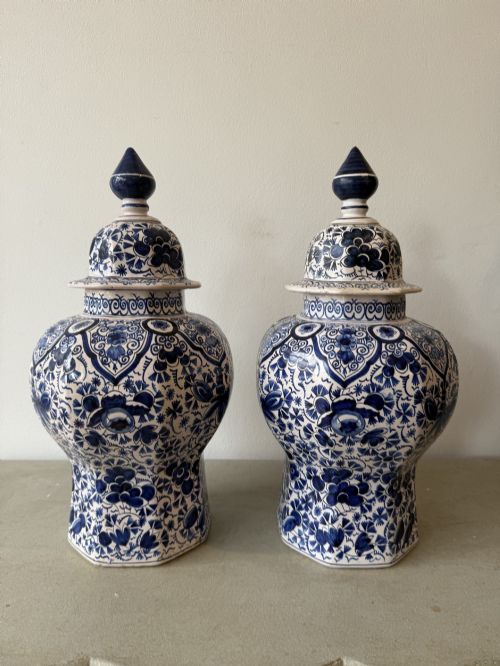


Blue White Ginger Jar
A blue white ginger jar brings classic ceramic artistry into a room, offering historic form and enduring cobalt pattern.
What blue white ginger jars are
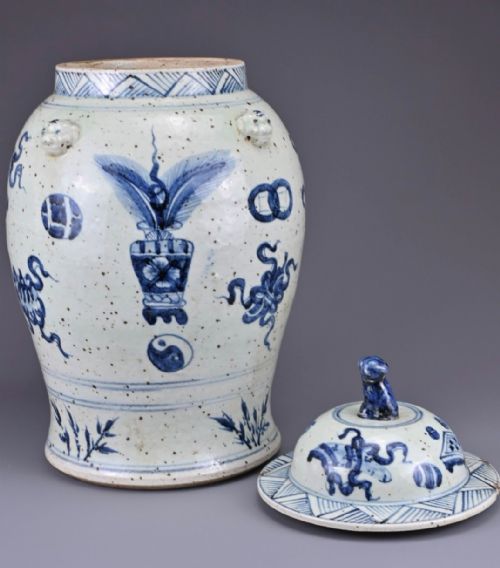
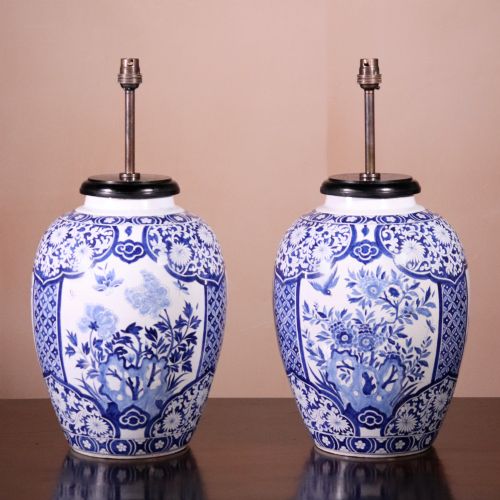
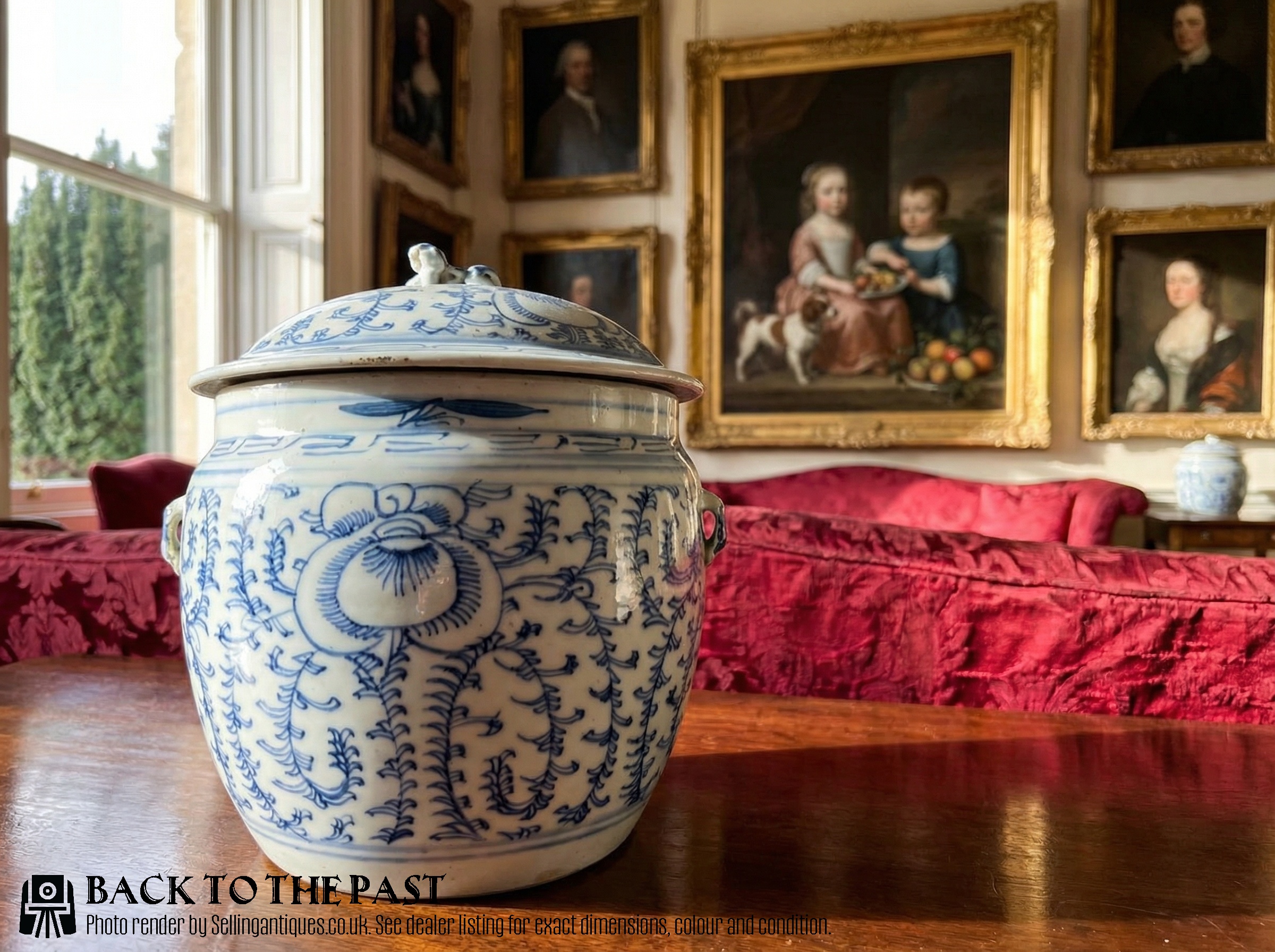
When searching for a blue white ginger jar, a buyer looks at lidded vessels originating from various Asian and European traditions. These decorative jars and vases range from substantial Chinese export pieces to European tin-glazed earthenware.
The versions most commonly met on this page span the eighteenth century, nineteenth century, and twentieth century. Forms include baluster vases, kamcheng jars, and double happiness marriage jars, often retaining their original covers.
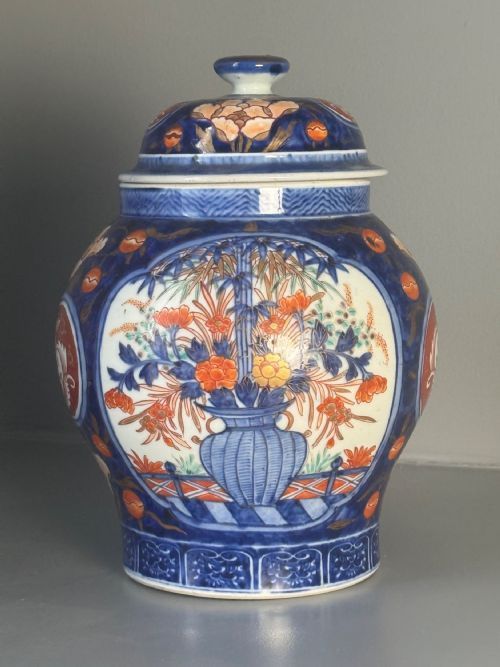
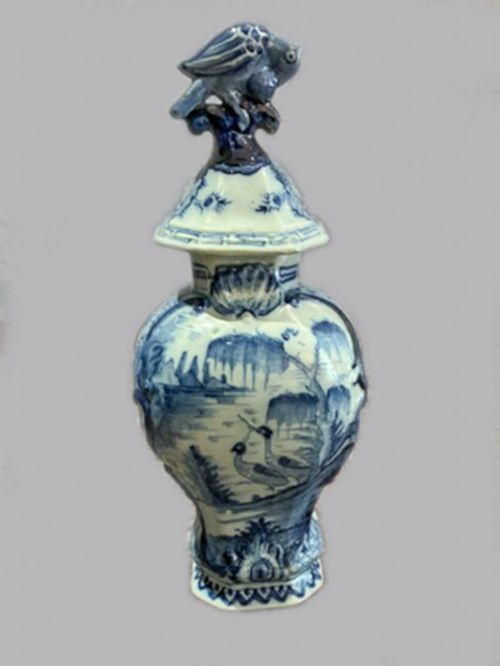
Origins represented in the evidence include Qing Dynasty China, Meiji period Japan, and eighteenth century Dutch delftware. Each regional tradition applies distinctive interpretations to the classic vessel shape.
How they were made
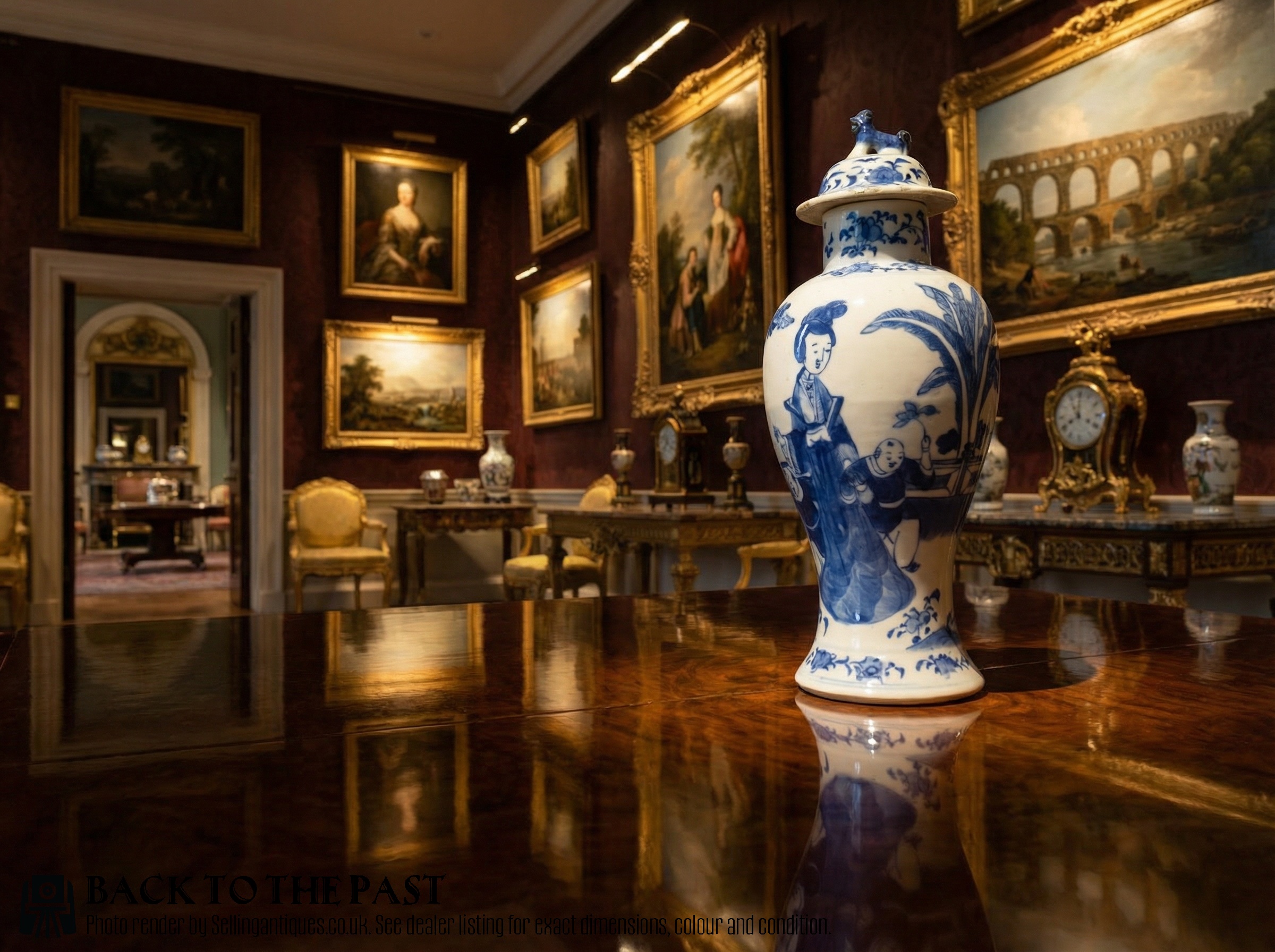
Makers utilised porcelain, ceramic, and earthenware as the primary base materials for these vessels. Cobalt glaze provides the characteristic blue pigment applied across the white surfaces.
Techniques range from Chinese porcelain throwing to European tin glazing and earthenware production. Some pieces also incorporate additional decorative layers such as red ground clobbering over the base glaze.
Retail Price Guide 2026
Typical UK retail prices for blue white ginger jar, calculated from the Sellingantiques database of over a million retail prices indexed since 2003. This retail price guide relies exclusively on Sellingantiques data; no external sources or auction records are used, so the figures do not describe the wider market.
Some nineteenth century jars carry double happiness symbols, originally intended to bring marital harmony into a household.
What varies in quality
The distinction between ordinary and superior pieces rests upon the crispness of the cobalt painting and the balance of the ceramic form. Finer vessels display precise brushwork and well-proportioned covers that complete the silhouette.
Material refinement also separates the range, with dense translucent porcelain representing a different tier of production compared to porous earthenware or heavy tin-glazed pottery.
The Blue White Ginger Jar Glossary
- Baluster
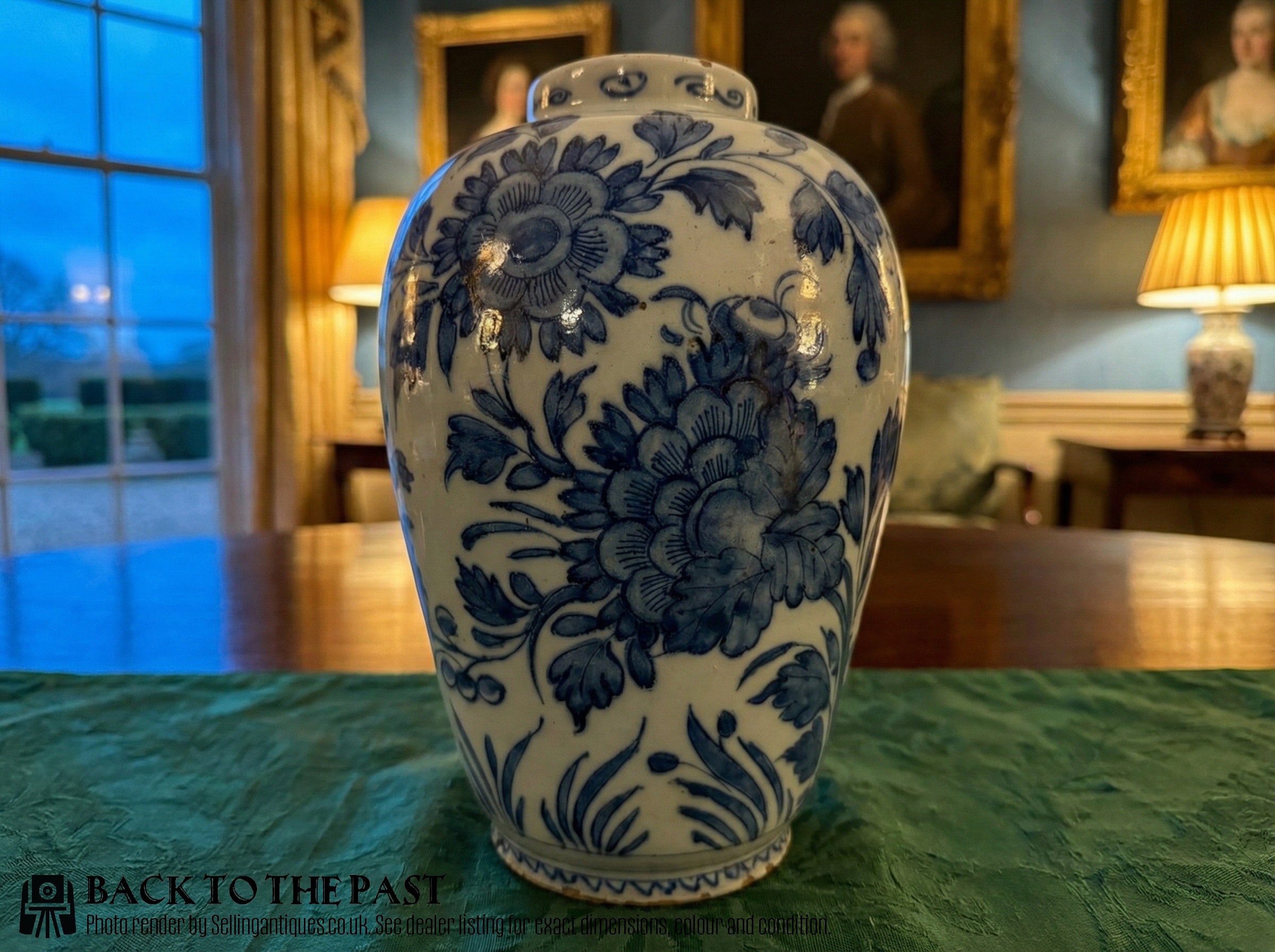
- A vase form with a rounded body that tapers toward the base and swells near the middle. This classic shape provides stability and ample surface area for cobalt decoration.
- Tin-Glaze Earthenware
- Pottery fired with a glaze containing tin oxide to produce an opaque white surface. It serves as the canvas for painted blue designs in European delftware.
- Cobalt Glaze
- A metallic colourant applied to ceramics before firing to achieve deep blue tones under high heat. It remains stable at high temperatures, making it ideal for porcelain.
- Kamcheng
- A traditional covered ceramic jar originating from overseas Chinese kilns. These vessels often feature distinctive handles and vibrant underglaze blue motifs.
- Clobbered
- A ceramic piece decorated in Europe by adding secondary enamel colours and gilding over an earlier blue and white glaze. This technique creates a dense, layered visual effect.
Frequently Asked Questions
How do I date a ginger jar?
Dating relies on examining the ceramic body, glaze characteristics, and potting style. Chinese export pieces often display specific reign marks or stylistic traits typical of the Qing Dynasty.
European delftware versions show different paste compositions and tin-glaze textures compared to Asian porcelain. Comparing these physical traits with documented examples helps narrow the period of production.
Are all ginger jars made of porcelain?
Not all ginger jars are constructed from porcelain. While many Chinese examples utilise fine porcelain, others are formed from denser ceramics or earthenware.
European interpretations, particularly Dutch delftware, typically employ tin-glazed earthenware rather than true porcelain. Each material alters the weight and appearance of the finished vessel.
Why do some jars have covers and others do not?
Many ginger jars were originally produced with matching lidded covers to protect their contents. Over centuries of handling, lids frequently became separated from the main body.
Finding a jar that retains its original matching cover is notable for completeness. Replacement lids often show slight variations in glaze or scale.
Where should I display a ginger jar at home?
These jars suit prominent display surfaces such as sideboards, mantels, or open shelving. Their bold blue and white patterns provide strong visual contrast against neutral backgrounds.
Positioning them away from direct sunlight helps protect the surface glazes over time. Pairing jars of varying heights creates a balanced arrangement.