
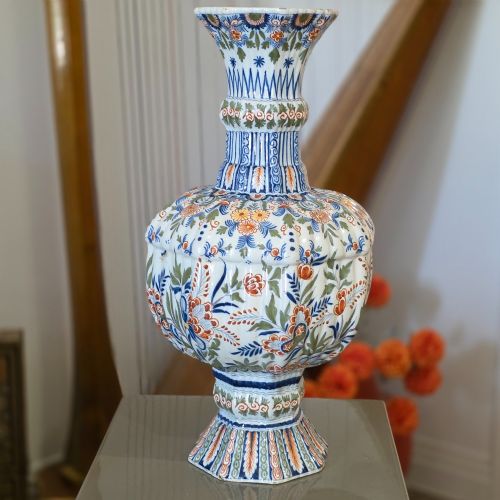
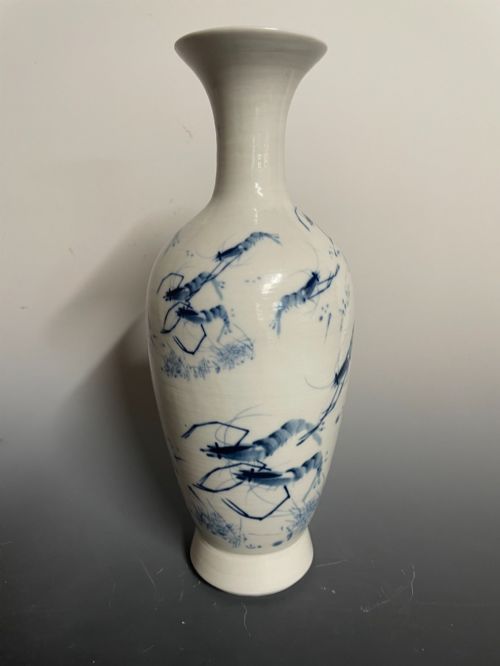
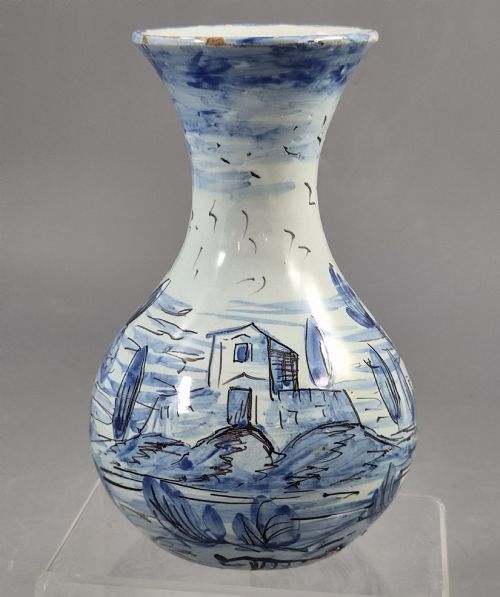
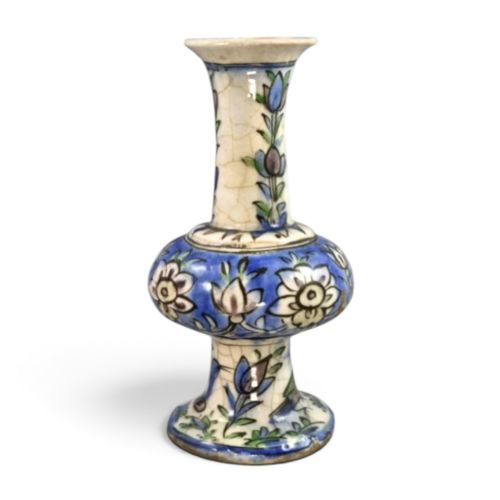
Blue White Ceramic Vase
A blue white ceramic vase brings cobalt and bright tin-glazes together in forms ranging from Dutch balusters to Chinese ginger jars.

Blue White Ceramic Vase
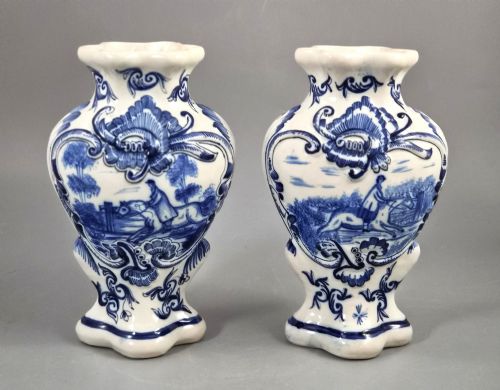
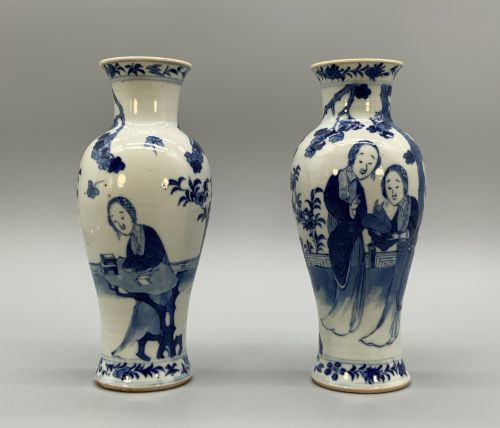
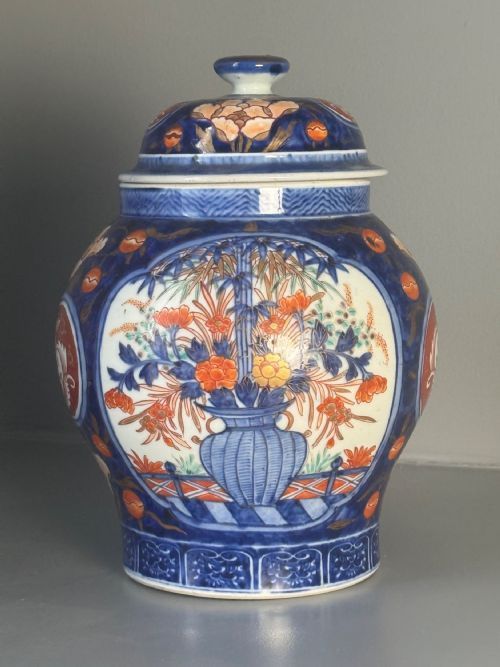
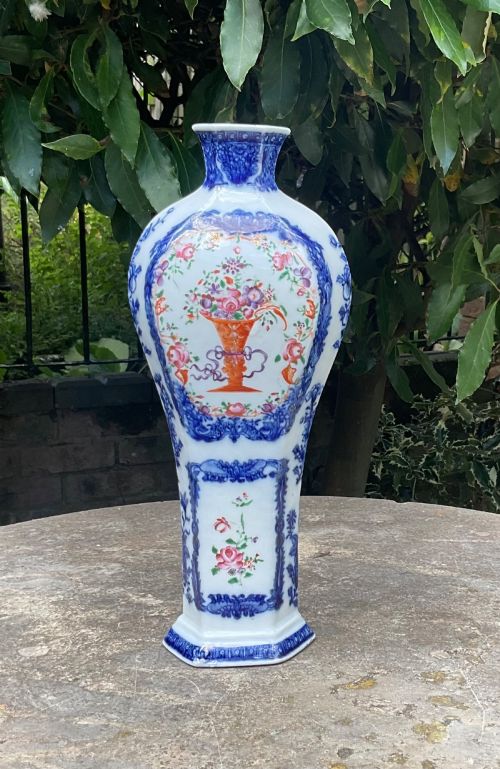
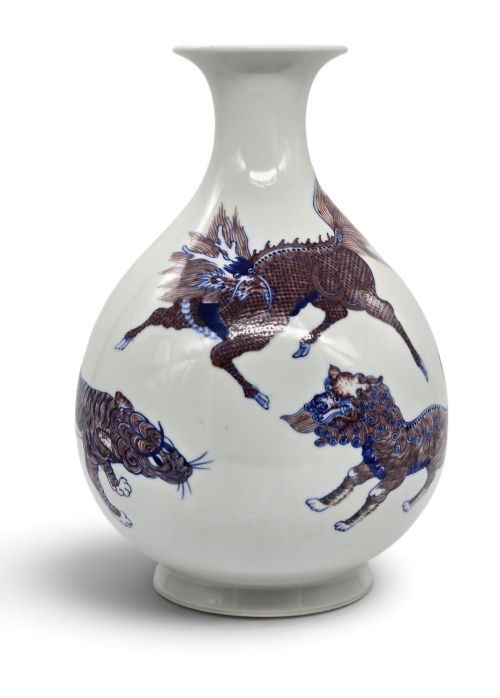
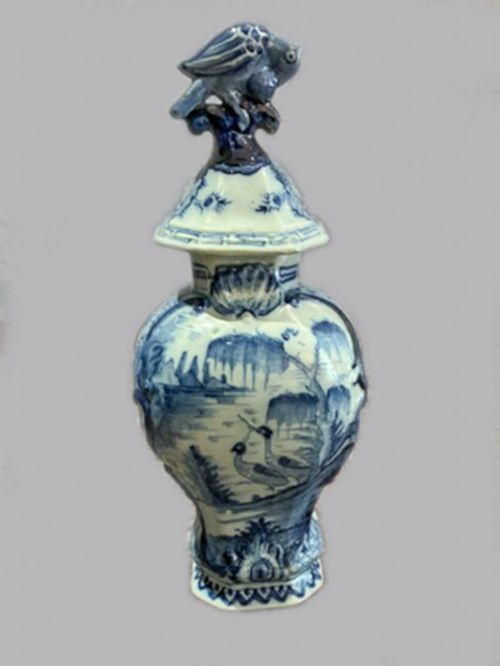
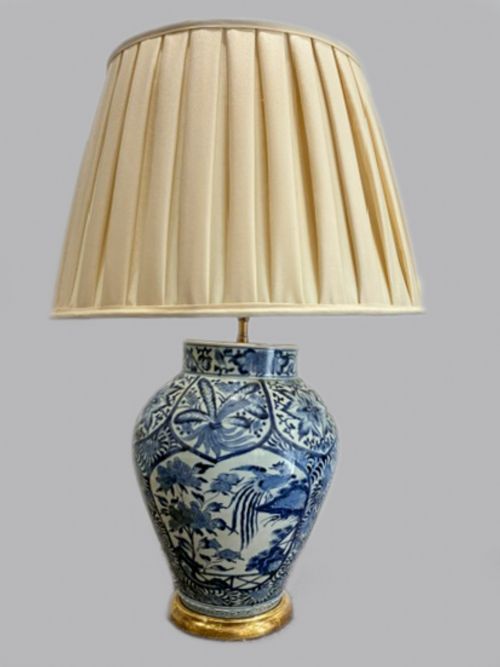
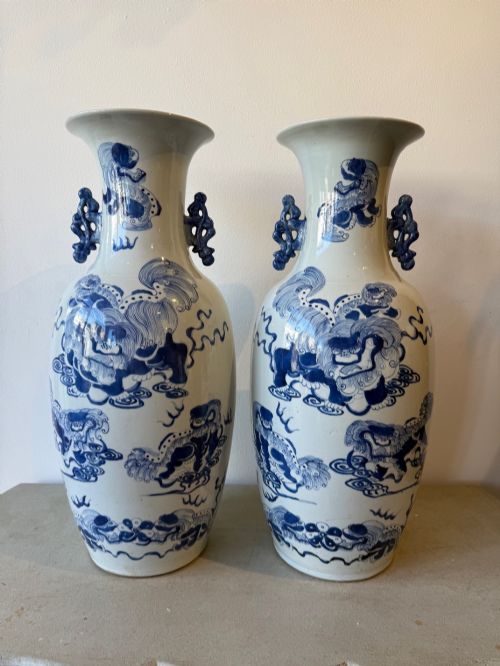
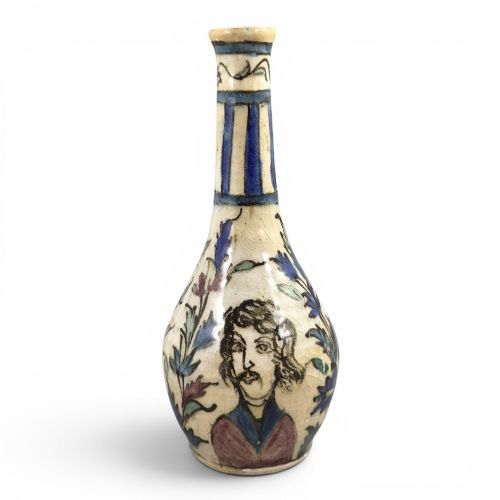
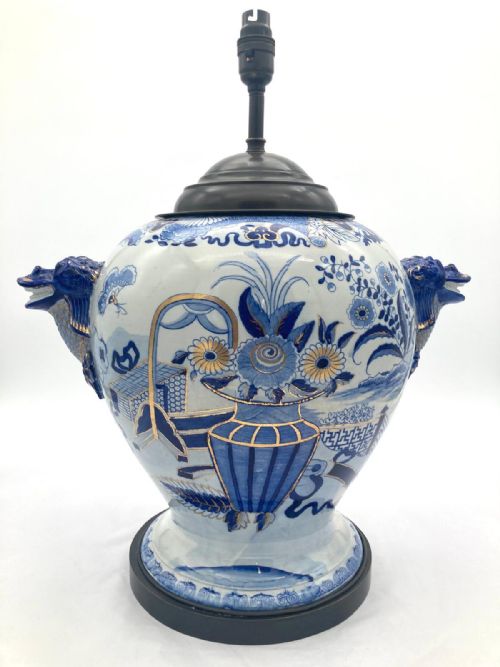
A blue white ceramic vase encompasses centuries of global ceramic production, originating primarily from Asian export kilns and European imitation potteries. Buyers encounter everything from tall baluster vessels and lidded garden jars to converted table lamps and apothecary vessels.
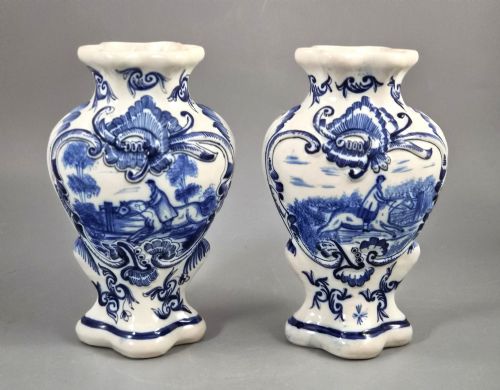
The selection on this page leans heavily toward nineteenth-century European faience, Dutch Delftware, and Chinese porcelain produced under Qing styles. Many examples display influences from Chinese export patterns, Japanese Imari, and Dutch Baroque design traditions.
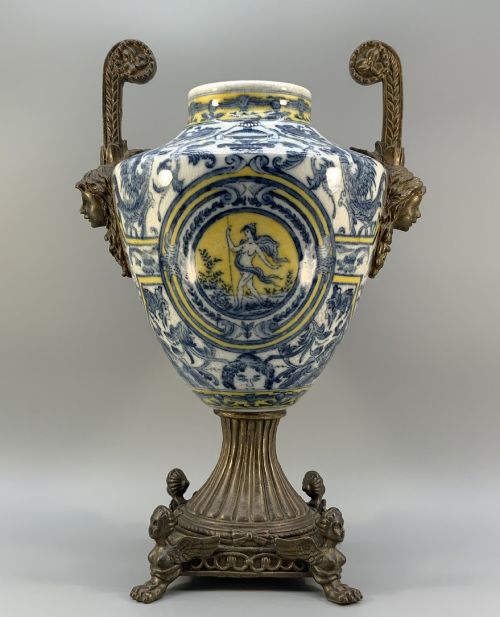
Forms vary from monumental floor urns down to cabinet-sized majolica pieces. Certain specimens arrive with original lids, while others bear later brass mounts or conversions for modern electrical wiring.
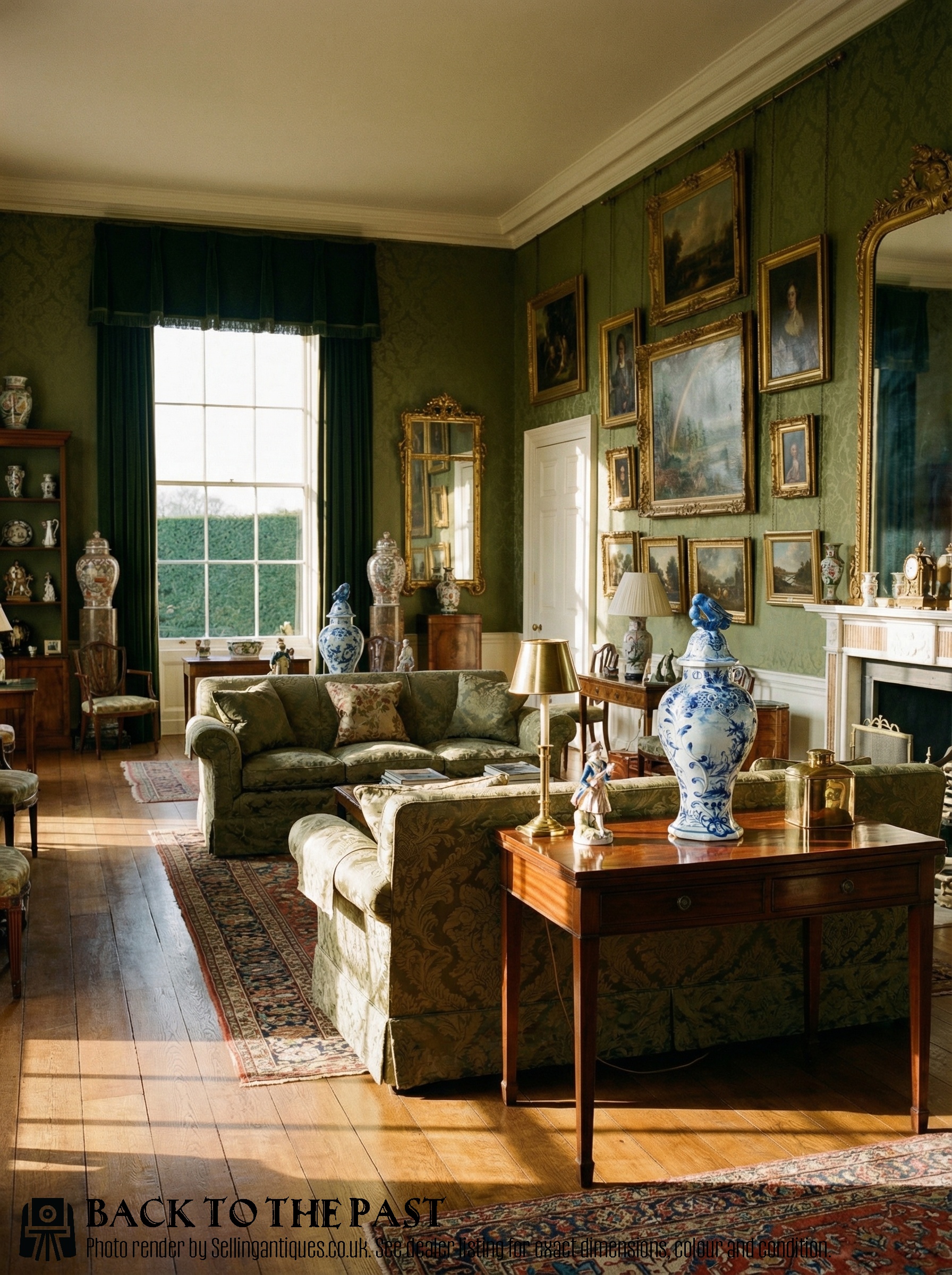
How they were made
Potters built these vessels using porcelain, earthenware, and tin-glazed bodies, applying cobalt blue pigments directly beneath or over opaque white glazes. Artisans often utilised copper-red highlights or enamel additions before firing the ceramics in high-temperature kilns.
European workshops in places like France, Italy, and England employed faience, ironstone, and jasperware techniques to replicate or reinterpret Eastern motifs. Many pieces incorporate hand-painted figural scenes, floral panels, and botanical borders executed with fine brushwork.
Blue White Ceramic Vase Retail Price Guide 2026
Typical asking prices for blue white ceramic vase among the pieces listed under this phrase on Sellingantiques today, from the lower quarter to the upper quarter. They describe what is for sale here now, not the wider market.
Several centuries ago, European households repurposed ancient wine jars and apothecary vessels as decorative centrepieces, establishing a long tradition of creative ceramic reuse.
What varies in quality
Quality rests upon the crispness of the underglaze painting, the depth of the cobalt hue, and the purity of the white ceramic ground. Superior examples exhibit deliberate control over brushstrokes and well-defined figural or botanical details without blurring.
The sophistication of the potting and the stability of the glaze define the tier of the piece, alongside the presence of maker marks, seals, or original bronze mounts. Later mass-produced wares lack the nuance of hand-potted nineteenth-century and eighteenth-century items.

Cantagalli·Fourmaintraux Courquin·Hicks and Meigh·William Adams And Sons·Wedgwood·Spode
The Blue White Ceramic Vase Glossary
- Delftware
- Tin-glazed earthenware produced in the Netherlands, particularly in Delft, known for white surfaces painted with blue motifs. This tradition imitates imported Chinese porcelain.
- Faience
- European tin-glazed earthenware developed across France, Italy, and other regions. Makers decorated the absorbent white glaze with pigments before a final kiln firing.
- Baluster
- A vase form characterised by a swollen lower body that tapers toward a narrow neck. This balanced shape appears frequently in Chinese and European porcelain.
- Jasperware
- A type of fine stoneware pioneered by English potteries, featuring coloured bodies with applied white stoneware reliefs. It gained popularity during the nineteenth century.
Blue White Ceramic Vase: Frequently Asked Questions
How do I spot eighteenth century delft?
Examine the glaze texture and foot rim for signs of genuine age, such as fritting and minor glaze abrasions. Eighteenth century pieces typically show characteristic thinning of the white tin-glaze over sharp edges.
Look closely at the cobalt painting style, which relies on freehand brushwork rather than transfer printing. The palette should show tonal variations within the blue pigment rather than a uniform flat hue.
Can these vases hold water safely?
Many older ceramic vessels, particularly porous earthenware and tin-glazed pieces like Delftware, develop hairline fissures over centuries. Using them for fresh flowers risks moisture seepage that can damage the antique body.
Consider placing a discreet glass or plastic liner inside the vessel if you intend to display cut stems. For converted lamp bases, avoid liquid entirely to protect internal wiring.
What is the difference between porcelain and faience?
Porcelain is a hard, vitrified ceramic fired at extremely high temperatures until the body becomes non-porous and translucent. It resists scratching and rings when gently tapped.
Faience is an earthenware body covered in an opaque white tin-glaze to hide the darker clay underneath. It has a softer, heavier feel and chips more readily than true porcelain.