



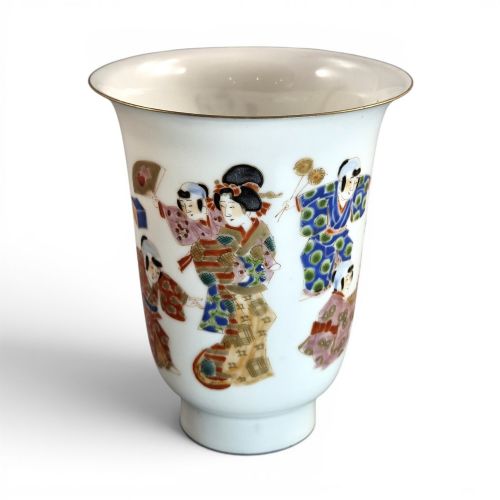
19th Century Japanese Porcelain
19th century japanese porcelain unites the rich palette of Imari chargers and Kutani vases with the fine forms collectors prize.
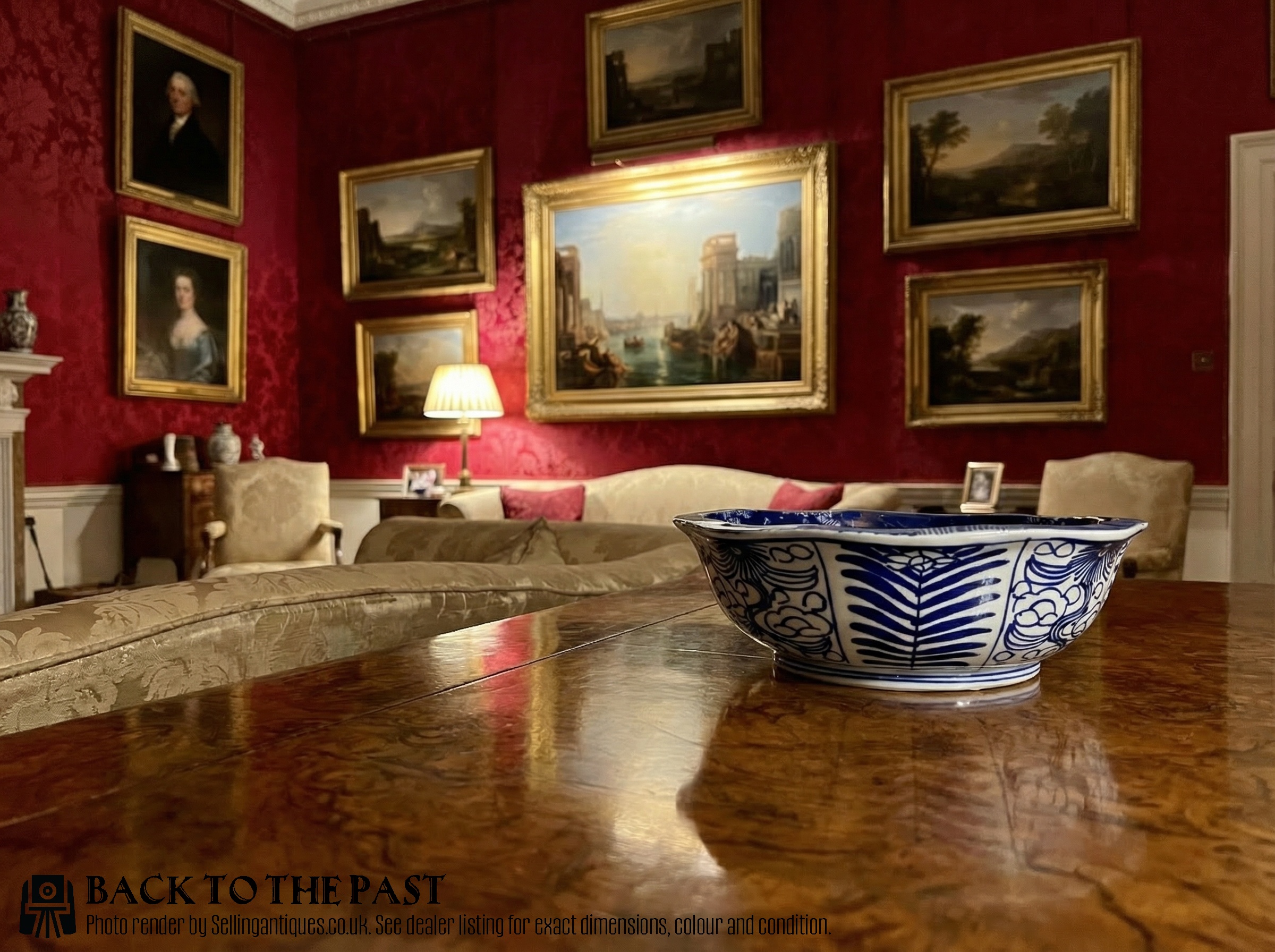
19th Century Japanese Porcelain
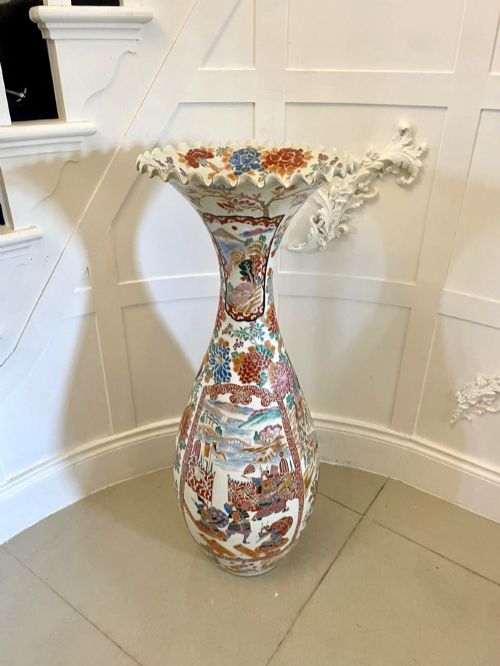
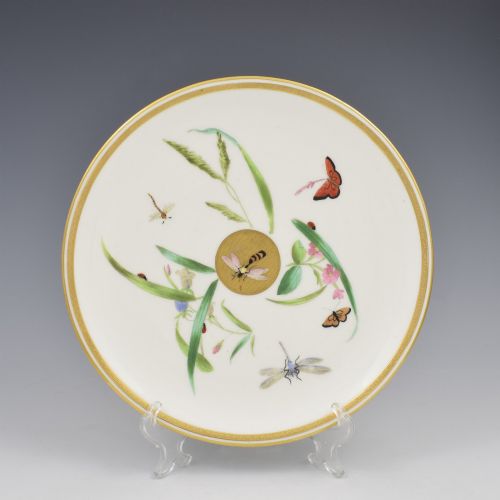
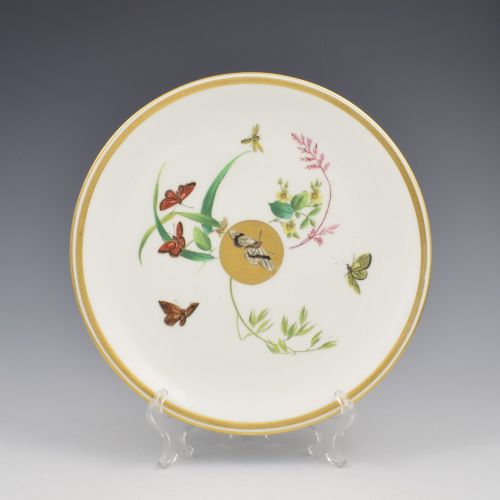
Buyers seeking 19th century japanese porcelain encounter a diverse array of decorative objects, ranging from massive floor-standing vases and wall chargers to delicate ginger jars and cabinet plates. The selection reflects the opening of trade during the Meiji period alongside earlier export traditions, presenting distinctive regional wares.
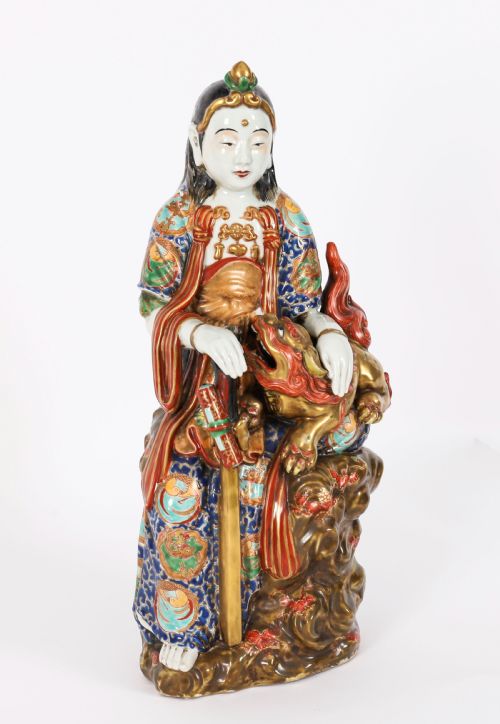
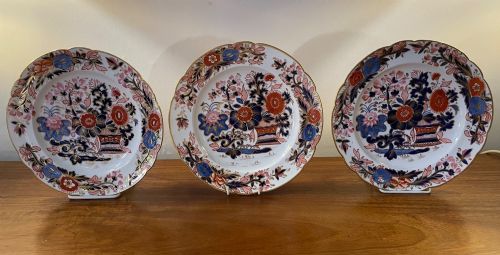
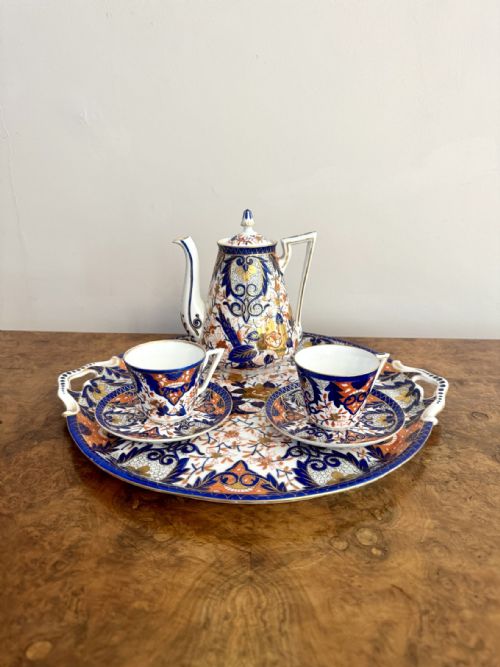
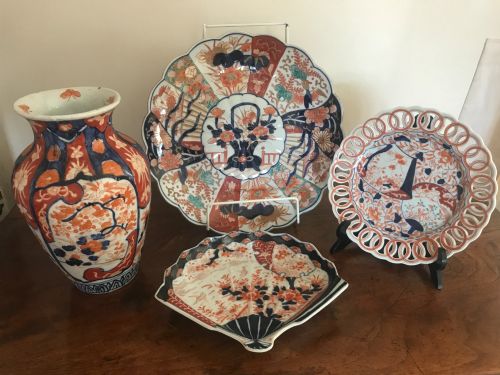
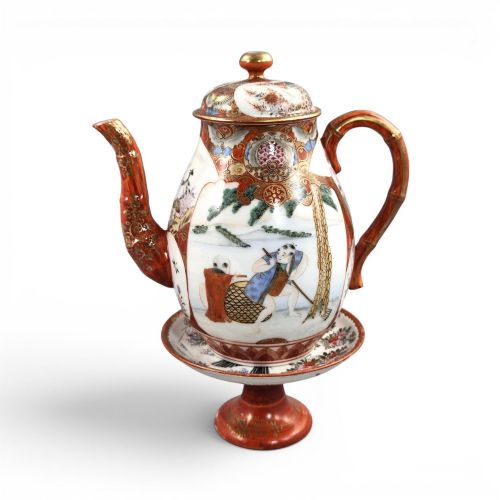
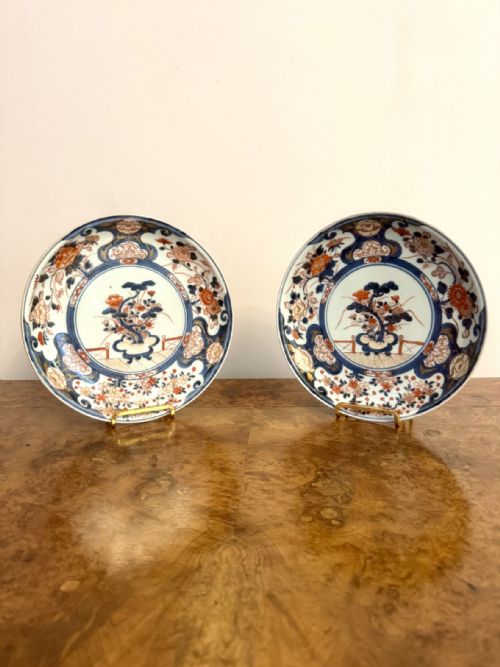
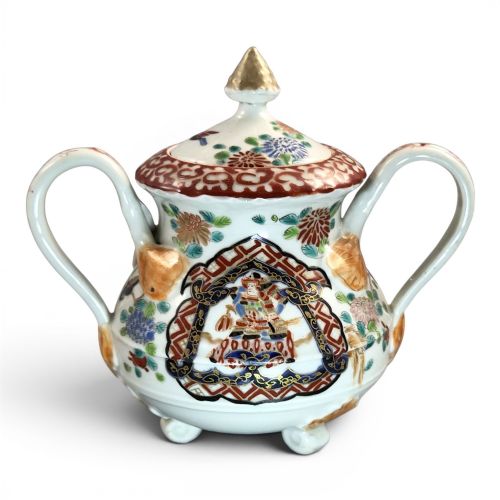
Japanese Imari pieces dominate the offerings, identifiable by their iron red, underglaze blue, and gilt highlights across plates, bowls, and lidded vessels. Alongside these sit Kutani and Satsuma wares, bringing pictorial scenes and intricate enamel work to the domestic interior.

Materials and Technique
The objects combine hard-paste porcelain and earthenware bodies with mineral glazes, relying on high-temperature kilns to set the translucent base. Artisans then applied underglaze cobalt blue before subjecting the pieces to secondary low-temperature firings for overglaze enamels.
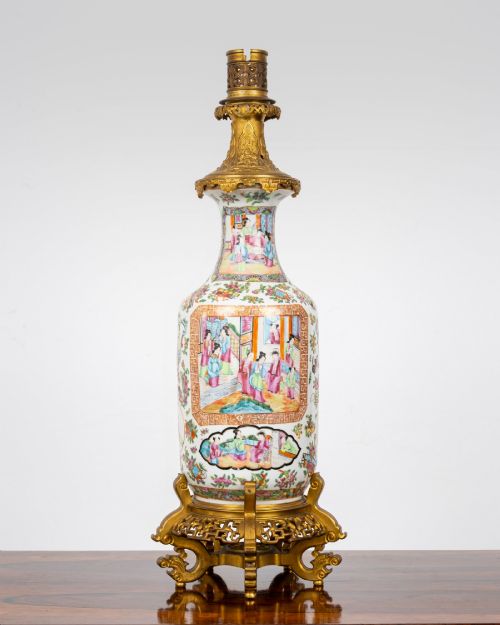
Makers integrated gold leaf and heavy gilt details to catch the light, often pairing the ceramics with carved wood stands, lacquer elements, or gilt-bronze mounts. Eggshell porcelain variants demonstrate exceptional thinness while maintaining structural integrity through precise throwing and moulding.
19th Century Japanese Porcelain Retail Price Guide 2026
Typical asking prices for 19th century japanese porcelain among the pieces listed under this phrase on Sellingantiques today, from the lower quarter to the upper quarter. They describe what is for sale here now, not the wider market.
Listings feature porcelain, enamel, gold leaf, and glaze applied to forms including vases, chargers, ginger jars, and table lamps.
Distinctions in Quality
The upper tier of these wares is defined by the crispness of the underglaze cobalt and the precision of the overglaze enamel painting. Master hands executed figural processions, flora, and geometric borders with meticulous brushwork that remains sharp and vibrant.
Substantial scale combined with good proportion separates ordinary production pieces from monumental floor vases and large chargers intended for exhibition. The integration of signed bases, specialised marks, and secondary mounts further distinguishes superior examples.
The 19th Century Japanese Porcelain Glossary
- Imari
- A style of Japanese porcelain featuring a distinct palette of underglaze blue, iron red, and gilt. It originated in Arita and became immensely popular for export.
- Kutani
- A style of Japanese ceramic noted for its bold coloured enamels, often featuring greens, yellows, purples, and reds in intricate pictorial designs.
- Meiji Period
- The era in Japanese history spanning from 1868 to 1912, characterised by industrial modernization and the flourishing of decorative arts for international markets.
- Charger
- A large decorative plate intended for display on a wall or sideboard rather than for dining use.
- Ginger Jar
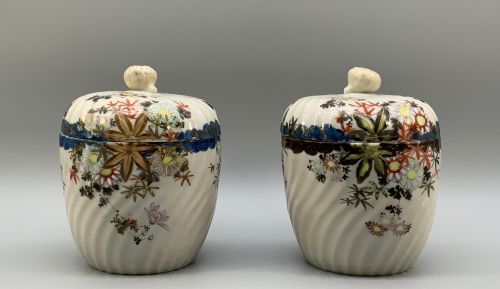
- A globular storage vessel with a wide mouth and fitted lid, originally used for spices but widely produced as an ornamental form.
19th Century Japanese Porcelain: Frequently Asked Questions
What is Japanese Imari porcelain?
Japanese Imari porcelain is a brightly decorated ceramic style characterised by cobalt blue underglaze and iron-red and gilt overglaze decoration. These pieces were primarily produced in the town of Arita for both domestic use and Western export during the Edo and Meiji periods.
Collectors encounter Imari on plates, chargers, ginger jars, and large floor vases. The palette creates a rich, patterned surface that remains one of the most recognizable identifiers of nineteenth-century export wares.
What is eggshell porcelain?
Eggshell porcelain refers to exceptionally thin, translucent ceramic vessels produced in Japan during the nineteenth century. Despite its delicate appearance, the material possesses remarkable strength due to the purity of the clay and precise firing techniques.
These pieces, such as specialised vases and cups, require advanced throwing skills to achieve uniform thinness without distortion. They represent technical mastery by kilns seeking to push the limits of the medium.
How were these porcelain pieces used?
Nineteenth-century Japanese ceramics served primarily as ornamental display pieces in Western drawing rooms and parlours rather than functional tableware. Large chargers were mounted on walls or displayed on stands, while monumental vases anchored room corners.
Smaller vessels like lidded jars and wine cups functioned as cabinet pieces or mantle ornaments. Their importation coincided with the Aesthetic Movement, influencing European interior design and domestic taste.