


Antique Asian Pottery
These antique asian pottery items are hand-finished decorative vessels and tableware sought after for their traditional Japanese ceramic artistry.

What antique asian pottery pieces are
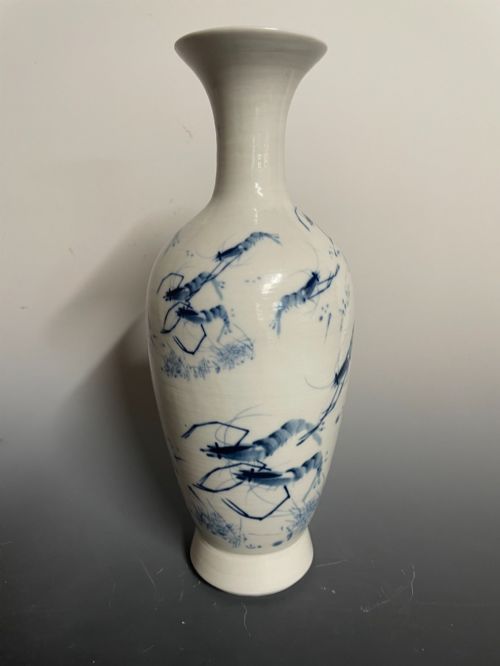
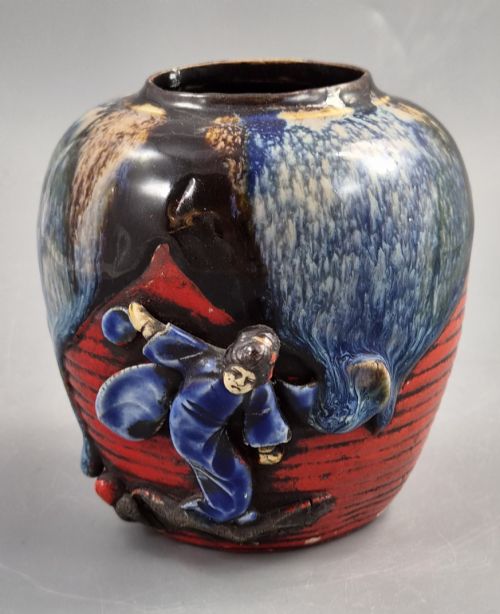
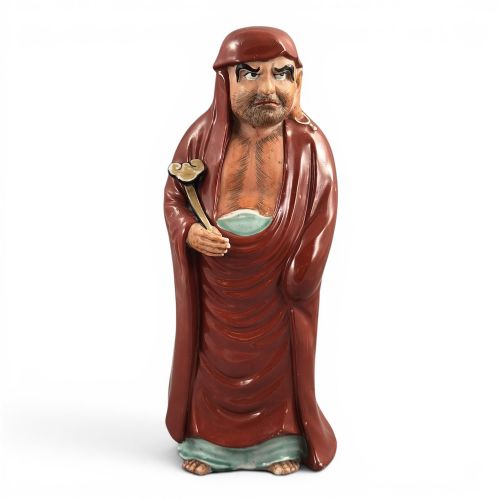
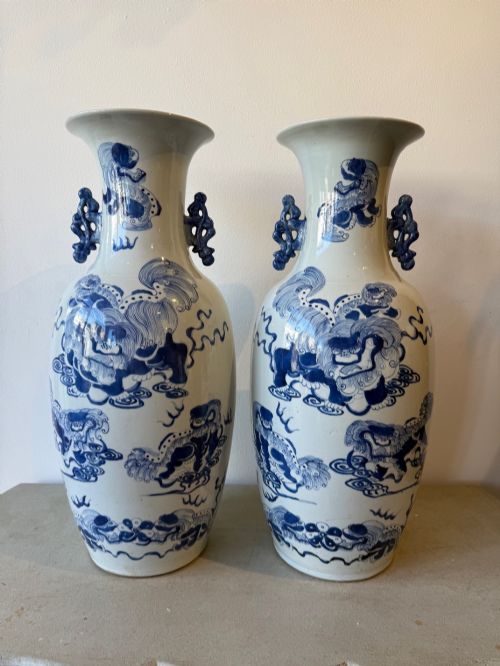
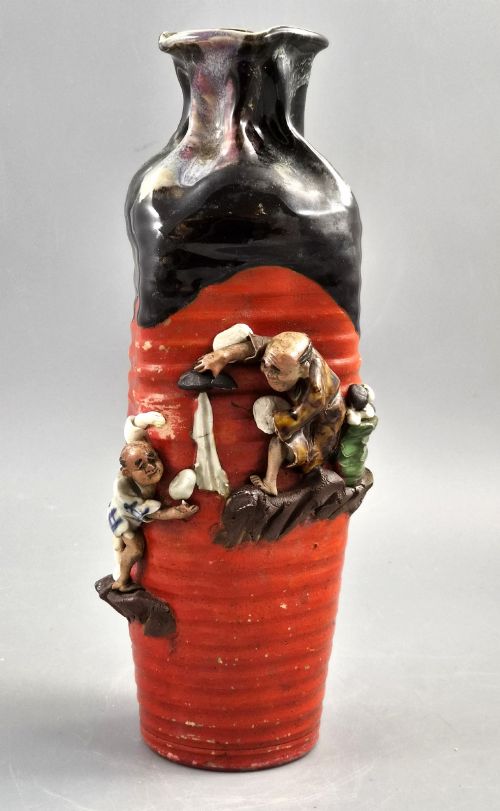
When you search for antique asian pottery, you are looking at decorative and functional Japanese ceramics ranging from vases and decorative bowls to tea sets and decorative plates. These pieces originate from distinct historical periods including the Meiji period, Taisho period, and the 19th century.
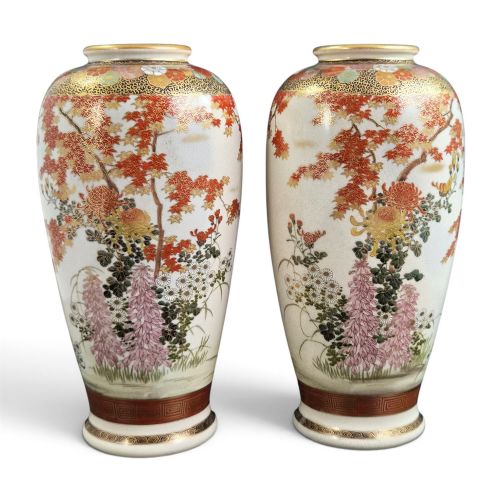
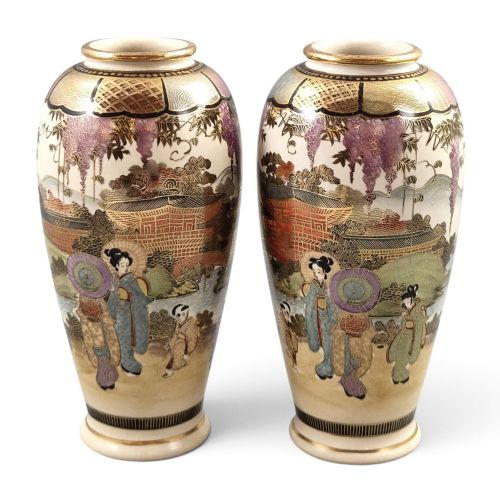
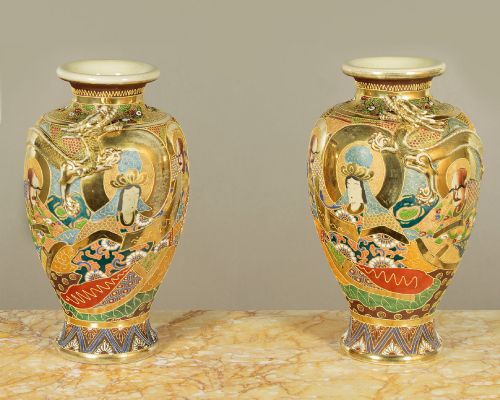
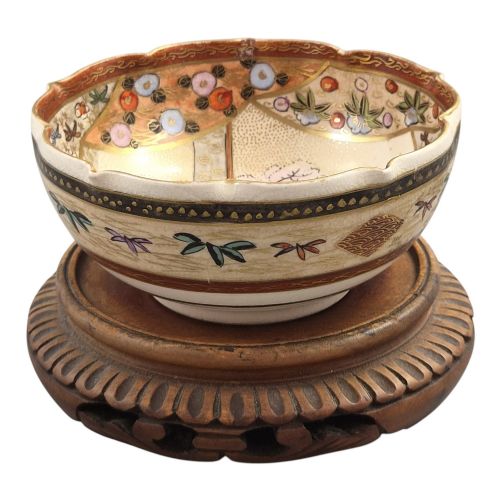
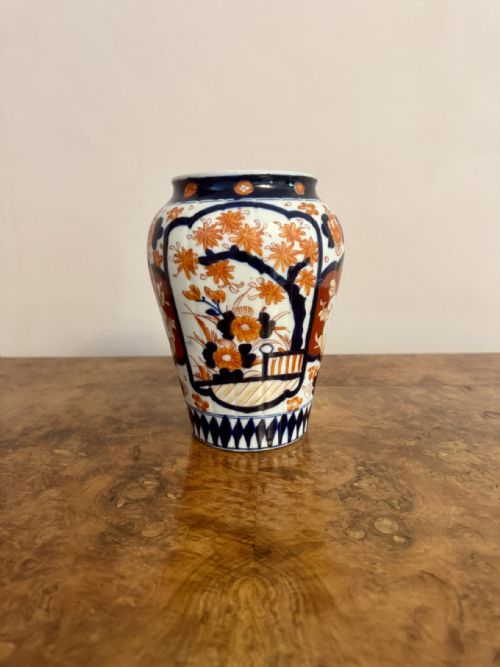
The most common items you are likely to meet on this page are Japanese vases and bowls finished in traditional styles like Satsuma and Imari. These forms reflect the decorative arts of late nineteenth and early twentieth century Japan.
Materials and construction
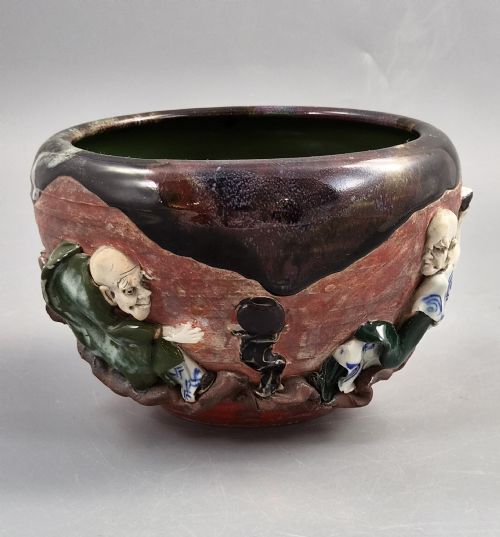
These items are fashioned from earthenware and porcelain, utilising specialised glazes and enamel decoration. Selected pieces incorporate applied gold leaf and wood elements to complete the finish.
Makers shaped clay into structural forms such as polygon vases, tea sets, and large decorative bowls before firing and applying intricate surface painting and glaze.
Retail Price Guide 2026
Typical UK retail prices for asian pottery, calculated from the Sellingantiques database of over a million retail prices indexed since 2003. This retail price guide relies exclusively on Sellingantiques data; no external sources or auction records are used, so the figures do not describe the wider market.
Materials documented across the pieces include earthenware, porcelain, enamel, gold leaf, glaze, and wood.
What separates standard pieces from the finest work
Quality in these ceramics is distinguished by the precision of the hand-painted enamel work and the complexity of the glaze composition. Finer examples display meticulous brushwork and detailed figurative or floral scenes.
Artistic execution by recorded makers such as Inoue Ryosai and Taniguchi elevates specific pieces through superior modelling and compositional balance.
Inoue Ryosai·Taniguchi
The Antique Asian Pottery Glossary
- Satsuma
- A type of Japanese earthenware featuring a crackle-glaze finish and intricate enamel and gilt decoration. It became widely produced for export during the Meiji period.
- Imari
- A traditional style of Japanese porcelain characterised by a palette of underglaze blue, iron red, and gold. These dishes and vessels were historically exported through the port of Imari.
- Meiji Period
- The era of Japanese history lasting from 1868 to 1912, noted for a flourishing of decorative arts designed for international markets.
- Taisho Period
- The period spanning from 1912 to 1926 in Japan, following the Meiji era and continuing traditional ceramic production methods.
- Enamel
- A decorative vitreous composition fused to the surface of ceramic objects through firing to add colour and pattern.
Frequently Asked Questions
What periods do these pieces come from?
The items originate from the 19th century, the Victorian era, the Meiji period, and the Taisho period.
These dates span from the late nineteenth century into the early decades of the twentieth century.
What materials were used?
Makers utilised earthenware, porcelain, glaze, enamel, gold leaf, and wood.
These materials were combined to create decorated vases, bowls, dishes, and tea sets.
How do I identify Satsuma ware?
Satsuma pieces typically feature a characteristic crackle glaze beneath detailed enamel and gilt painting.
They often depict figures, sages, or dense floral patterns across earthenware bodies.
How were Imari dishes decorated?
Imari ceramics are recognised by their distinctive palette of underglaze blue, iron red, and gold.
This style was applied to plates and dishes created during the Meiji period.