



Edo Period Imari Ware
These pieces of edo period imari ware bring hand-painted Japanese porcelain into your home with bold colours and traditional patterns.

What edo period imari ware is
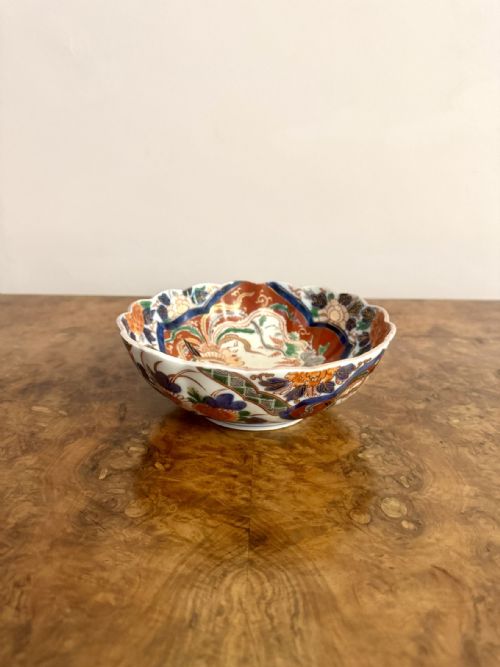
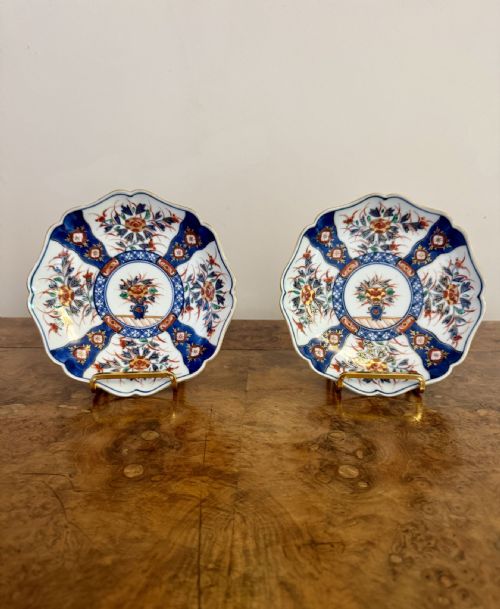
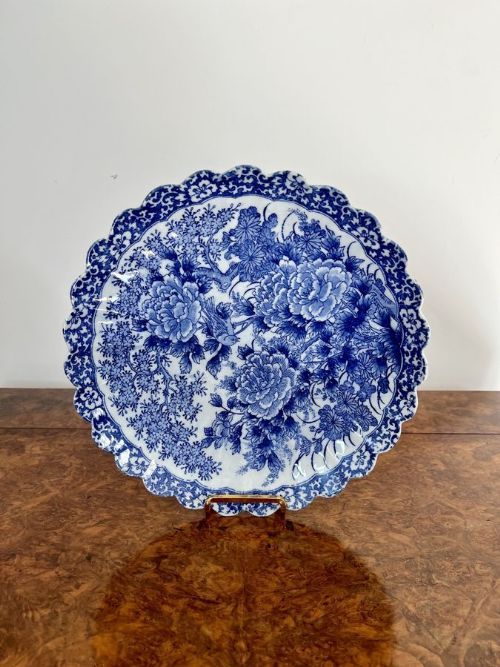
Edo period imari ware comprises decorative plates, vases, dishes, and bowls originating from Japan. These objects serve as decorative items, bringing traditional Japanese craftsmanship into a room.
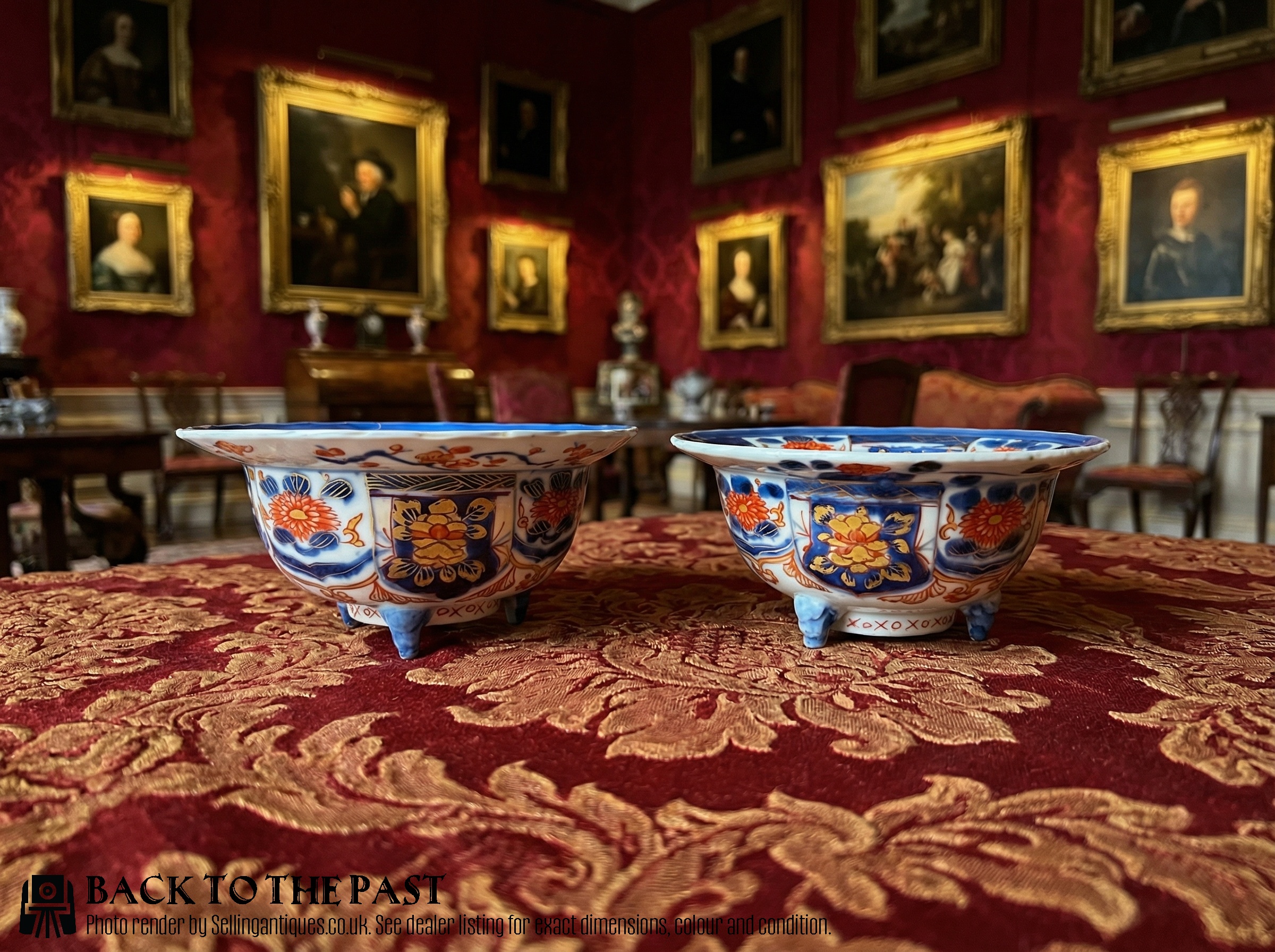
The versions most likely to be met on this page include porcelain vases, tripod bowls, fan-shaped plates, and various decorative dishes and plates. They span periods from around seventeen hundred to nineteen hundred, showing distinct stylistic roots in Arita and broader Japanese traditions.
How they were made
These items are constructed from porcelain, finished with glaze and detailed with enamel, gold leaf, gilt, and gilding. Artisans shape the ceramic body before applying protective glazes and rich surface decoration.
The decorative surfaces combine painted enamel pigments with metallic highlights of gold leaf and gilt, creating a contrast against the porcelain base. Kiln techniques from the period allow the glaze and enamel to fuse during firing.
Retail Price Guide 2026
Typical UK retail prices for edo period imari ware, calculated from the Sellingantiques database of over a million retail prices indexed since 2003. This retail price guide relies exclusively on Sellingantiques data; no external sources or auction records are used, so the figures do not describe the wider market.
Materials recorded across the inventory include enamel, glaze, gold leaf, gilt, and gilding applied to porcelain.
What varies in quality
The refinement of the painted enamel work and the precision of the gilding set higher examples apart from simpler pieces. Finer specimens display careful control of the brush and generous use of gold leaf.
Unusual forms, such as fan-shaped plates or tripod bowls, demonstrate greater ambition in shaping the porcelain. The consistency of the glaze and the clarity of the Japanese imari design distinguish the upper tier of the range.
The Edo Period Imari Ware Glossary
- Imari ware
- Japanese porcelain traditionally produced in the town of Arita and exported widely. It is known for its distinct colour palette.
- Edo Period
- A division of Japanese history running from sixteen hundred and three to eighteen hundred and sixty-eight. This era saw a flourishing of ceramic arts.
- Porcelain
- A ceramic material made by heating raw materials, generally including clay in the form of kaolin, in a kiln. It is valued for its strength and translucency.
- Tripod bowl
- A vessel supported by three feet. This form appears in early Japanese porcelain production.
- Gilding
- The decorative application of gold leaf or gilt to a solid surface. It adds metallic highlights to ceramic designs.
Frequently Asked Questions
How were these bowls used?
Tripod bowls and decorative dishes served primarily as ornamental objects rather than everyday tableware. Their painted surfaces were meant for display.
Their forms range from standard round bowls to specialised plates designed to showcase fine Japanese craftsmanship.
What materials make up the decoration?
The surface decoration relies on coloured enamel combined with gold leaf, gilt, and gilding. These are applied over a hard porcelain body.
Glaze seals the ceramic base and protects the painted details beneath.
How do I date these pieces?
Dating relies on stylistic markers associated with the Edo period and later nineteenth-century production. Forms like fan-shaped plates and tripod bowls provide clues.
Material composition and the specific characteristics of the Arita tradition also help place pieces within their historical context.