




Hand Painted Japanese Porcelain
Hand painted japanese porcelain brings centuries of skilled brushwork and rich glaze traditions directly into your home.
What they are
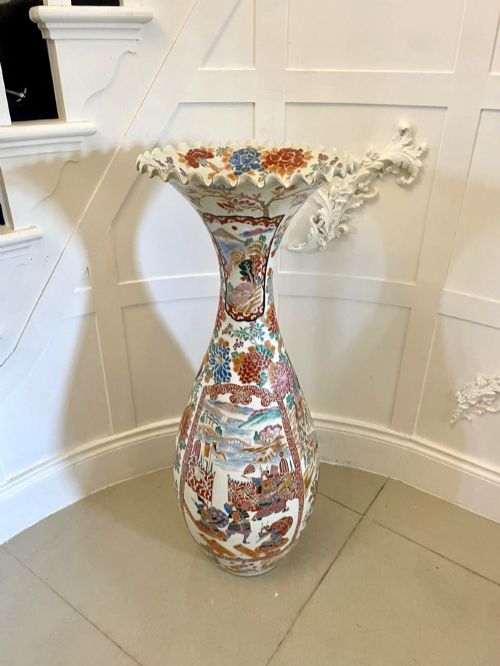
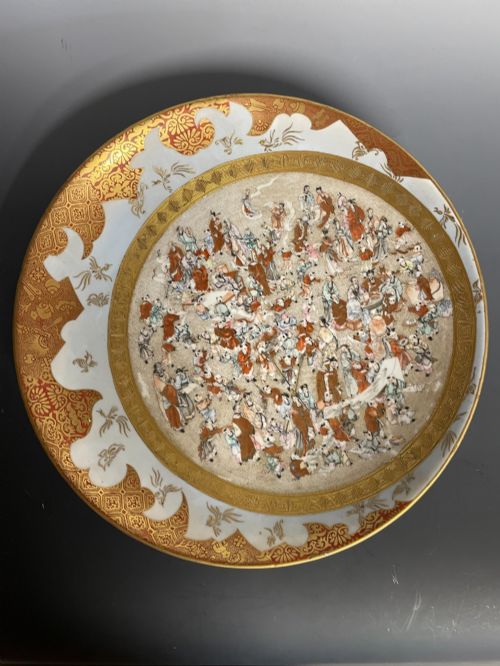
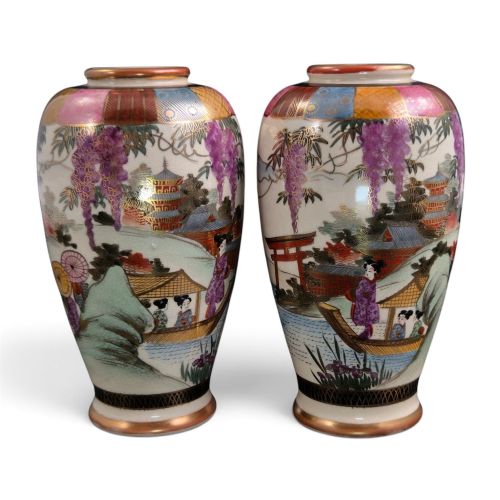
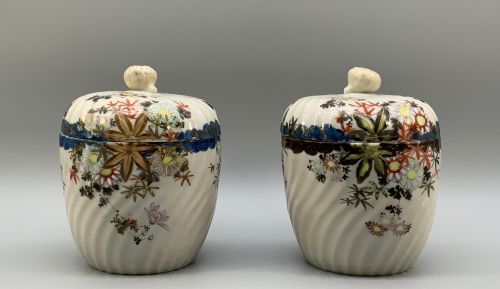
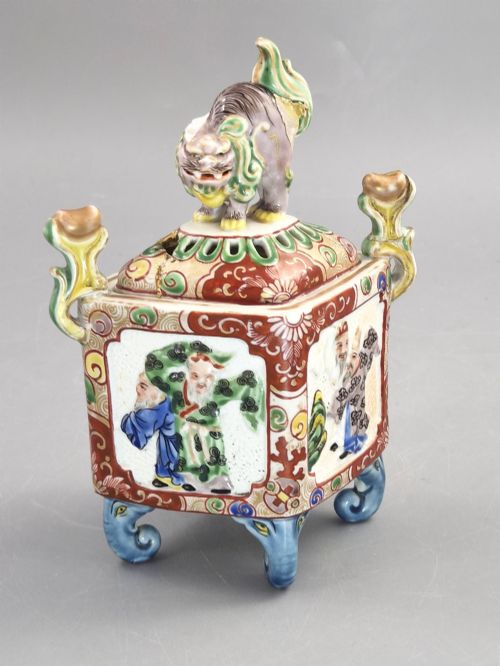
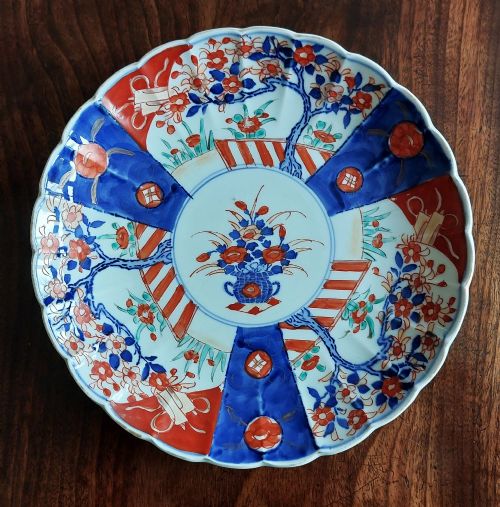
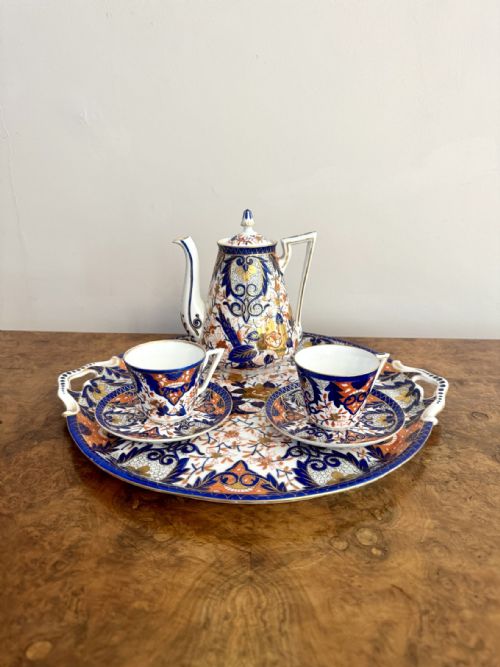
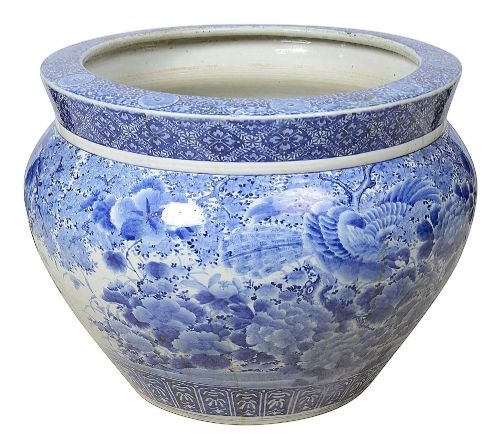
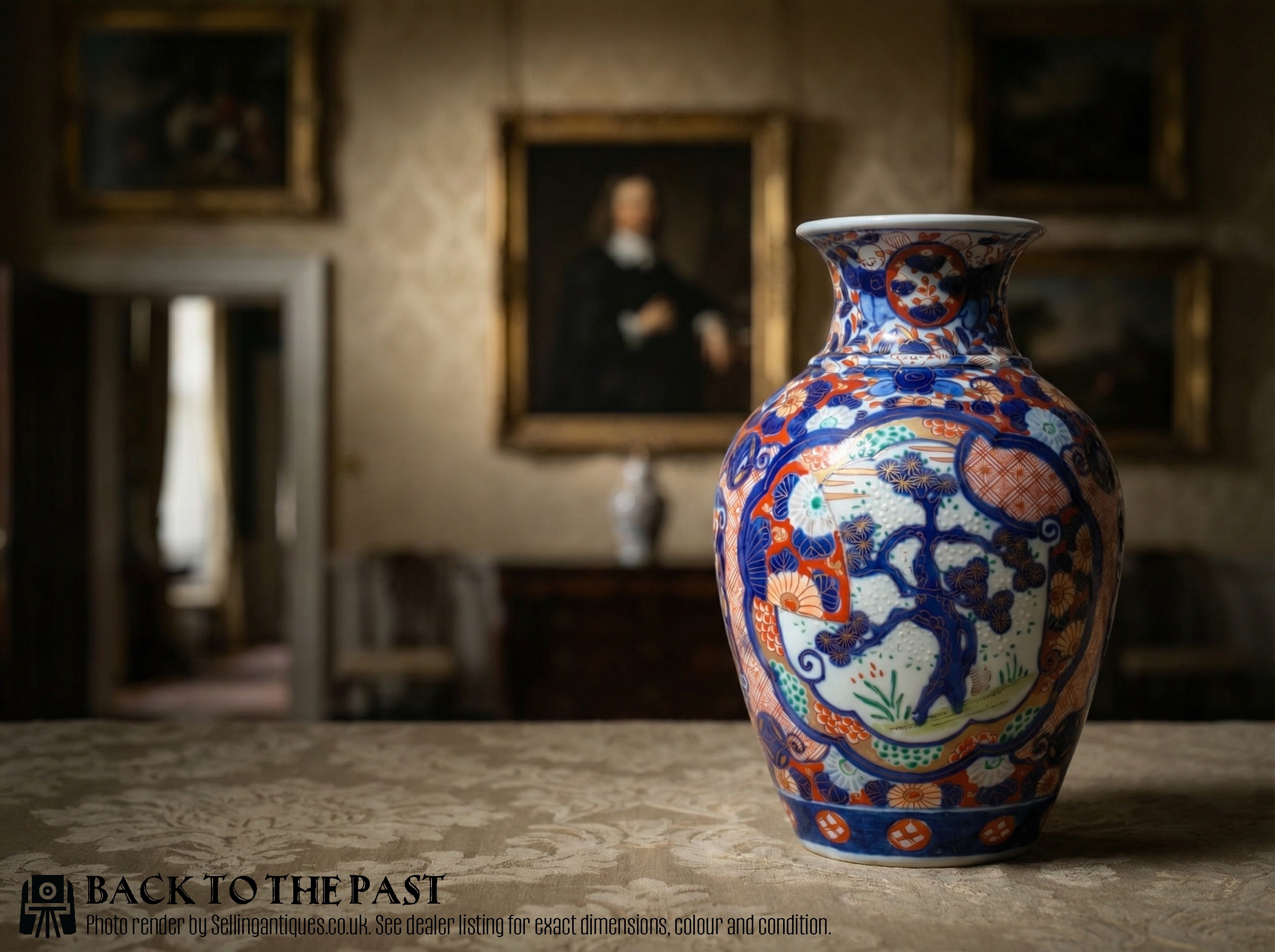
Hand painted japanese porcelain spans delicate plates, shaped vases, lidded jars and decorative bowls. The selections on this page feature examples from the Meiji period and around nineteen hundred, alongside earlier pieces recorded in the archive.
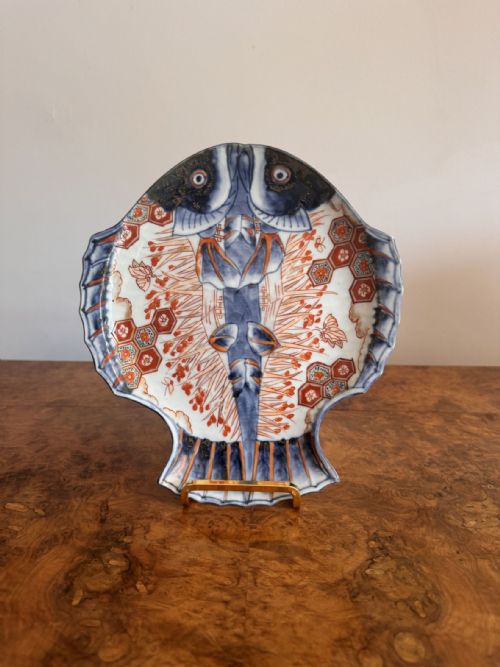
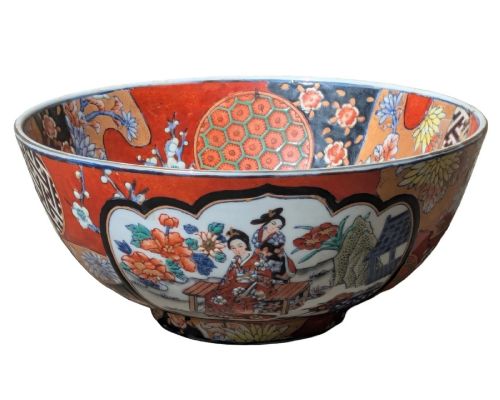
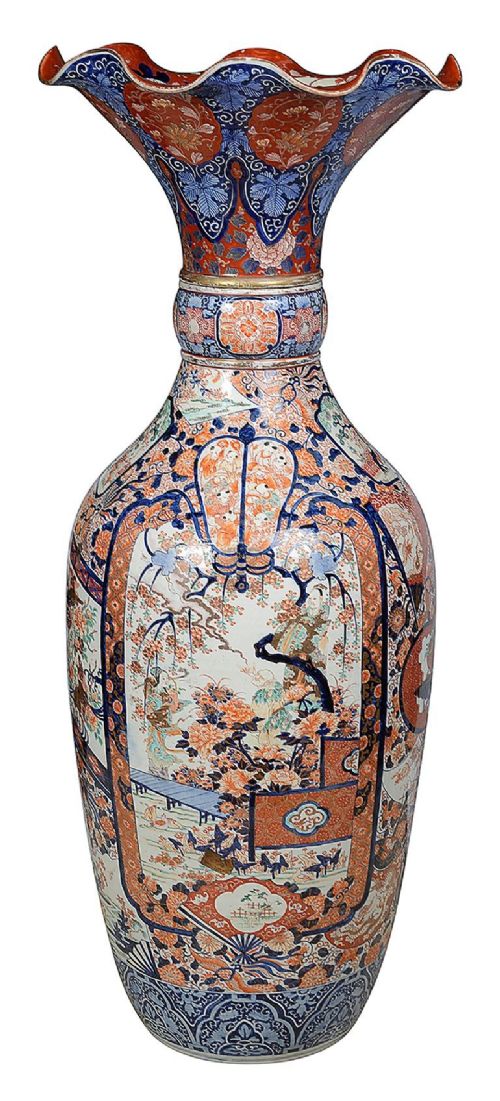
Buyers frequently encounter Japanese Imari wares characterised by deep blue and iron red ironwork designs. Pieces originating from the seventeen and eighteen hundreds, such as Kakiemon plates and writing boxes, appear alongside later nineteen hundred production.
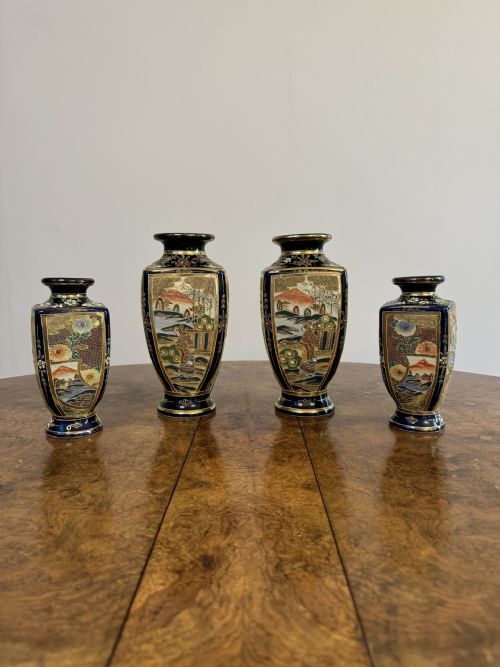
Forms vary from large pedestal vases and pairs of decorative vases to collections of decorative plates and bowls. Each object demonstrates traditional ceramic shaping combined with detailed hand painting.
How they were made
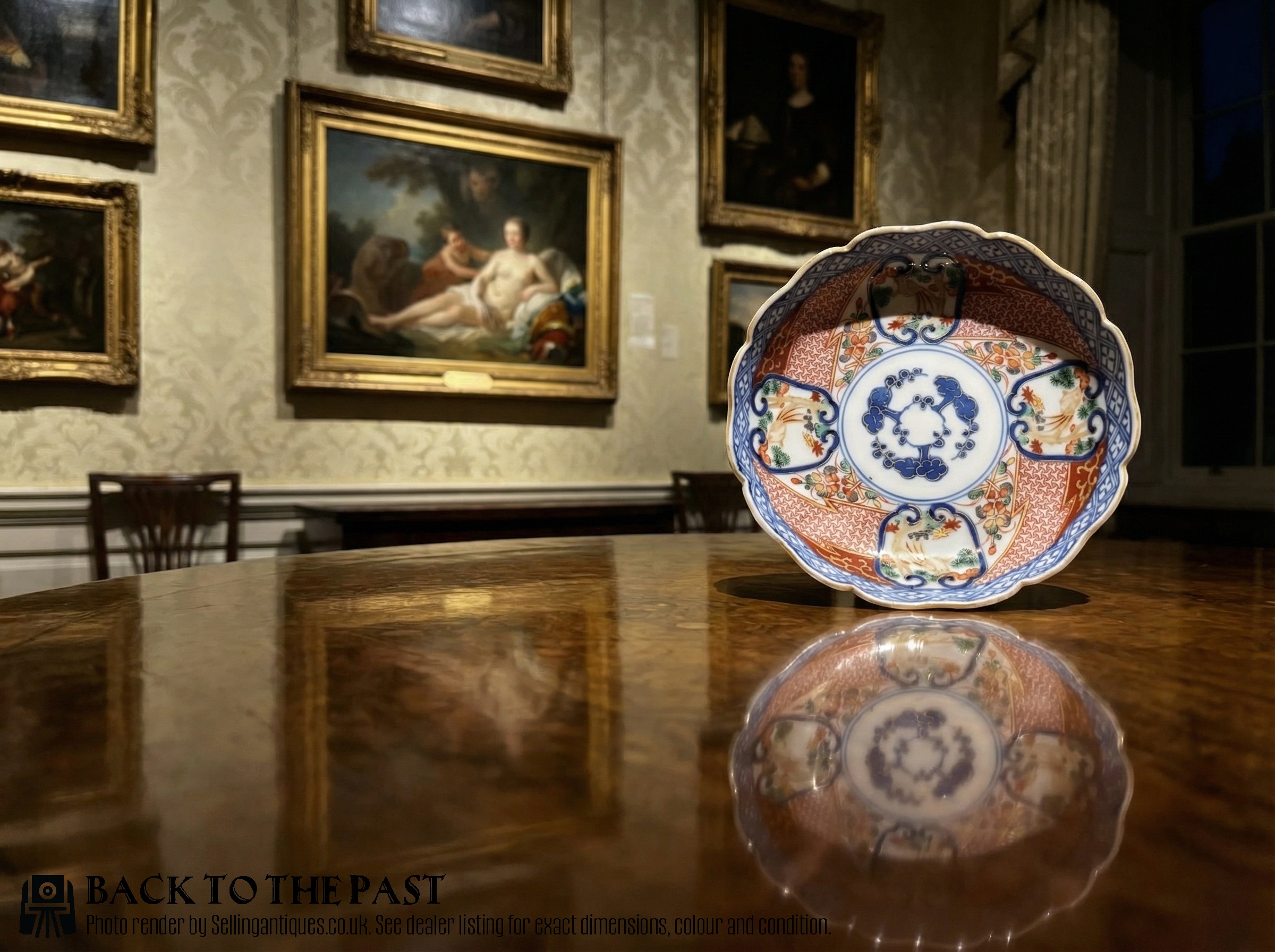
Potters shaped fine porcelain clay before applying initial underglaze pigments and firing the body. Artisans then added detailed hand painting using enamel colours, gold leaf and gilt highlights.
The combination of smooth glaze and layered enamel required precise control during multiple kiln firings. Skilled hands applied gold leaf and gilt details to accentuate the intricate patterns on vases and plates.
Retail Price Guide 2026
Typical UK retail prices for hand painted japanese porcelain, calculated from the Sellingantiques database of over a million retail prices indexed since 2003. This retail price guide relies exclusively on Sellingantiques data; no external sources or auction records are used, so the figures do not describe the wider market.
Listings and archive records show periods spanning from the seventeenth century through the Meiji period to nineteen hundred.
What varies in quality
The standard of hand painting dictates the visual strength of each piece, distinguishing hurried brushwork from meticulous decorative control. Finer examples display precise control over enamel pigments and gold leaf application.
Proportion and the crispness of the porcelain form separate standard production from superior decorative items. The richness of the glaze and the preservation of the gilt details complete the assessment of quality.
The Hand Painted Japanese Porcelain Glossary
- Imari
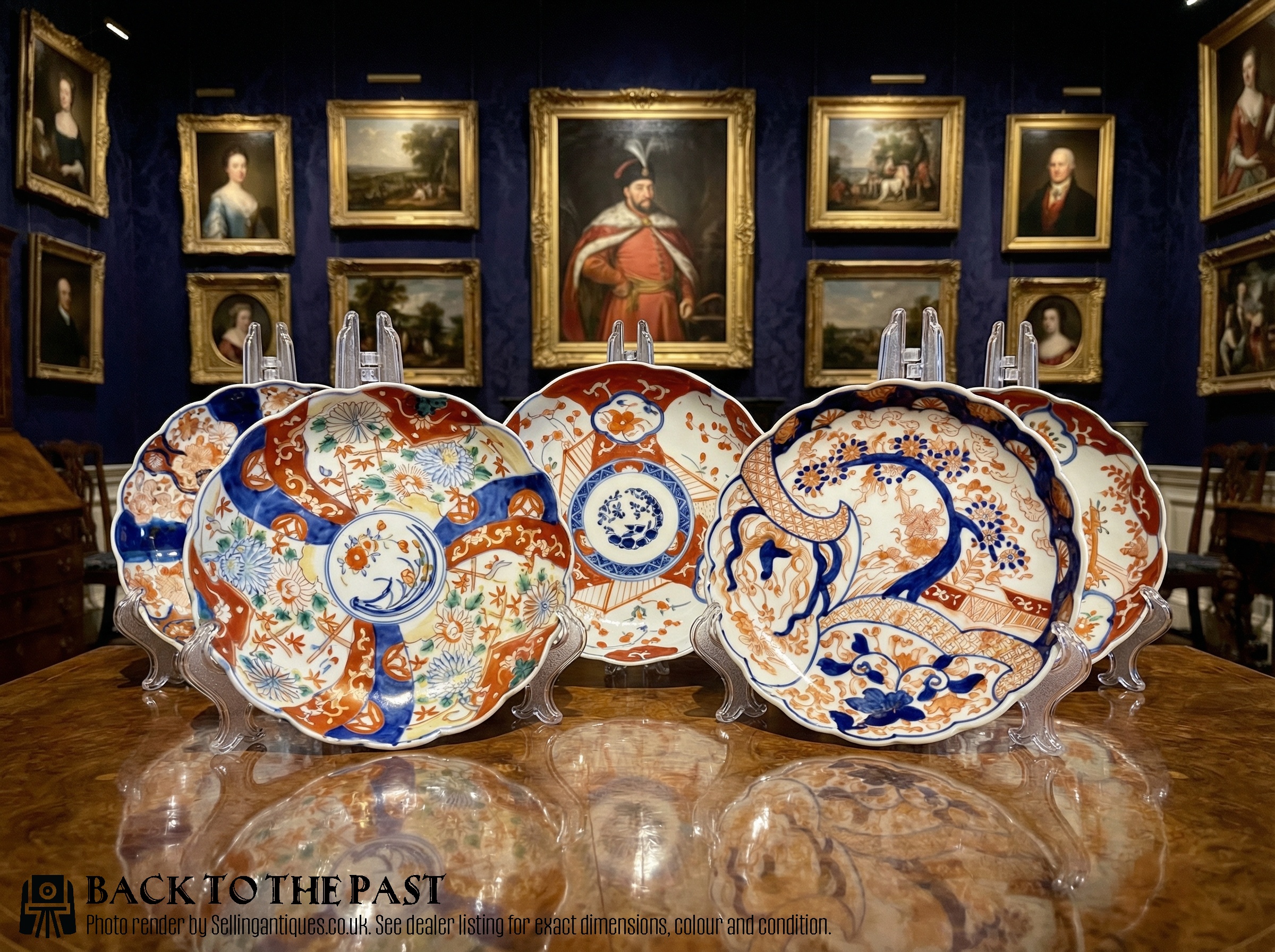
- A style of Japanese porcelain featuring distinctive blue, red and gold decoration. These patterns originated from kilns in Arita and gained international popularity.
- Meiji Period
- The era in Japanese history spanning from eighteen sixty-eight to nineteen twelve. Pieces from this time often exhibit exceptional decorative detail.
- Satsuma
- A type of Japanese earthenware or porcelain with a fine crackle glaze. Artisans often decorated these surfaces with elaborate enamel and gilt motifs.
- Kakiemon
- A style of Japanese enamelled porcelain known for asymmetrical designs and restrained palettes. This tradition influenced European ceramic factories extensively.
- Gilt
- A thin layer of gold applied to the surface of porcelain. It enhances the decorative appeal of vases and bowls.
Frequently Asked Questions
How do I care for antique porcelain?
Wash hand painted porcelain gently by hand using lukewarm water and mild soap. Avoid abrasive sponges that might damage the enamel and gold leaf.
Keep pieces away from direct sunlight to preserve the vibrancy of the hand painted colours over time.
How do I date these pieces?
Examine the base, the glaze characteristics and the painting style to determine the likely period of origin. Comparing the motifs with established Meiji period or earlier examples provides further clues.
Documentation and stylistic consistency with archive records help narrow down the decade of manufacture.
Where were these items displayed?
Large vases and lidded jars traditionally stood on mantelpieces or within prominent display cabinets. Decorative plates and bowls served both functional roles and aesthetic display purposes in interiors.
Collectors often arranged pairs of vases symmetrically to anchor the design of a room.
What defines Imari style?
Imari porcelain relies on a strong palette dominated by underglaze blue, iron red and supplementary gold. The designs typically combine floral motifs with intricate brocade patterns.
This aesthetic developed during the Edo period and remained popular through the Meiji era and into nineteen hundred.