



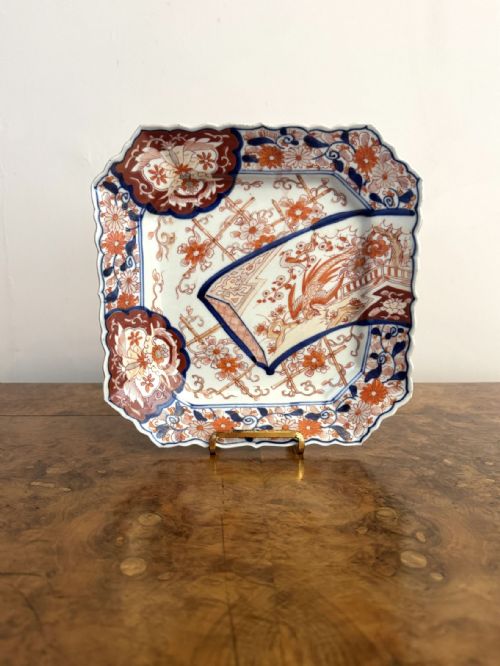
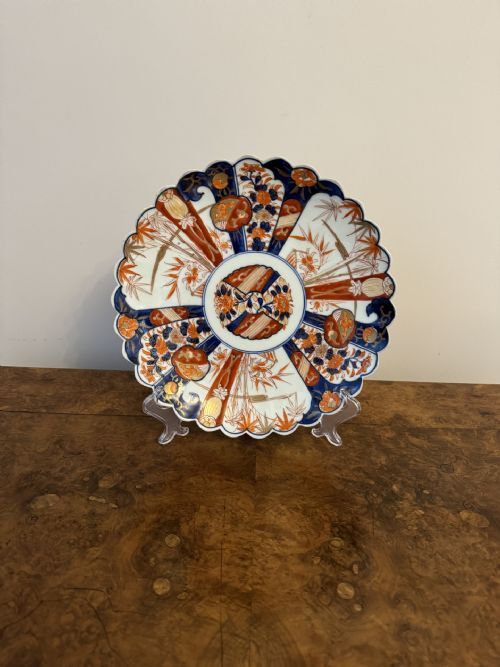

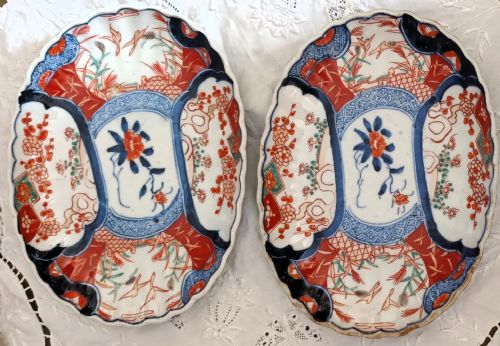
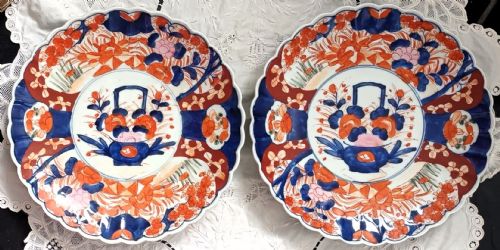
Scalloped Imari Porcelain Dish
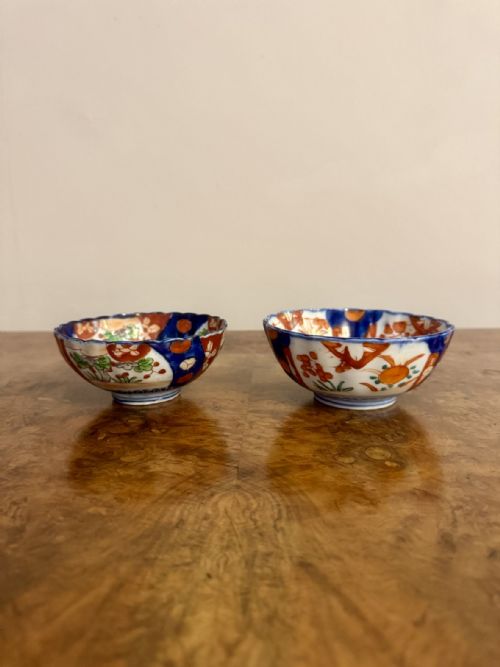
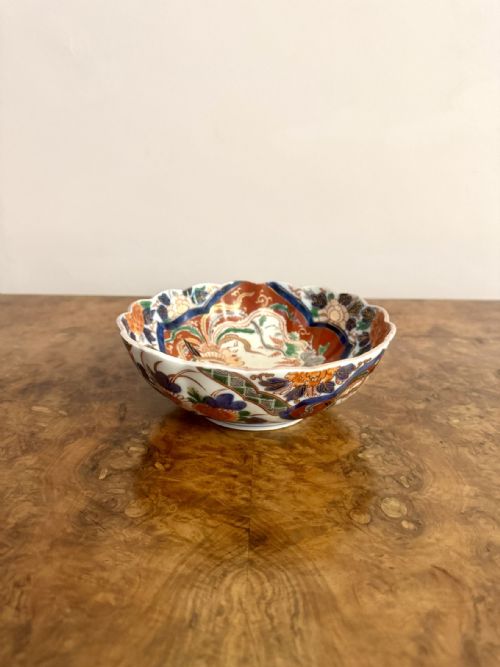
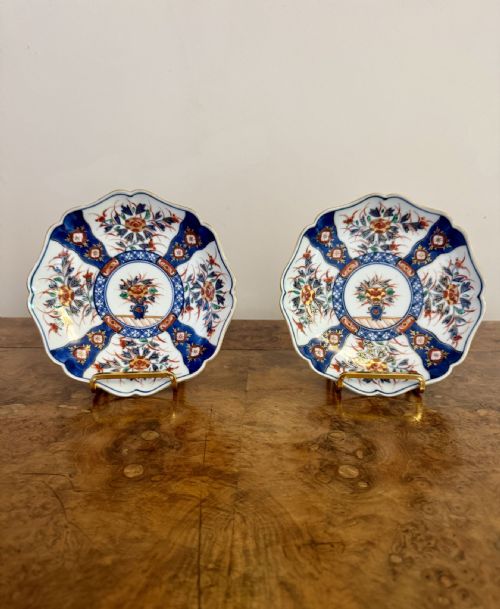
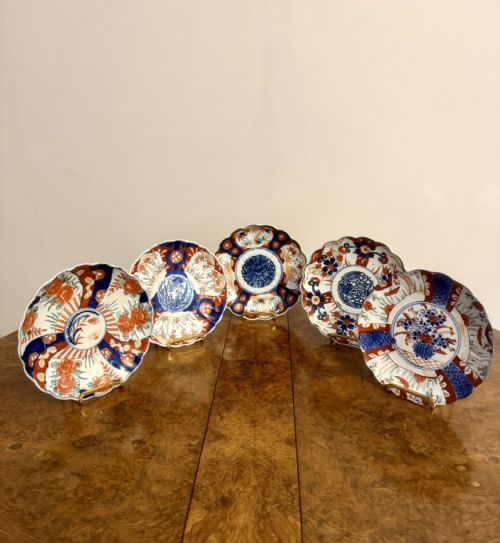
A scalloped imari porcelain dish brings layered iron red and cobalt blue palettes into a room, shaped by centuries of ceramic tradition.
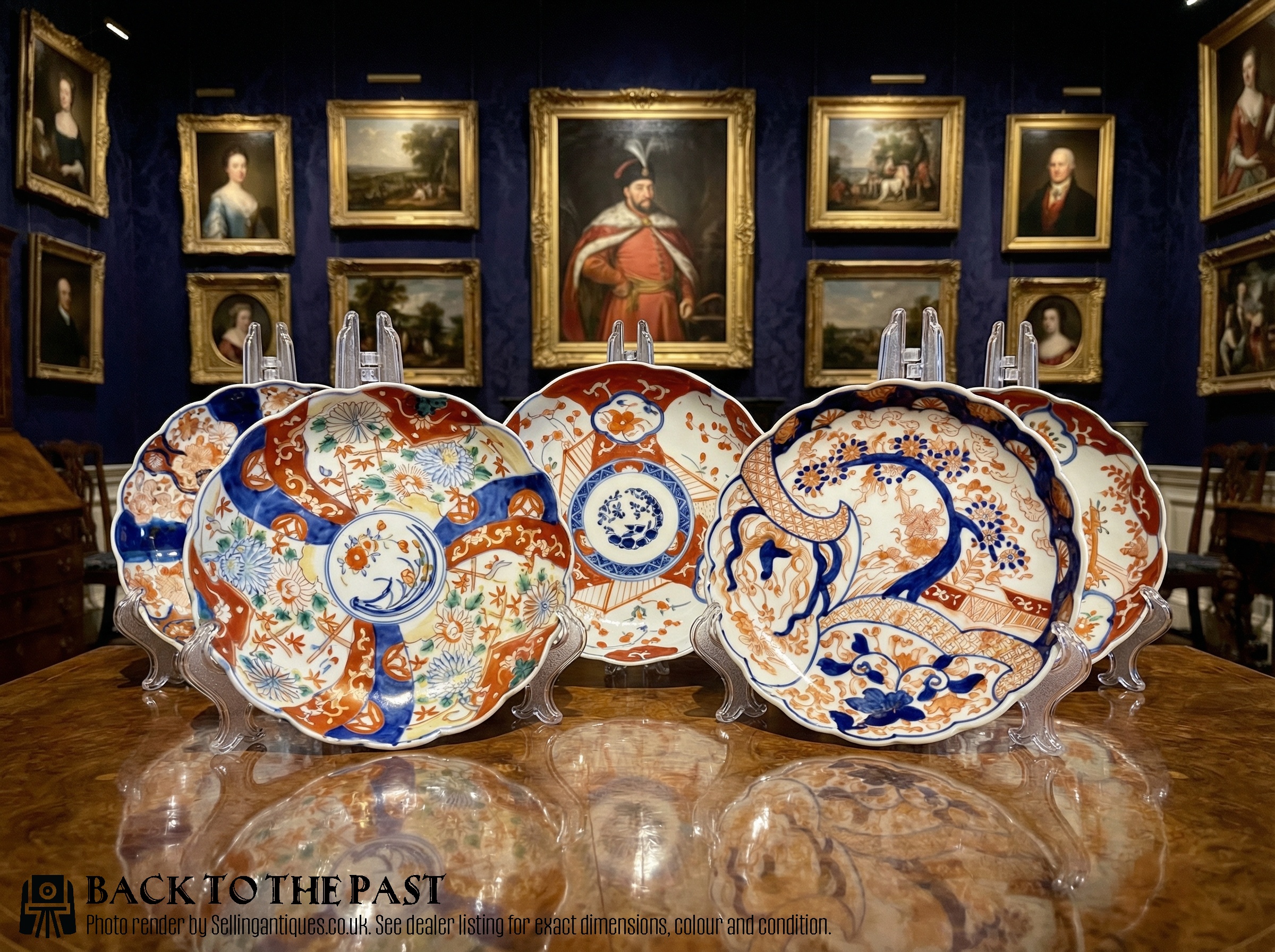
Scalloped Imari Porcelain Dish
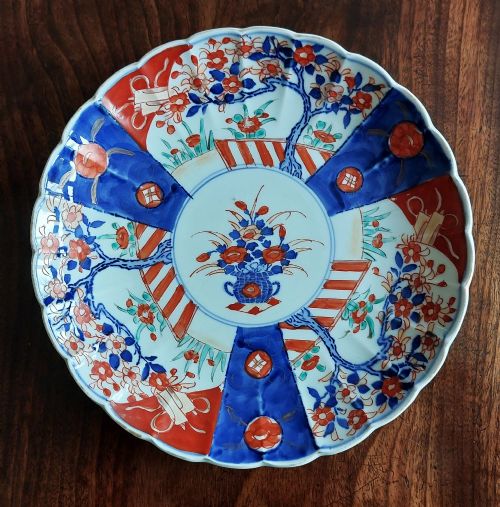
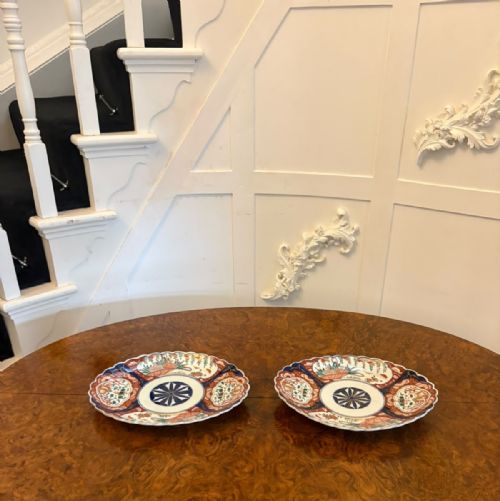
A scalloped imari porcelain dish is a decorative table or display ceramic featuring distinctive indented rims and a traditional palette. You will mostly encounter pieces from the Meiji period, the nineteenth century, and the Victorian era.
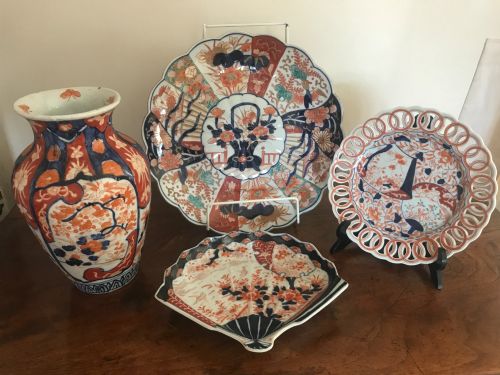
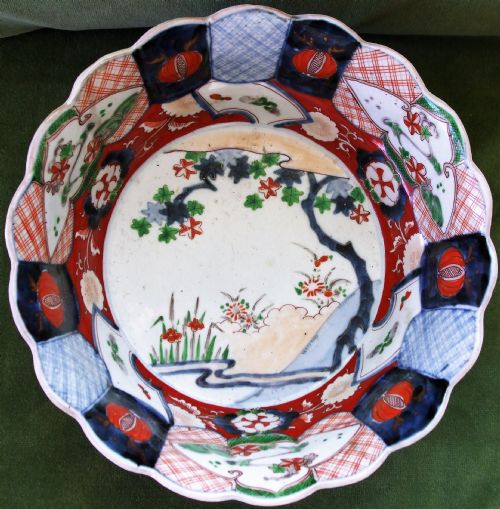
The selection ranges from small dishes and oval plates to large chargers and deep bowls. Many pieces exhibit floral motifs, birds, and figural scenes such as the Seven Lucky Gods.
Originating predominantly from Japanese traditions alongside related early English interpretations, these objects served both decorative display and practical containment.
How they were made
Gilding and fine brushwork define the surface decoration, applied over a durable glaze during high temperature firings.
The characteristic scalloped edge requires careful shaping of the soft clay before glazing and firing.
Listings span the eighteenth century through to the Edwardian era, featuring porcelain, ceramic, enamel, and gold leaf.
What varies in quality
The precision and complexity of the hand painted enamel work separate standard items from superior examples. Fineness in the application of gold leaf and overglaze colours dictates the visual depth.
Subtlety in the modulation of the cobalt blue underglaze and the crispness of the moulded scallop rim alter the overall presence of the dish.
The clarity of the porcelain body and the complexity of figural or avian compositions establish the tier of the piece.
The Scalloped Imari Porcelain Dish Glossary
- Imari
- A style of Japanese porcelain originating from the port of Arita, recognised by its blue, red, and gold palette. It was widely exported to Europe from the Edo period onwards.
- Meiji Period
- The era in Japanese history spanning from 1868 to 1912, characterised by opening trade and prolific ceramic production for international markets.
- Charger
- A large decorative plate intended for display on a wall or sideboard rather than for service at the dining table.
- Overglaze Enamel
- Pigments applied on top of the fired glaze and subjected to a subsequent lower temperature firing to fix the colours.
- Scallop Edge
- A decorative wavy border formed by a series of circular curves meeting in sharp points.
Scalloped Imari Porcelain Dish: Frequently Asked Questions
How were imari dishes used?
These pieces functioned primarily as decorative chargers, display dishes, and wall plates in domestic interiors.
Larger bowls and chargers sat on sideboards or tables to display wealth and artistic taste, while smaller dishes held small items.
How do I date a piece?
Dating relies on stylistic markers, such as Meiji period motifs or Victorian import characteristics, alongside the weight and tint of the porcelain body.
Changes in enamel saturation and the application of gilding also help distinguish nineteenth century items from later productions.
Are these dishes food safe?
Antique imari porcelain is intended for display and decorative use rather than modern dining.
Overglaze enamel and gold leaf elements can degrade with frequent washing and cutlery contact over time.
How should I display them?
Chargers and plates suit sturdy wall mounting brackets or dedicated plate stands on flat surfaces.
Placement should avoid direct sunlight to protect the vibrancy of the overglaze enamels and gold leaf highlights.