





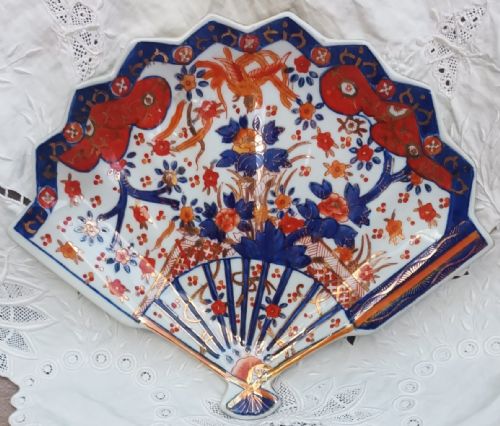
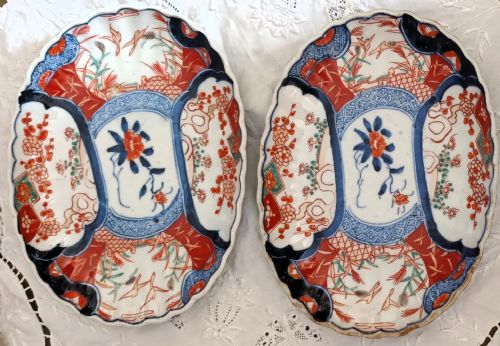
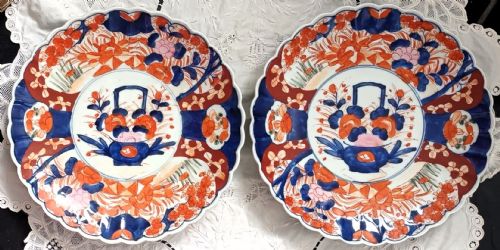
Meiji Period Imari Dish
A meiji period imari dish brings robust porcelain decorated in cobalt underglaze and enamel to a room, offering vibrant palettes created during late nineteenth century Japan.
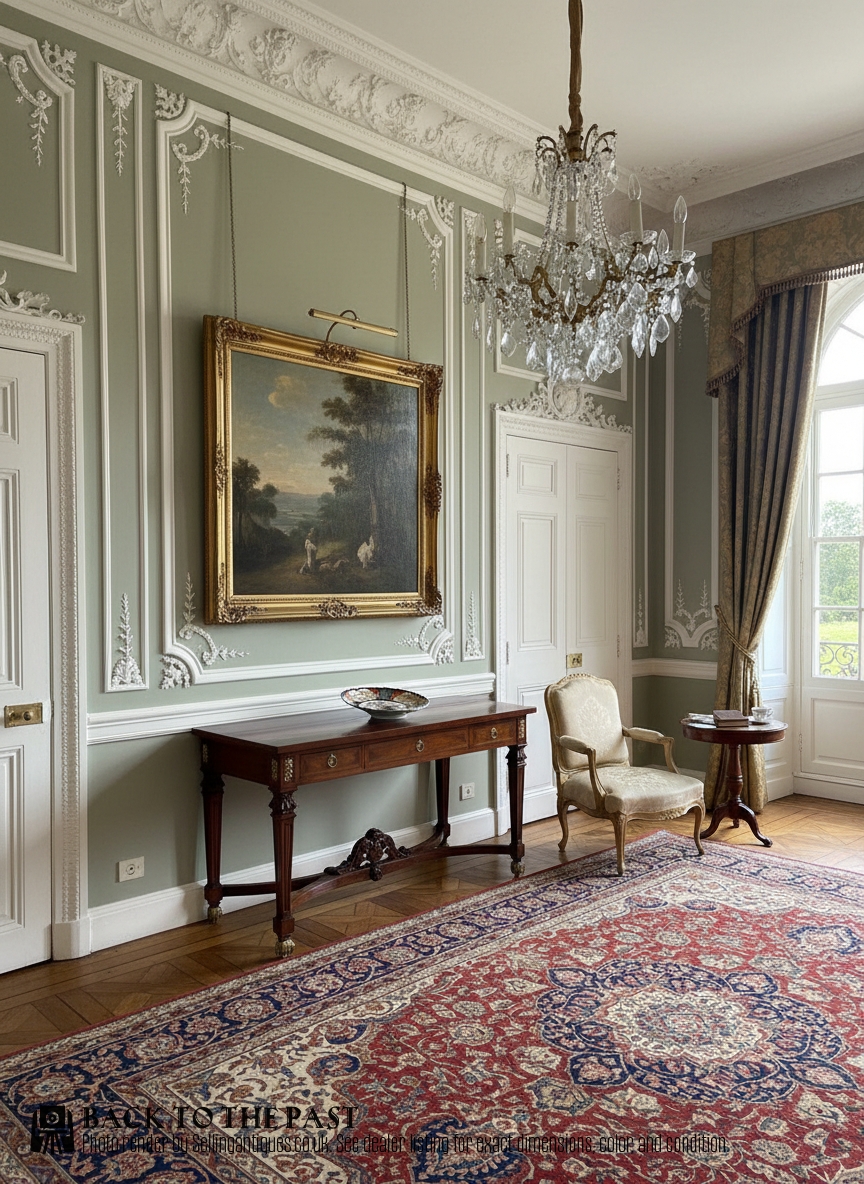
Meiji Period Imari Dish
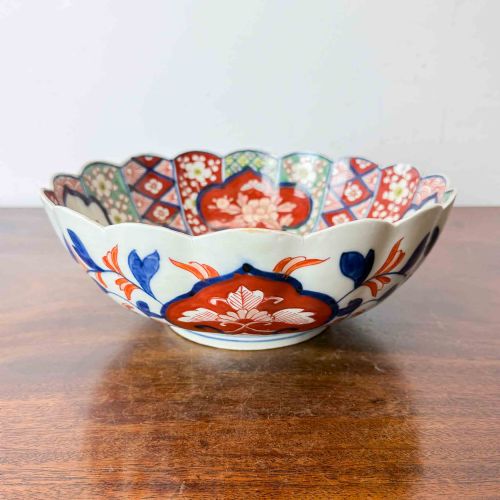
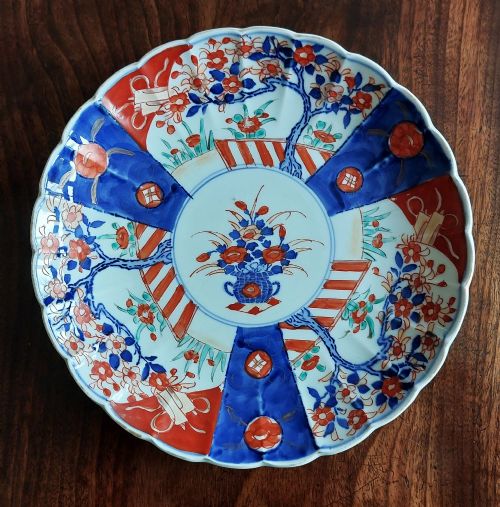
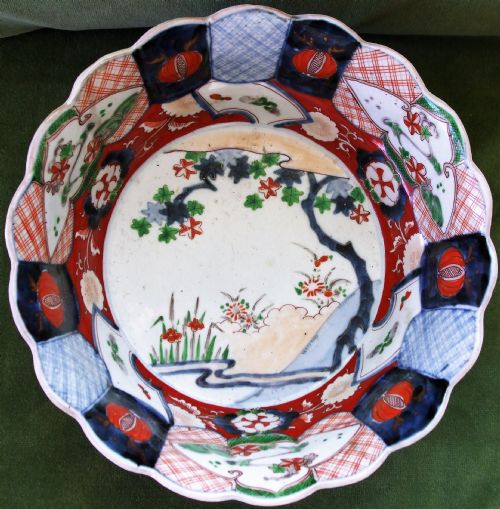
A meiji period imari dish represents a category of decorative ceramics produced in Japan during the late nineteenth and early twentieth centuries. These pieces appear primarily as plates, chargers, bowls, and shaped vessels designed for display and decorative service.
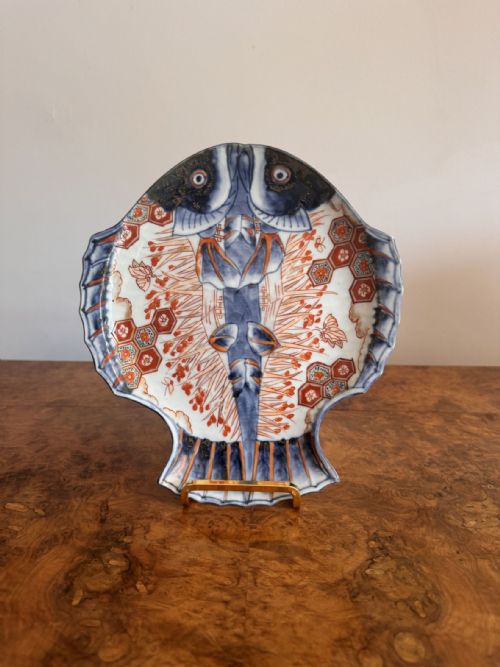
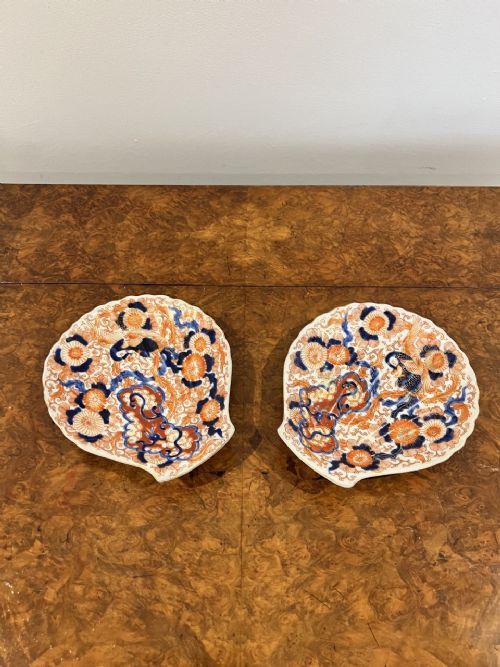
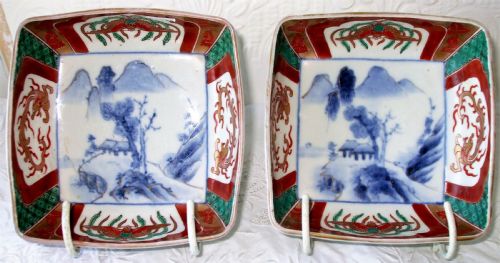
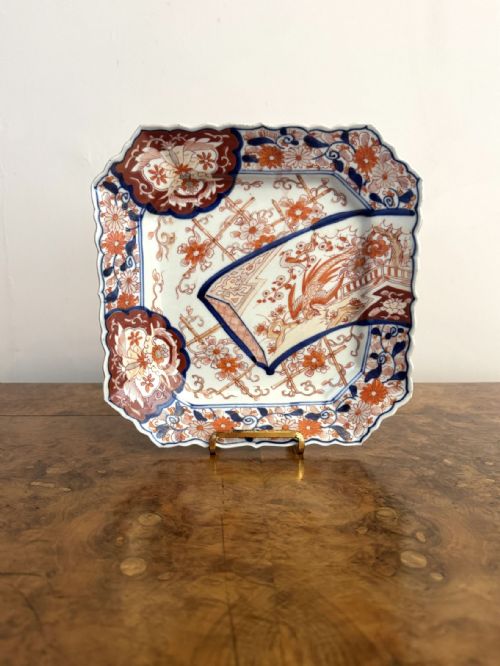
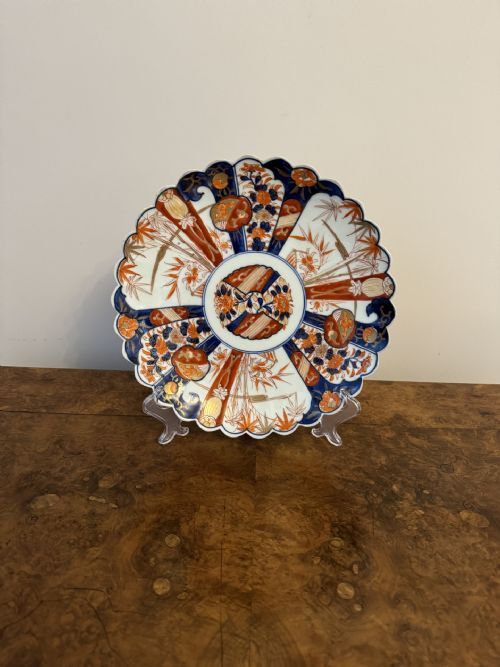
The objects in this selection originate from the Meiji period and Victorian eras, often taking traditional circular forms alongside shaped formats such as fish, gourds, shells, and square outlines. Scalloped edges frequently define the rims of these porcelain items.
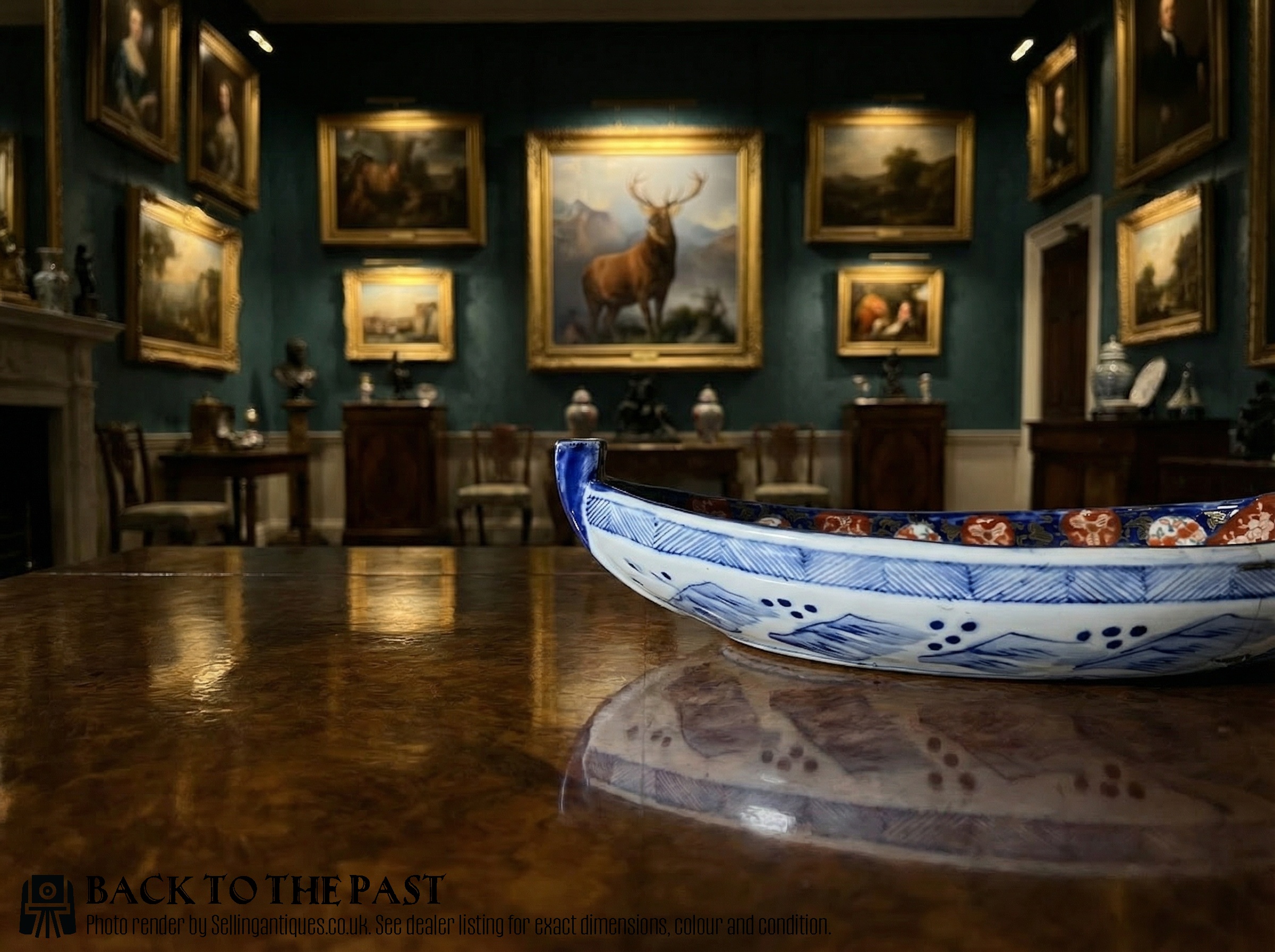
How they were made
Artisans formed these ceramics using porcelain clay, applying cobalt underglaze beneath clear finishes to establish foundational blue designs. Enamel colours and gold leaf accents joined the composition in subsequent firing stages to build the characteristic palette.
Makers shaped the porcelain manually or utilised moulds before painting floral, bird, and ornamental motifs by hand. Gilding and gilt highlights frequently enrich the surface alongside detailed enamel work.
Meiji Period Imari Dish Retail Price Guide 2026
Typical asking prices for meiji period imari dish among the pieces listed under this phrase on Sellingantiques today, from the lower quarter to the upper quarter. They describe what is for sale here now, not the wider market.
Listings feature porcelain forms dated across the nineteenth and early twentieth centuries, spanning the Victorian era and the Meiji period.
What varies in quality
Quality rests in the precision of the hand-painted brushwork and the complexity of the porcelain form. Standard round plates contrast with unusual shapes moulded as fish, treasure boats, or gourds, which require greater skill from the potter.
The application of enamel and gold leaf determines visual depth across the surface. Rich cobalt underglaze combined with crisp enamel separation distinguishes superior examples from simpler production.
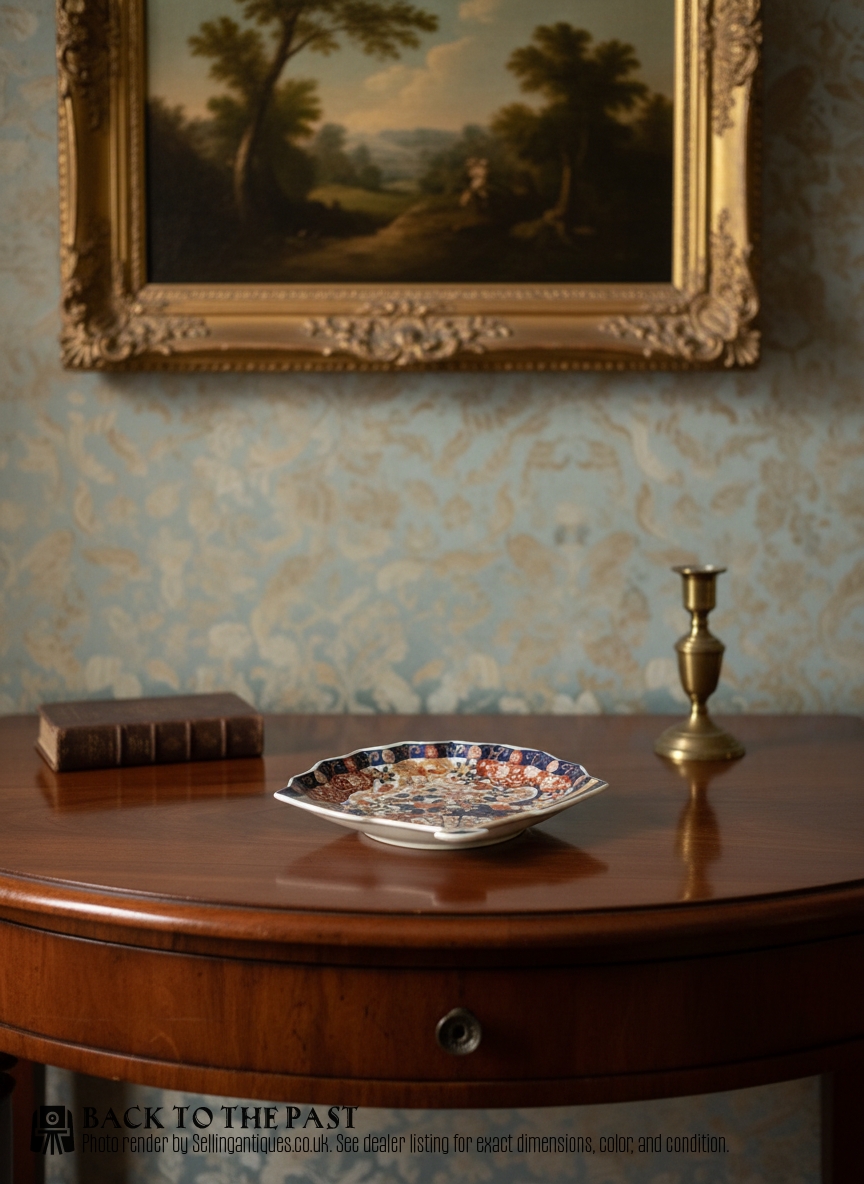
The Meiji Period Imari Dish Glossary
- Imari
- A style of Japanese porcelain decorated in underglaze blue, iron red, and gold, named after the port from which it was shipped. These wares became widely exported to Europe during the nineteenth century.
- Meiji Period
- The era in Japanese history spanning from 1868 to 1912, characterised by industrial growth and extensive international trade in decorative arts. Ceramics from this time display diverse enamelling techniques.
- Charger
- A large decorative plate intended for display on a wall or sideboard rather than for dining use. Such pieces often measure significantly wider than standard table plates.
- Cobalt Underglaze
- A blue pigment applied to raw porcelain clay before glazing and firing at high temperatures. This mineral pigment remains stable beneath the clear glassy surface.
- Scallop Edge
- A decorative rim shaped into a series of continuous curves resembling a scallop shell. This treatment appears frequently on nineteenth-century Japanese plates and bowls.
Meiji Period Imari Dish: Frequently Asked Questions
How were these dishes originally used?
These ceramic items served primarily as decorative display pieces or serving vessels in domestic interiors. Chargers and large plates hung on walls or stood on sideboards to showcase intricate enamel painting.
Smaller dishes and bowls functioned at table for food presentation or held small household items. Their robust porcelain body suited both daily utility and ornamental display.
How do I care for a meiji period imari dish?
Display these porcelain pieces away from direct sunlight to protect the enamel colours and gold leaf from fading. Dust the surface gently with a soft dry cloth.
Avoid washing antique ceramics in mechanical dishwashers or submerging them in hot water for extended periods. Hand cleaning with mild soap prevents damage to the historic glaze.
How do I identify the meiji period?
The Meiji period aligns with the reign of the Emperor Meiji between 1868 and 1912. Pieces from this era often exhibit confident hand-painted designs combining traditional Japanese motifs with export-oriented forms.
Stylistic markers include dense cobalt underglaze patterns paired with vibrant red enamels and gilt highlights. Structural shapes like fish and gourd forms became common toward the end of the nineteenth century.
What is the difference between imari and aritaware?
Arita refers to the town in Japan where the porcelain clay and kilns were located. Imari designates the shipping port through which these finished Arita ceramics left the region for domestic and international markets.
While all Imari pieces originate from the Arita production district, the term Imari specifically denotes the distinct blue, red, and gold decorative scheme.