





Japanese Ceramic Platter
A japanese ceramic platter brings hand-painted floral motifs and rich cobalt tones straight from Meiji and Edo kilns into modern rooms.

Japanese Ceramic Platter
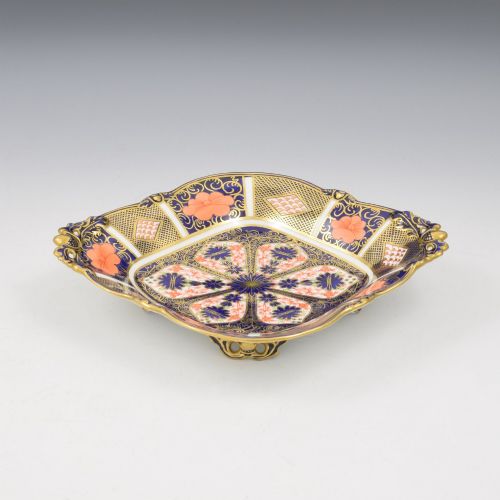
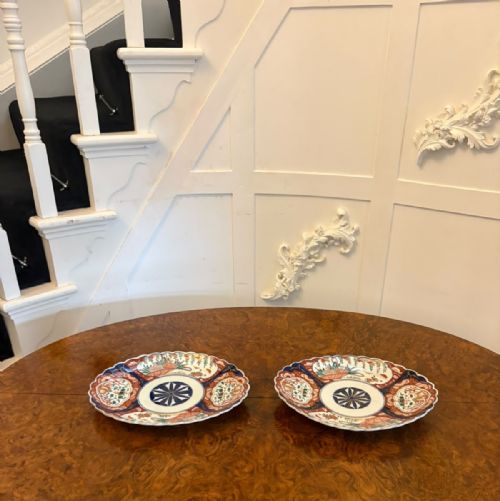
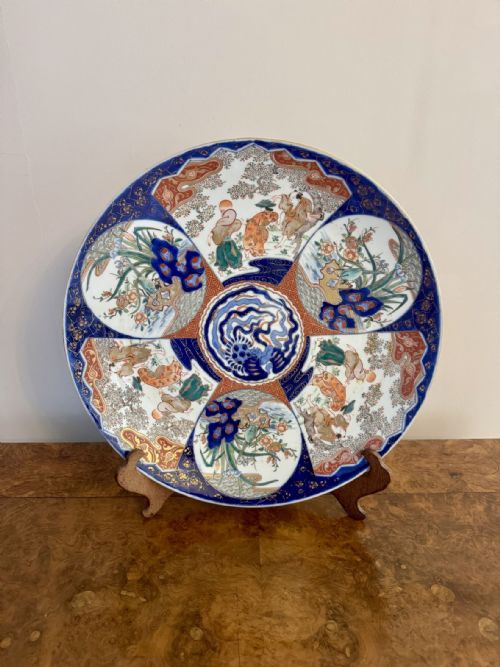
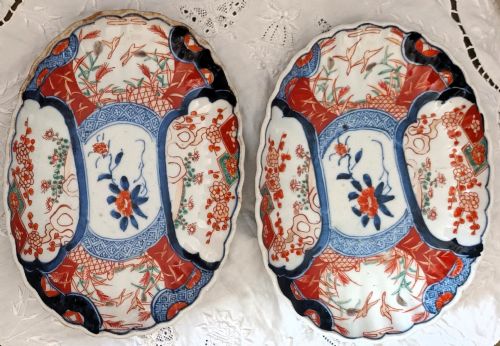
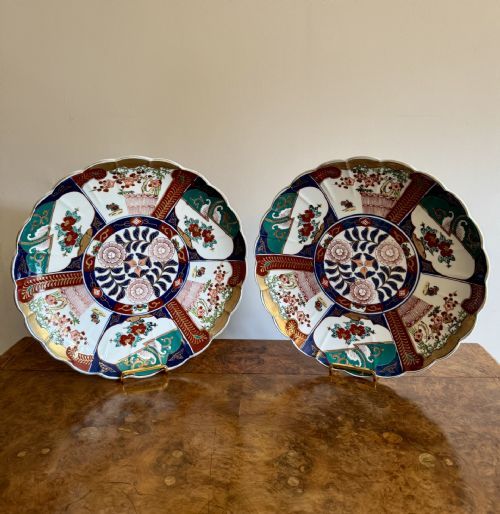
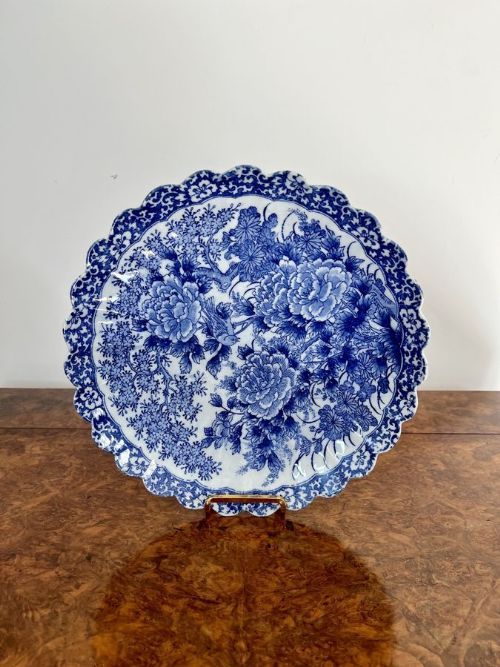
A japanese ceramic platter encompasses decorative plates, chargers, and serving dishes originating from distinct historical eras like the Meiji and Edo periods. Buyers frequently encounter large Imari chargers and Arita porcelain dishes featuring traditional hand-painted designs.
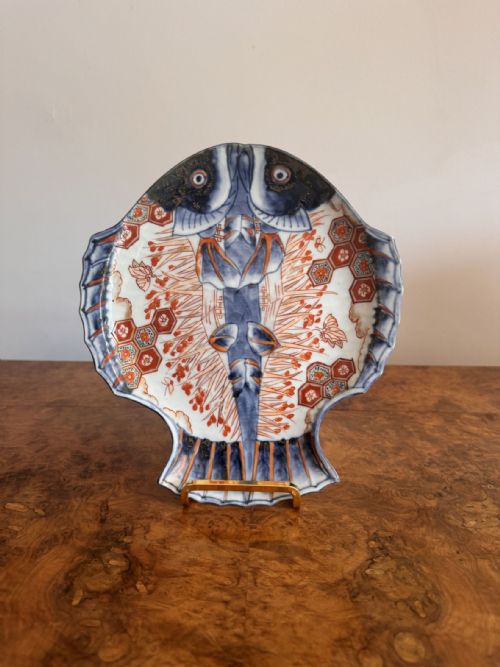
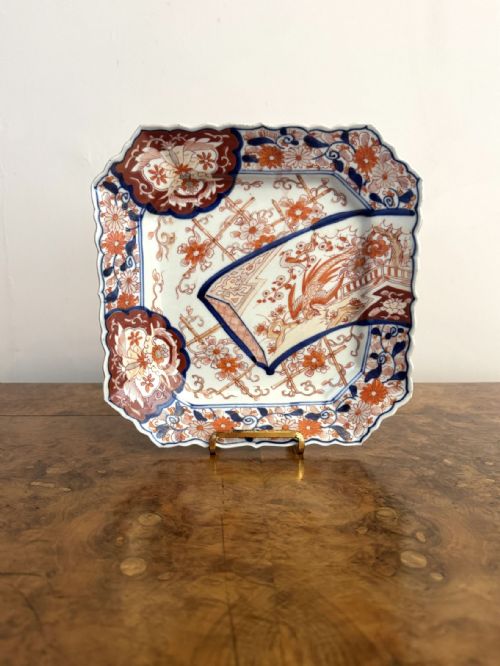
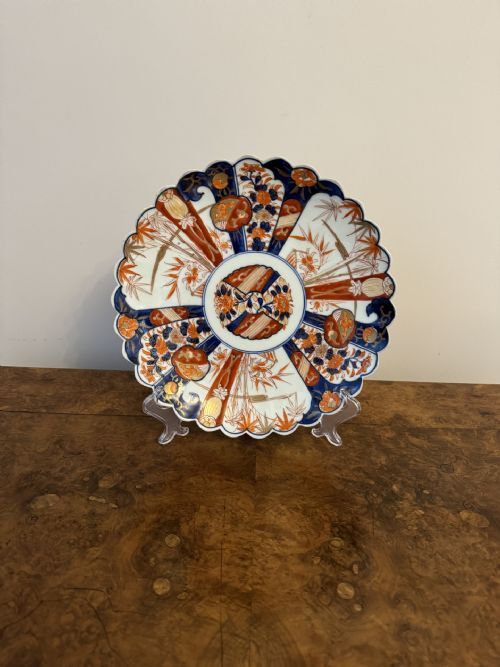
The selection ranges from scallop-edged plates to square platters and fish-shaped dishes. Dating spans from the eighteenth century through the late Victorian era, with numerous examples from nineteen-hundred and surrounding decades.
Materials and Technique
These pieces utilise porcelain as a base material, shaped into chargers, shallow dishes, and large plates. Cobalt underglaze provides the deep blue foundation seen across many Imari and Arita pieces.
Makers applied enamel, gold leaf, and gilding over the fired ceramic surface to build up intricate patterns. Some specialised examples incorporate Totai Shippo cloisonne tree bark techniques directly onto the porcelain body.
Japanese Ceramic Platter Retail Price Guide 2026
Typical asking prices for japanese ceramic platter among the pieces listed under this phrase on Sellingantiques today, from the lower quarter to the upper quarter. They describe what is for sale here now, not the wider market.
Porcelain serves as the primary medium, decorated with cobalt underglaze, enamel, and gold leaf.
Quality and Execution
The refinement of the hand-painted brushwork dictates the standing of an individual charger or dish. Pieces depicting complex figurative scenes, such as the Seven Lucky Gods or detailed floral motifs, display greater artistic ambition.
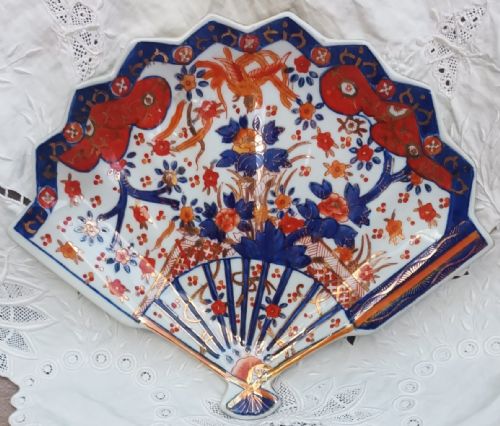
The complexity of the form itself elevates certain items above standard round plates. Unusual shapes like fans, clam shells, squares, or fish demand higher technical skill from the potter.
The Japanese Ceramic Platter Glossary
- Imari
- A style of Japanese porcelain decorated in underglaze blue, iron red, and gold. This palette originated in Arita and became widely exported during the Edo and Meiji periods.
- Arita
- The Japanese town central to porcelain production. Kilns in this region produced the durable blue and white wares and Imari pieces found on this page.
- Meiji
- The historical period spanning from eighteen sixty-eight to nineteen twelve. Pieces from this era often exhibit highly ornate hand-painted decoration.
- Edo
- The period lasting from sixteen hundred and three to eighteen sixty-eight. Early ceramic platters and dishes from this time represent the foundational eras of Japanese export porcelain.
- Totai Shippo
- A technique where cloisonne enamel is applied directly onto a porcelain body rather than metal. This method creates textured surfaces resembling tree bark.
- Satsuma
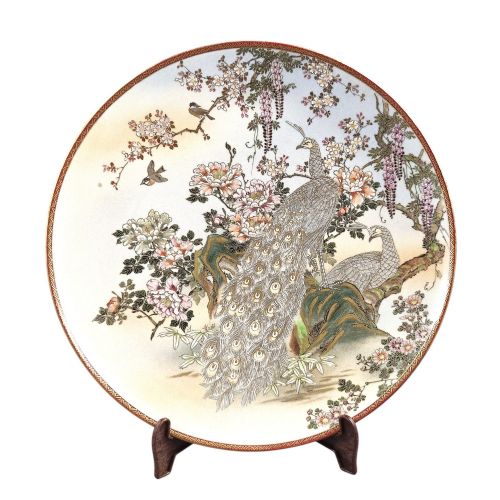
- A type of Japanese earthenware featuring a crackled ivory glaze and delicate polychrome and gold enamel work. These items frequently depict nature scenes with peacocks or peonies.
Japanese Ceramic Platter: Frequently Asked Questions
How were japanese ceramic platters used?
These large dishes and chargers served primarily as decorative display items in formal settings rather than for daily dining.
Their substantial size and intricate hand-painted artwork made them suitable for presentation on tables or sideboards.
How do I identify a Meiji period piece?
Meiji period items typically date between eighteen sixty-eight and nineteen twelve and often feature dense, colourful enamel work alongside gold leaf. The brushwork on these pieces tends to be extremely fine and detailed.
Makers during this era produced large quantities of export ware for Western markets, resulting in the survival of many decorative chargers today.
What is the difference between Arita and Imari?
Arita refers to the Japanese town and production centre where the porcelain body was actually fired. Imari describes the specific decorative style and colour palette applied to those wares.
Many pieces originating in Arita utilised the Imari aesthetic of cobalt blue and iron red.
How should I display a charger safely?
Large chargers and platters require sturdy wall hangers specifically designed for heavy porcelain, or secure plate stands with a wide base. Placing them away from high-traffic walkways prevents accidental knocks.
Direct sunlight can fade delicate enamel and gold leaf over many years, so positioning them out of harsh glare helps preserve the surface.