









Japanese Imari Dish
A Japanese imari dish brings vibrant iron-red and cobalt blue pigments to a room, offering centuries of decorative tradition.
Understanding Japanese imari dish
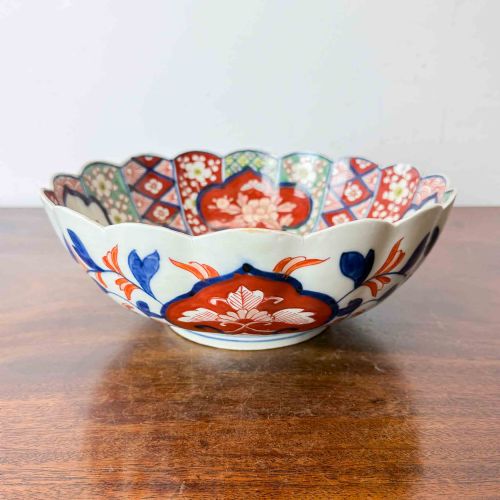
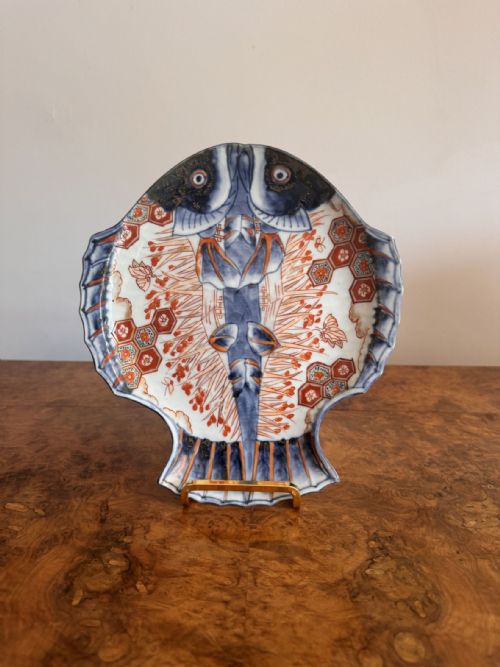
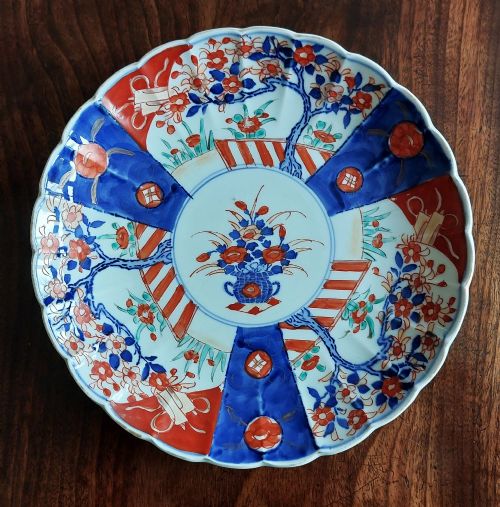
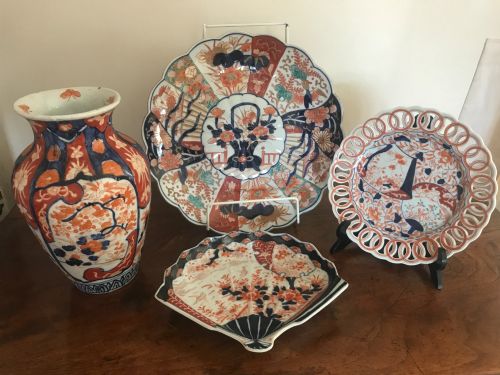
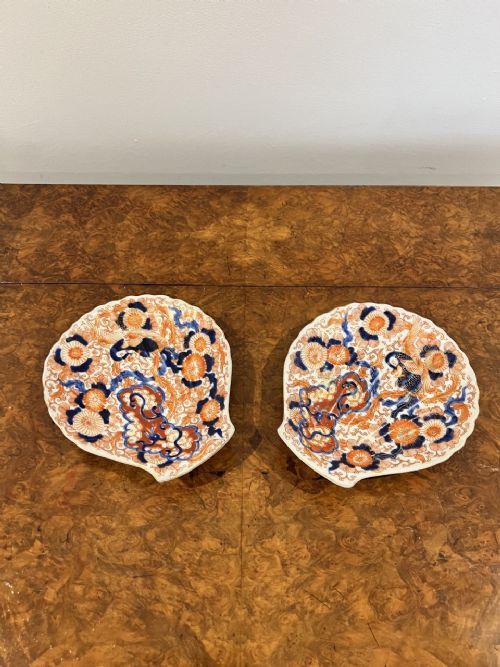
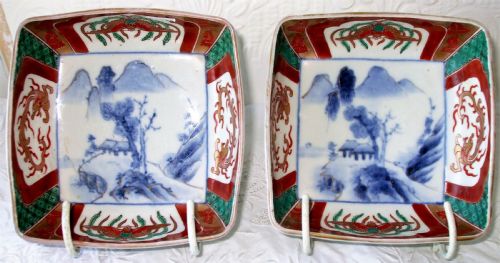
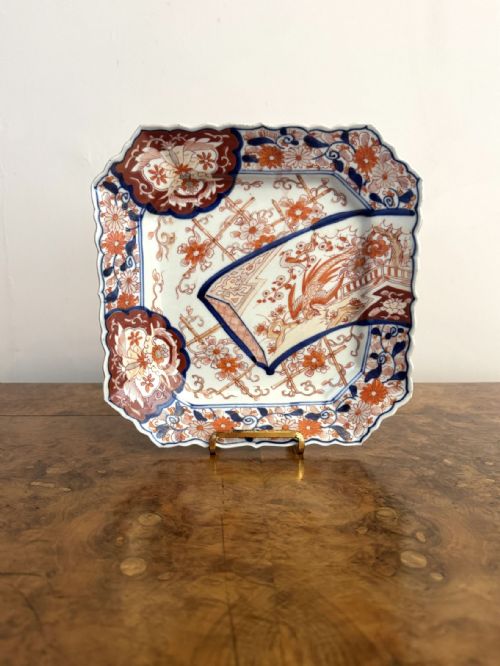
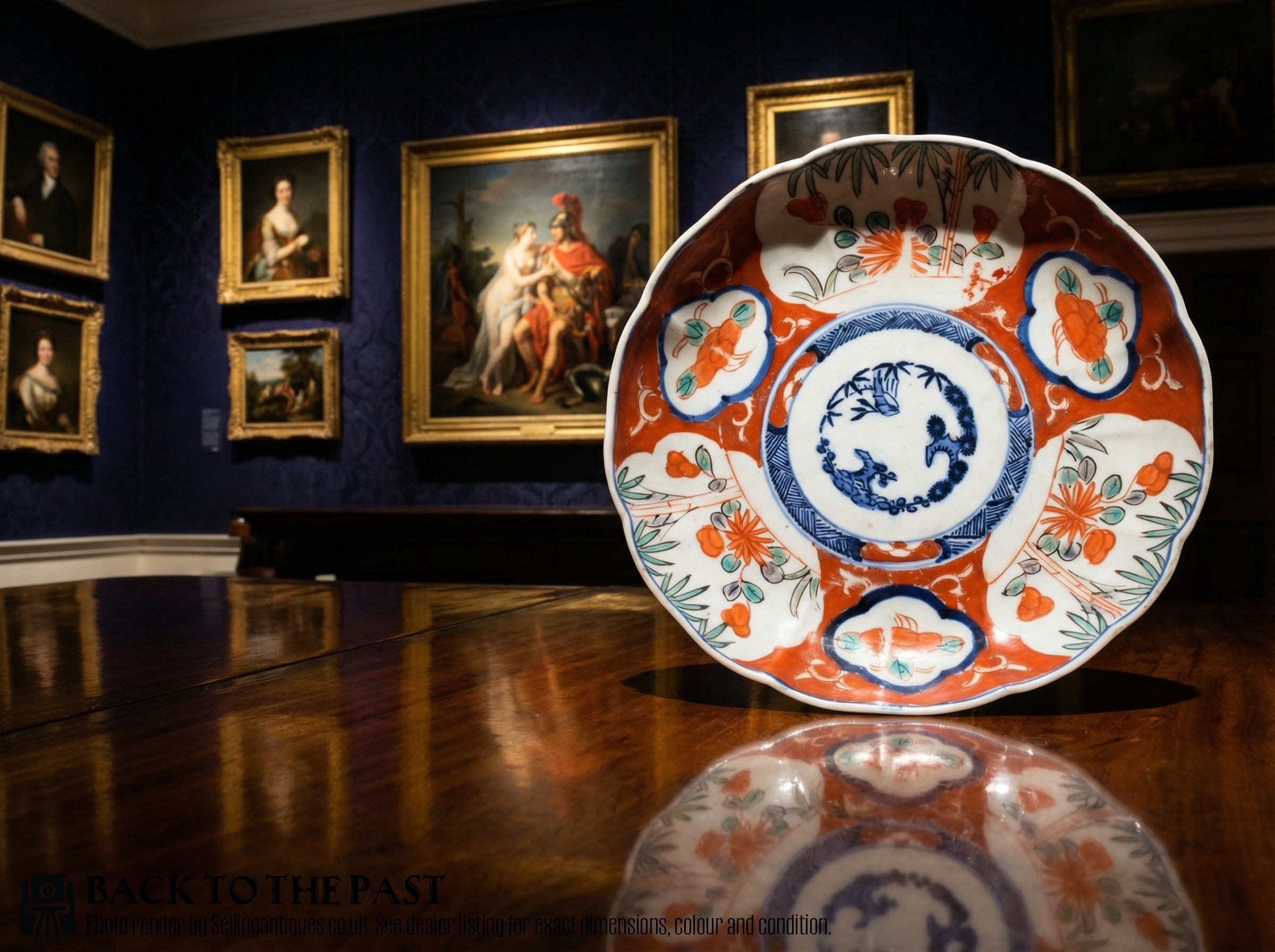
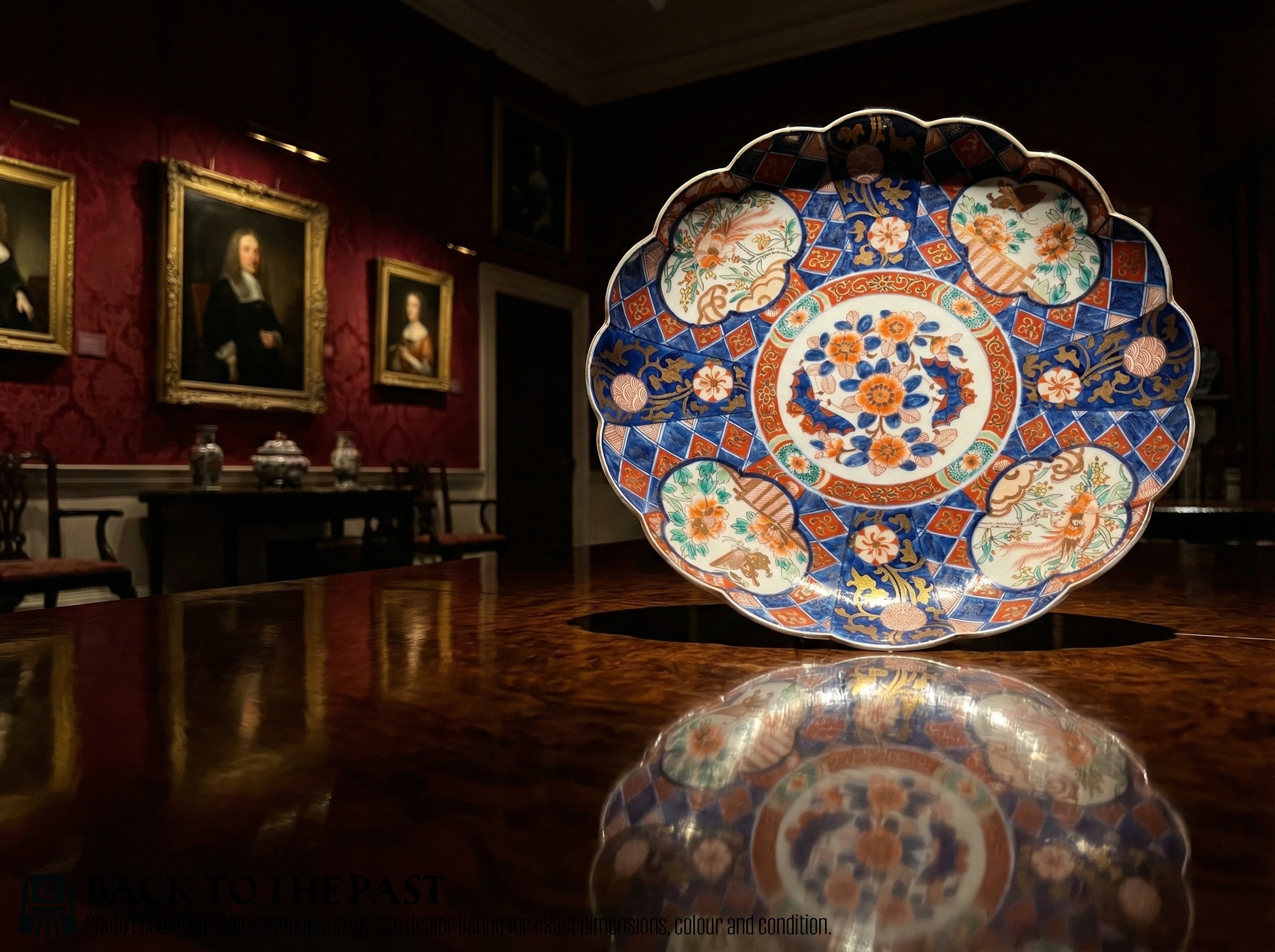
A Japanese imari dish is a ceramic form originating from kilns in Arita, defined by a distinct palette of cobalt blue, iron-red, and gilt highlights. These pieces range from standard round plates to specialised shapes such as fan motifs, scalloped edges, and boat forms.
The selection includes wares spanning several centuries, from early pieces produced during the Genroku and Edo periods to Meiji period examples and Victorian interpretations. Buyers frequently encounter nineteenth-century versions alongside eighteenth-century chargers and shallow serving vessels.
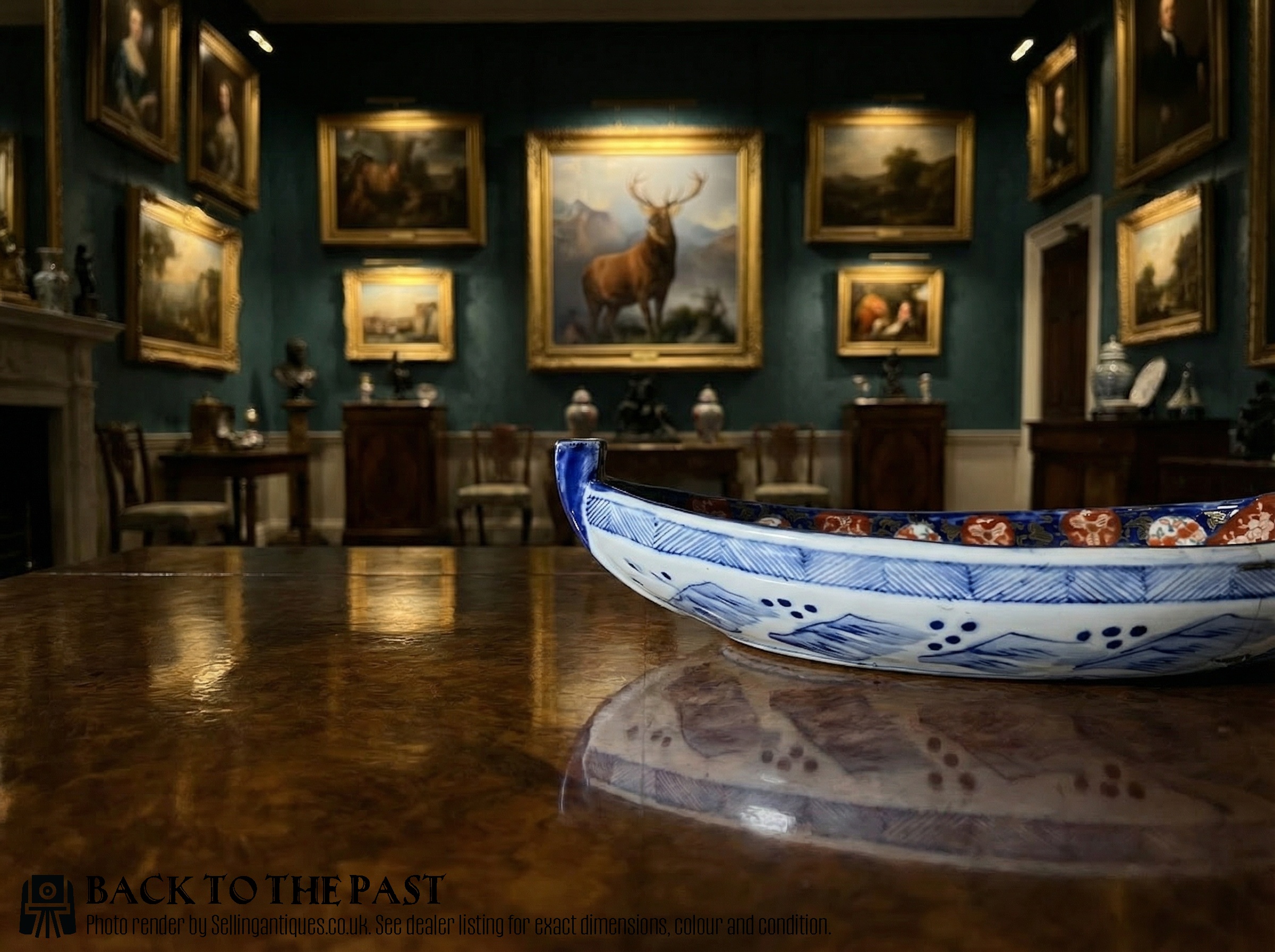
Forms vary from large display platters and deep bowls to smaller decorative dishes. Many items demonstrate specialised moulding, including petal-shaped rims, lobed profiles, and boat-shaped configurations reminiscent of treasure ships.
Materials and Manufacture
These vessels utilise hard-paste porcelain shaped by hand or mould, fired at high temperatures to achieve a dense white body. Potters applied underglaze cobalt blue before the initial firing, followed by overglaze enamel pigments and gold leaf details in subsequent low-temperature firings.
Surface decoration relies on a combination of coloured glaze and meticulous hand painting. Artisans used iron-red and gilt to overlay cobalt designs, creating complex garden scenes, landscapes, and patterned borders across the porcelain.
Retail Price Guide 2026
Typical UK retail prices for japanese imari dish, calculated from the Sellingantiques database of over a million retail prices indexed since 2003. This retail price guide relies exclusively on Sellingantiques data; no external sources or auction records are used, so the figures do not describe the wider market.
A few seventeenth-century dogs manage to sneak into the landscape scenes, watching over the gardens painted in cobalt and iron-red.
Defining Quality
Quality rests in the precision of the hand-painted brushwork and the complexity of the composition within the central roundel. Superior examples display crisp cobalt tones beneath the glaze and finely registered enamel details without bleeding or smudging.
The integrity of the porcelain body and the preservation of the overglaze gold leaf and enamel pigments dictate the standing of a piece. Earlier eighteenth-century pieces and high-period Meiji works often command attention through superior potting, balanced weight, and sophisticated rim shaping such as serrated or scalloped edges.
The Japanese Imari Dish Glossary
- Imari palette
- A decorative colour scheme utilising underglaze cobalt blue, iron-red enamel, and gold leaf. This distinctive combination originated in Japanese export porcelain during the Edo period.
- Arita
- The Japanese town and surrounding region where the porcelain industry developed. Kilns here produced the original wares that defined the style.
- Meiji Period
- The era in Japanese history spanning from 1868 to 1912. Pieces from this time often exhibit elaborate hand-painted surface decoration and diverse moulded shapes.
- Edo Period
- The period of Japanese history lasting from 1603 to 1867. Early examples of the export ceramics date from this foundational epoch.
- Armorial dish
- A ceramic vessel painted with a coat of arms. These custom pieces were made specifically for Western export markets during the eighteenth century.
Frequently Asked Questions
How do I date a Japanese imari dish?
Dating relies on stylistic markers, potting techniques, and the brilliance of the enamel colours. Eighteenth-century pieces often show coarser foot rims and deeper cobalt tones, while Meiji and Victorian examples tend to feature denser overglaze decoration and brighter gilding.
Examining the glaze consistency and the weight of the porcelain helps separate earlier Arita production from later nineteenth-century interpretations.
Were these dishes used for dining?
While originally produced as functional ceramics, many larger chargers and decorated plates served primarily for display in European and Japanese interiors. Their intricate iron-red and cobalt patterns made them centrepieces on sideboards and walls rather than everyday tableware.
Smaller bowls and shallow dishes saw service at dining tables, though surviving antique examples are generally preserved for decorative use today.
How should I display an antique dish?
Displaying these pieces safely involves using specialised plate hangers or secure wall mounts designed for porcelain weight. Placing them away from direct sunlight preserves the vibrancy of the overglaze enamel and gold leaf.
For flat surfaces, sturdy stands allow a clear view of the painted central roundel and the shaped rim.