

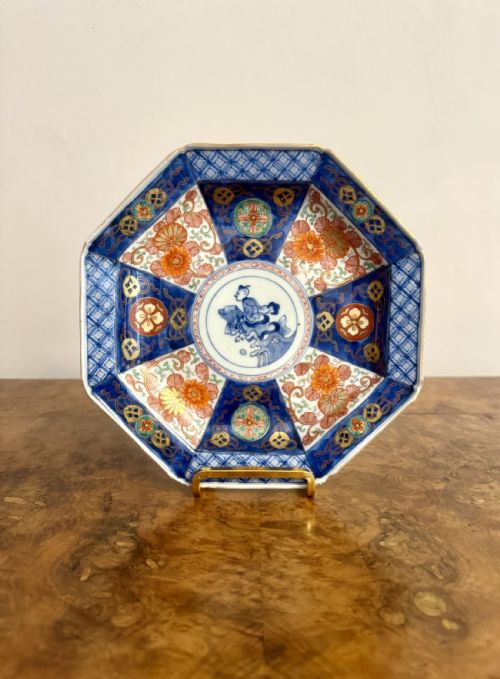
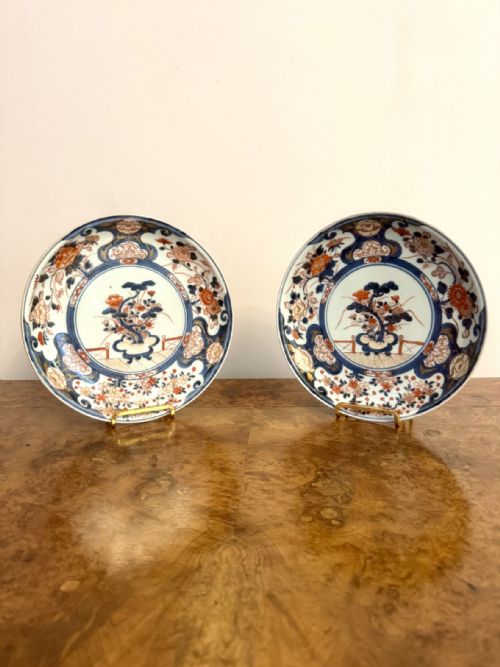
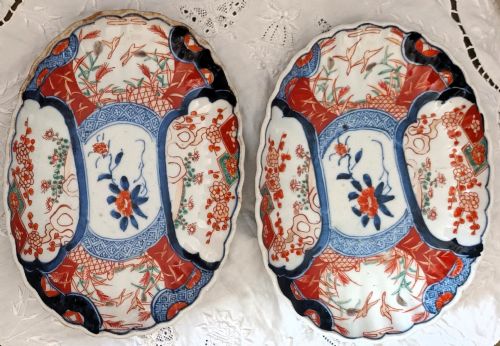


Underglaze Blue Imari Dish
An underglaze blue imari dish brings rich cobalt and enamel colour to a table, prized for its striking contrast of patterns.
What they are
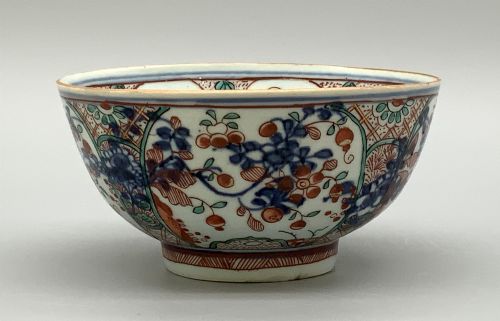
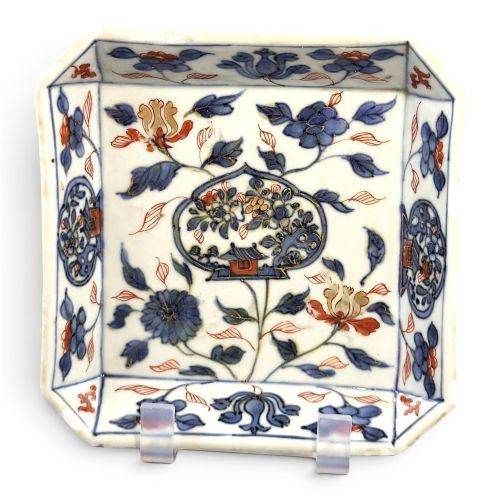
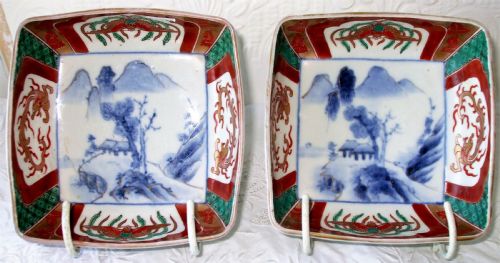
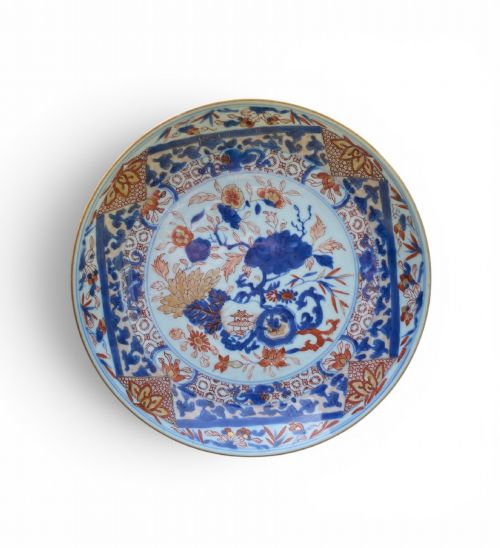
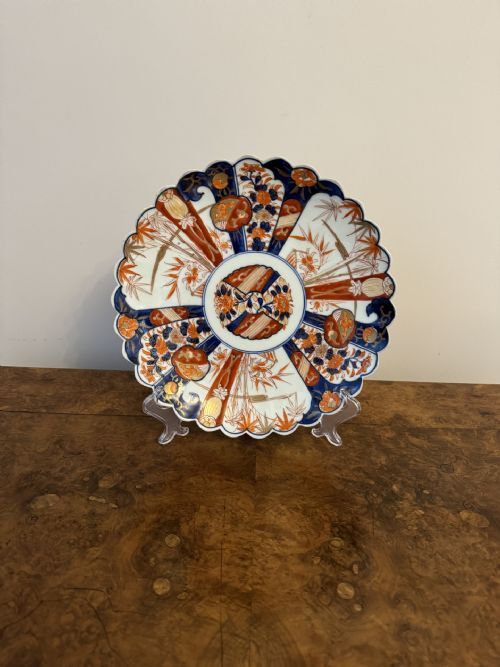
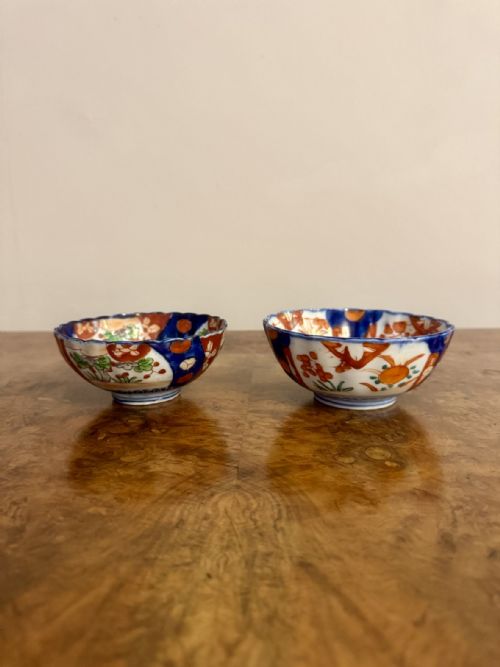
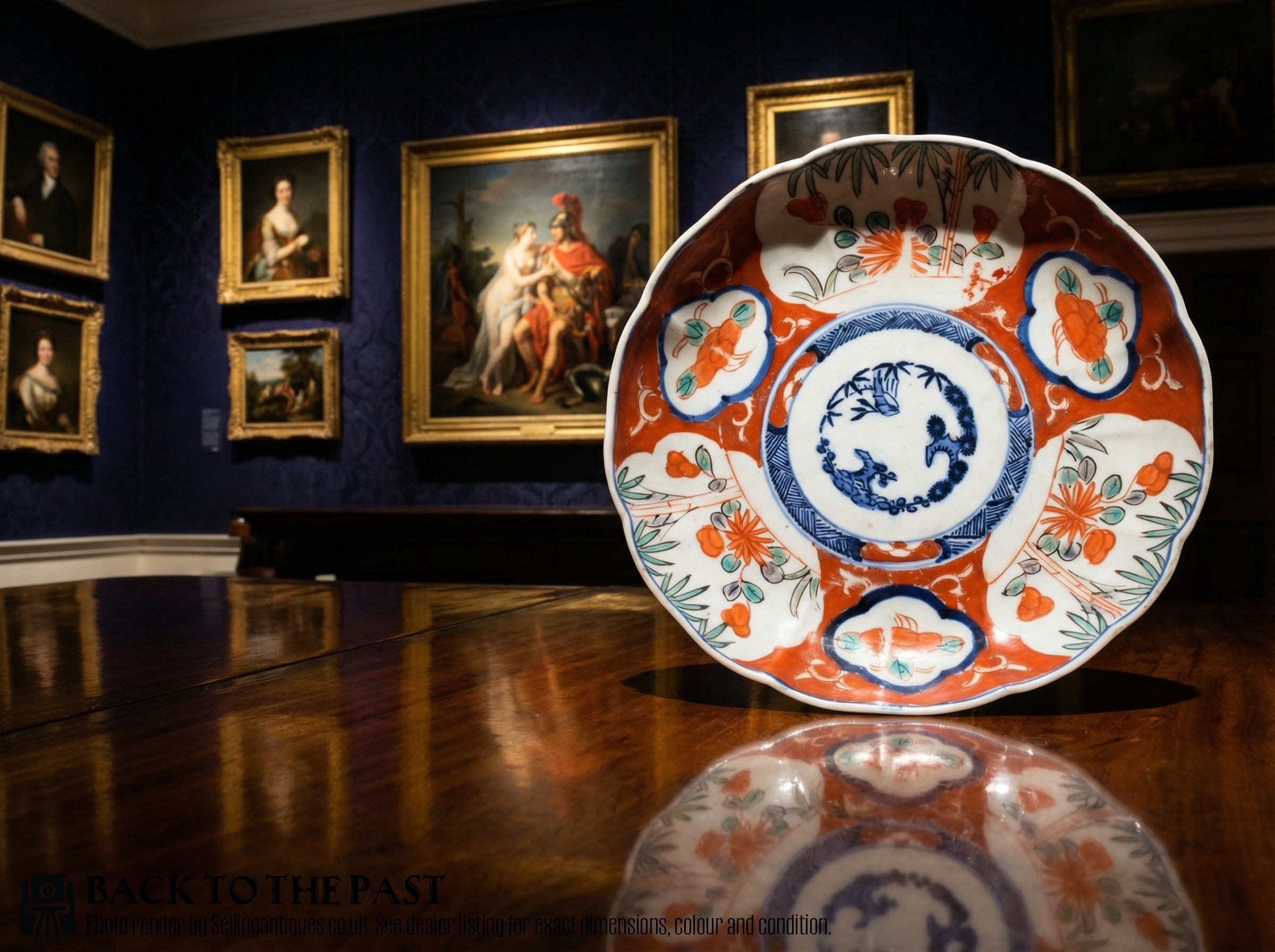
An underglaze blue imari dish is a form of decorative ceramic originating from Japan, spanning periods from the nineteenth century to the early twentieth century. These pieces appear as decorative plates, hexagonal plates, dishes, chargers, and bowls.
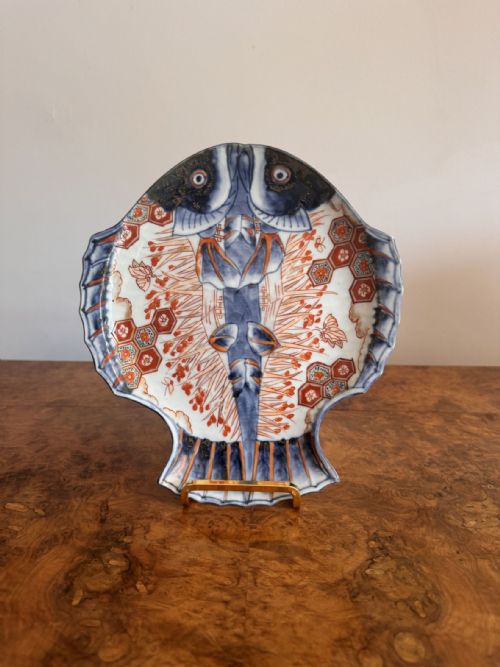
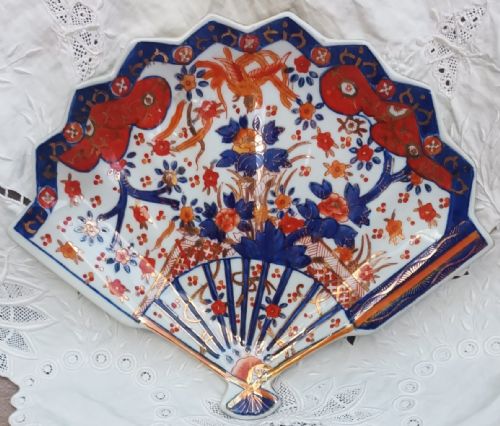
The most common examples on this page date around nineteen hundred, alongside nineteenth-century works and nineteen-twenty items. Buyers encounter fish-shaped plates, chargers, and bowls bearing classic Japanese imari decoration.
Japanese Meiji and Edo styles define the visual character of these ceramics. Each object displays traditional motifs executed in cobalt blue, enamel, and gold leaf.

How they were made
Potters shaped porcelain bodies into plates, bowls, and chargers before applying cobalt blue pigment beneath the glaze. Firing set the primary blue tones into the ceramic surface.
Workmen added enamel colours and gold leaf over the glaze in subsequent stages to create the vibrant palette characteristic of Japanese imari. Gilt highlights provide the metallic detailing seen across these decorative dishes.
Retail Price Guide 2026
Typical UK retail prices for underglaze blue imari dish, calculated from the Sellingantiques database of over a million retail prices indexed since 2003. This retail price guide relies exclusively on Sellingantiques data; no external sources or auction records are used, so the figures do not describe the wider market.
Materials recorded across the inventory include porcelain, enamel, glaze, gold leaf, cobalt blue, and gilt.
What varies in quality
The distinction between standard examples and superior pieces rests on the precision of the underglaze blue painting and the richness of the enamel and gold leaf application. Finer dishes display sharper brushwork and more complex compositional balance across the porcelain surface.
Unusual forms, such as plates shaped like fish or uncommon hexagonal geometries, elevate a piece above standard circular plates and bowls. The crispness of the porcelain moulding and the vibrancy of the Japanese imari palette dictate the overall standing of each item.
The Underglaze Blue Imari Dish Glossary
- Underglaze blue
- Pigment applied to the ceramic body before the glaze is added and fired. This technique protects the blue colour beneath a glossy vitrified layer.
- Imari
- A style of Japanese export porcelain featuring a distinctive palette of cobalt blue, iron red, and gold. It takes its name from the port town of shipment.
- Charger
- A large decorative plate intended for display rather than service at the dining table. These substantial pieces showcase elaborate painted designs.
- Meiji
- The historical period spanning from eighteen sixty-eight to nineteen twelve in Japan. Ceramics from this era often combine traditional techniques with bold decorative schemes.
- Gilt
- A thin layer of gold applied to the surface of the porcelain as leaf or paint. It provides metallic accents that catch the light alongside enamel colours.
Frequently Asked Questions
What is an underglaze blue imari dish?
An underglaze blue imari dish is a piece of Japanese export porcelain decorated with cobalt blue, enamel colours, and often gold leaf. These ceramics encompass plates, bowls, and chargers.
They reflect the Meiji and Edo styles of Japanese craftsmanship, dating from the nineteenth century up to nineteen twenty.
How were these dishes used originally?
Many of these items served as decorative plates or chargers rather than everyday tableware. Their rich pigments and metallic accents suited display.
Fish-shaped plates and hexagonal vessels also functioned as ornamental table pieces within domestic interiors.
How do I date an imari dish?
Dating relies on the stylistic markers of the Meiji and Edo periods, alongside material evidence such as porcelain texture and glaze composition. Pieces span the nineteenth century through to nineteen twenty.
Consulting the specific form, whether a charger or a bowl, helps place the object within its historical production era.
How do I care for antique porcelain?
Keep these porcelain pieces away from direct sunlight and sudden temperature changes to protect the enamel and gold leaf. Gentle dusting with a dry cloth maintains the surface.
Avoid abrasive cleaners or soaking, as harsh agents can damage the overglaze enamels and gilt highlights.