

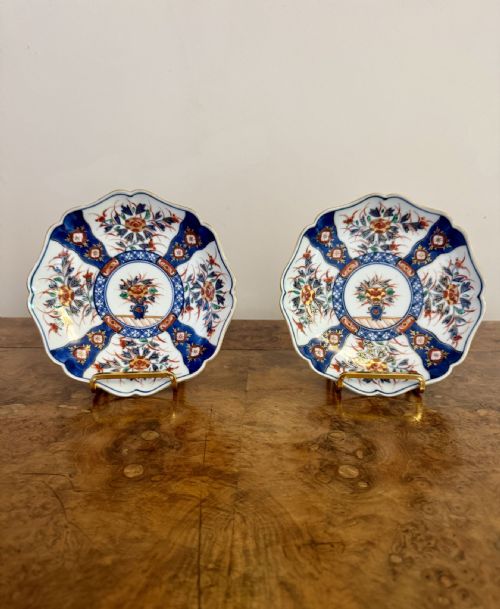
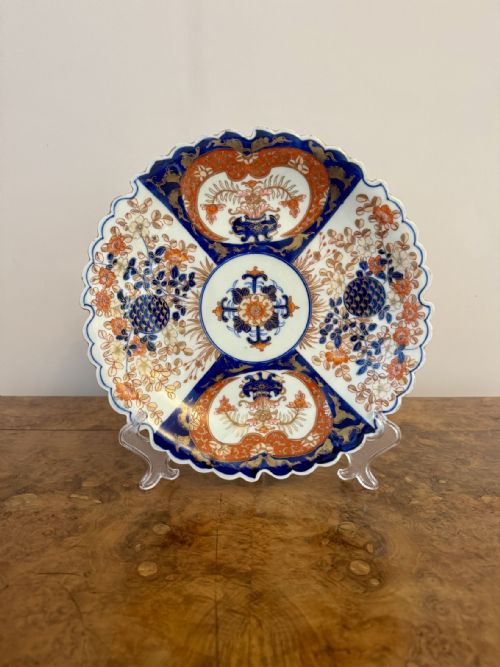
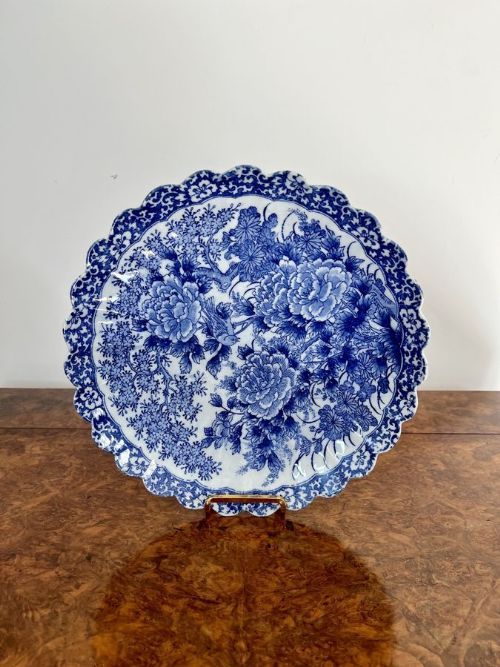


Edo Period Imari Plate
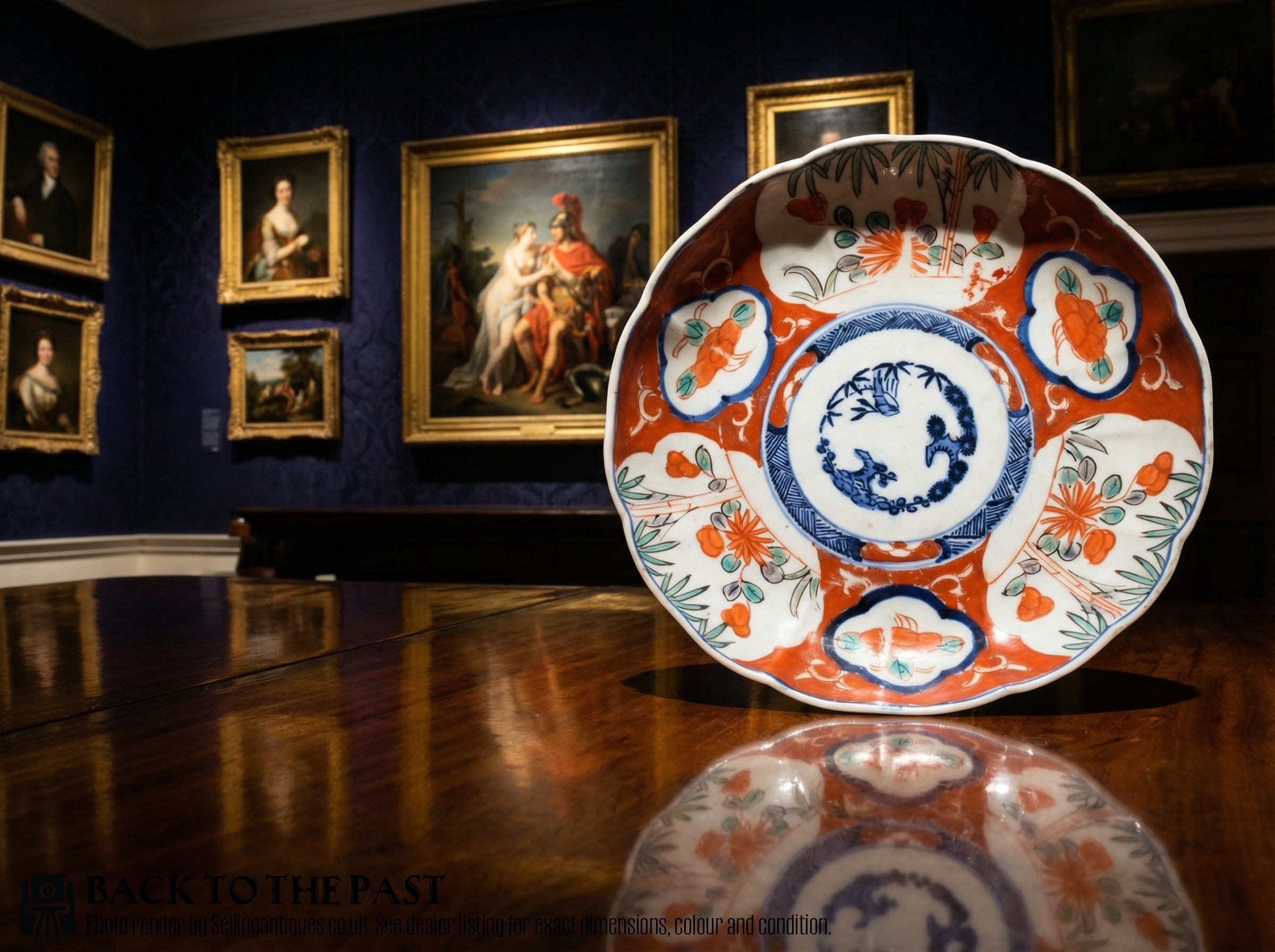
These porcelain pieces, known as an edo period imari plate, combine rich cobalt underglaze with enamel and gold leaf for domestic display.
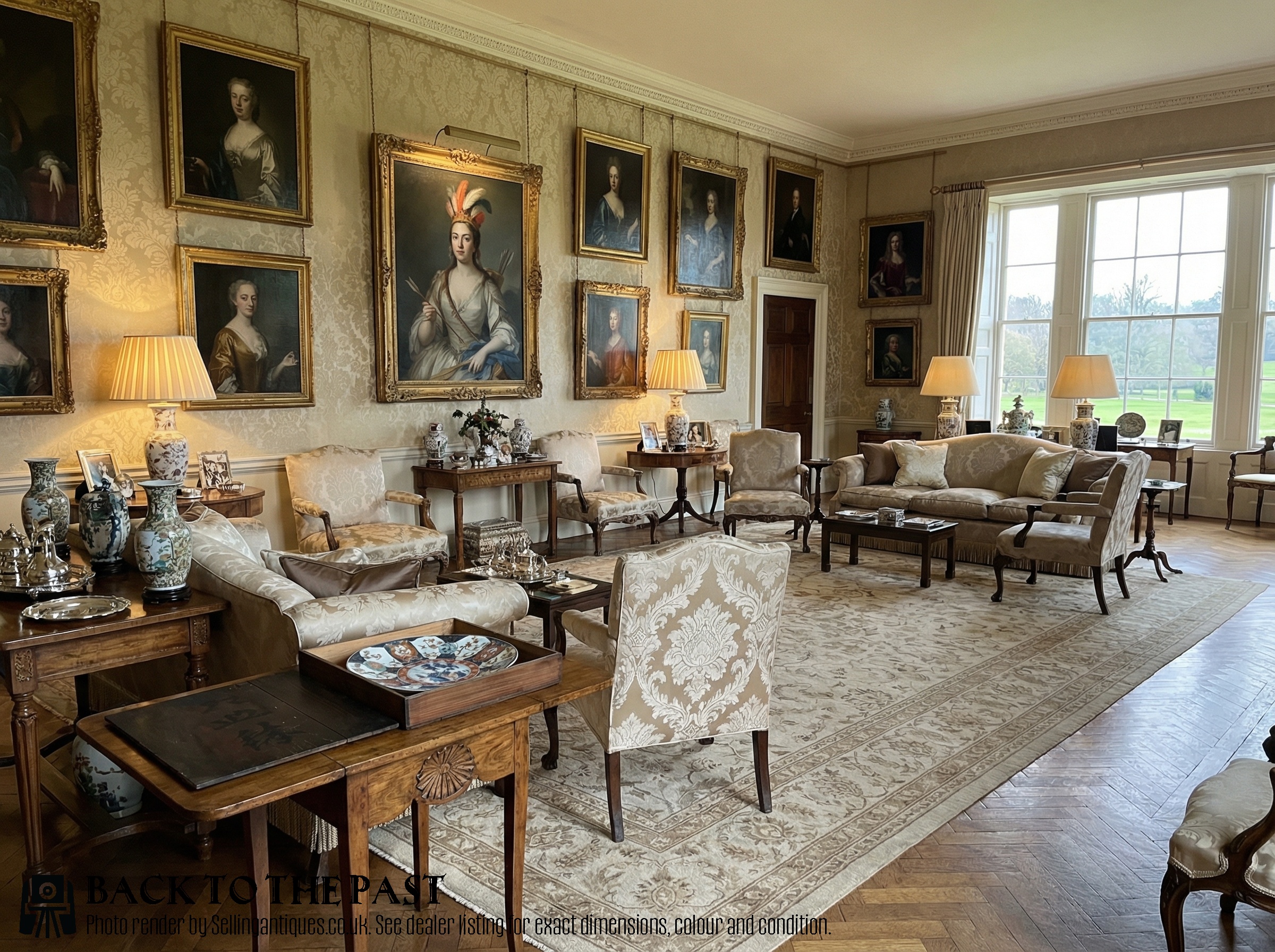
Edo Period Imari Plate
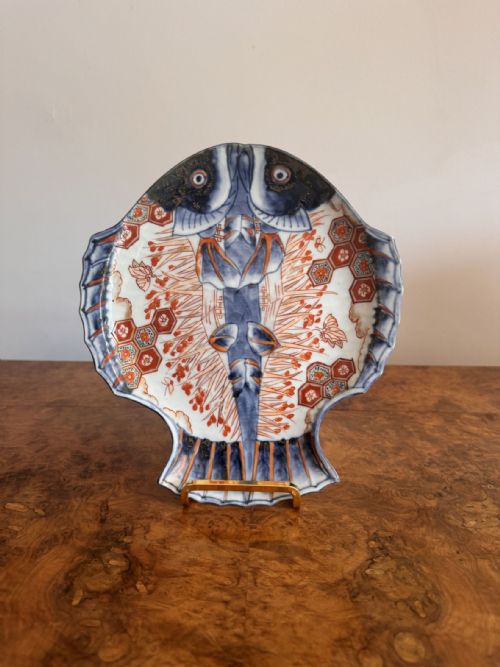
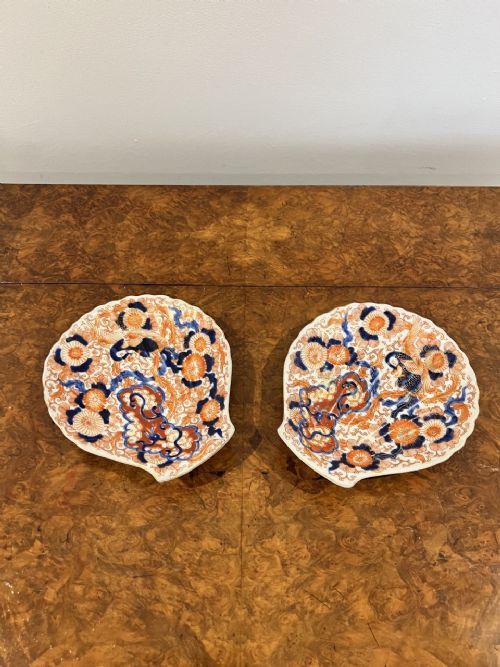
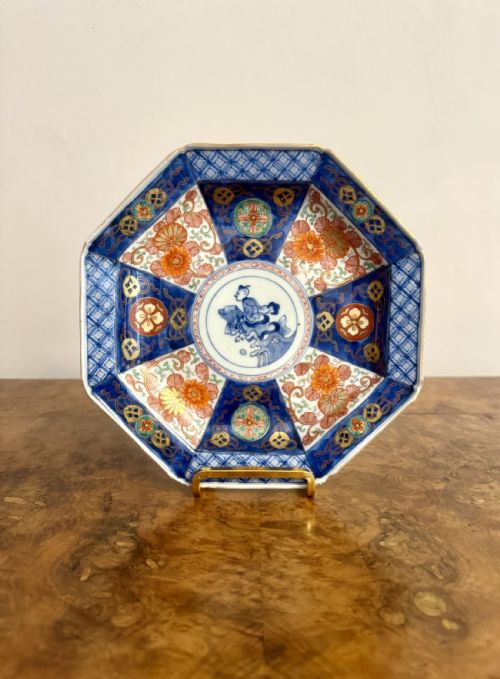
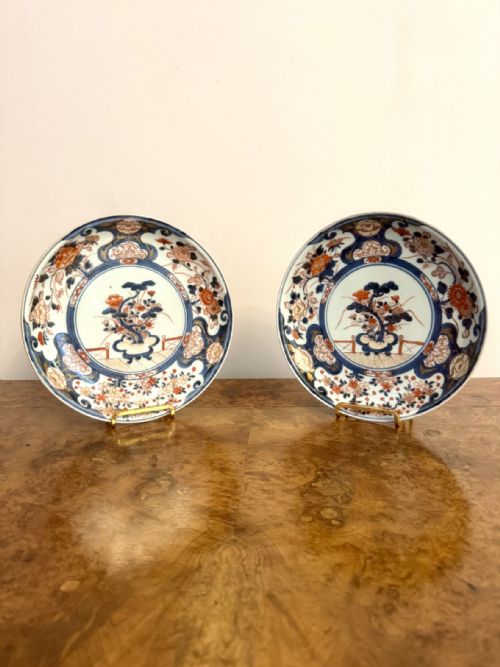
When you search for an edo period imari plate, you look at decorative plates, dishes, and chargers originating from Japan. The listings include circular forms alongside hexagonal, octagonal, square, fan-shaped, and shell-shaped vessels.
The objects on this page span from the seventeenth century through to the nineteenth century, including pieces associated with the Arita kilns. Chargers and large plates appear alongside smaller domestic dishes.
Round chargers and scalloped plates dominate the selection, though specialist shapes like fish and clamshells emerge in specific nineteenth-century items.

Materials and construction
Potters shaped ceramic and porcelain body materials into plates, dishes, and chargers before applying cobalt underglaze. Artisans then added enamel colours and gold leaf highlights to the fired surface.
Kiln workers in Arita and surrounding centres utilised traditional ceramic techniques to form octagonal, hexagonal, and organic shell profiles. Selected items received hand-painted details directly onto the glaze.
Edo Period Imari Plate Retail Price Guide 2026
Typical asking prices for edo period imari plate among the pieces listed under this phrase on Sellingantiques today, from the lower quarter to the upper quarter. They describe what is for sale here now, not the wider market.
Potters shaped porcelain into marine life, letting dinner guests dine with fish and clams long before the meal arrived.
Judging quality in Imari ceramics
The refinement of the hand-painted brushwork separates standard domestic items from superior examples. Precision in the application of enamel and gold leaf dictates the visual hierarchy of the plate.
Unusual moulding, such as fan, fish, or clam shell forms, requires greater technical skill from the potter. The crispness of the porcelain body and the depth of the cobalt underglaze determine the standard of the piece.
The Edo Period Imari Plate Glossary
- Imari
- A style of Japanese porcelain decorated in cobalt blue, iron red, and gold. It takes its port name from the shipment point for Arita wares.
- Charger
- A large decorative plate intended for display rather than for serving food at the table. These substantial pieces anchor a collection.
- Arita
- The Japanese town and ceramic centre where these porcelain bodies were produced. Kilns in this region supplied domestic and export markets.
- Cobalt Underglaze
- Pigment applied to the raw porcelain body prior to glazing and firing. This blue pigment remains permanent and sharp beneath the clear glaze.
- Enamel
- Opaque glass-like paint applied over the fired glaze and fixed in a second, lower-temperature firing. This technique introduces reds, greens, and other colours to the palette.
Edo Period Imari Plate: Frequently Asked Questions
How were Imari chargers used?
These large ceramic chargers served primarily as decorative display items in reception rooms rather than functional tableware. Their scale and rich decoration made them central ornaments on walls or furniture.
Over subsequent centuries, collectors continued to mount or display them to showcase the intricate cobalt underglaze and enamel palette.
What shapes do these plates take?
While standard round plates and large chargers form the majority of the category, potters also produced hexagonal, octagonal, and square variants. Specialised forms mimicking fans, fish, and clamshells occur within the selection.
These varied silhouettes reflect both domestic Japanese preferences and export demands during the Edo and Meiji periods.
How do I date an Imari plate?
Dating relies on stylistic shifts in the painting, the form of the porcelain body, and kiln origins associated with Arita production. Seventeenth-century examples often display simpler dished profiles and restrained palettes.
Nineteenth-century items frequently introduce denser enamel work, complex moulded shapes like shells, and extensive gold leaf highlights.
Can I use these plates for dining?
These antique porcelain pieces are intended for collection and display rather than daily culinary use. The delicate enamel and gold leaf decorations on the glazed surface are vulnerable to cutlery and frequent washing.
Preserving the original condition requires keeping them as cabinet specimens or wall chargers.