




Blue Red Imari Plate
These blue red imari plate pieces bring vibrant Meiji period ceramic work into your home.

What blue red imari plate pieces are
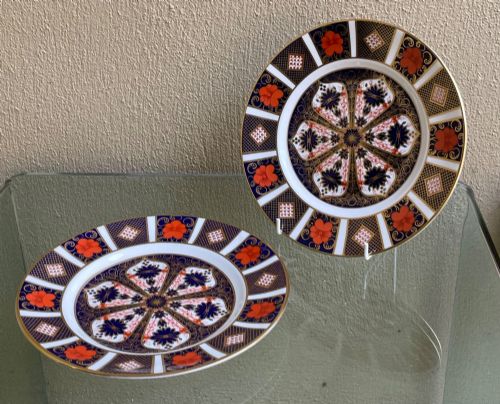
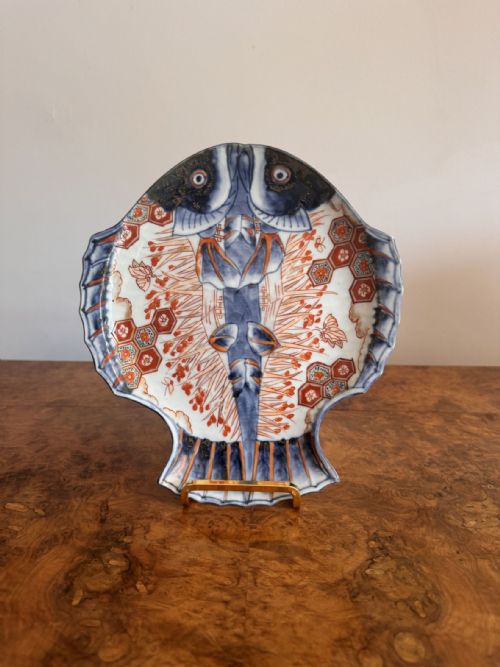
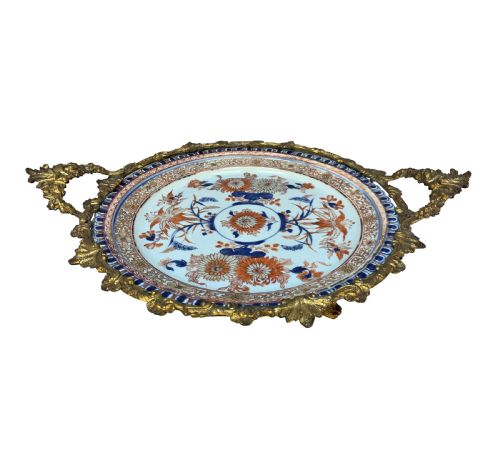
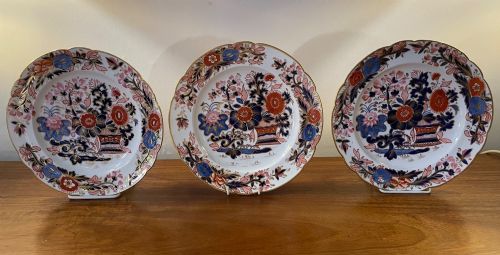
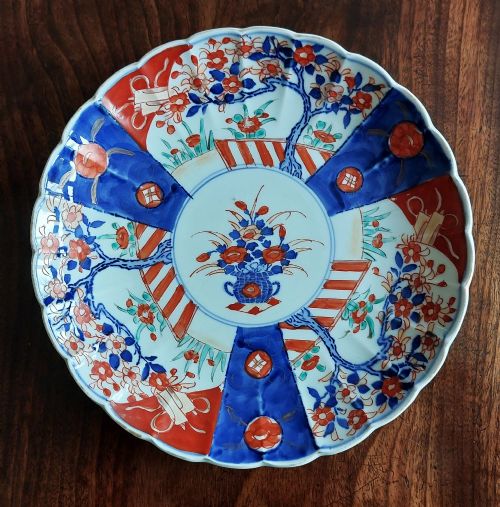
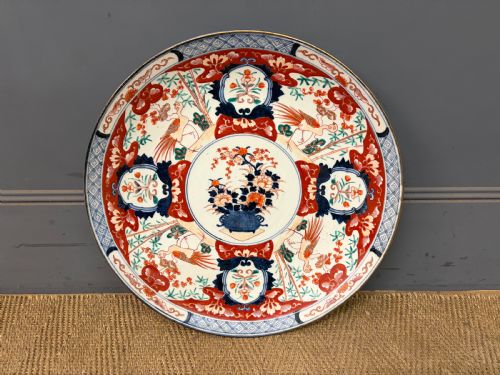
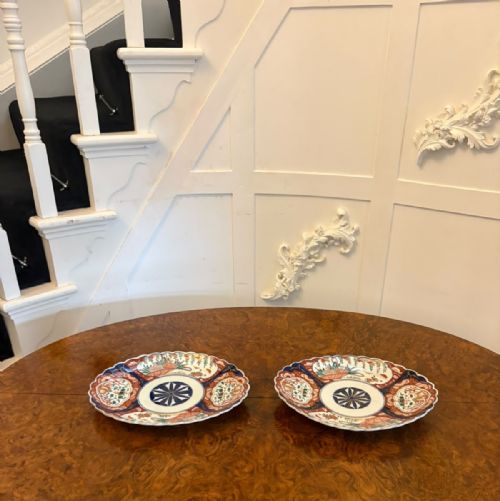
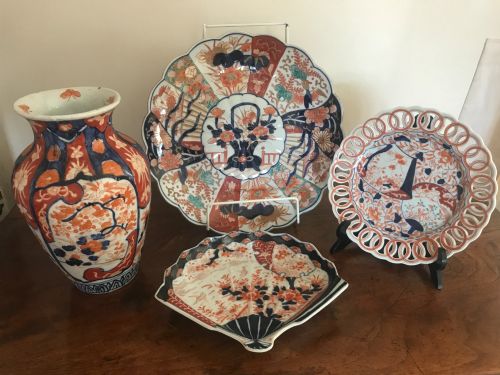
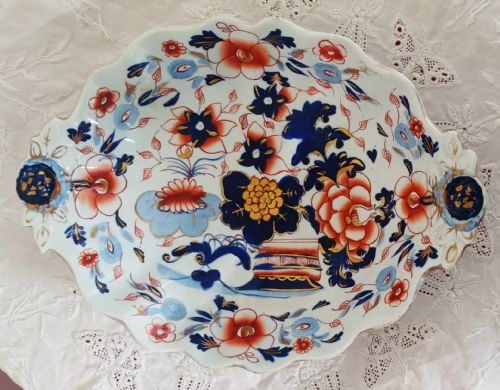
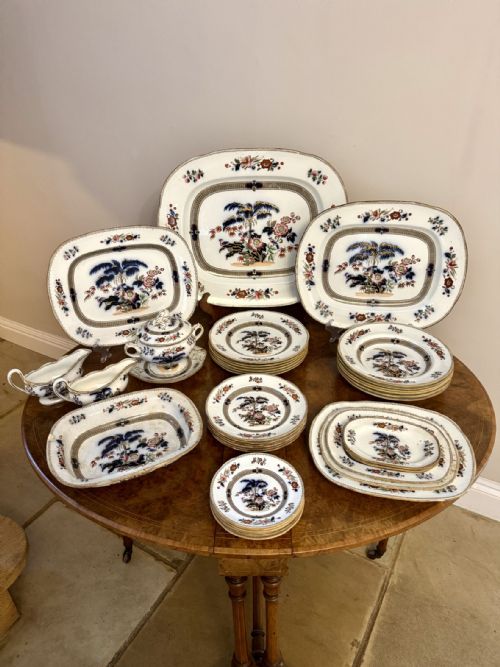
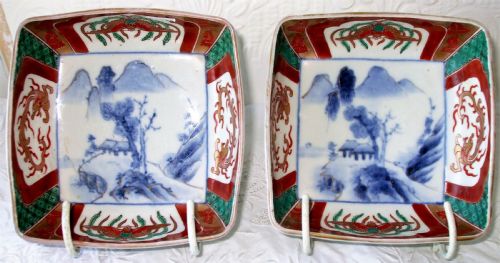
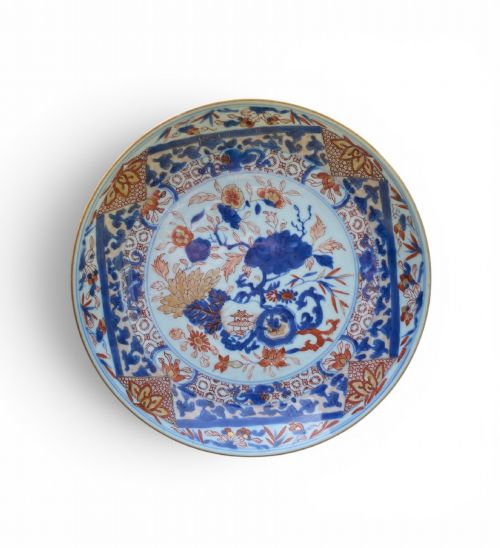
A blue red imari plate stands as a striking example of decorative ceramic art from the Japanese Meiji period and the year 1900. These decorative plates and chargers display the distinctive aesthetic that collectors seek when exploring Japanese Imari traditions.
The pieces on this page include large plates and scalloped shaped edge examples. Such forms showcase the traditional aesthetic developed across these historical eras.
How they were made
These items utilise porcelain and ceramic as their primary foundation. Artisans applied enamel and gold leaf to achieve the characteristic visual depth.
The combination of ceramic bodies with enamel and gold leaf creates the rich surfaces seen on these chargers and wall plates.
Retail Price Guide 2026
Typical UK retail prices for blue red imari plate, calculated from the Sellingantiques database of over a million retail prices indexed since 2003. This retail price guide relies exclusively on Sellingantiques data; no external sources or auction records are used, so the figures do not describe the wider market.
Current listings feature pieces from 1900 and the Victorian period, utilising porcelain, ceramic, enamel, and gold leaf in Japanese Imari and Japanese Meiji styles.
What varies in quality
The refinement of the enamel work and the precision of the gold leaf application distinguish the superior examples from simpler ones. Artisanal skill in shaping the porcelain dictates the overall presence of each piece.
Scalloped shaped edge designs require careful execution to maintain symmetry and balance across the ceramic surface.
The Blue Red Imari Plate Glossary
- Imari
- A style of Japanese porcelain traditionally decorated in underglaze blue, iron red, and gold leaf. This aesthetic originated in Japan and influenced makers worldwide.
- Charger
- A large decorative plate used historically for presentation or wall display rather than dining. These substantial pieces highlight detailed enamel and gold work.
- Meiji
- The historical period in Japan spanning from 1868 to 1912, known for significant export of decorative ceramics. Pieces from this era often feature complex Japanese Imari designs.
- Enamel
- Opaque vitreous material fused to the ceramic surface to add vibrant colour. This technique creates the rich red and blue tones characteristic of these plates.
Frequently Asked Questions
What is a blue red imari plate?
These items are decorative ceramic plates and chargers originating from Japan around 1900 during the Meiji period.
They utilise porcelain bodies finished with enamel and gold leaf to create distinctive traditional patterns.
How were these plates used?
Many of these large plates and chargers served as decorative wall plates or centrepiece displays in homes.
Their substantial size and vibrant enamel decoration made them ideal for visual presentation rather than daily service.
What materials make up these pieces?
The core structure consists of ceramic or porcelain formed into decorative plates and chargers.
Artisans then applied enamel and gold leaf to build the colourful traditional surface designs.
How do I identify a Meiji period piece?
Meiji period pieces often align with the year 1900 and exhibit traditional Japanese Imari styles.
Look for the characteristic combination of porcelain, enamel, and gold leaf work typical of this era.