







Meiji Period Charger
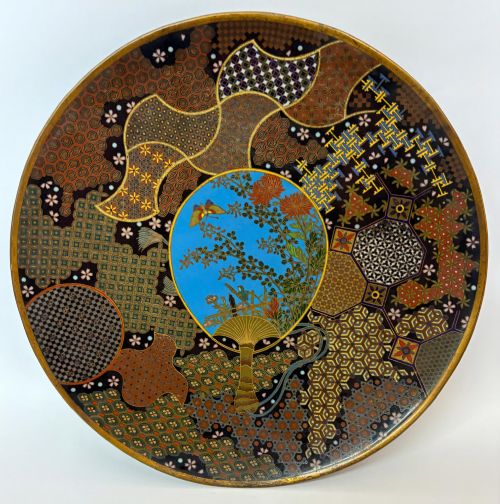
A meiji period charger brings grand scale and intricate Japanese artistry into a room, serving primarily as a decorative display dish.

Meiji Period Charger
A meiji period charger sits at the crossroads of traditional Japanese craftsmanship and late nineteenth-century decorative arts. Buyers searching this phrase encounter large circular plates, trays, and shallow bowls designed principally for display rather than dining.
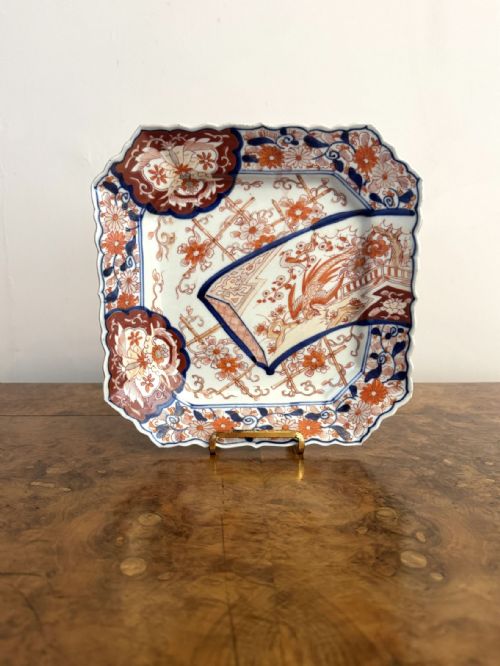
The objects appearing on this page span from the middle nineteenth century through to the early twentieth century, encompassing Victorian-era imports alongside pieces made directly in Japan. Forms include fluted, scalloped, octagonal, and square variations of porcelain, bronze, and enamel wares.
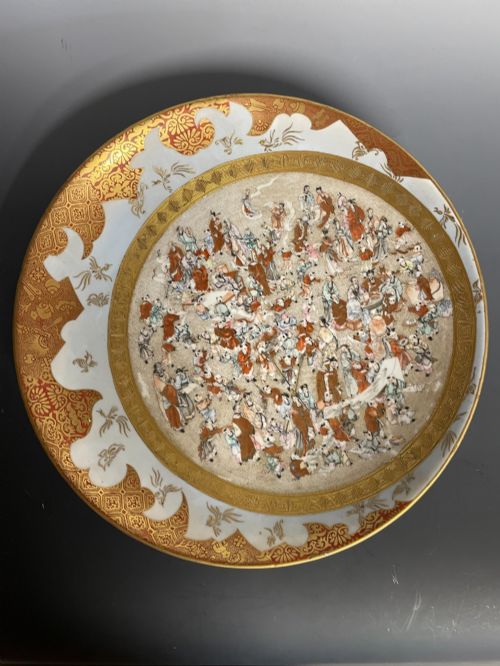
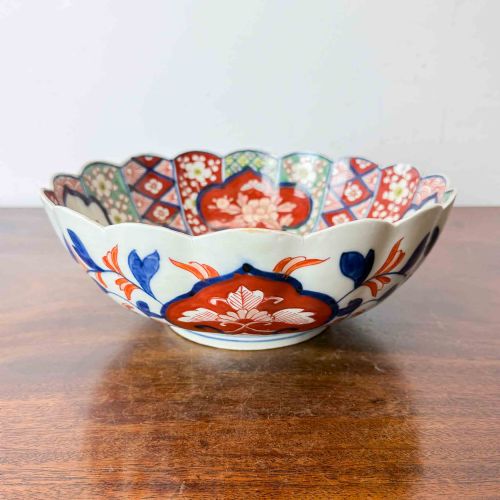
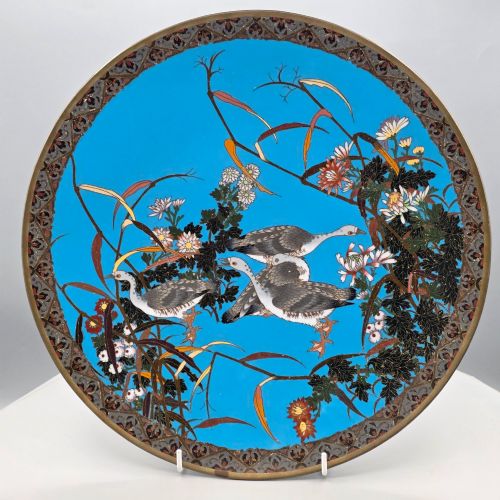
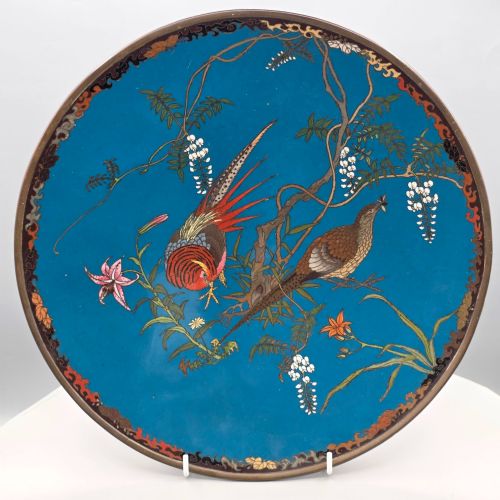
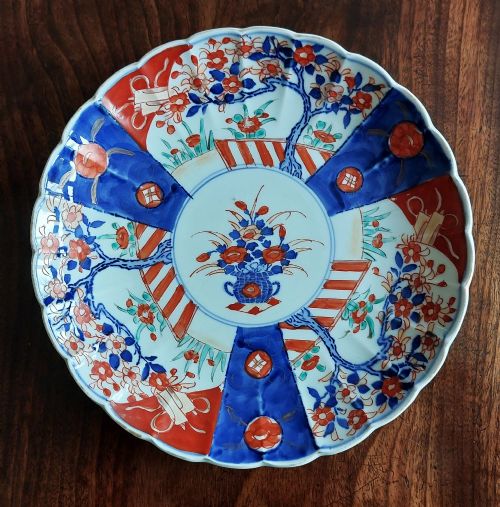
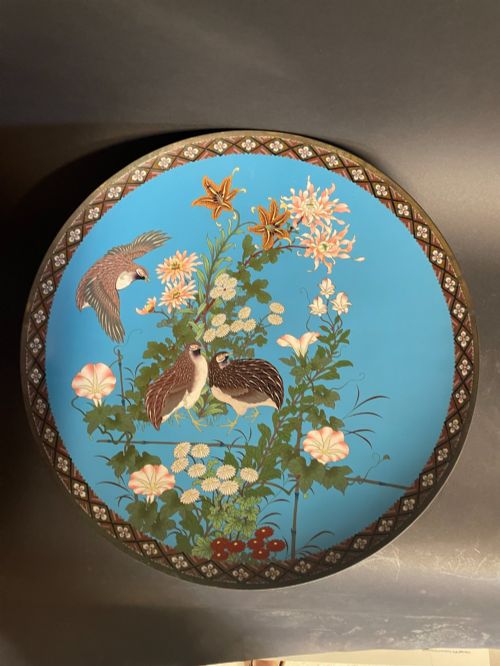
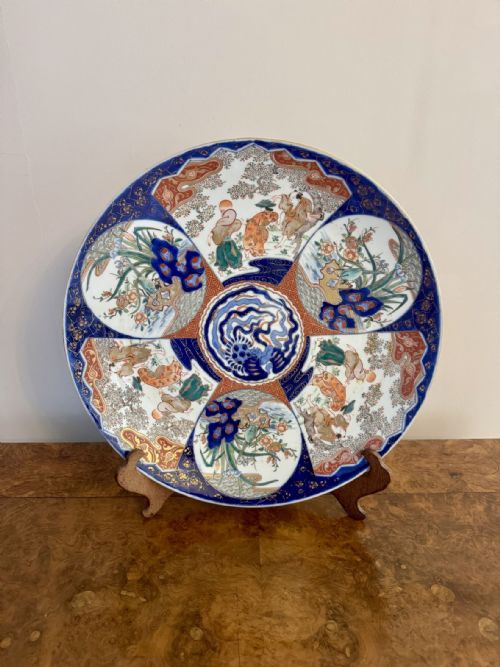
Imari palette designs, Kutani wares, and cloisonne enamel compositions dominate the selection. These pieces frequently feature hand-painted floral, bird, and landscape motifs, reflecting the aesthetic output of the era.
Materials and Techniques
Ceramic chargers utilise porcelain and Arita clays shaped into large plates and bowls, then painted in blue and white or the characteristic Imari palette using glazes. Metal examples employ copper, brass, and bronze as a base for intricate cloisonne enamel work or mixed metal onlays.
Enamelling techniques involve soldering fine wire cells onto a metal body, filling those compartments with coloured glass paste, and firing the surface. Gold leaf, gilt, and mixed metals frequently accent both the ceramic and metallic compositions.
Meiji Period Charger Retail Price Guide 2026
Typical asking prices for meiji period charger among the pieces listed under this phrase on Sellingantiques today, from the lower quarter to the upper quarter. They describe what is for sale here now, not the wider market.
Listings feature porcelain, copper, brass, and bronze materials decorated with cloisonne enamel, gold leaf, and traditional glazes across the nineteenth and early twentieth centuries.
Assessing Quality
Quality rests upon the precision of the hand-painted brushwork or the exactness of the wirework in cloisonne pieces. Finer examples display meticulous detail in motifs such as birds, flowers, and figures, with balanced compositions across the wide surface of the charger.
The weight and stability of the metal or porcelain base dictate the physical presence of the object. Superior items demonstrate careful control during high-temperature firing, resulting in clean glazes and well-aligned patterns without blurring or distortion.
Koshida·Nogawa·Fukugawa
The Meiji Period Charger Glossary
- Charger
- A large ornamental plate or dish intended for display on a wall or surface rather than for serving food. These pieces typically measure significantly wider than standard dinner plates.
- Imari palette
- A traditional decorative colour scheme utilising underglaze blue, iron red, and gilt highlights on a white porcelain background. This style originated in Japan and gained massive popularity in the West during the nineteenth century.
- Cloisonne
- A metalwork technique where fine wires create small compartments on a vessel, which are then filled with enamel paste and fired. The resulting surface presents a smooth, multicoloured pattern.
- Kutani
- A style of Japanese coloured porcelain known for bold pictorial designs and rich overglaze enamels. These works frequently incorporate intricate depictions of nature and figures.
- Arita
- A Japanese town and production centre renowned for manufacturing early porcelain wares. Items from this region form the backbone of many antique blue and white and Imari collections.
Meiji Period Charger: Frequently Asked Questions
How were antique chargers displayed?
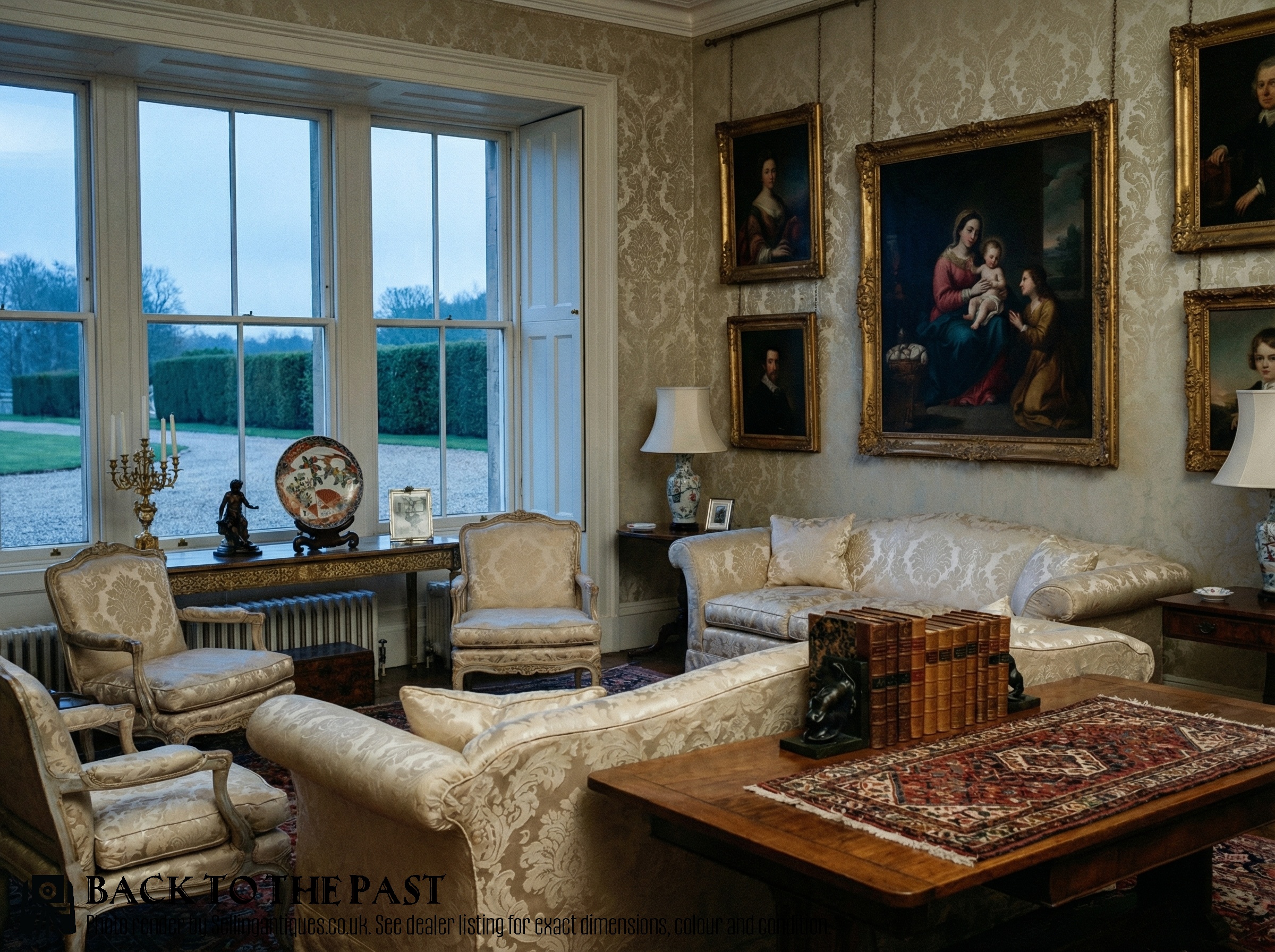
These large decorative plates were traditionally stood on specially constructed plate stands or hung directly on walls to showcase their intricate designs.
Their substantial scale made them focal points in nineteenth-century reception rooms and parlours.
What is the difference between Imari and Kutani?
Imari wares rely on a distinct palette of underglaze blue, iron red, and gold, often featuring geometric and floral layouts. Kutani wares tend to employ bolder pictorial scenes rendered in a wider range of overglaze enamels.
Both styles date extensively to the late nineteenth-century Japanese export market.
How do I care for a cloisonne charger?
Dust the surface gently with a soft, dry cloth to prevent the accumulation of particles in the wire recesses. Avoid using liquid cleaners, abrasive cloths, or chemical polishes, as these can damage the delicate enamel and metalwork.
Keep the piece away from direct sunlight and areas of high humidity.