





Japanese Ceramic Charger
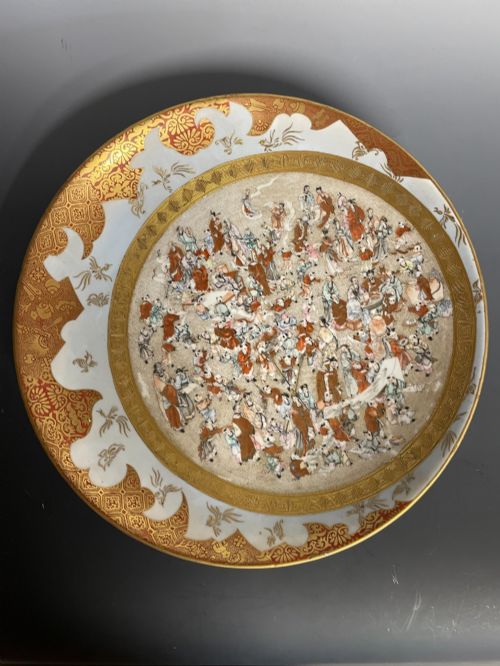
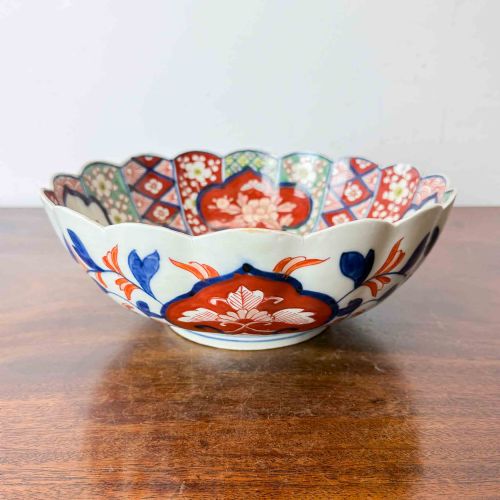
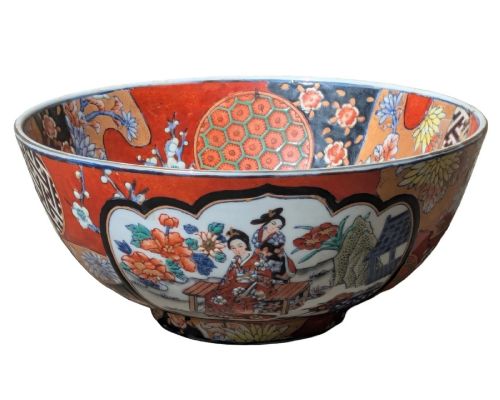
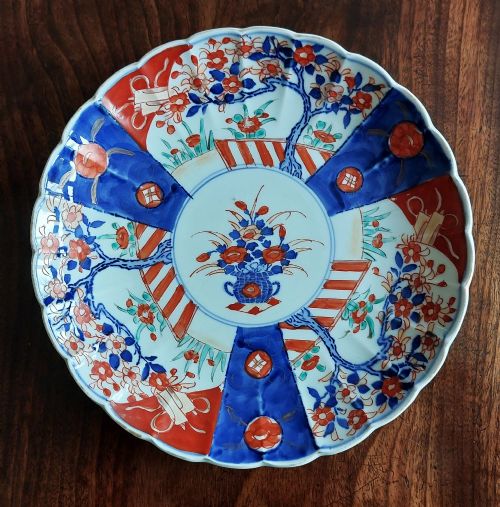
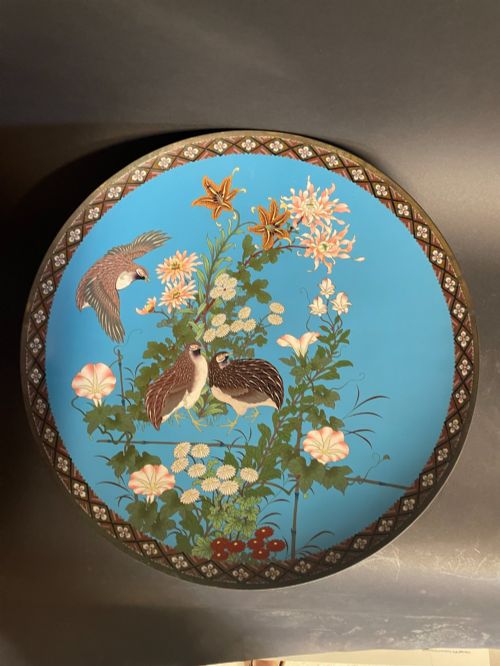
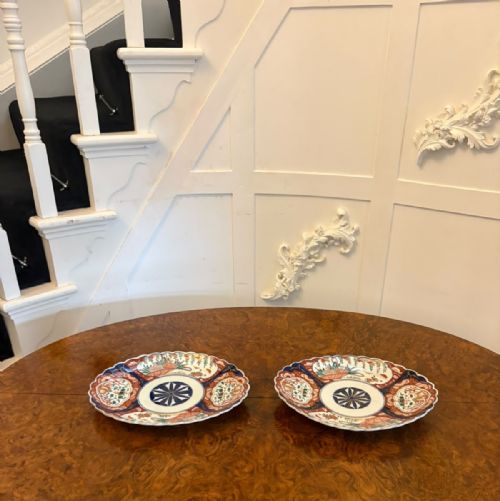
These Japanese ceramic charger examples are striking decorative plates that bring traditional Meiji period artistry and vibrant imari palettes into a room.
Understanding Japanese ceramic charger pieces
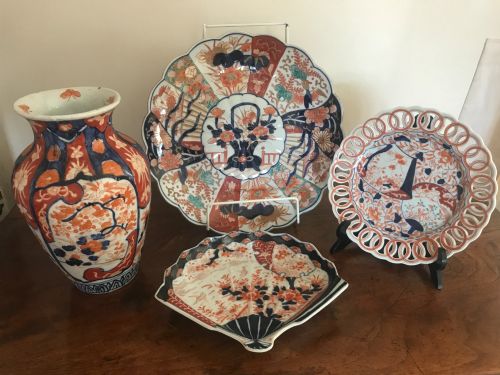
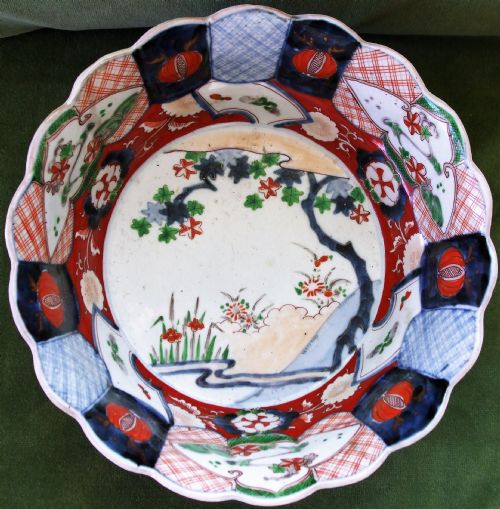
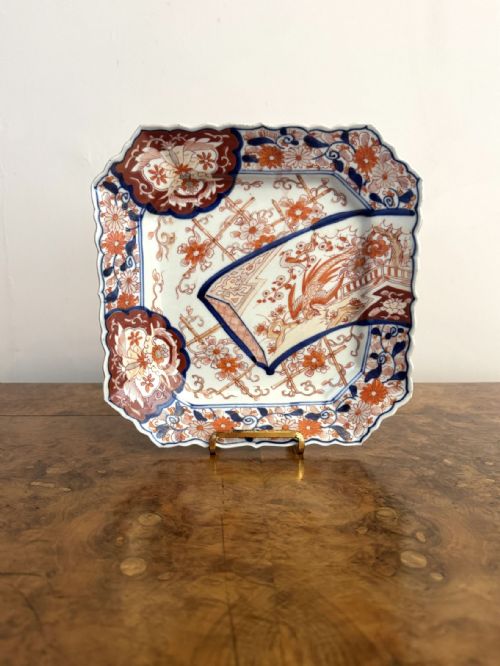
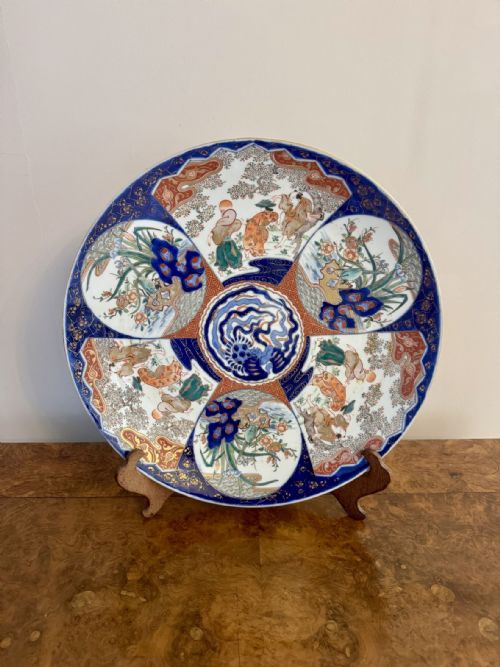
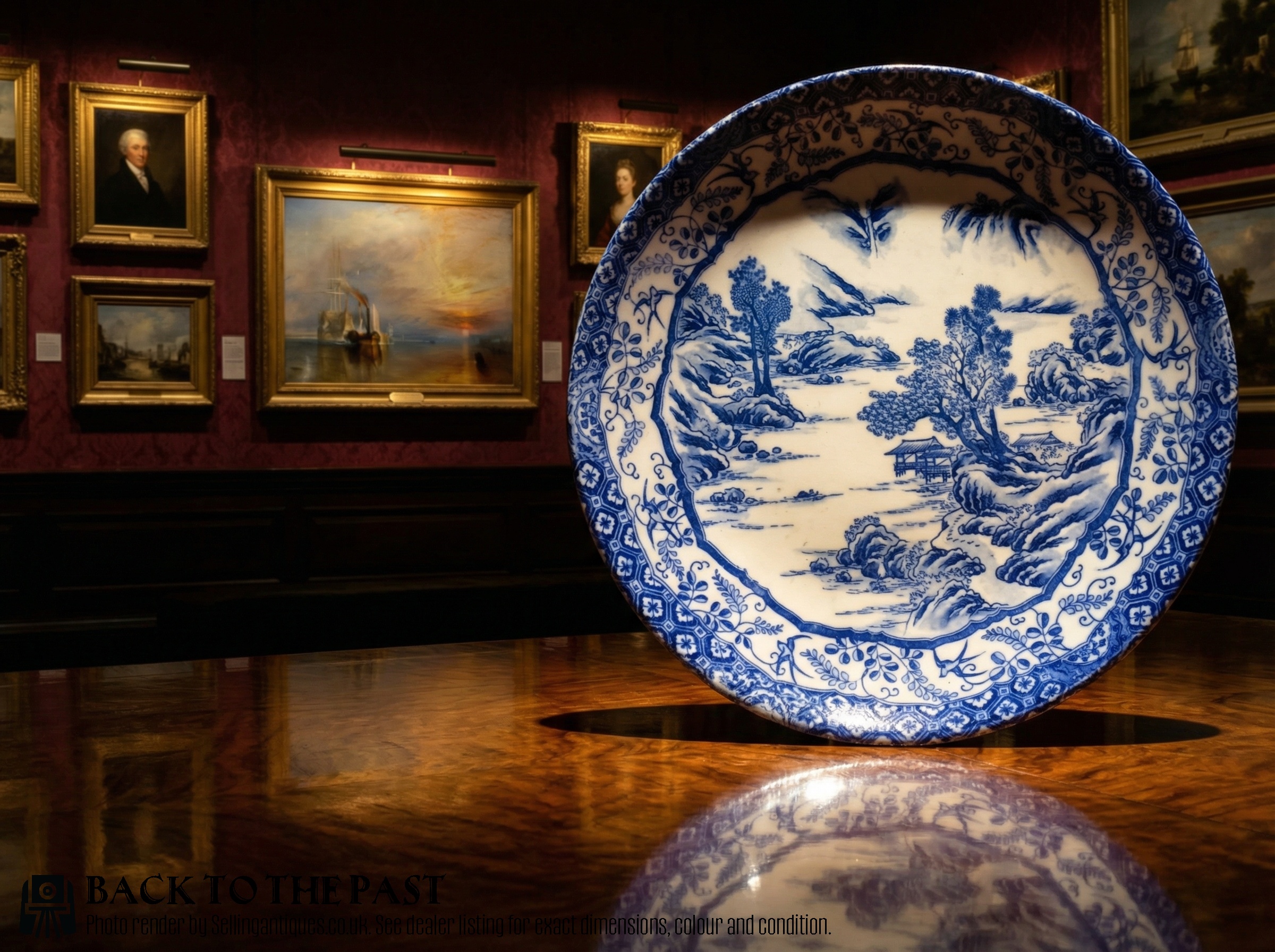
A Japanese ceramic charger stands as a large decorative plate designed for display rather than dining. The examples seen here include standard chargers, unusual shaped plates, and large decorative plates.
Most pieces on this page trace back to the nineteenth century, specifically spanning the 1880s, 1890s, and 1900. These items reflect the traditional forms and aesthetics of the Japanese Meiji period.
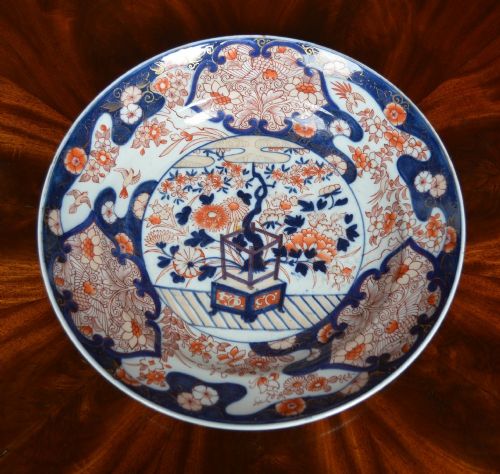
The dominant style represented in these listings is Japanese Imari. Buyers encounter both substantial chargers and decorative plates that showcase these classic historical motifs.
Materials and construction
The foundation of every piece is durable porcelain shaped into wide, flat plates and deep chargers. Makers then applied colourful glaze to seal the body and create a smooth, glossy surface.
Decoration relied heavily on detailed enamel work and fine gold leaf or gilt details. These metallic and enamel elements were layered over the fired porcelain to build up rich, ornate patterns.
Retail Price Guide 2026
Typical UK retail prices for japanese ceramic charger, calculated from the Sellingantiques database of over a million retail prices indexed since 2003. This retail price guide relies exclusively on Sellingantiques data; no external sources or auction records are used, so the figures do not describe the wider market.
Listings feature porcelain pieces primarily from the nineteenth century, including specific dates such as 1880, 1890, and 1900.
Assessing quality and craftsmanship
Quality reveals itself in the precision of the enamel work and the generosity of the gold leaf application. Finer pieces demonstrate careful hand-painting that remains crisp and vibrant across the wide surface of the plate.
The weight and consistency of the porcelain body also distinguish superior items. Better examples maintain a balanced form without warping during the high-temperature firing process.
Fukagawa Seiji Company
The Japanese Ceramic Charger Glossary
- Charger
- A large decorative plate traditionally intended for display on a wall or sideboard rather than for serving food at the table.
- Imari
- A traditional style of Japanese export porcelain characterised by a distinct palette of underglaze blue, iron red, and gilt highlights.
- Meiji Period
- The historical era in Japan lasting from 1868 to 1912, known for prolific ceramic production aimed at international export.
- Gilt
- A thin layer of gold applied to the surface of the ceramic to accent patterns and add metallic lustre to the design.
Frequently Asked Questions
How were Japanese ceramic chargers used?
These large plates served primarily as decorative showpieces in homes. Owners placed them on tables, stands, or mounted them on walls to display wealth and artistic taste.
They were rarely used for holding food due to their size and ornate surface decoration. Instead, their main purpose was visual impact within a formal interior.
How do I display a charger safely?
Wall mounting requires sturdy plate hangers specifically designed for heavy porcelain items. Ensure the weight is supported evenly across the rim.
Alternatively, a secure display stand holds the piece upright on a mantelpiece or cabinet. Keep the charger away from high-traffic areas where it might get knocked.
How can I tell the period?
Dating relies on stylistic markers, materials, and documented maker marks when present. Pieces from the late nineteenth century often reflect the Meiji period export boom.
Examining the wear on the foot ring and the quality of the glaze provides further clues to age. Comparing the decorative motifs to known archives helps confirm the era.
What is Japanese Imari style?
Imari refers to porcelain decorated in contrasting colours, predominantly iron red, cobalt blue, and gold leaf. The designs often feature intricate floral and geometric panels.
This style became immensely popular in Europe during the nineteenth century. The technique creates a bold, layered visual effect across the surface of the plate.