






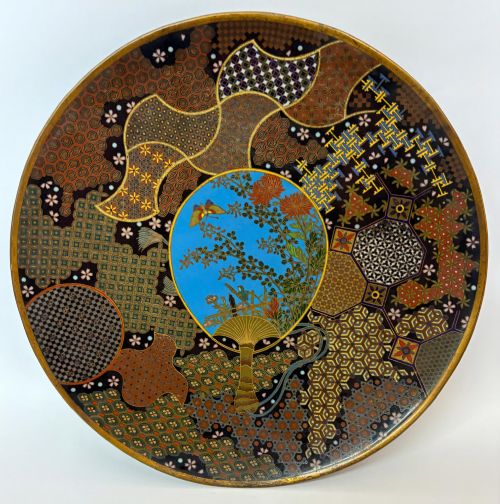

Japanese Display Plate
A Japanese display plate brings intricate hand-painted detail and rich historical craft into any room.
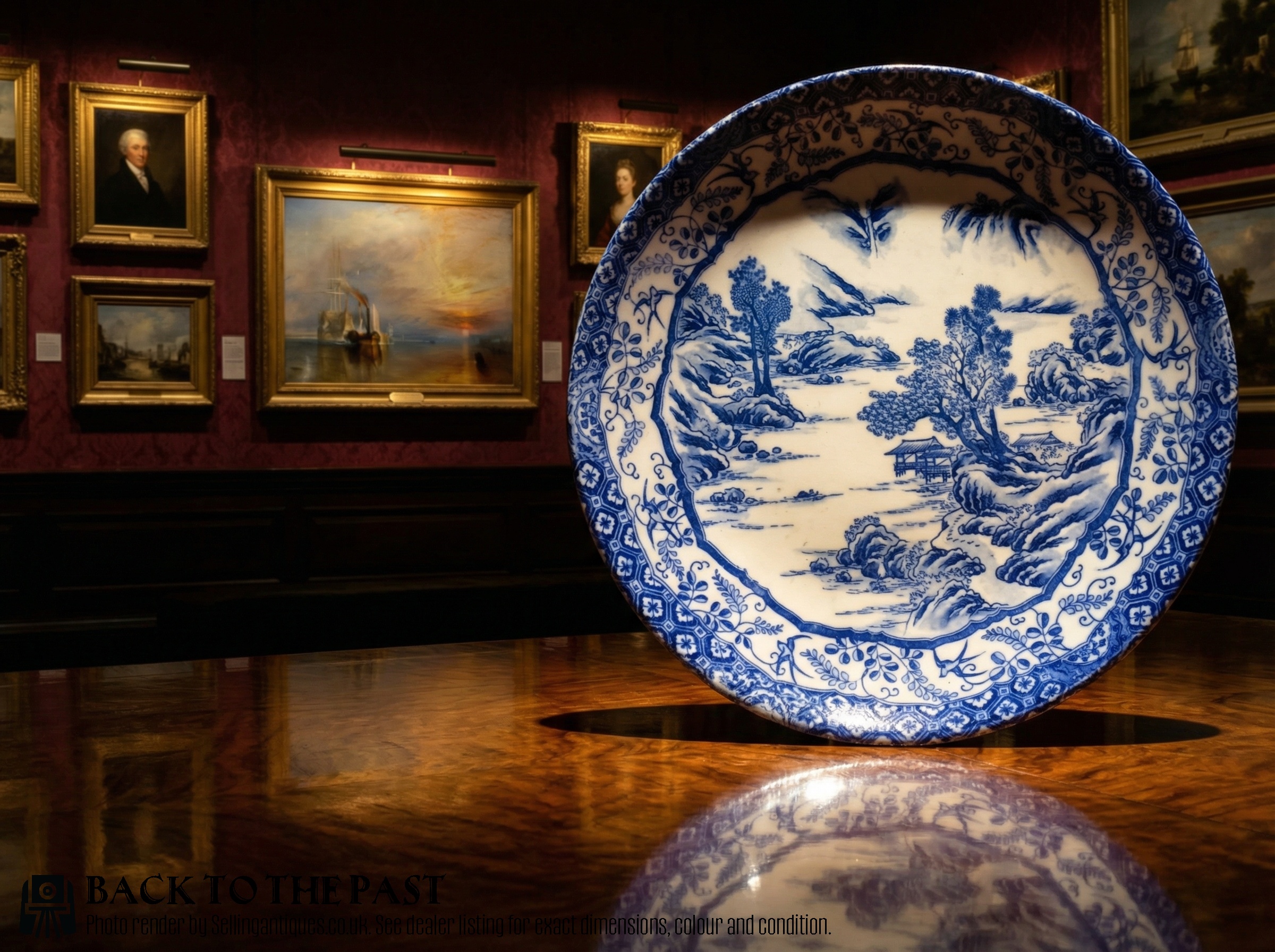
Japanese Display Plate
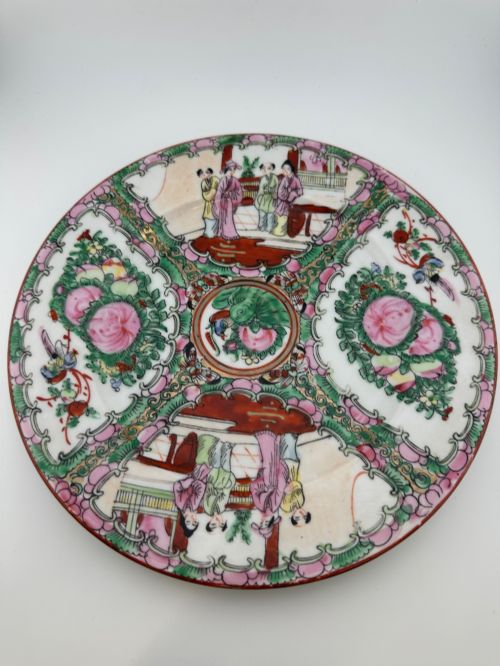
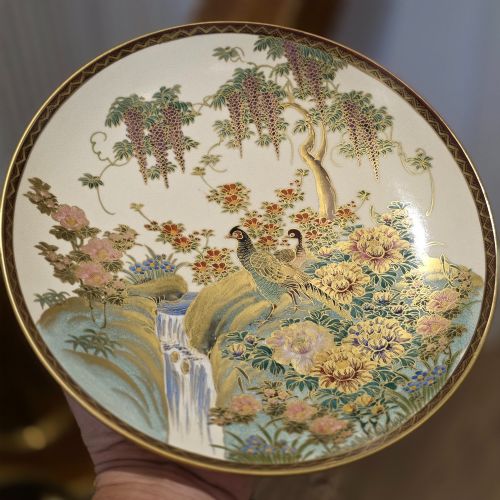
A Japanese display plate encompasses decorative ceramics and cloisonne chargers designed specifically for visual presentation rather than daily dining. These objects frequently emerge from the Meiji period and the nineteenth century, reflecting extensive international trade and artistic exchange.
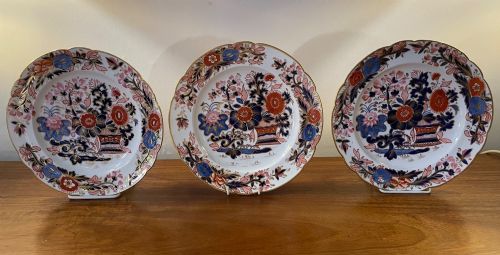
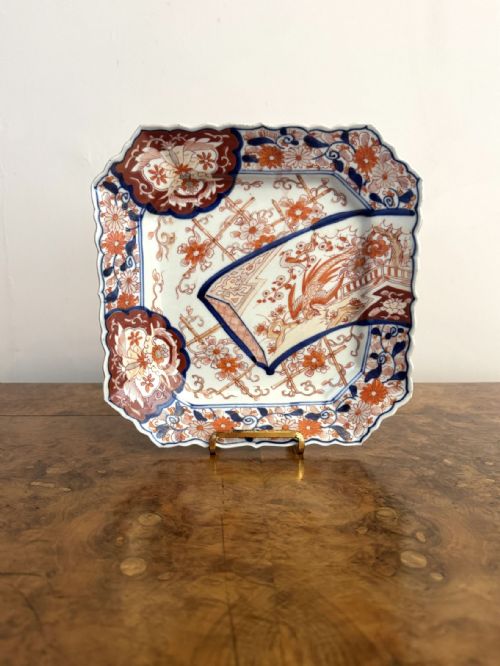
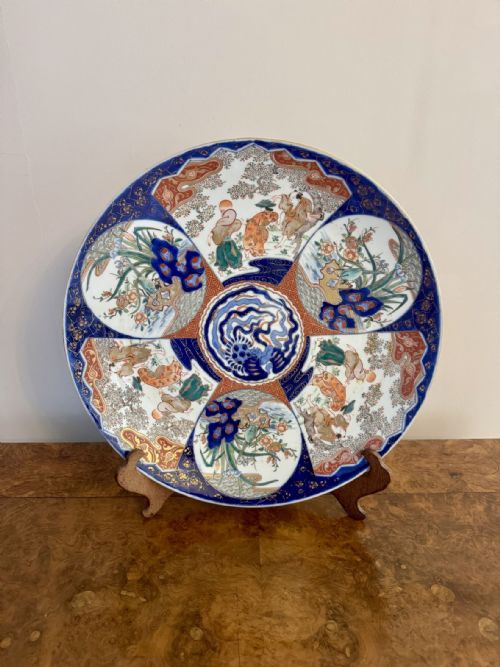
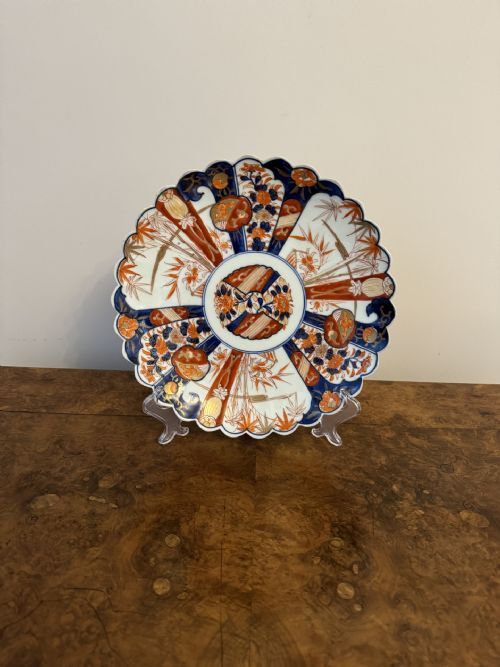
Buyers will encounter large Imari chargers alongside smaller porcelain dishes and square or scalloped cabinet plates. Many examples display traditional motifs such as exotic birds, floral patterns, and detailed landscapes.
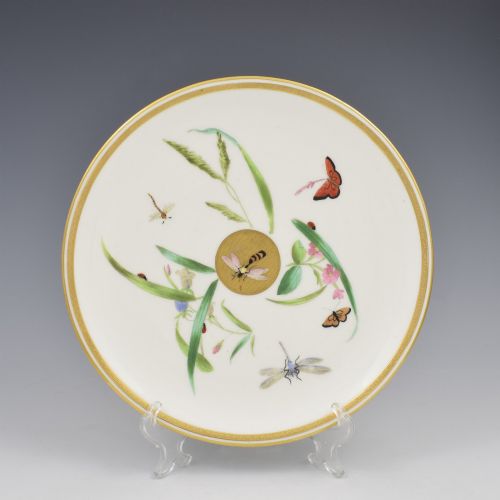
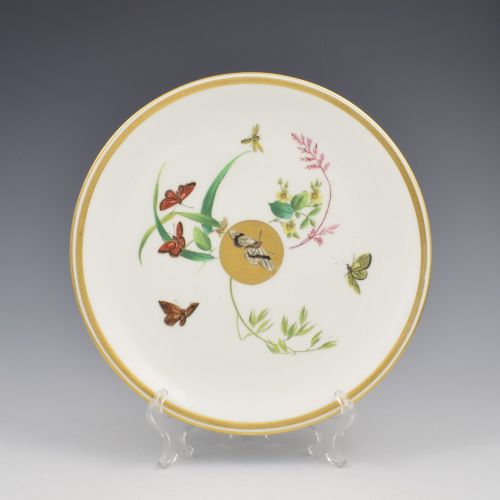
Occasional items include British ceramic interpretations from the Victorian era that adopt a distinct Japanese style, demonstrating the broader aesthetic influence of the period.
How they were made
Porcelain and earthenware forms provide the solid foundation for these pieces, shaped into rounds, squares, and hexagons. Artisans applied cobalt blue, enamel colours, and gold leaf by hand to build complex surface patterns.
Cloisonne examples utilise copper or brass wire soldered to a metal base to create individual cells, which are then filled with enamel paste and fired. Totai shippo pieces apply this cloisonne technique directly over a porcelain body.
Gilt highlights and fine brushwork complete the decoration, often fired multiple times to achieve depth and permanence in the glaze.
Materials documented across the collection include enamel, porcelain, gold leaf, copper, brass, and earthenware.
What varies in quality
The precision and density of the hand-painted or enamelled detail separate standard items from finer works. Masterpieces display exact brush control and balanced compositions across complex subjects like birds, deities, or natural scenes.
The weight and finish of the underlying porcelain or metal base also indicate the standard of production. Superior pieces maintain crisp moulding on scalloped edges and even application of glaze and gold leaf.
Koshida
The Japanese Display Plate Glossary
- Imari
- A style of Japanese porcelain featuring a distinct palette of underglaze blue, iron red, and gilt highlights. These pieces were heavily exported to Europe.
- Cloisonne
- A decorative metalwork technique where thin wire partitions hold enamel paste before firing. The method produces detailed pictorial surfaces.
- Charger
- A large ornamental plate intended for display on a wall or sideboard rather than for serving food. They measure considerably wider than standard dining plates.
- Meiji Period
- The era in Japanese history spanning from eighteen sixty-eight to nineteen twelve, known for opening international trade and exceptional decorative arts.
- Totai Shippo
- A specific technique where cloisonne enamel is applied directly onto a porcelain body rather than a traditional metal base.
Japanese Display Plate: Frequently Asked Questions
How were Japanese display plates used?
These large plates and chargers served primarily as decorative items for homes and formal interiors. Owners placed them on display stands, hung them on walls, or positioned them on sideboards to showcase intricate artistry.
Unlike everyday tableware, their delicate enamels and gilding meant they were preserved for visual appreciation rather than practical dining use.
How do I identify Meiji period pieces?
Meiji period items often date between eighteen sixty-eight and nineteen twelve, aligning with a surge in Japanese craftsmanship for export markets. Look for dense hand-painted motifs, rich Imari palettes, and detailed cloisonne work.
Many of these objects reflect traditional imagery including phoenixes, chrysanthemums, and Mount Fuji executed with high precision.
What is the difference between Imari and cloisonne?
Imari refers to porcelain decorated with underglaze blue, iron red, and gold, relying entirely on ceramic pigments and glaze fired in a kiln. Cloisonne involves metal bases with wire cells filled with coloured enamel.
While both appear frequently in Japanese decorative arts, their physical construction and tactile surfaces are entirely distinct.
How do I care for antique plates?
Keep these decorative plates away from direct sunlight to preserve the vibrancy of the enamel and gold leaf. Dust them gently with a soft, dry cloth without using harsh cleaning agents.
If displaying them upright on a stand, ensure the mount is secure and padded to protect the edges.