





Victorian Imari Wall Plate
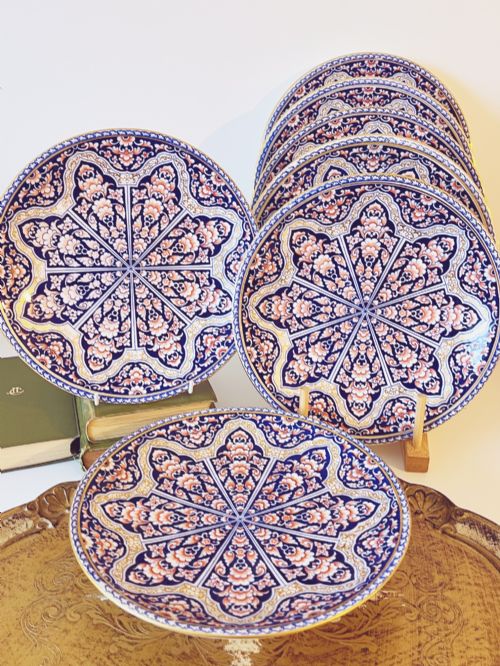
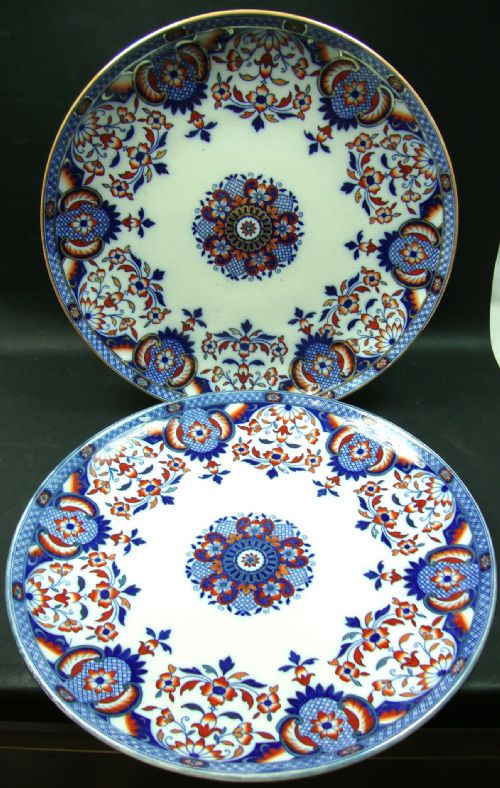
A victorian imari wall plate brings rich cobalt blue, iron red, and gold leaf straight to the drawing-room wall.
Victorian Imari Wall Plate
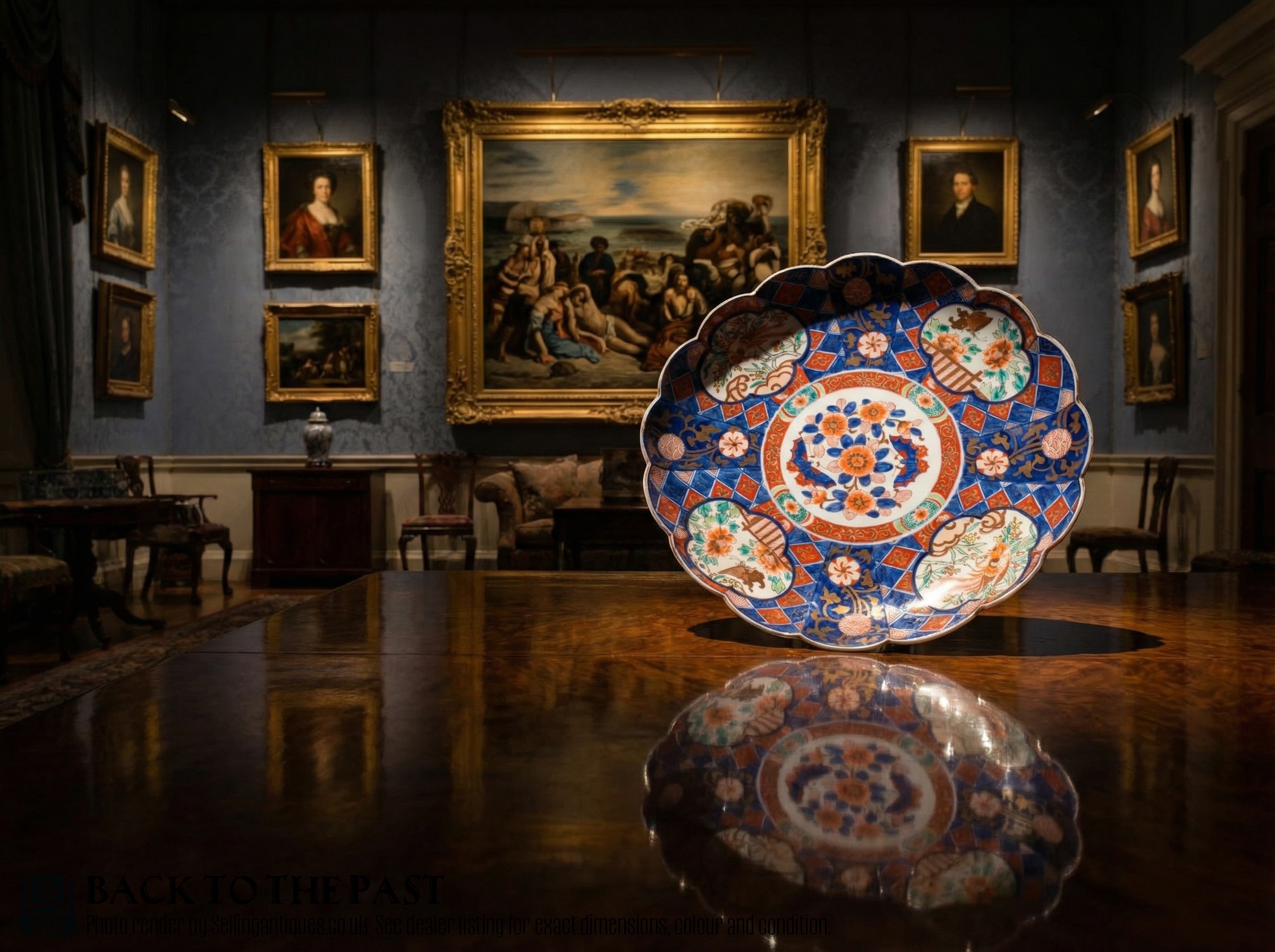
A victorian imari wall plate takes the classic Japanese Imari palette and filters it through nineteenth-century British and Japanese craftsmanship. These pieces span the nineteenth century, including specific dates around eighteen eighty and nineteen hundred.
The selection ranges from large decorative chargers and fruit display plates to complete dessert services and individual plates. Forms include scalloped edges and round ceramic platters suited for display.
Makers and origins encompass English ironstone, bone china, and stoneware alongside Japanese imports, showing styles like Victorian Chinoiserie and Japanese Meiji.
How they were made
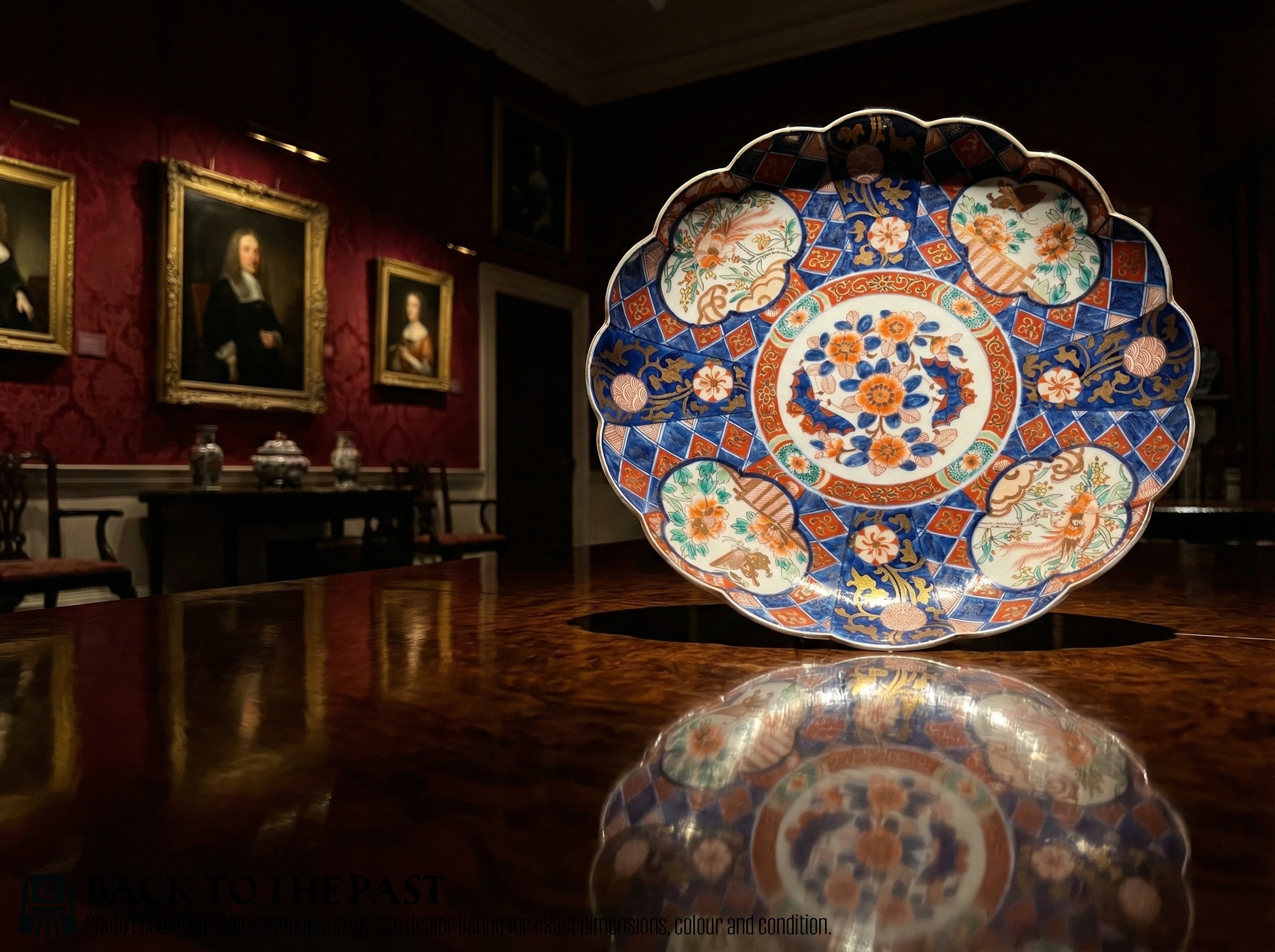
Potters shaped ceramic, porcelain, bone china, and ironstone into plates and chargers before applying underglaze blue and overglaze enamel colours. Gold leaf and gilt details were then added to catch the light.
Firing techniques allowed cobalt blue and iron red pigments to fuse with the glaze, producing durable decorative surfaces found on nineteenth-century tableware.
A Victorian plate maker's brush stroke still hides under the glaze, waiting for someone two centuries later to notice.
What varies in quality
The crispness of the enamel work and the precision of the gilt detailing separate standard production from superior pieces. Hand-painted patterns show distinct brushwork and depth in the cobalt blue and iron red pigments.
The choice of body material, from heavy ironstone to fine bone china or porcelain, affects the weight and ringing tone of the plate. Larger chargers and complete services demonstrate greater ambition in scale and pattern execution.
Royal Crown Derby·John Ridgway·Mintons·Masons Ironstone
The Victorian Imari Wall Plate Glossary
- Imari
- A style of ceramic decoration originating in Japan, characterised by a palette of cobalt blue, iron red, and gilt highlights. British potteries frequently copied and adapted this aesthetic during the nineteenth century.
- Ironstone
- A type of heavy, durable earthenware patented in the nineteenth century. It provides a robust body for patterned dinner and dessert services.
- Charger
- A large decorative plate intended for display on a wall, sideboard, or table rather than for everyday dining. These pieces often feature the most elaborate painted scenes.
- Comport
- A raised dish or bowl used traditionally for serving fruit as part of a dessert service. They frequently accompany matching sets of plates.
- Gilt
- A thin layer of gold applied to the surface of ceramics to accentuate rims and motifs. High-quality pieces retain bright, unrubbed gilding.
Victorian Imari Wall Plate: Frequently Asked Questions
How do I hang a heavy charger?
Large chargers require robust, spring-loaded brass wall hangers that grip the rim securely without scratching the glaze. Ensure the fixing in the wall anchors directly into solid brick or a stud.
Position the plate at eye level where the cobalt and gold details catch natural room light.
Can I use these plates for food?
Nineteenth-century ceramic and ironstone plates can serve cold foods, but hand-applied enamel and gold leaf risk wear from cutlery and modern dishwashers. Gentle hand washing preserves the historic glaze.
Most owners prefer to display them on walls or cabinets rather than risk daily kitchen use.
How do I date a nineteenth century plate?
Makers often stamped ironstone or porcelain bodies with registry marks, pattern names, or factory ciphers on the reverse. Stylistic clues like the shift toward Aesthetic Movement or Meiji influences also help narrow the decade.
Comparison with documented date marks provides the most reliable timeline.
What is the difference between ironstone and porcelain?
Ironstone is a dense, opaque earthenware designed for everyday durability while mimicking porcelain. Bone china and porcelain are finer, whiter bodies that allow more translucency when held to light.
Both materials carried the rich Imari palette successfully throughout the Victorian era.