



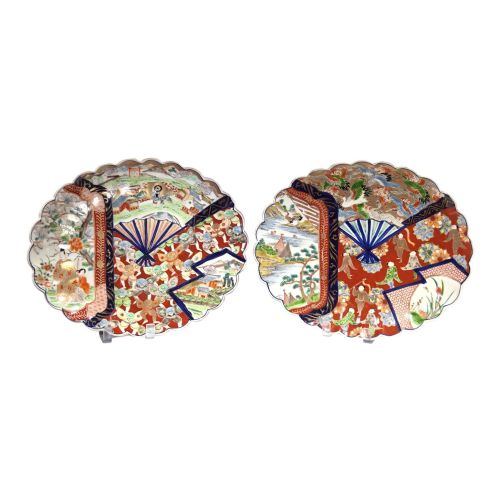


Meiji Period Imari Platter
A meiji period imari platter is a bold ceramic centrepiece that brings vibrant colour and intricate hand-painted detail to any room.

Meiji Period Imari Platter
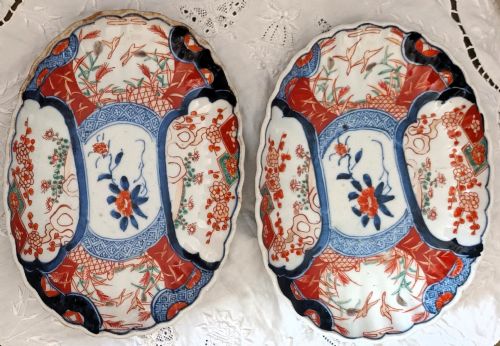
When you search for a meiji period imari platter, you encounter a selection of Japanese decorative plates, chargers, and dishes originating from the late nineteenth century and the early twentieth century. These pieces emerge from traditional production centres like Arita, reflecting the distinct Japanese Meiji period aesthetic alongside Edo influences.
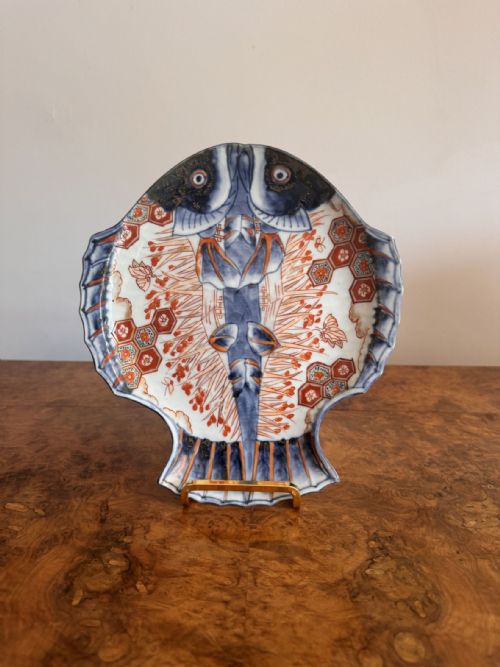
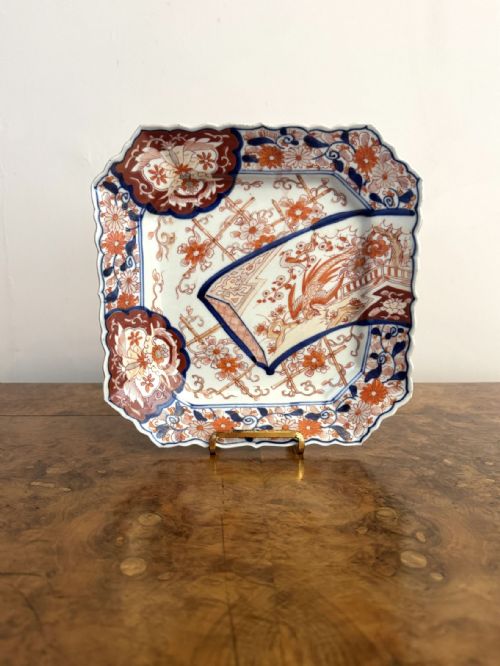
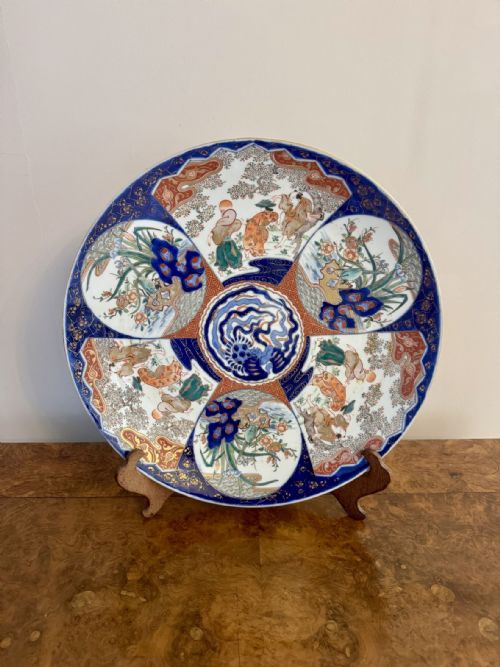
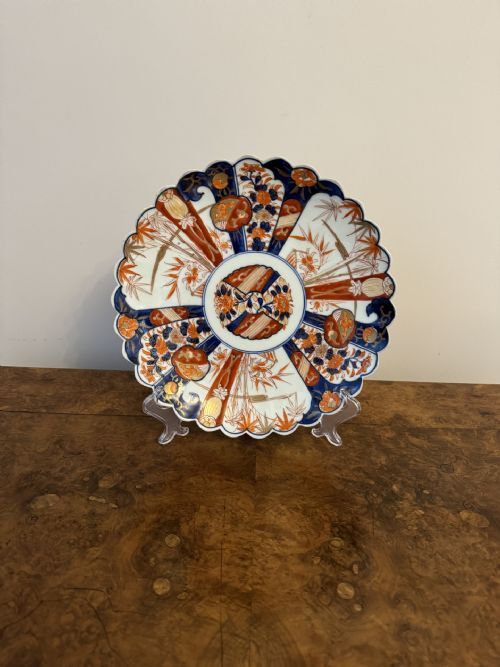
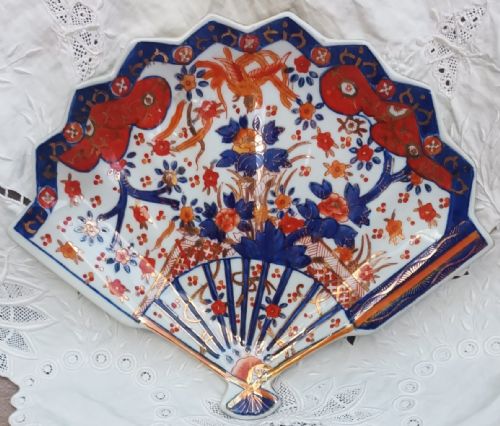
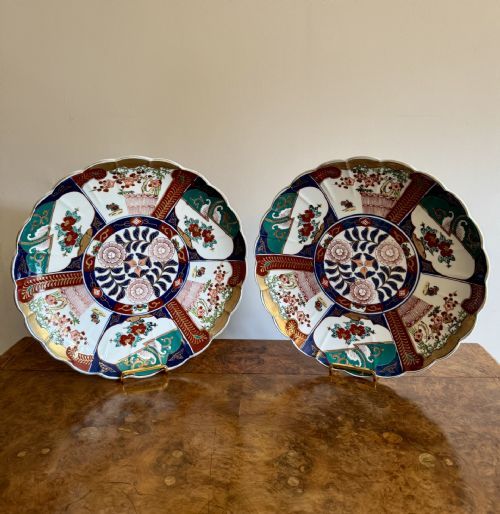
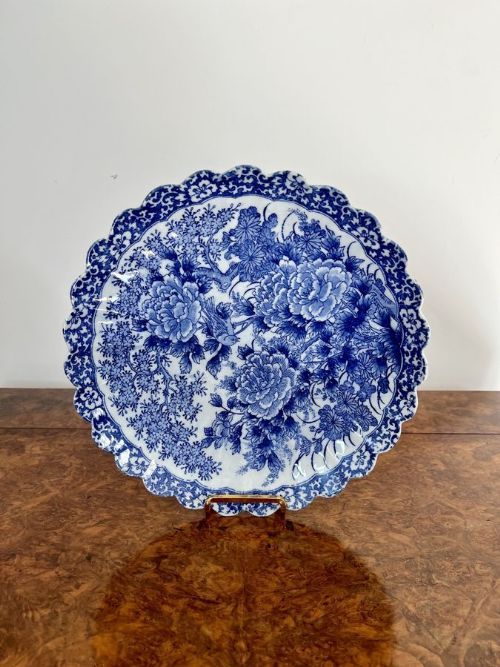
The items listed on this page appear in various shapes, ranging from large circular chargers and scalloped plates to square forms, fan-shaped dishes, and fish-shaped plates. Many feature detailed imagery including floral patterns, birds, and the Seven Lucky Gods or koi carp, serving as striking decorative wall plates or table displays.
Materials and Techniques
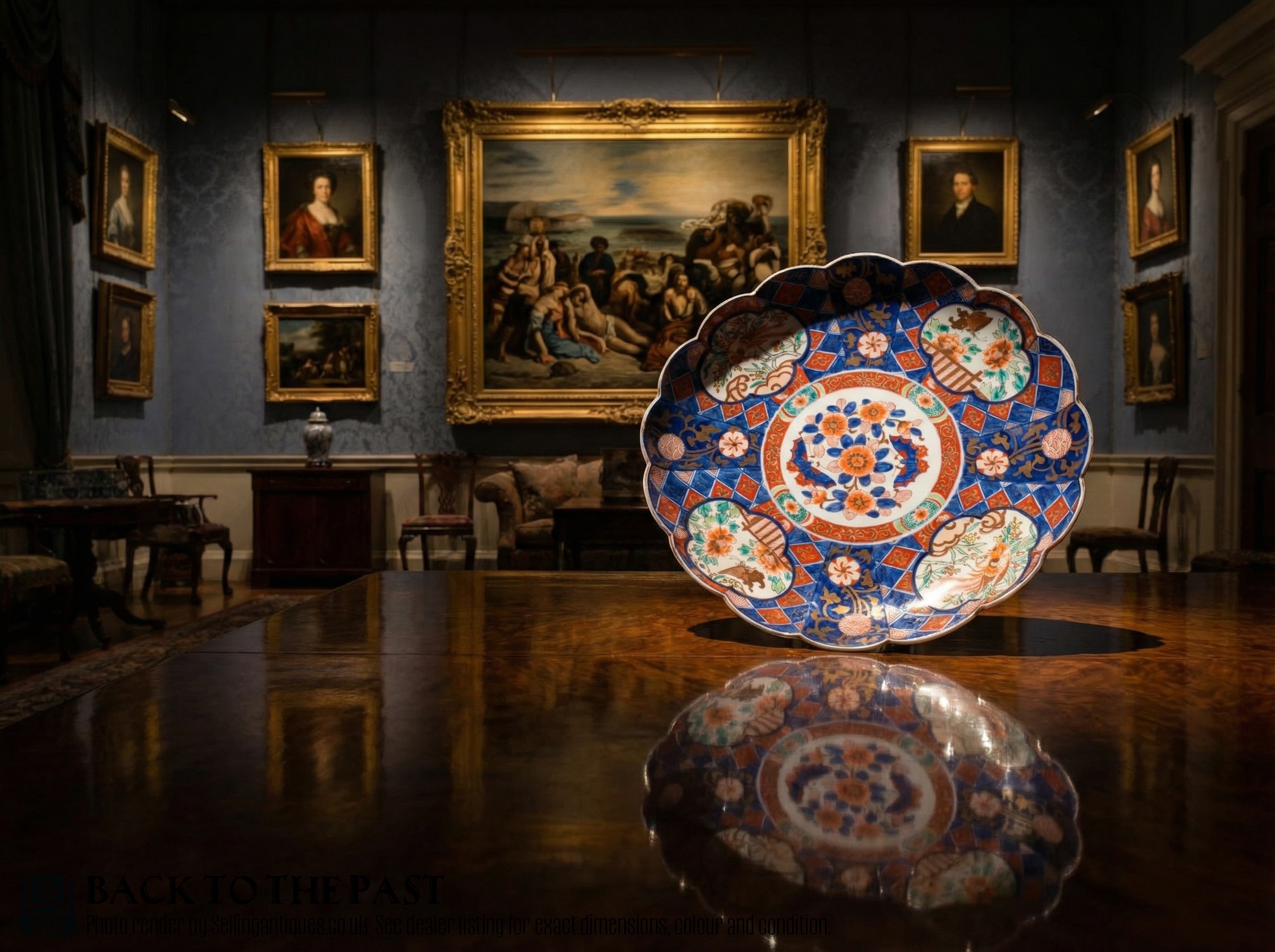
These pieces are constructed from porcelain and finished with cobalt underglaze, enamel, and glaze to create the traditional colour palette. Artisans applied hand-painted designs directly onto the ceramic body before firing, incorporating cobalt blue pigments beneath the clear glaze.
Many examples are further enriched with gold leaf, gilt, or gilding applied over the glaze to highlight specific motifs and patterns. This combination of underglaze blue and overglaze enamel with metallic detailing defines the visual character of the ware.
Materials recorded across these ceramics include porcelain, cobalt glaze, enamel, and gold leaf.
Quality and Execution
The distinction between standard examples and the finest pieces lies in the precision of the hand-painted brushwork and the complexity of the design. Superior items display crisp outlines, balanced compositions, and careful application of enamel and gilding that remain sharp across the surface.
Unusual shapes, such as square, fan, or fish forms, demand greater skill from the potter and painter than standard circular chargers. The depth of colour in the cobalt underglaze and the richness of the applied gold leaf also contribute significantly to the overall standing of an individual piece.
The Meiji Period Imari Platter Glossary
- Imari
- A style of Japanese porcelain decorated in underglaze blue, iron red, and gold, named after the port from which it was shipped to the West.
- Charger
- A large decorative plate intended for display on a wall or sideboard rather than for practical dining use.
- Arita
- The Japanese town and surrounding region where much of the country's early porcelain production and painting took place.
- Underglaze
- A method of decorating pottery in which pigments are applied to the unfired ceramic body before the glaze is added and fired.
Meiji Period Imari Platter: Frequently Asked Questions
How do I display an Imari charger?
Large chargers were traditionally meant for prominent display on sideboards or hung securely on walls using specialist wire hangers.
Ensure any wall mounting hardware is properly weighted to support the heavy porcelain safely.
What is the difference between a plate and a charger?
Plates are generally smaller and suited for table use, whereas chargers measure significantly wider and function primarily as decorative art.
Chargers provide a larger canvas for intricate hand-painted motifs such as floral scenes or figurative deities.
How do I clean antique porcelain?
Dust these decorative pieces gently with a soft, dry cloth to remove everyday particles without disturbing the surface.
Avoid using water, chemical cleaners, or abrasive cloths, as overglaze enamels and gold leaf can wear away over time.
What subjects appear on these platters?
Common decorative themes include botanical arrangements, birds, and specific cultural figures like the Seven Lucky Gods.
Some unusual examples take specific animal or object forms such as fish or fans rather than standard circles.