







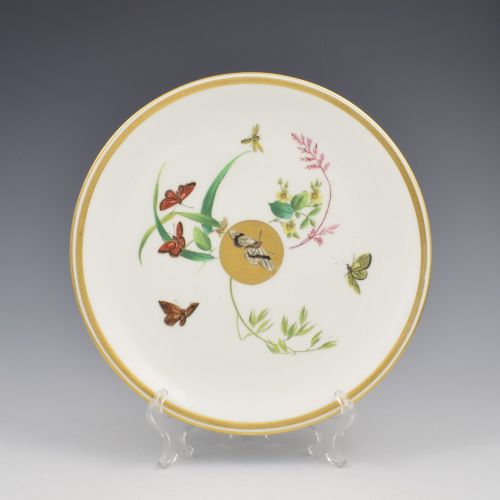
Antique Japanese Ceramic Dish
These pieces are antique japanese ceramic dish examples, sought after for their intricate hand-painted decoration and rich historical presence.
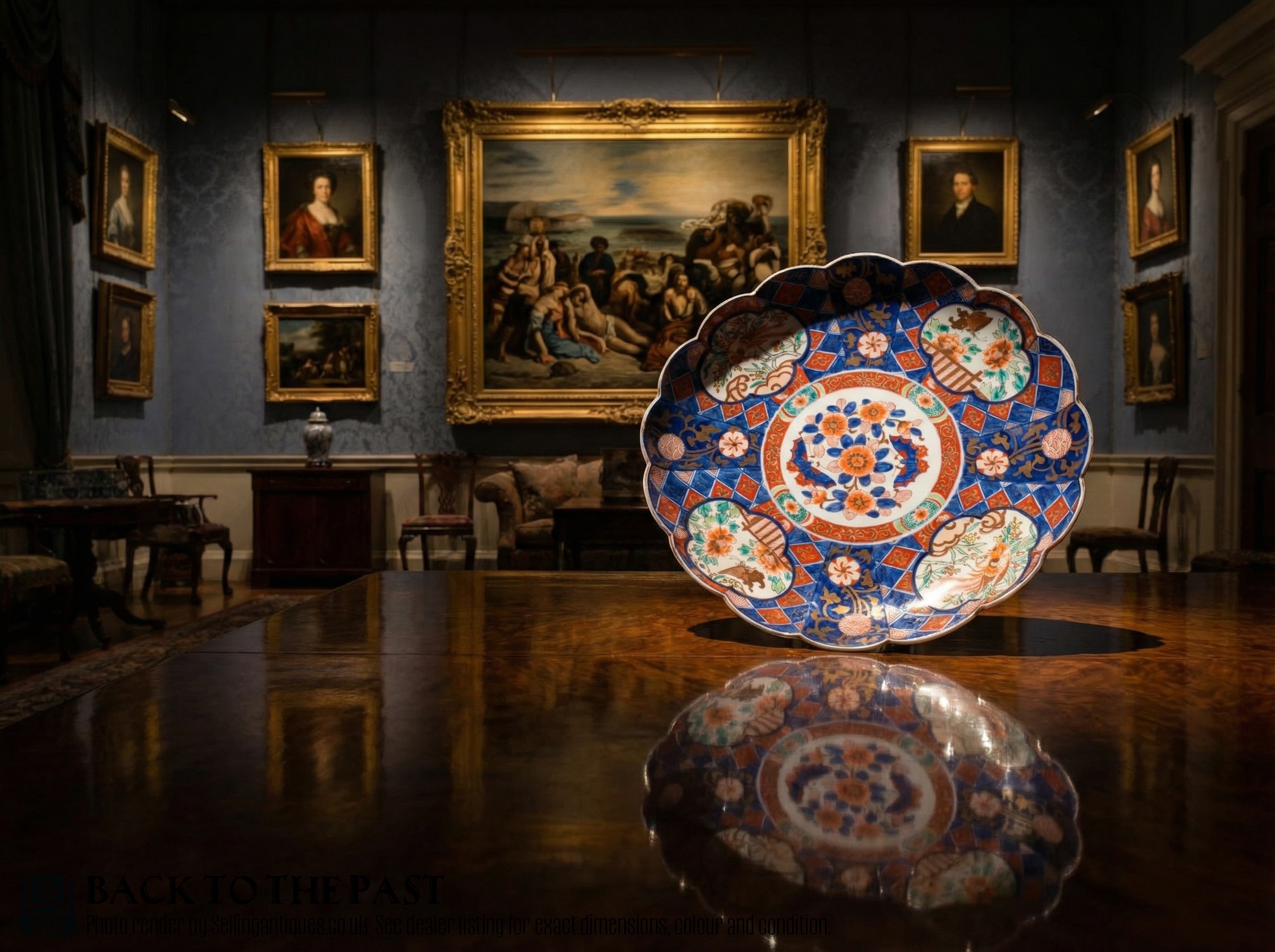
Antique Japanese Ceramic Dish
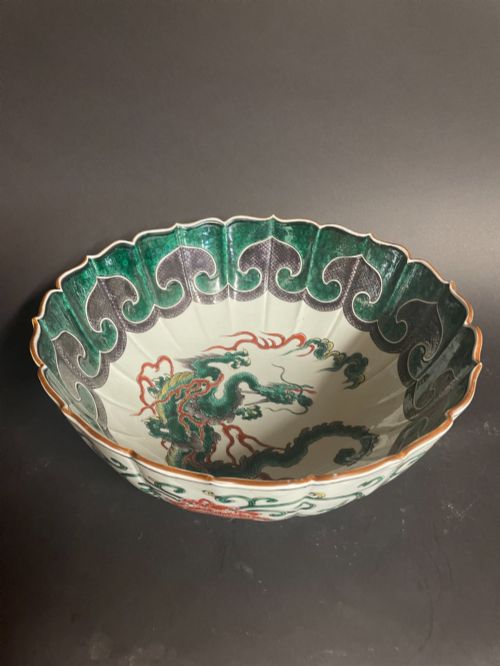
When you search for an antique japanese ceramic dish, you encounter a range of forms including plates, chargers, bowls, and tazzas. The selection spans centuries from the seventeenth century through to the early twentieth century, taking in the Edo, Meiji, and Taisho periods. You will frequently find pieces produced in the nineteenth century, particularly associated with the Meiji period.
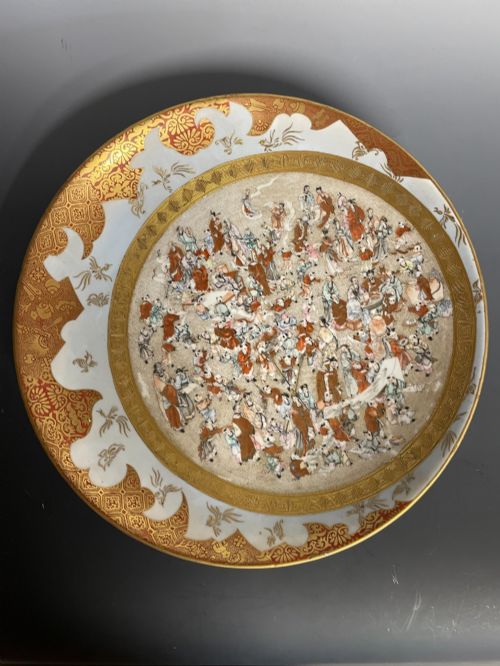
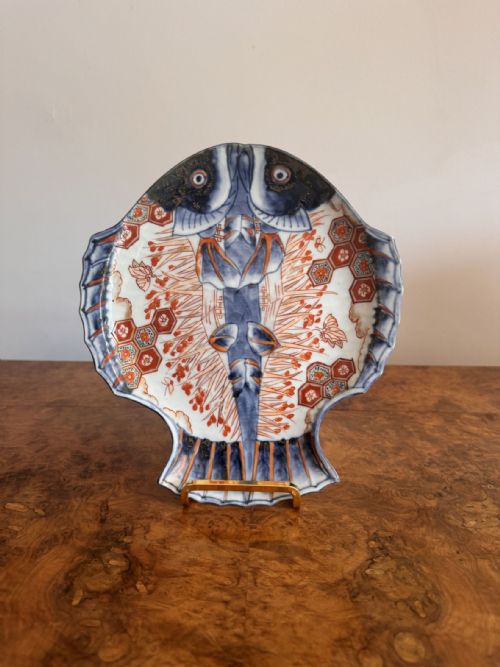
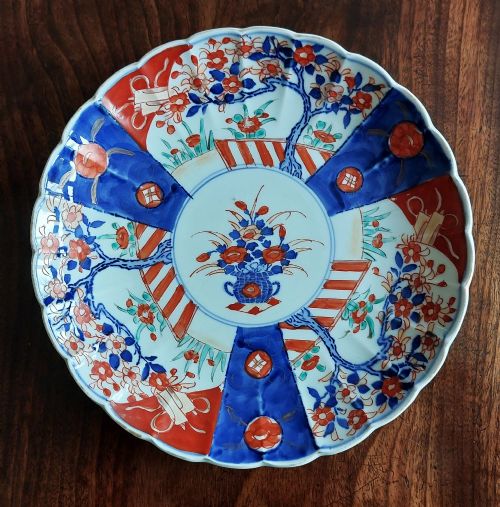
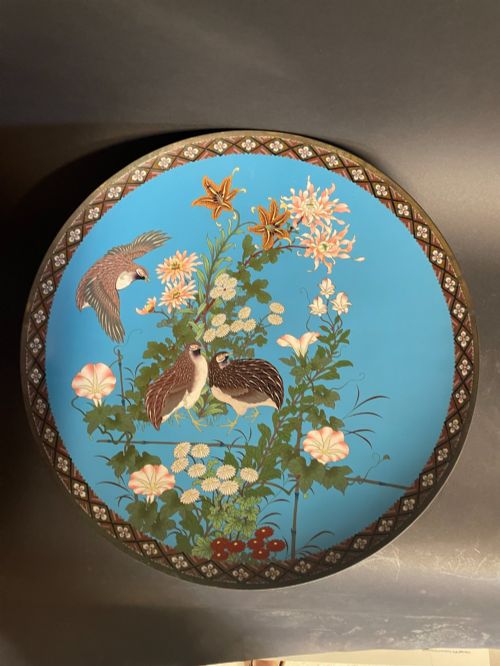
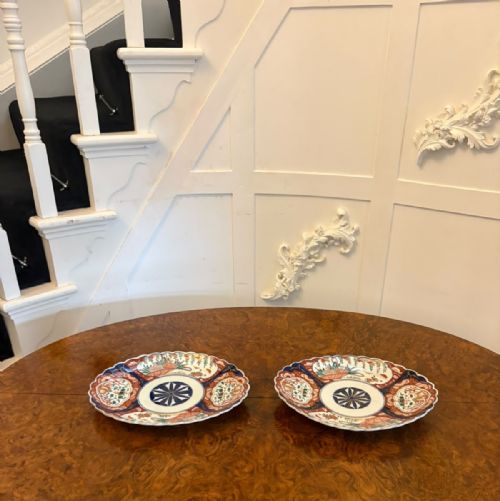
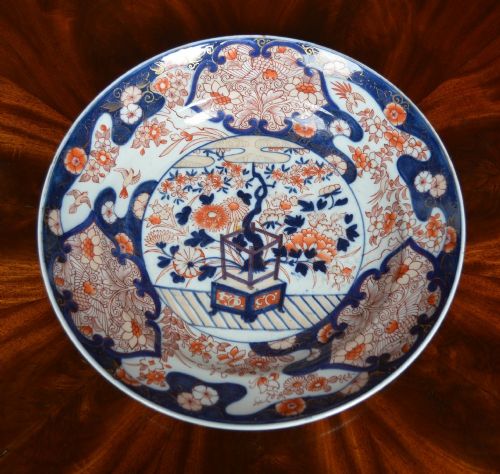
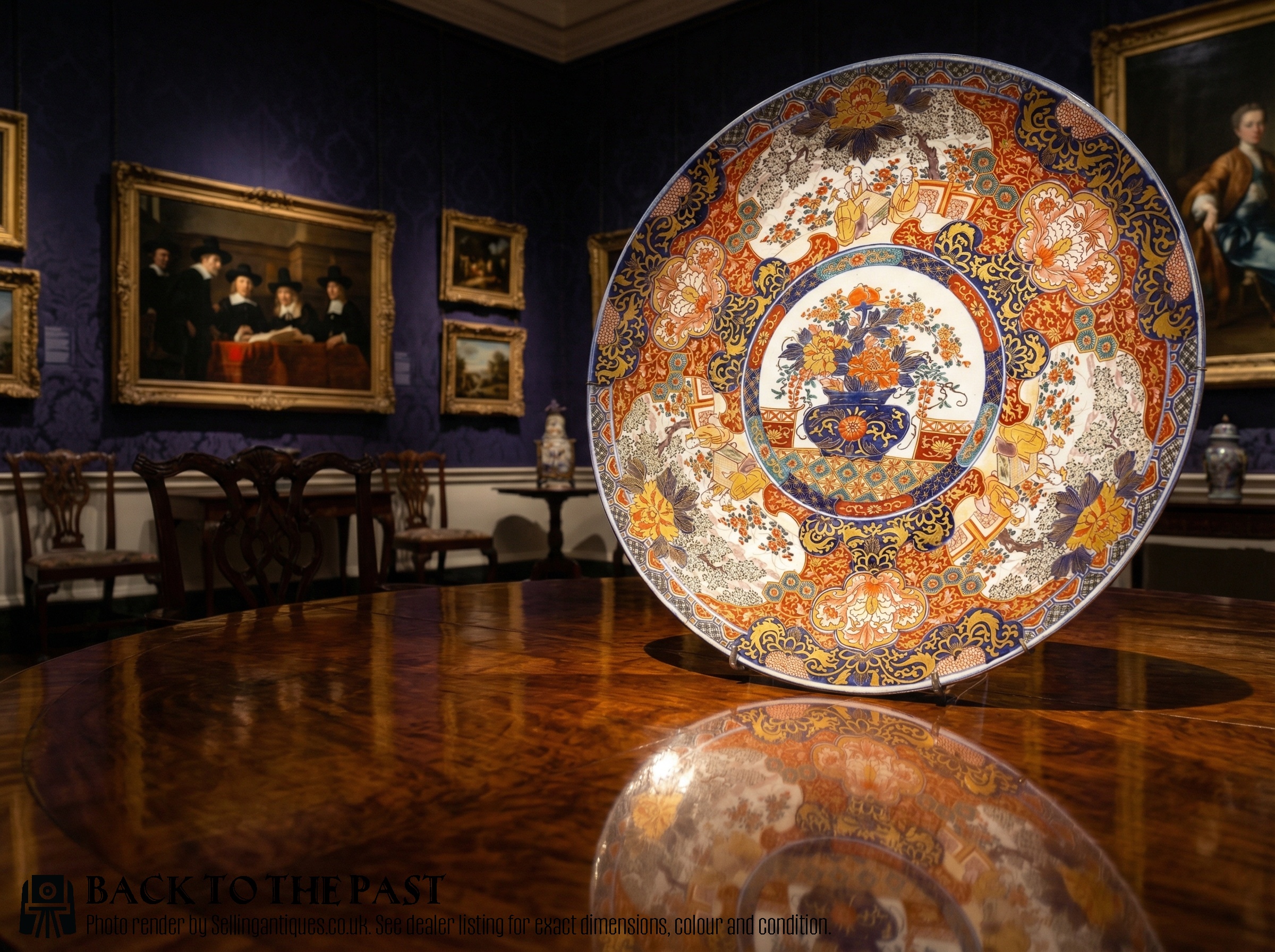
Imari porcelain and Satsuma earthenware dominate the offerings on this page. These wares appear in various shapes, from standard circular plates to scalloped, square, hexagonal, fish, and shell forms. Decorative plates and large chargers serve primarily for display, carrying complex painted scenes.
How they were made
The makers utilised porcelain and earthenware as the primary ceramic bodies, applying glaze and enamel to create colourful surfaces. Workshops employed detailed painting techniques often enhanced with gold leaf, gilding, and moriage relief work on specific Satsuma pieces. Wood also appears alongside ceramic elements in certain configurations.
Firing and glazing methods varied according to the pottery tradition, with blue and white designs utilising cobalt beneath the glaze. Overglaze enamels were subsequently added and refired to bond the colours. Skilled hands shaped porcelain into delicate scallop edges and moulded earthenware into distinct decorative vessels.
Antique Japanese Ceramic Dish Retail Price Guide 2026
Typical asking prices for japanese ceramic dish among the pieces listed under this phrase on Sellingantiques today, from the lower quarter to the upper quarter. They describe what is for sale here now, not the wider market.
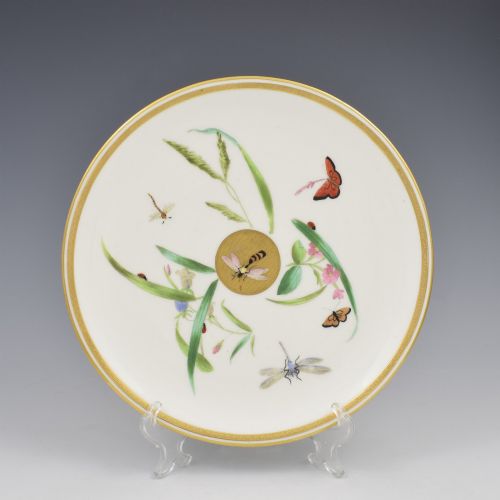
Listings feature items spanning from the 17th century to the early 20th century, including Victorian Aesthetic Movement Minton porcelain.
What varies in quality
Quality rests on the precision of the hand-painting and the clarity of the enamel work. Superior examples display refined brushwork and carefully applied gold leaf or gilding that enhances the underlying porcelain or earthenware body without cluttering the composition.
Form and modelling also distinguish standard items from exceptional ones. Pieces fashioned into unusual shapes such as fish, shells, or hexagonal profiles demonstrate greater technical ambition from the potter than simple circular dishes.
Koshida·Kozan
The Antique Japanese Ceramic Dish Glossary
- Imari
- A style of Japanese porcelain decorated in underglaze blue and overglaze red, gold, and other colours. This distinctive aesthetic became widely exported during the Edo and Meiji periods.
- Satsuma
- A type of Japanese earthenware featuring a crackled ivory glaze decorated with polychrome enamels and gilding. These pieces frequently originate from the Kyoto region.
- Moriage
- A type of raised enamel decoration applied to Japanese ceramics to create a textured, three-dimensional surface. This technique appears on Satsuma wares.
- Charger
- A large decorative plate intended primarily for display on a wall or sideboard rather than for dining use. These items showcase expansive painted scenes.
- Meiji Period
- The era of Japanese history lasting from 1868 to 1912, marked by increased international trade and a surge in export ceramics. Many pieces on the market date from this time.
Antique Japanese Ceramic Dish: Frequently Asked Questions
How do I identify Imari pottery?
Imari pieces typically feature a palette dominated by cobalt blue and rust red, frequently accented with gold leaf. They appear on porcelain bodies.
Look for intricate panel designs showing floral or bird motifs characteristic of this tradition.
What is Satsuma ware?
Satsuma ware consists of earthenware ceramics covered in a finely crackled creamy glaze. Artisans painted these surfaces with detailed polychrome figures and landscapes.
Many pieces also incorporate raised enamel or gilding.
Were these dishes used for food?
While some smaller bowls and plates served functional dining purposes, many larger chargers and decorative dishes were made for display. Their delicate enamel and gold leaf decoration meant they functioned as ornamental items.
Collectors generally treat them as display art today.
How can I date a Meiji piece?
The Meiji period spans from 1868 to 1912, corresponding with an era of significant export production. Stylistic markers include complex pictorial scenes and maker signatures.
Exact dating often relies on studio marks and stylistic evolution.