



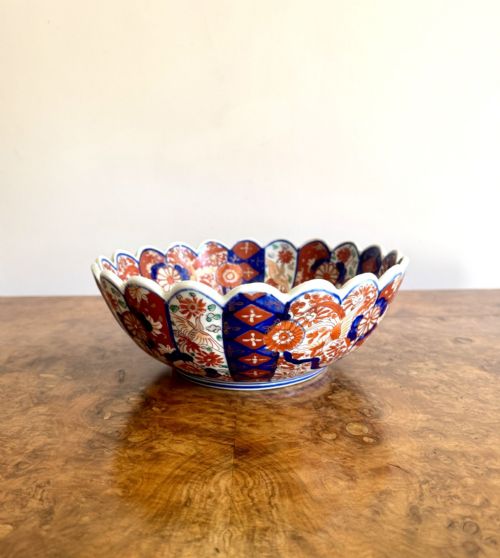
Hand Painted Imari Ware
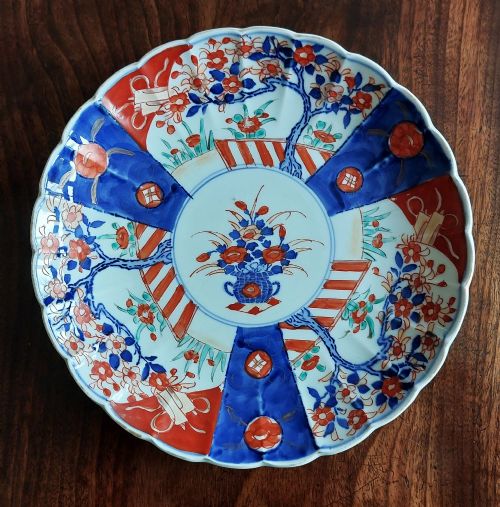
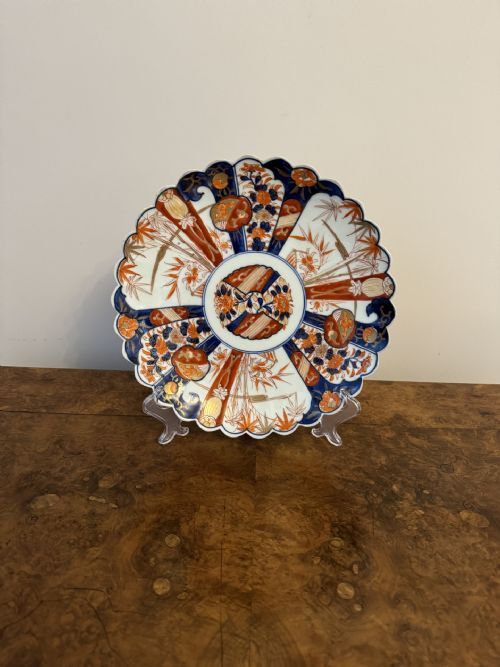
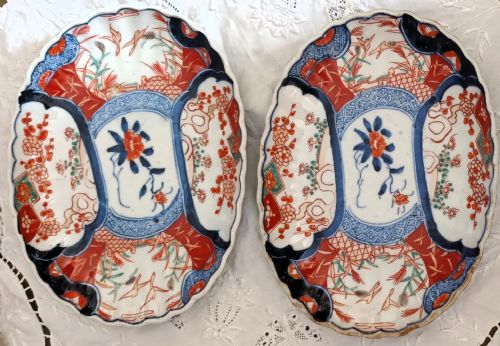
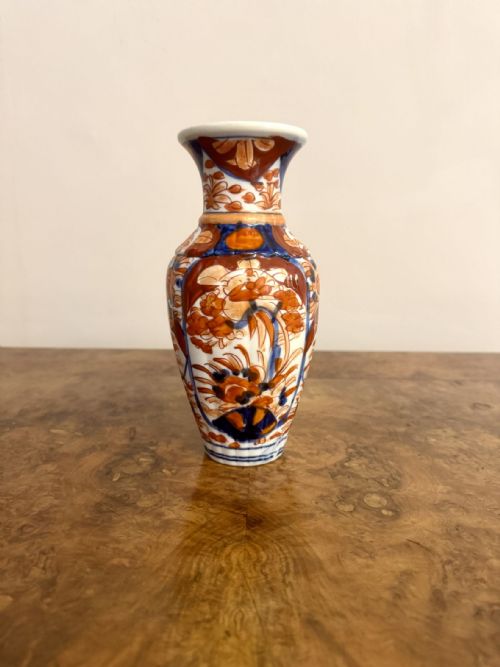
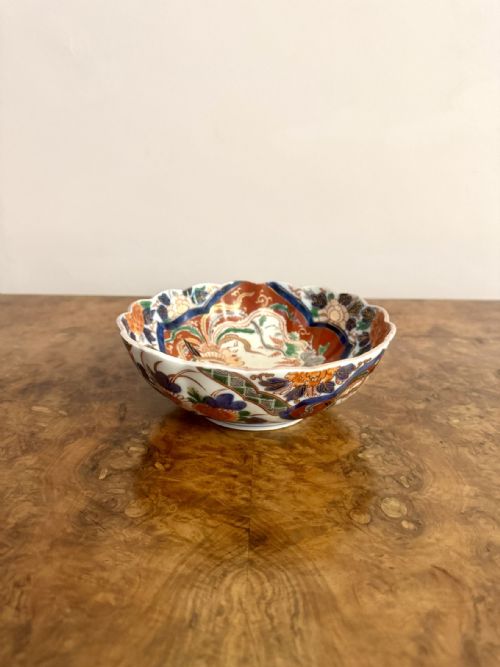
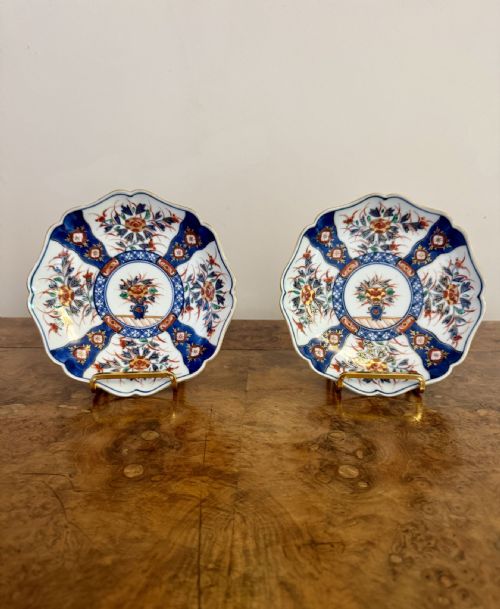
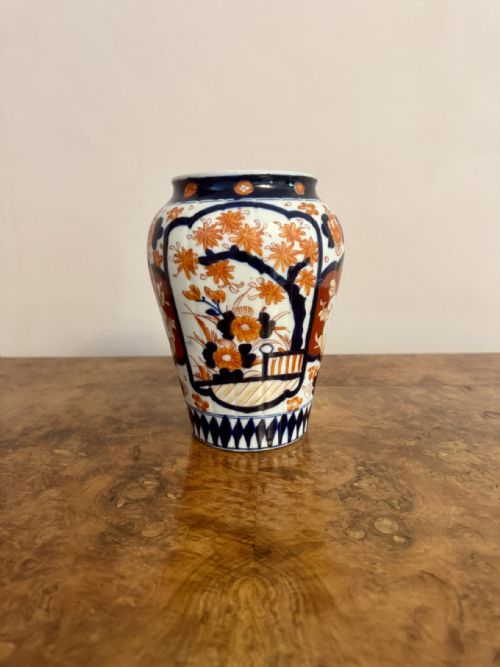
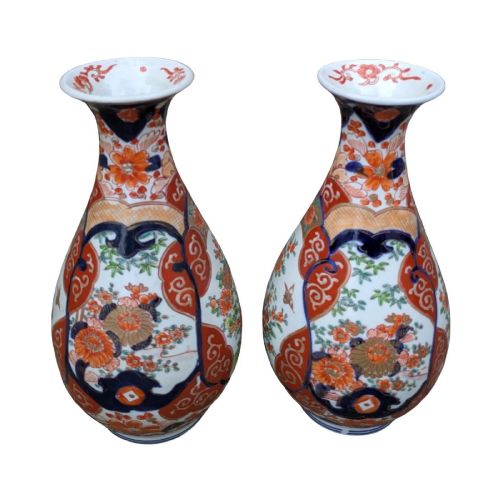
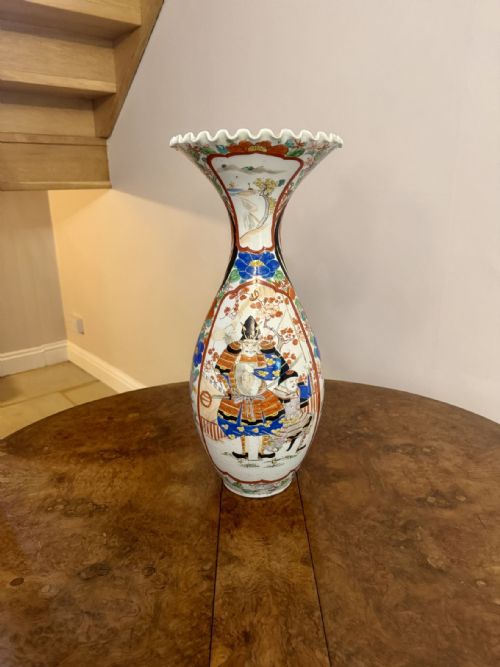
Hand painted imari ware brings together vibrant porcelain vessels and plates decorated in traditional iron red and cobalt blue.
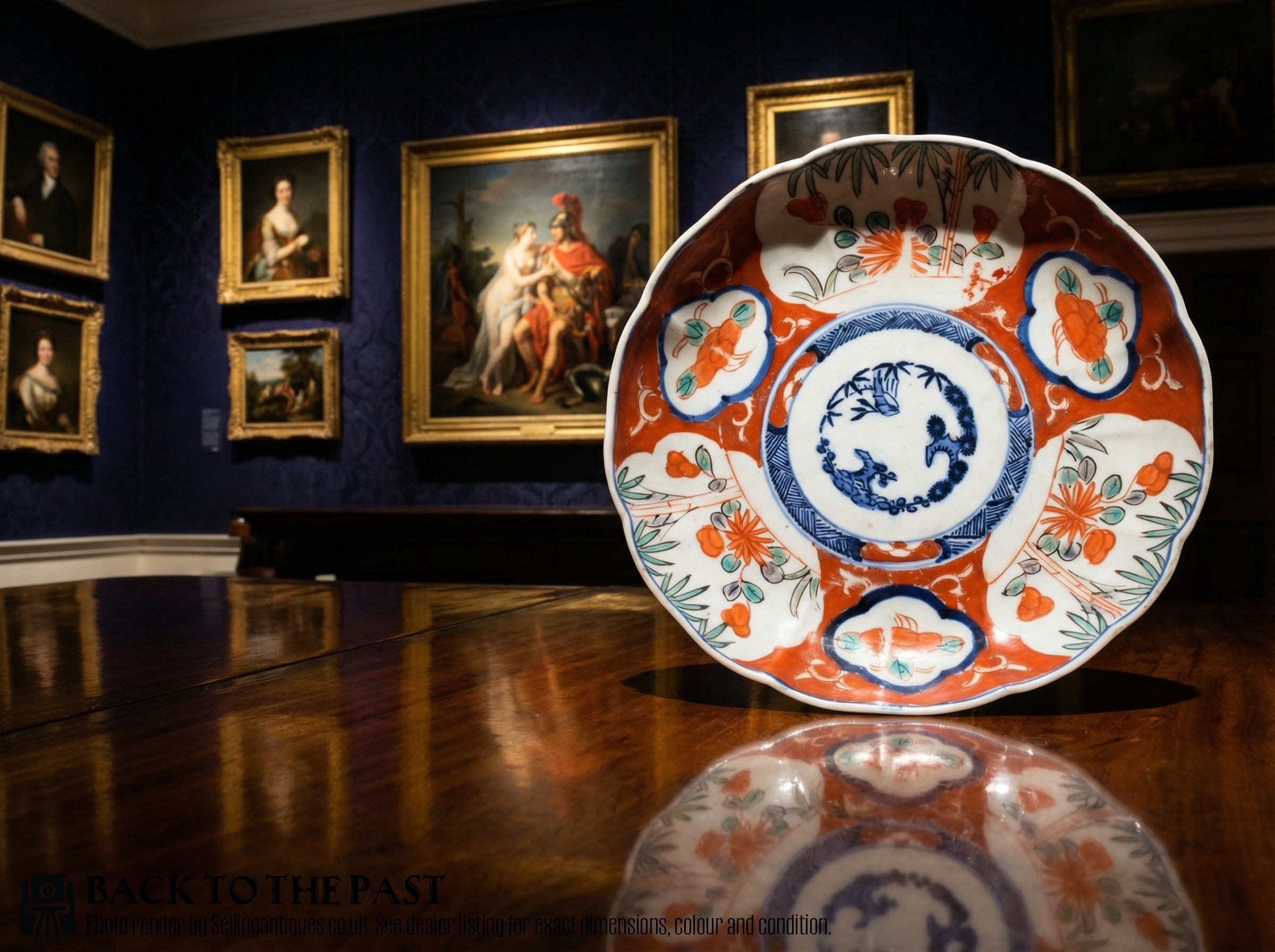
Hand Painted Imari Ware
When you search for hand painted imari ware, you encounter decorative porcelain objects originating from Japan, spanning the Edo, Meiji, and Taisho periods.
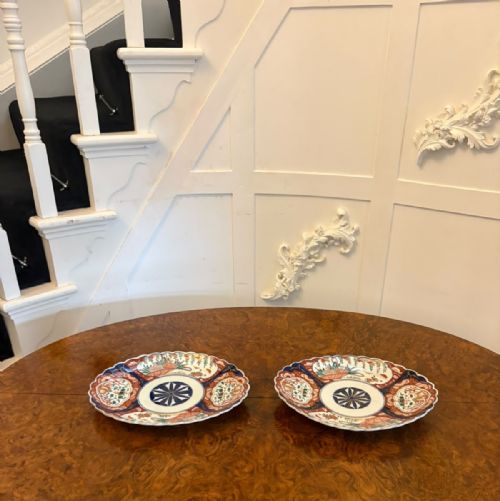
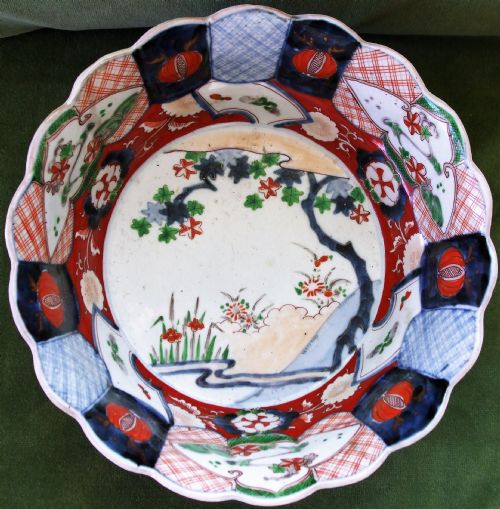
The pieces on this page most commonly take the form of decorative plates, bowls, chargers, and vases with characteristic scalloped or hexagonal edges.
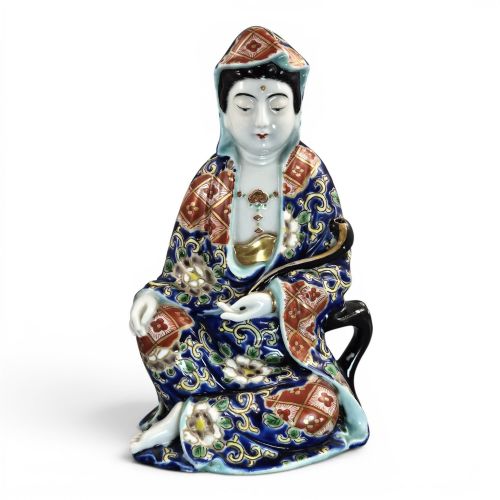
The selection ranges from nineteenth century chargers to earlier eighteenth century Arita pieces, alongside ceramic figures such as courtly subjects.
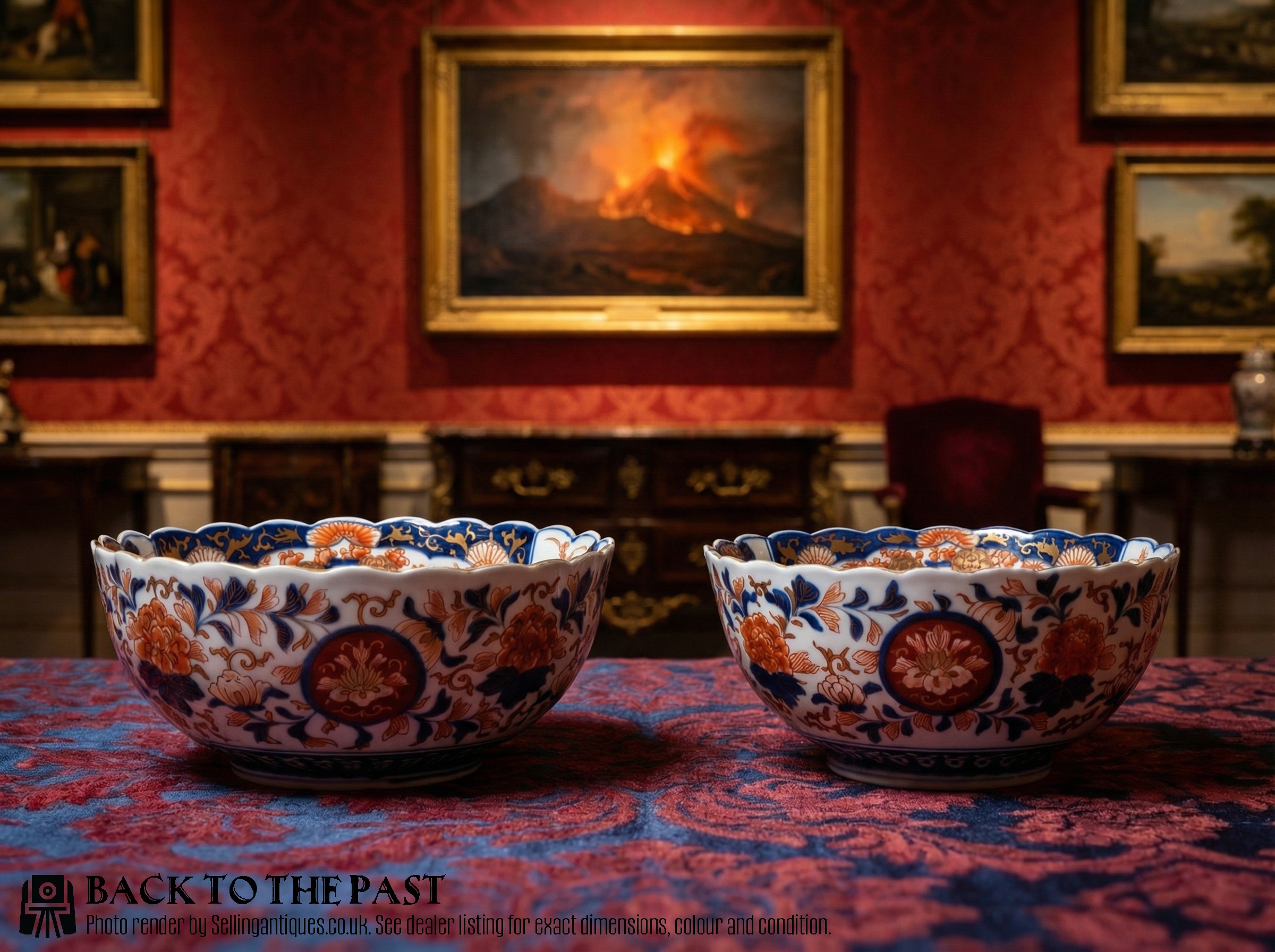
How they were made
Potters shaped porcelain bodies before applying underglaze cobalt blue and rich enamel colours by hand.
Artisans frequently added gold leaf, gilt, and gold gilding highlights over the glaze to catch the light on chargers and vases.
Hand Painted Imari Ware Retail Price Guide 2026
Typical asking prices for hand painted imari ware among the pieces listed under this phrase on Sellingantiques today, from the lower quarter to the upper quarter. They describe what is for sale here now, not the wider market.
Among the plates and bowls hides the hell courtesan herself, immortalised in ceramic form during the Edwardian era.
What varies in quality
The distinction lies in the crispness of the hand painted floral and bird motifs and the precision of the enamel work across the porcelain surface.
Superior examples display balanced compositions and carefully preserved gilding that remains bright against the deep blue and red pigments.
The Hand Painted Imari Ware Glossary
- Imari ware
- Japanese porcelain exported from the port of Imari, distinguished by a palette of cobalt blue, iron red, and gold.
- Meiji period
- The era spanning from eighteen sixty-eight to nineteen twelve, noted for elaborate decorative export ceramics.
- Arita
- The Japanese town in佐賀 prefecture where the regional porcelain industry and kiln production originated.
- Charger
- A large decorative plate intended for display on a wall or sideboard rather than for dining use.
- Garniture
- A matched set of three or more vases or vessels designed to be displayed together on a mantelpiece.
Hand Painted Imari Ware: Frequently Asked Questions
How do I date imari porcelain?
Dating relies on the potting style, the depth of the glaze, and the specific tones of the iron red and cobalt blue pigments used.
Earlier eighteenth century pieces differ substantially in weight and brushwork from the heavier production of the Meiji period.
Can I use these plates for dining?
These decorative plates and chargers are intended primarily for display and collection rather than daily service.
Hand painted enamels and delicate gold gilding can wear away with frequent washing and cutlery use.
What is Arita ware?
Arita ware refers to the porcelain made in the Hizen province around the town of Arita, which encompasses imari styles.
Potters there established the traditions of underglaze blue and overglaze enamel decoration.
Why do some pieces have scalloped edges?
Potters shaped the rims into lobes or petal outlines to mimic natural forms like shells, fans, and flowers.
This shaping required careful hand manipulation of the soft porcelain clay before the initial firing.