







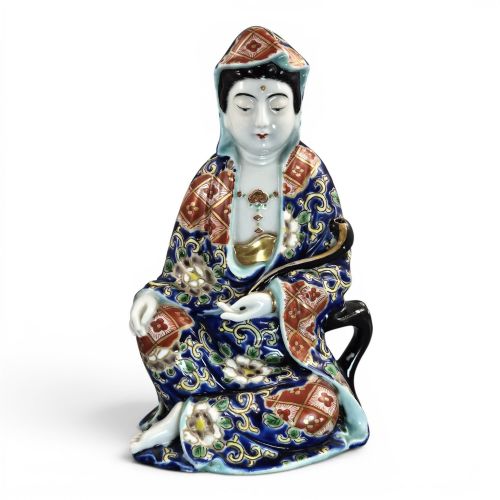
Japanese Arita Porcelain
Japanese arita porcelain brings centuries of kiln mastery into your home through finely painted vessels, plates, and chargers.
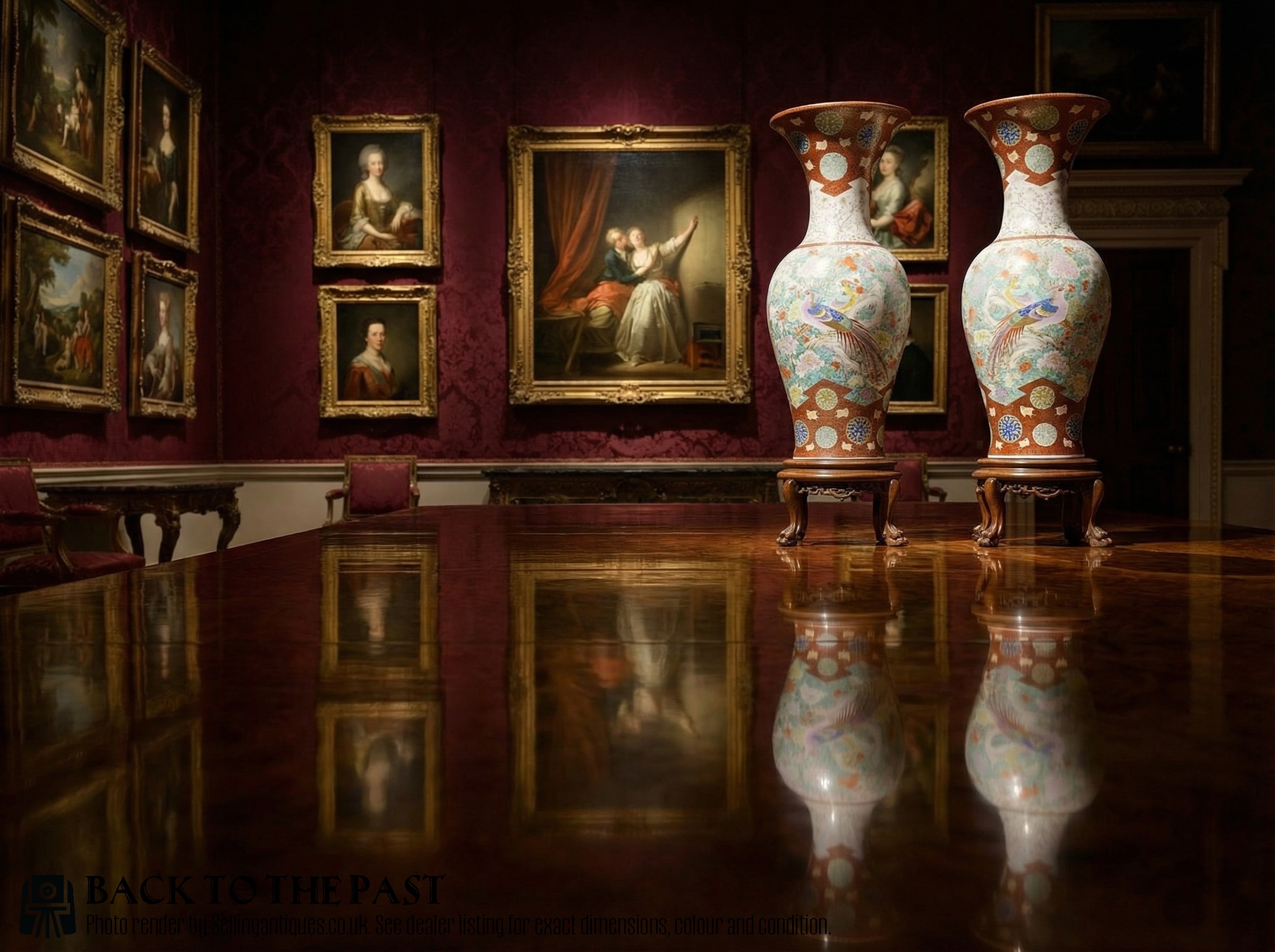
Japanese arita porcelain
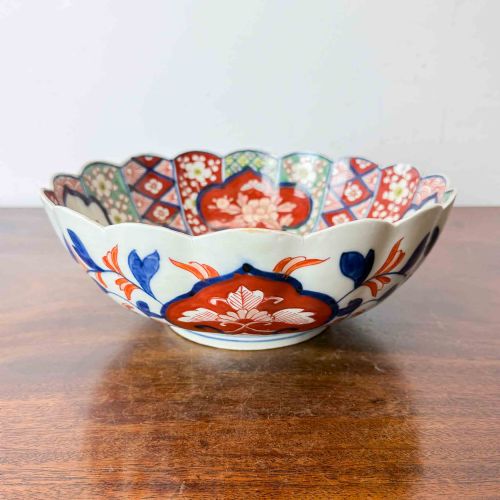
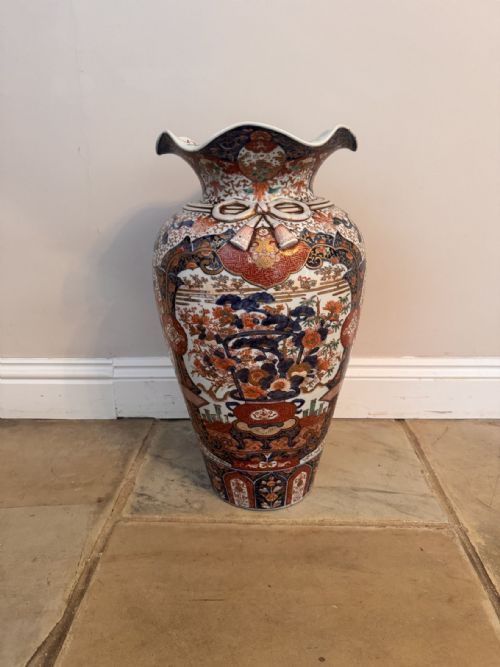
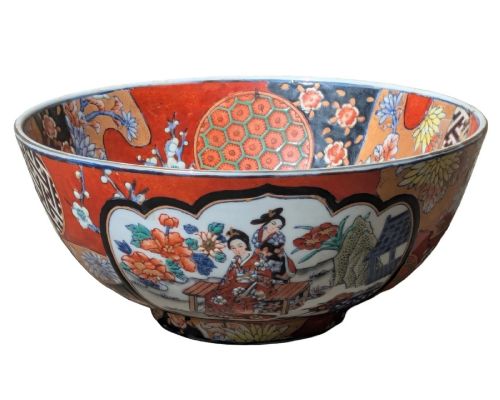
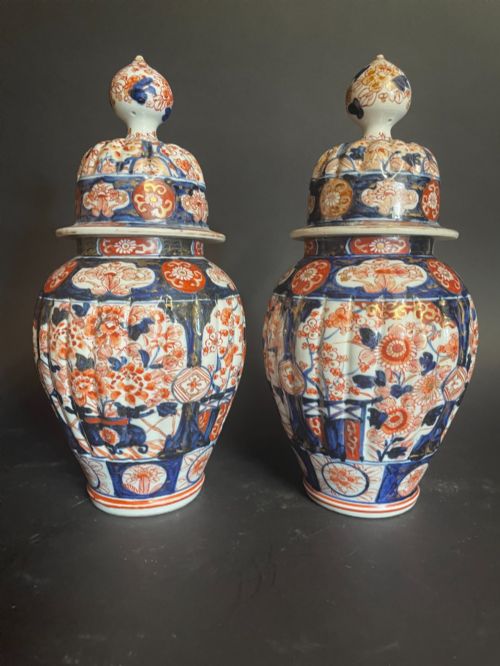
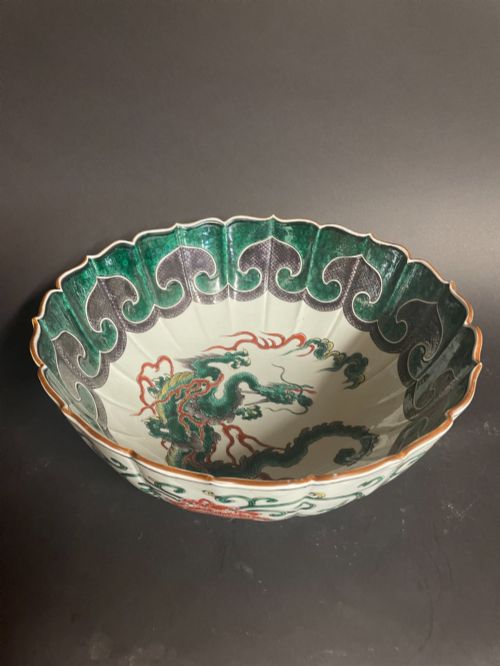
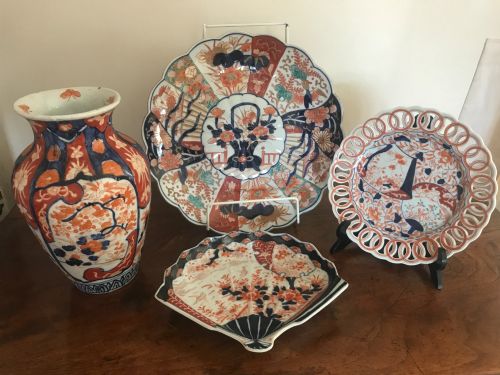
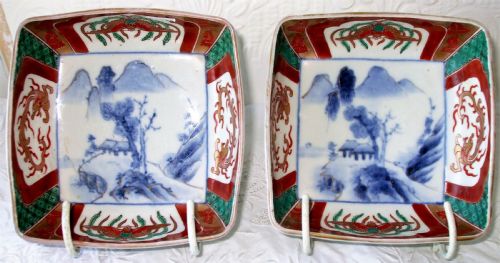
Japanese arita porcelain encompasses decorative plates, bowls, dishes, chargers, censers, and vases shaped from durable ceramic body. These pieces date across the Edo and Meiji periods, stretching from the late seventeenth century through the nineteenth century and into nineteen hundred.
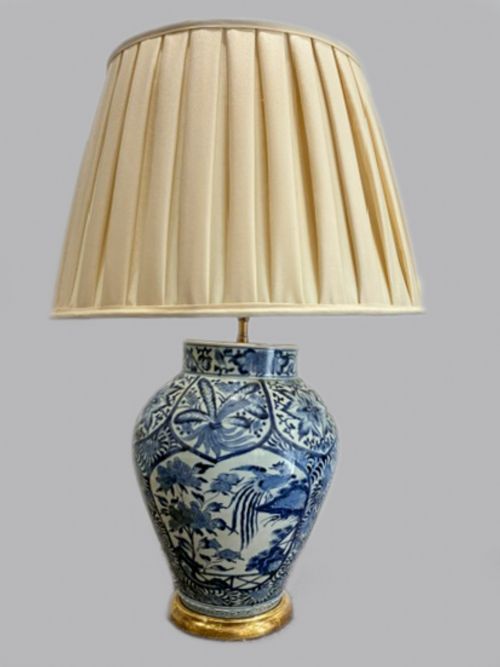
The most common examples encountered here are Imari wares finished in vibrant enamel glaze and gold leaf. Collectors also find blue and white decorated dishes alongside large temple vases and specific forms such as ribbon plates and octagonal plates.
The aesthetic bridges domestic vessels and grand display pieces, reflecting centuries of kiln tradition in Hizen province. Each form carries distinct historical weight, whether shaped as a foliate rimmed shallow dish or mounted on hardwood stands.
Materials and methods
Makers shaped refined ceramic clay into bowls, plates, and vases before applying ceramic glaze to seal the body. Many vessels received underglaze blue decoration or overglaze enamel glaze to build up complex pictorial surfaces.
Highlights of gold leaf were frequently added over the glazes to catch the light on chargers and temple vases. Kiln workers fired these pieces at high temperatures, sometimes pairing the porcelain bodies with custom hardwood stands.
Retail Price Guide 2026
Typical UK retail prices for japanese arita porcelain, calculated from the Sellingantiques database of over a million retail prices indexed since 2003. This retail price guide relies exclusively on Sellingantiques data; no external sources or auction records are used, so the figures do not describe the wider market.
Listings feature hard porcelain bodies decorated with enamel glaze, gold leaf, and ceramic glaze across the Edo and Meiji periods.
Judging the work
Quality rests in the crispness of the porcelain body and the precision of the painted brushwork across the surface. Finer examples display deliberate control in the Imari palette, where enamel glaze and gold leaf sit harmoniously without muddying the underglaze blue.
The weight, balance, and potting of the ceramic form separate standard production from exceptional studio outputs. Superior plates and vases show careful attention to rim shape, footring finish, and overall glaze translucency.
Fukagawa·Koransha
The Japanese Arita Porcelain Glossary
- Imari
- A traditional style of Japanese porcelain originating from Arita, typically characterised by a palette of underglaze blue, iron red, and gold leaf. These wares were heavily exported to Europe during the Edo period.
- Meiji Period
- The era in Japanese history spanning from eighteen sixty-eight to nineteen twelve, marked by extensive international trade and high output of decorative arts. Pieces from this time often exhibit elaborate enamel work.
- Charger
- A large decorative plate intended for display on a sideboard or wall rather than for dining use. These substantial vessels often showcase the most ambitious painting programmes.
- Censer
- A vessel designed for burning incense, typically featuring a pierced cover and supported by feet or a distinct base. They appear in ceramic alongside bronze in traditional Japanese interiors.
- Foliate rim
- An edge shaped into lobed or petal-like curves resembling a flower head. This technique adds textural movement to otherwise circular plates and dishes.
Frequently Asked Questions
How do I identify arita porcelain?
Look for the dense white ceramic body, characteristic blue and white painting or Imari enamels, and precise potting typical of Hizen kilns.
Examination of the footring and glaze pooling often reveals clues regarding the period and workshop origin.
What is the Imari palette?
The classic Imari palette combines underglaze cobalt blue with iron red and gold leaf highlights over a white porcelain base.
This vibrant combination was developed in Arita and became immensely popular across Western export markets.
How should I display large chargers?
Large chargers require sturdy plate stands or professional wall mountings designed to support the weight of heavy ceramic bodies.
Keep them away from direct sunlight and high-traffic areas to protect the delicate gold leaf and enamel surface.
Are these pieces waterproof?
While the ceramic glaze seals the porcelain body, antique vases are best kept dry to preserve internal surfaces and historical integrity.
Use them primarily for dry display rather than holding fresh flowers and water.
How do I distinguish Edo from Meiji pieces?
Edo period items often feature simpler, bolder blue and white designs, whereas Meiji pieces frequently showcase dense polychrome enamels and gold leaf.
Kiln techniques and stylistic shifts help experienced collectors narrow down the production decades.