







Japanese Porcelain Vase
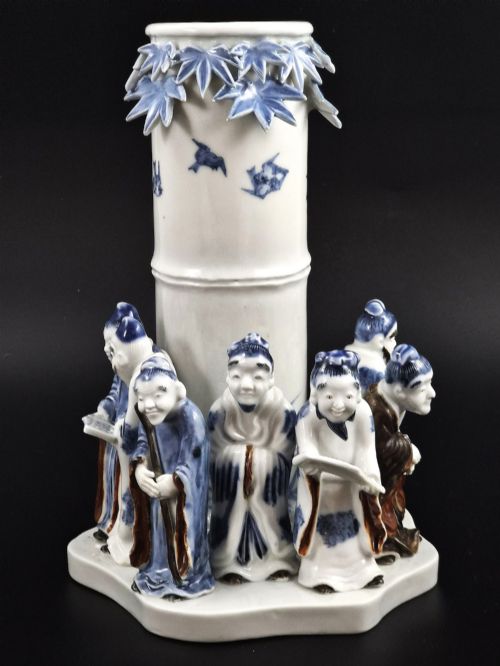
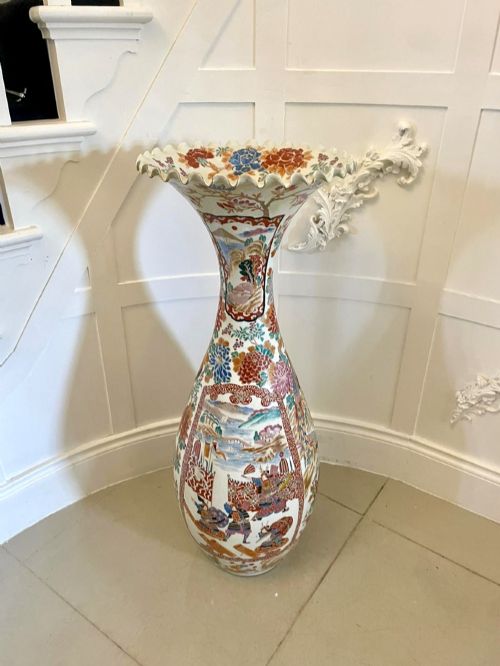
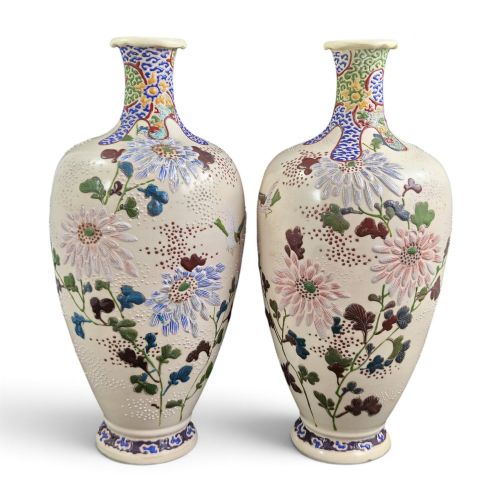
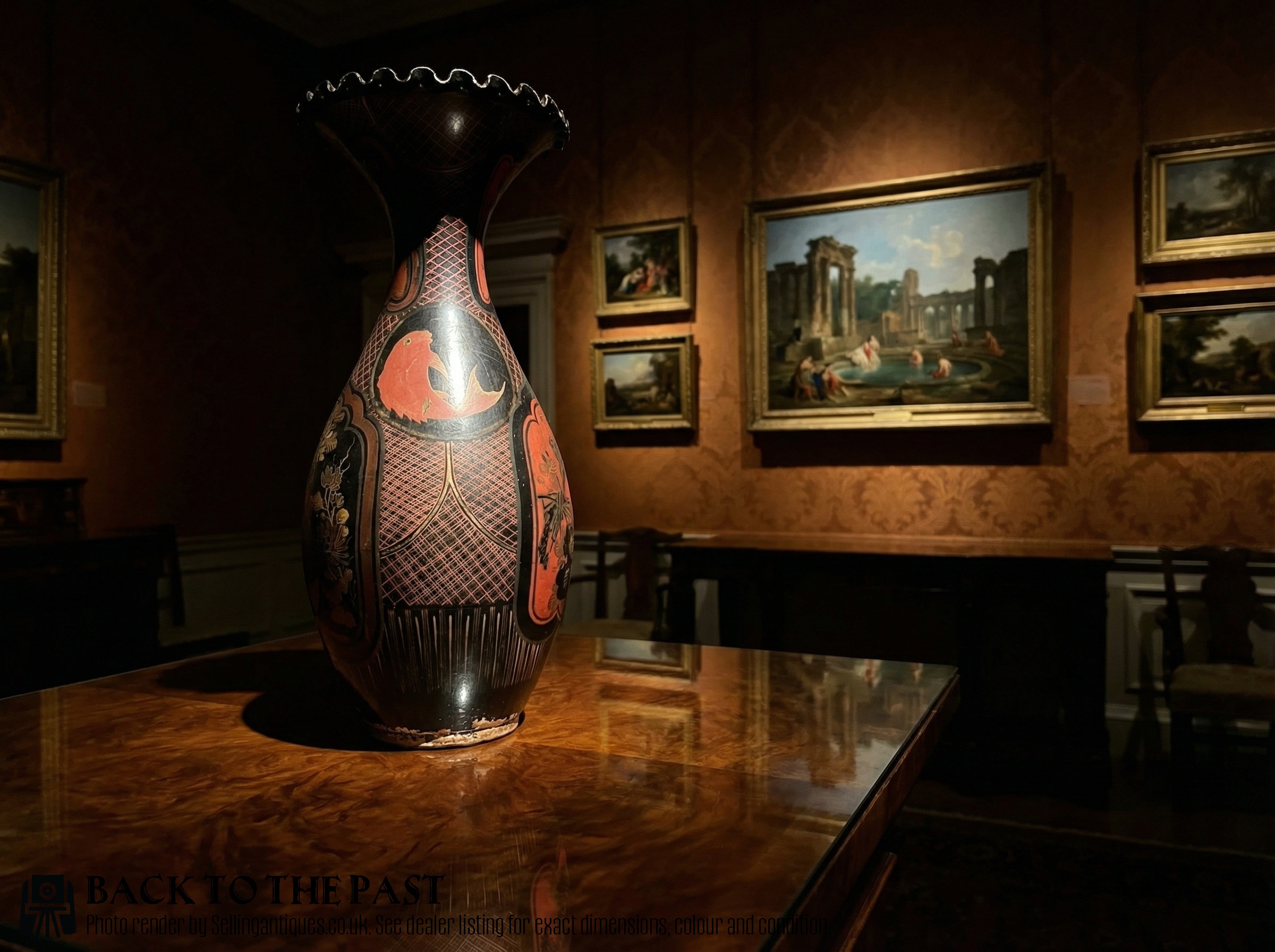
When you handle a Japanese porcelain vase, you hold centuries of refined kiln craft, highly prized by collectors for intricate hand-painted palettes and sculptural forms.
Japanese Porcelain Vase
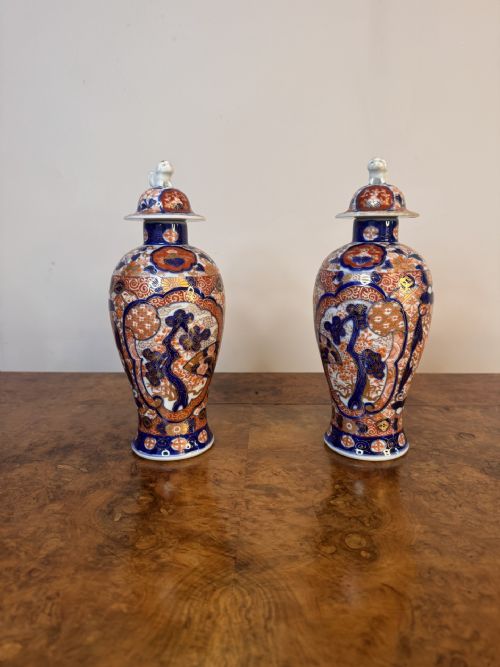
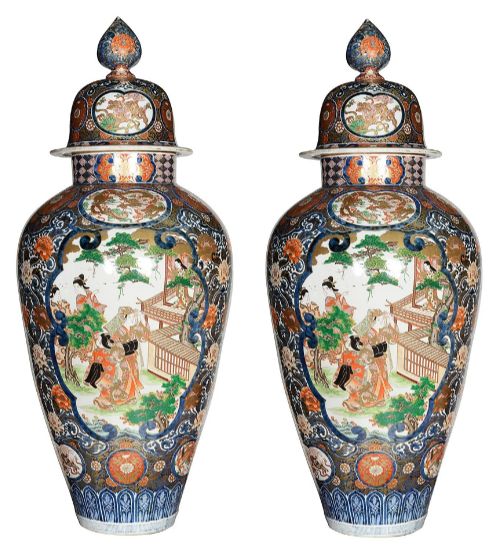
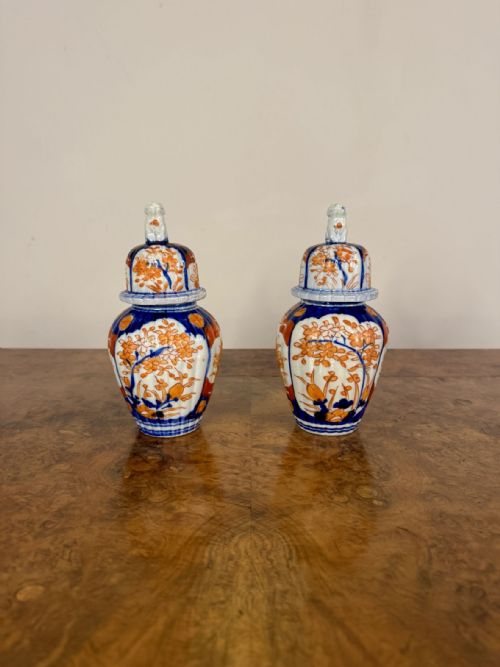
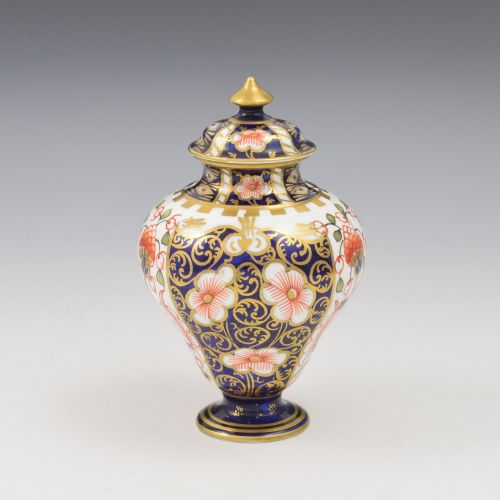
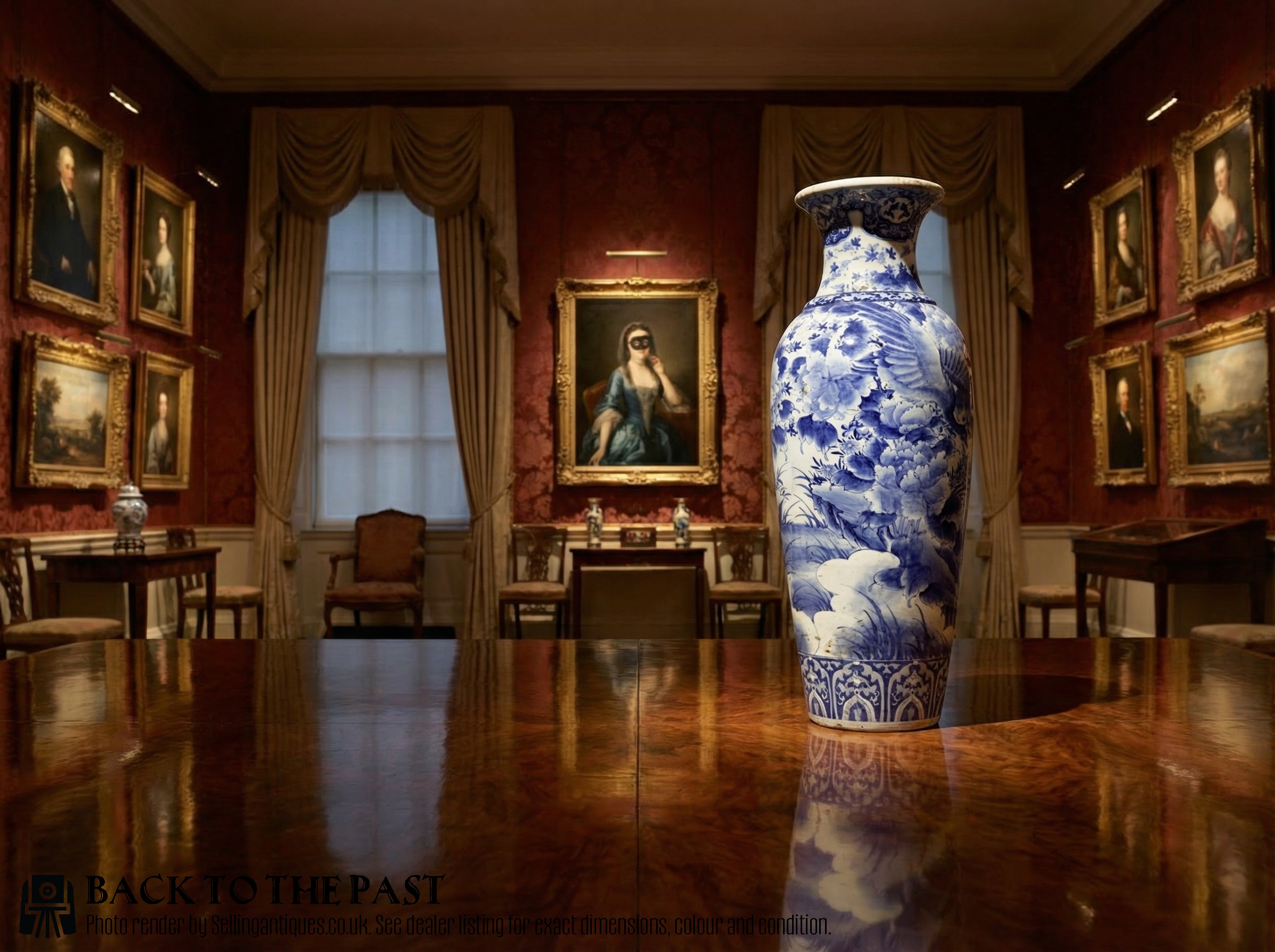
A Japanese porcelain vase encompasses diverse decorative vessel forms spanning centuries of production, originating from historic kiln centres and artistic periods.
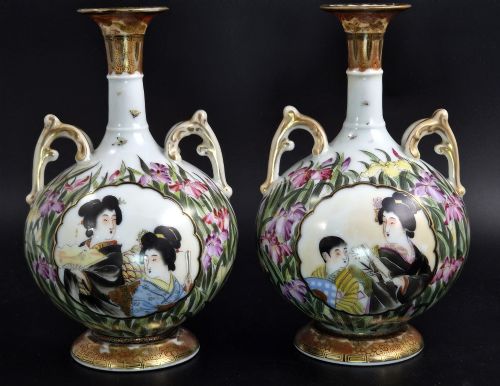
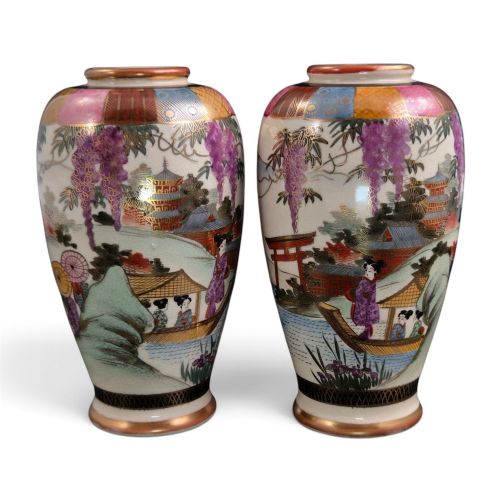
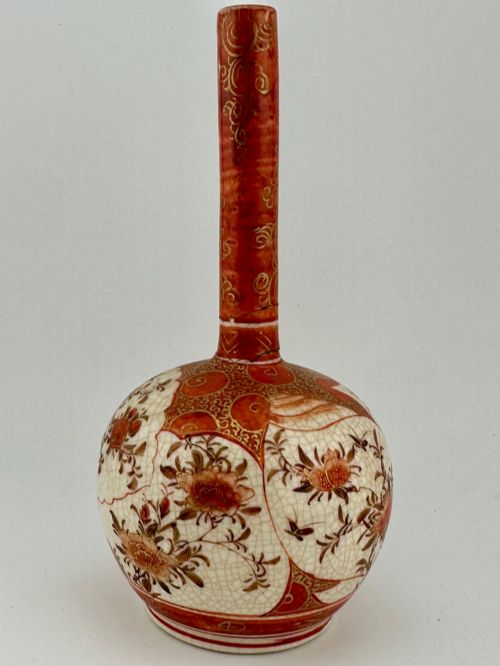
Collectors frequently encounter examples from the Meiji period, alongside robust Imari floor standing vessels, delicate Kutani wares, and finely crackled Satsuma earthenware pieces.
These items range from intimate cabinet display pieces to large lidded jars and domestic table lamps converted from earlier ceramic bodies.
How They Were Made
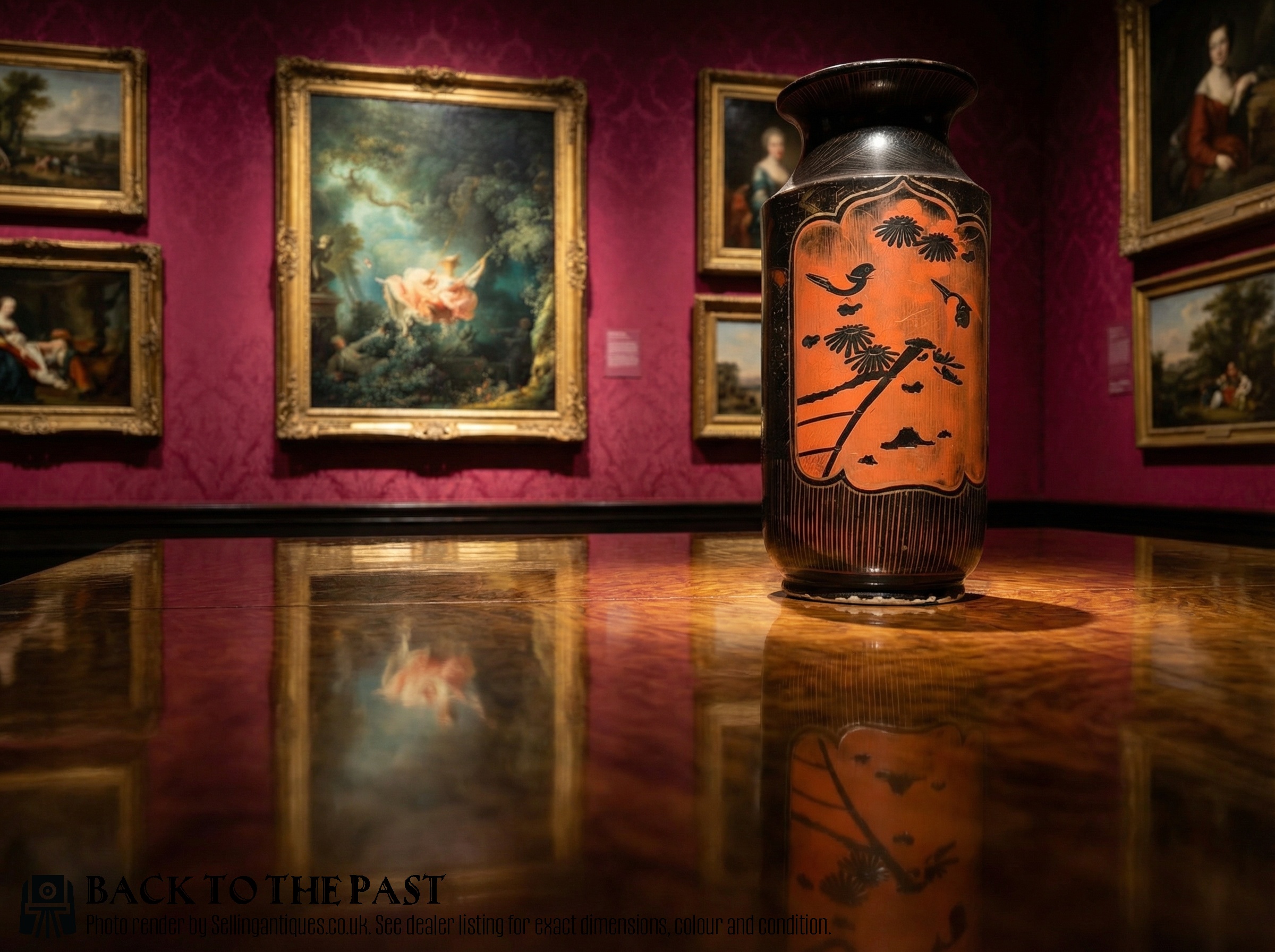
Potters shaped refined white clay on the wheel or pressed it into moulds, applying fluid glazes before firing the ceramic bodies at high kiln temperatures.
Artisans layered polychrome enamels, underglaze cobalt blue, and delicate applications of gold leaf to build complex pictorial and geometric surface designs.
Japanese Porcelain Vase Retail Price Guide 2026
Typical asking prices for japanese porcelain vase among the pieces listed under this phrase on Sellingantiques today, from the lower quarter to the upper quarter. They describe what is for sale here now, not the wider market.
Listings feature porcelain, earthenware, and enamel materials across Victorian, Edwardian, and Meiji periods.
What Varies In Quality
Mastery shows in the precision of the brushwork and the clarity of the enamel pigments, where disciplined detail separates standard output from exceptional atelier pieces.
The weight of the porcelain body, the even distribution of the glaze, and the sophistication of signed artist markings distinguish higher-tier examples from commercial wares.
Manpei·Kinkōzan·Hotoda·Makuzu Kozan·Tomimoto Kenkichi·Koransha·Juzan·Eizaemon Fukagawa·Kusube Sennosuke·Shofu Katei
The Japanese Porcelain Vase Glossary
- Imari
- A traditional Japanese export style featuring iron red, underglaze blue, and gilt highlights on a white ceramic body. This palette originated in Arita and gained immense popularity across European interiors.
- Satsuma
- An earthenware ceramic type characterised by a cream-coloured, crackled glaze and detailed polychrome enamel ornamentation often depicting figures or landscapes. It was widely produced during the late nineteenth century.
- Kutani
- A distinctive Japanese porcelain and ceramic tradition known for bold, painterly enamel colours, particularly strong greens, yellows, and reds. Pieces often display nature scenes, birds, and narrative subjects.
- Meiji
- The historical period spanning from eighteen sixty-eight to nineteen twelve, marking an era of intense artistic output and international export. Items from this time display extraordinary technical ambition.
- Baluster
- A vase shape featuring a rounded body that tapers toward a narrow neck, resembling an architectural column support. This classic silhouette provides a stable base for complex surface painting.
Japanese Porcelain Vase: Frequently Asked Questions
How do I identify a Meiji period piece?
Meiji period items often combine dense decorative schemes with high-relief enamel work and clear workshop signatures on the base. Their production aligns with the dates of the Meiji emperor's reign.
Examining the weight of the ceramic and the complexity of the gilt detailing will also help confirm the era of manufacture.
What is the difference between Imari and Satsuma?
Imari wares are hard-paste porcelains decorated in underglaze blue and iron red with added gilding. They typically present crisp, resonant bodies and geometric or floral motifs.
Satsuma pieces are actually earthenware rather than true porcelain, defined by an ivory crackle-glaze surface designed to carry elaborate figurative painting.
Can I use these vases for fresh flowers?
While many of these vessels were designed for ornamental display rather than utilitarian function, glazed porcelain interiors can hold water safely. Older earthenware items like Satsuma should be treated with more caution.
Inspecting the interior for old hairline cracks ensures the vessel remains watertight before filling.