








Japanese Arita Porcelain Vase
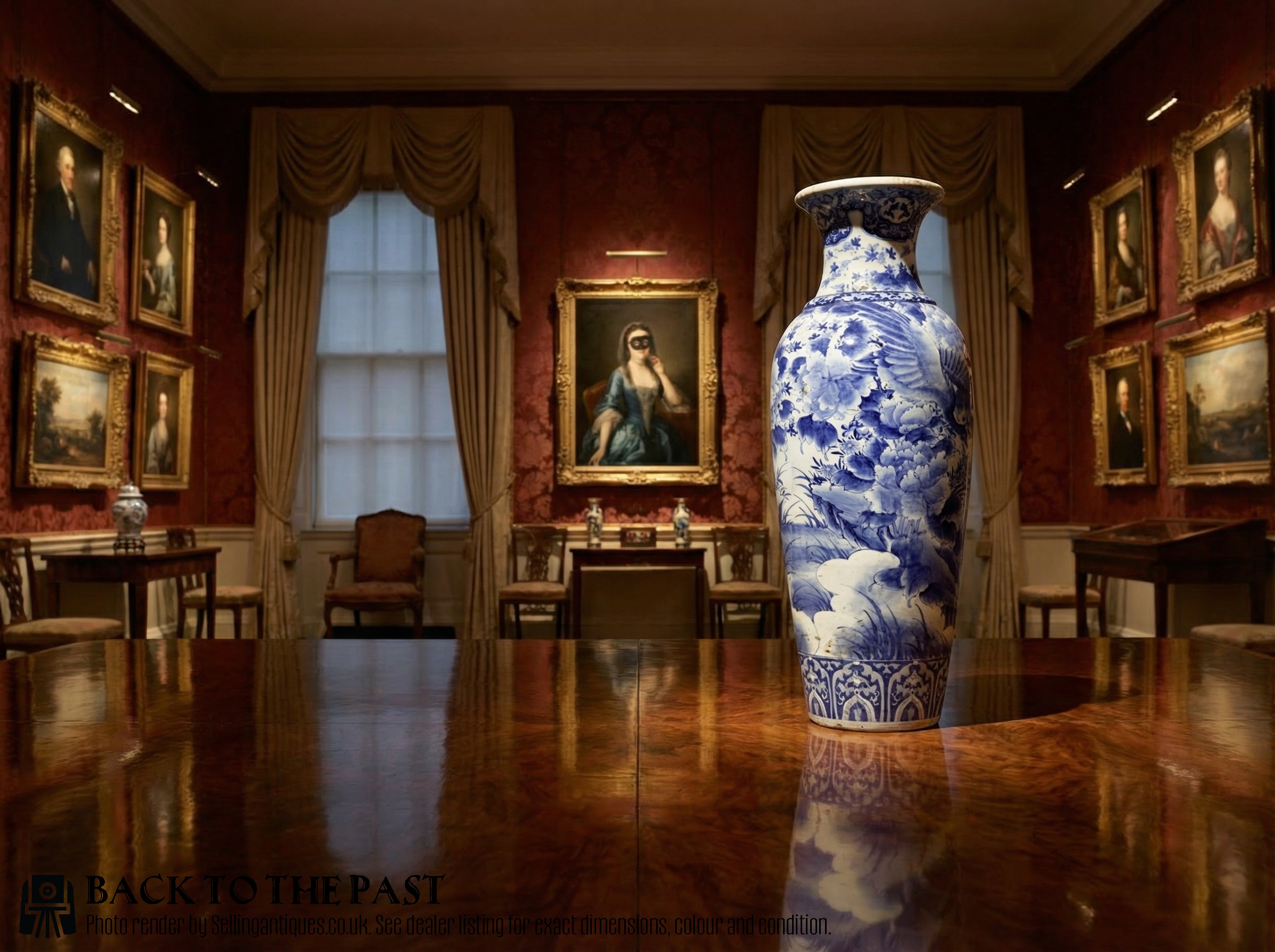
A Japanese arita porcelain vase brings centuries of kiln mastery into a room, offering rich palettes and historic forms that anchor any interior collection.
Japanese Arita Porcelain Vase
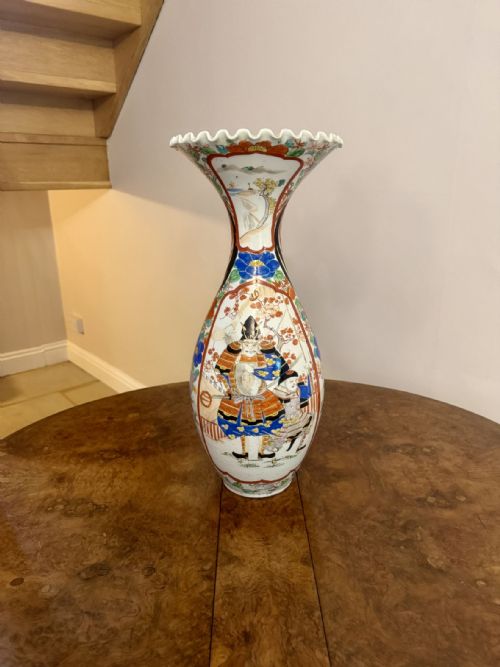
A Japanese arita porcelain vase encompasses centuries of ceramic production originating from the town of Arita, spanning small bottle shapes to massive floor-standing vessels. These objects range from blue and white export wares to vibrant polychrome pieces made for both domestic use and international trade.
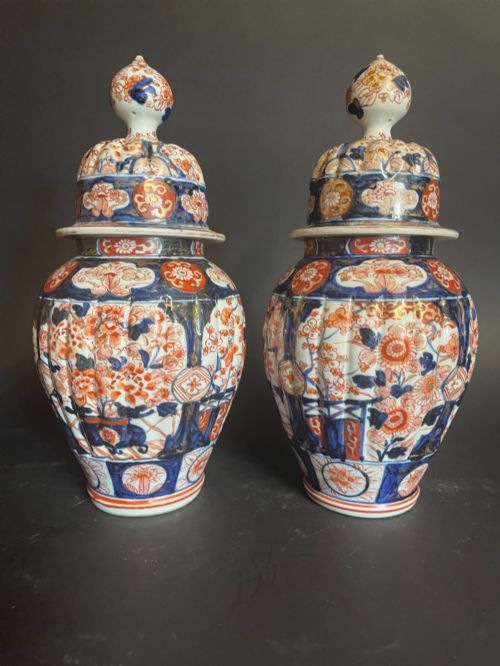
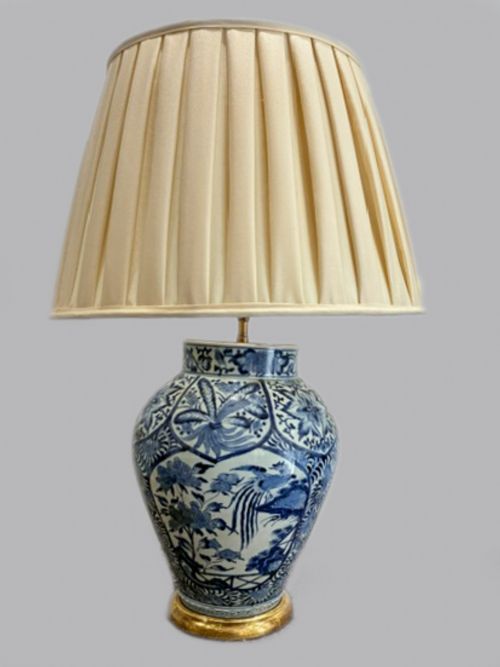
The pieces met most often on this page date from the late nineteenth century, particularly the Meiji period, alongside robust examples from the seventeenth and eighteenth centuries during the Edo period. Forms include ginger jars, lidded vessels, garnitures, and spill vases, occasionally adapted for electrical lighting.
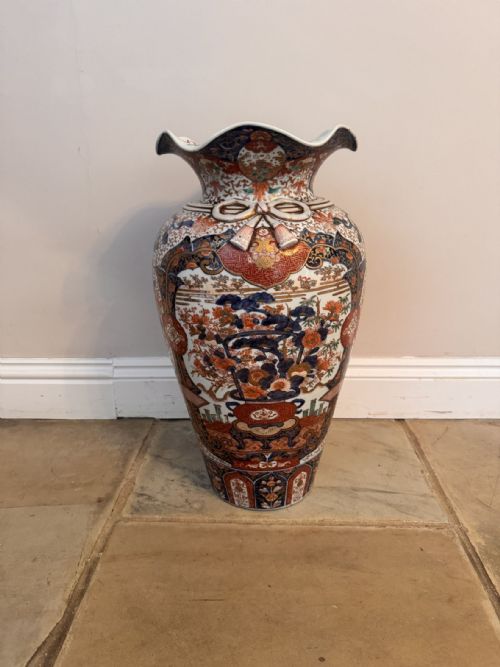
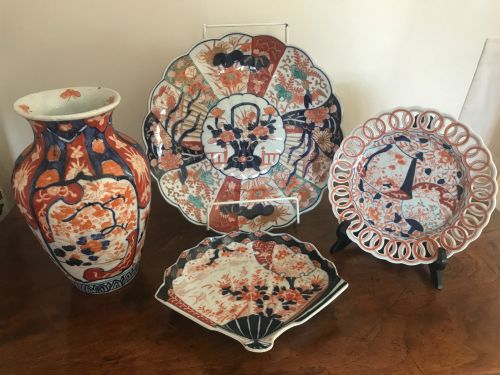
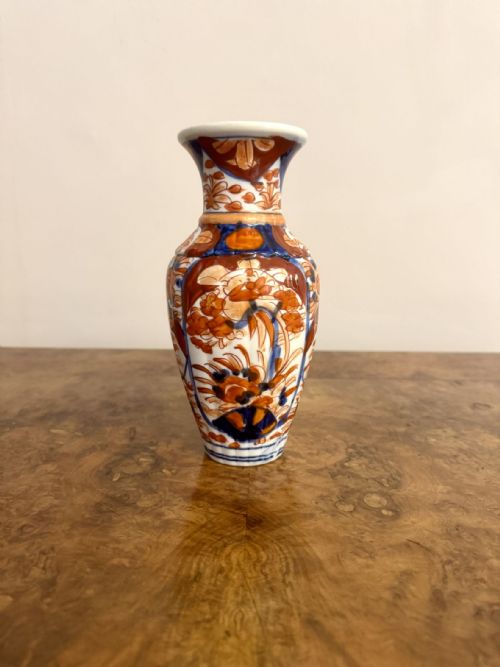
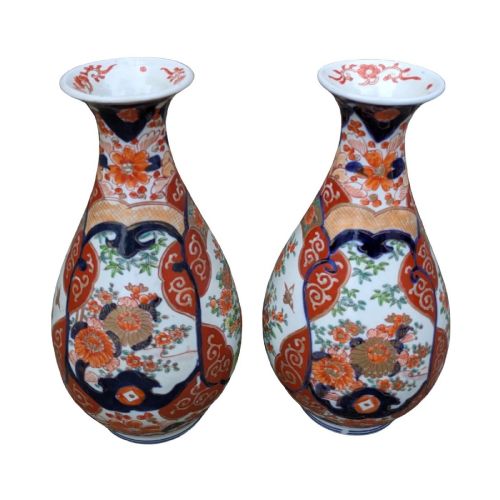
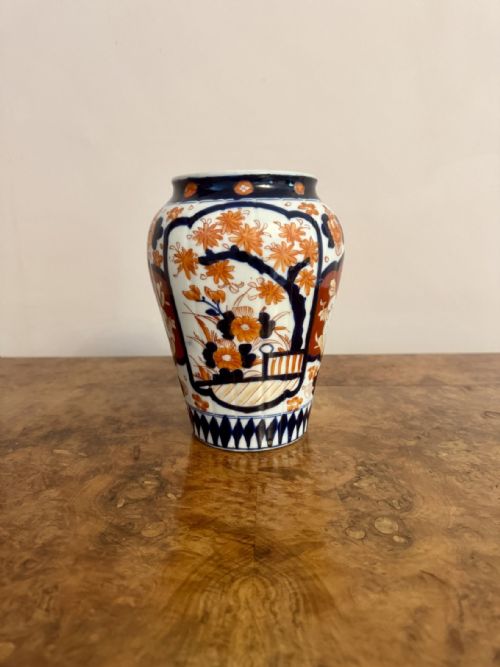
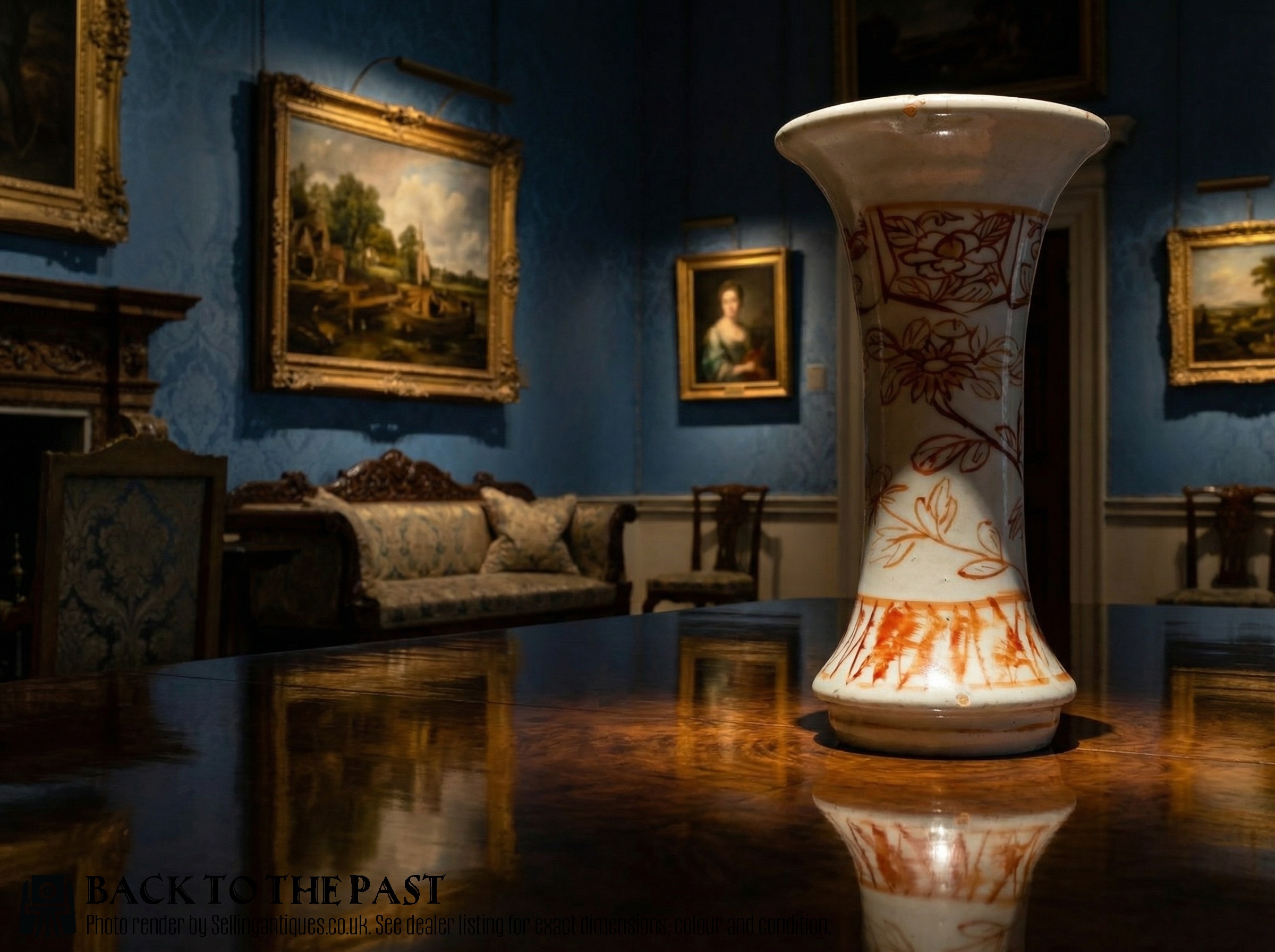
Collectors encounter various stylistic expressions within these listings, most notably the distinctive Japanese Imari palette combining underglaze blue with iron red and gold leaf. Other examples showcase intricate blue and white Kano designs, blue and white temple forms, and specialised factory output from makers such as Fukagawa and Koransha.
How They Were Made
The foundation of every piece rests on refined porcelain clay shaped on the wheel or pressed into moulds, then fired at high temperatures to achieve a dense, vitrified body. Artisans applied cobalt underglaze pigments before the initial glaze firing, creating deep blue motifs beneath a clear glossy surface.
Overglaze decoration involved the careful application of coloured enamel paints and gold leaf, which required subsequent lower-temperature kiln firings to fuse the pigments to the glaze. Some items incorporate additional mounts of brass or rest upon silk and fabric elements, though the core technique relies entirely on ceramic chemistry and brushwork.
Japanese Arita Porcelain Vase Retail Price Guide 2026
Typical asking prices for japanese arita porcelain vase among the pieces listed under this phrase on Sellingantiques today, from the lower quarter to the upper quarter. They describe what is for sale here now, not the wider market.
Listings feature porcelain forms spanning the seventeenth-century Edo period through to late nineteenth-century Meiji production, encompassing both blue and white and polychrome enamel styles.
What Varies in Quality
Quality rests upon the crispness of the porcelain throwing, the precision of the hand-painted brushwork, and the richness of the enamel and gold leaf application. Earlier pieces from the seventeenth and eighteenth centuries often display a pleasing organic irregularity in the body, whereas later Meiji examples frequently demonstrate immense technical discipline and complex patterning.
The depth and vibrancy of the Imari palette or the clarity of blue and white Kano designs dictate the visual impact of the vessel. Superior examples maintain balanced composition across complex multi-panel surfaces, whereas lesser items show hurried brushwork and uneven glaze pooling.
Fukagawa·Koransha
The Japanese Arita Porcelain Vase Glossary
- Arita
- The historic Japanese town and surrounding region in Hizen province famous as the birthplace of Japanese porcelain production. Kilns here supplied domestic markets and European export trade for centuries.
- Imari
- A style of Japanese export porcelain named after the port from which the wares were shipped, typically characterised by a palette of underglaze blue, iron red, and gilt highlights. These designs often feature dense floral and brocade motifs.
- Garniture
- A set of matching vases or jars designed to be displayed together on a mantelpiece or cabinet top, usually consisting of three or five pieces of alternating shapes.
- Meiji Period
- The era of Japanese history running from 1868 to 1912, marked by industrial modernisation and a surge in export quality ceramics aimed at Western markets.
- Ginger Jar
- A high-shouldered ceramic vessel originally used to store spices and preserves, frequently found with a matching domed cover in both decorative and utilitarian contexts.
Japanese Arita Porcelain Vase: Frequently Asked Questions
How do I tell an 17th-century piece from a Meiji one?
Seventeenth-century examples often exhibit heavier bodies with subtle glaze variations and simpler cobalt tones typical of early export production. Meiji period items generally show sharper details, brighter enamels, and denser decorative schemes.
Examining the foot ring and the weight of the porcelain helps reveal the manufacturing period. Older pieces often have unglazed rims that show the bare clay, while nineteenth-century wares display more uniform industrial refinement.
What is an Imari palette?
The Imari palette refers to the classic combination of deep underglaze cobalt blue and vibrant iron red, frequently accented with generous applications of gold leaf. This striking triad created a rich, decorative surface highly prized in European palaces during the export era.
Craftsmen layered these pigments over multiple firings to achieve a brilliant contrast against the white porcelain ground. The style became synonymous with luxury and remains one of the most recognisable aesthetics in Asian ceramics.
Can I use these vases for fresh flowers?
Most antique vessels function adequately with water, though historical porcelain can be fragile and vulnerable to thermal shock or impact. Many collectors prefer to display them dry to protect the delicate overglaze enamels and gold leaf from moisture damage.
If water is used, placing a discreet modern glass liner inside the vessel prevents prolonged dampness from affecting the ancient clay or any historic repairs. Careful handling during cleaning is essential to preserve the surface.
Why are some jars listed with covers?
Lidded jars and ginger jars originally served functional storage purposes for spices, tea, or precious goods before transitioning purely into decorative display items. Surviving covers that match the exact body glaze and pattern are a significant bonus for collectors.
Many antique vessels lost their lids over centuries of handling, making complete pairs or garnitures particularly desirable. The presence of a matching cover ensures the silhouette remains true to the maker's original design.