



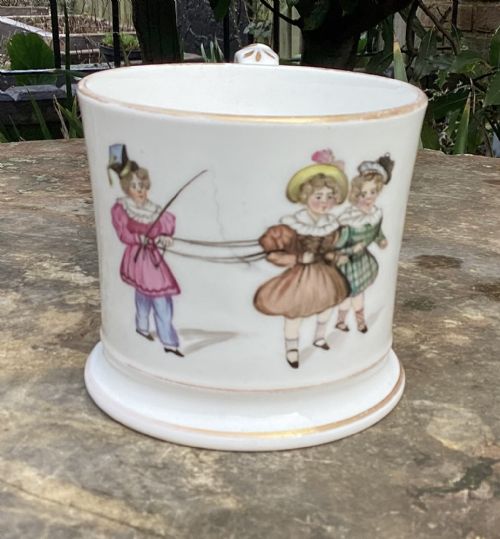
Hand Painted Porcelain Beaker
A hand painted porcelain beaker brings vibrant enamel work and centuries of kiln mastery straight to your cabinet.
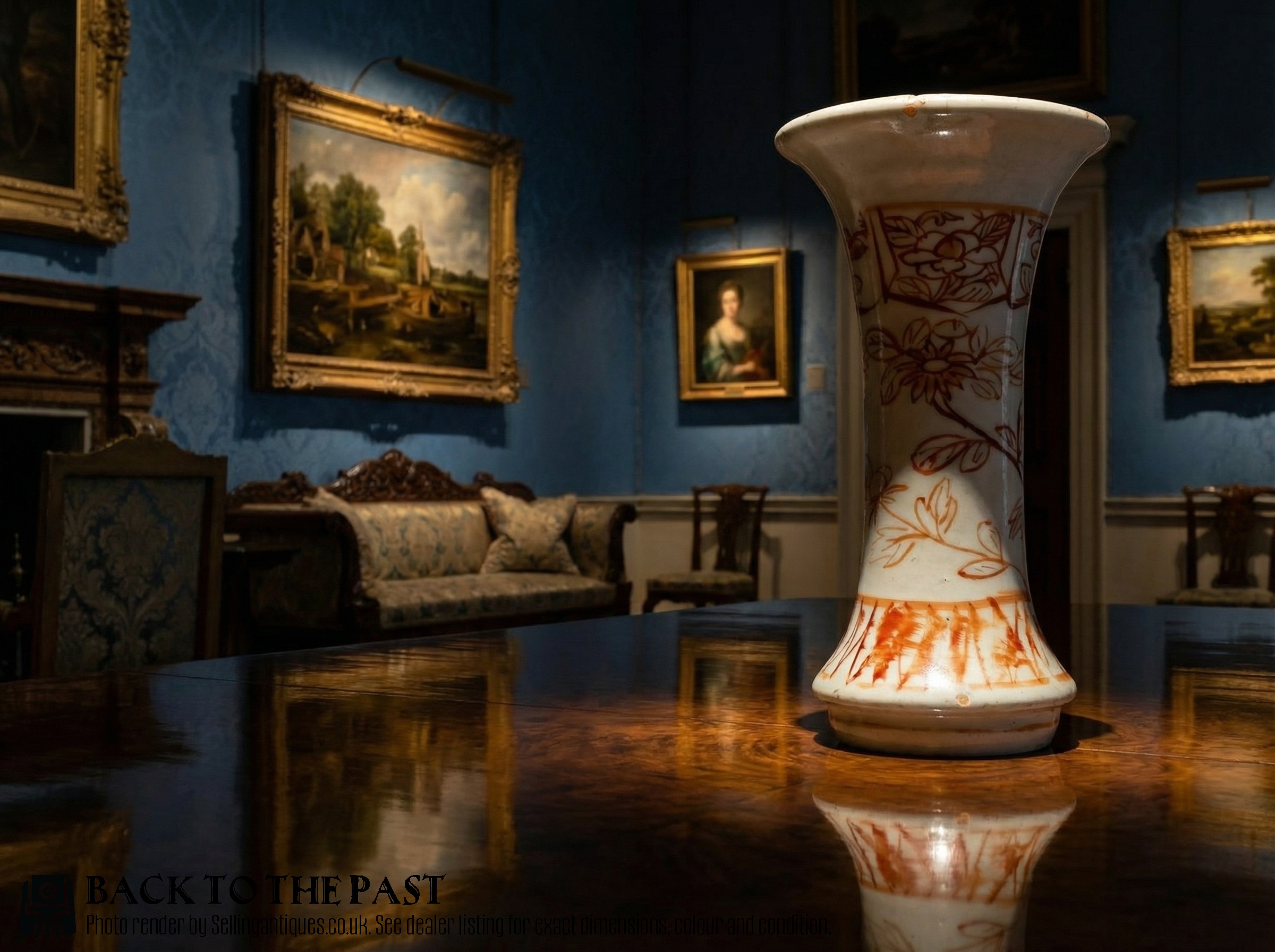
Hand Painted Porcelain Beaker
A hand painted porcelain beaker encompasses a diverse group of ceramic drinking vessels and cabinet pieces produced across European and Asian kilns. Buyers searching this phrase encounter cabinet cups, porter mugs, and cylindrical beaker vases dating from the seventeenth century through to the late Victorian era.
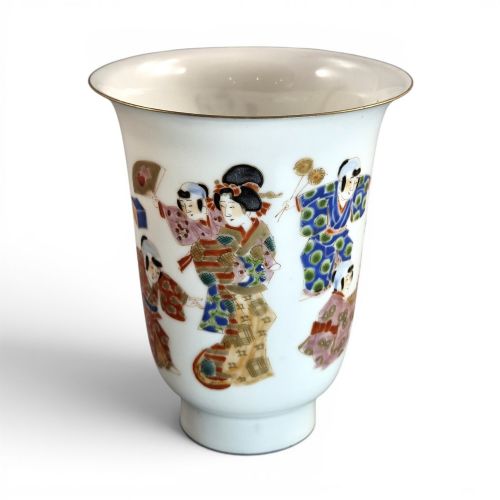
The selections available here range from early Japanese export wares and Chinese blue and white forms to English Regency mugs and elaborate continental cabinet cups. Many pieces originate from renowned periods such as the Georgian, Regency, and Victorian eras, alongside Meiji and Edo periods from Japan.
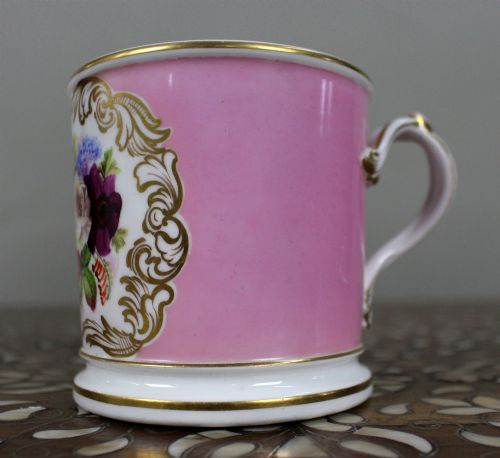
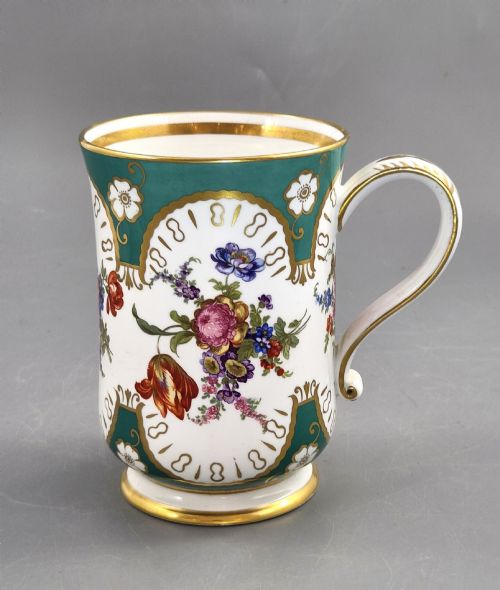
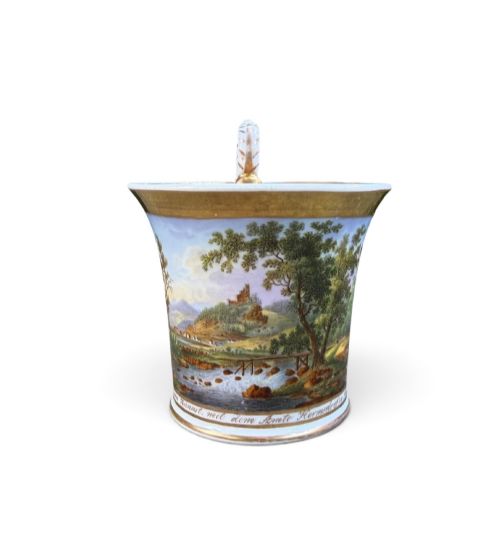
Forms vary from straightforward mug shapes to pedestal beaker vases and handled chocolate cups. Each example demonstrates individual hand painting upon a hard-paste or soft-paste porcelain body, often enhanced with gilding or topographical scenes.
How they were made
Potters shaped these vessels using fine porcelain clay, frequently employing hard-paste porcelain formulas that required high-temperature firing. Artisans then applied mineral enamel pigments by hand, sometimes returning the piece to the kiln multiple times to fix each colour layer.
Gilding was a crucial final step for many European cabinet pieces, with gold leaf or liquid gold applied to rims, handles, and borders to accent the painted panels. Once fired, the glossy glaze protected the intricate brushwork from daily wear.
Current listings feature porcelain spanning from the seventeenth century to the late nineteenth century, incorporating both European factories and Japanese kilns.
What varies in quality
The refinement of the hand painting sets apart standard production from exceptional cabinet wares. Superior pieces display meticulous miniature brushwork, such as detailed allegorical woodland scenes or topographical views rendered with fine perspective and controlled palette.
The application and preservation of gold leaf or gilding also dictate overall quality. Rich, burnished gold accents that remain intact without rubbing indicate superior initial craftsmanship and careful subsequent handling.
Grainger Worcester·Doulton Burslem·Derby Porcelain·Royal Vienna·Hichozan Shinpo
The Hand Painted Porcelain Beaker Glossary
- Hard-Paste Porcelain
- A dense, durable ceramic body composed of kaolin and petuntse fired at high temperatures. This material resists scratching and provides a smooth, bright white base for enamel painting.
- Enamel
- Vitreous coloured glass used by painters to decorate porcelain surfaces before low-temperature refiring. It produces vibrant, permanent hues across floral, landscape, and figural motifs.
- Gilding
- The application of gold leaf or gold paint to ceramic edges and handles. It adds a reflective metallic contrast to the painted porcelain body.
- Cabinet Cup
- A decorative cup intended for display in a collector cabinet rather than for practical dining use. These pieces often feature elaborate hand-painted scenes and rich gilding.
- Gu
- A traditional Chinese beaker-form vessel shape featuring a flared trumpet mouth and a wide foot. This ancient bronze shape was frequently reinterpreted in later porcelain.
Hand Painted Porcelain Beaker: Frequently Asked Questions
What is a porcelain beaker?
A porcelain beaker is an open, straight-sided or slightly flared vessel made from fired ceramic clay and decorated with glazes and enamel painting.
Unlike standard drinking cups, many examples serve as decorative cabinet pieces or cabinet cups designed for display rather than everyday use.
How were these beakers used?
Historical uses ranged from practical drinking vessels like porter mugs and lemonade beakers to purely decorative cabinet objects.
European examples often sat on display in wealthy households to showcase the owner's taste, while others held hot beverages like chocolate or tea.
How can I tell the period?
Dating relies on examining the painting style, paste consistency, and any factory marks stamped or painted on the base.
Stylistic shifts, such as Neoclassical motifs on Georgian pieces or ornate gilding on Victorian wares, help narrow down the decade of production.