



19th Century Porcelain Mug
These 19th century porcelain mug examples range from grand cabinet pieces to hearty drinking vessels, offering collectors superb painted decoration and tangible history.
19th Century Porcelain Mug
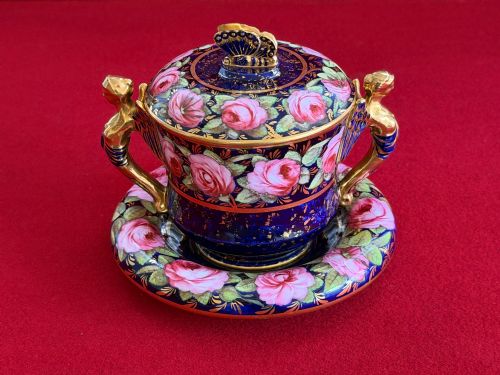
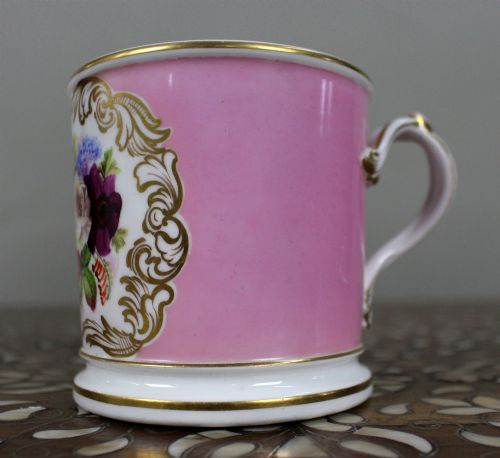
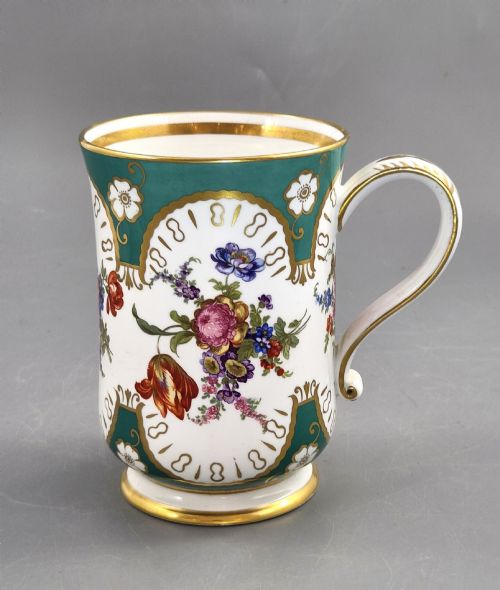
When searching for a 19th century porcelain mug, buyers encounter a diverse selection of drinking and cabinet vessels spanning the Georgian, Regency, and Victorian eras. The category encompasses standard mugs and tankards alongside specialised forms such as chocolate cups, coffee cans, loving cups, and Toby jugs.
The pieces on this page originate from esteemed English factories like Spode, Derby, and Grainger Worcester, as well as continental centres including Berlin, Vienna, and Old Paris. Forms vary from simple commemorative Christening mugs to lavishly gilded and hand-painted cabinet pieces designed for display rather than daily use.
How they were made
The physical construction relies primarily on hard-paste porcelain or bone china, shaped by hand or moulded before kiln firing. Potters applied liquid clay bodies to create sturdy tankards and delicate cabinet cups alike.
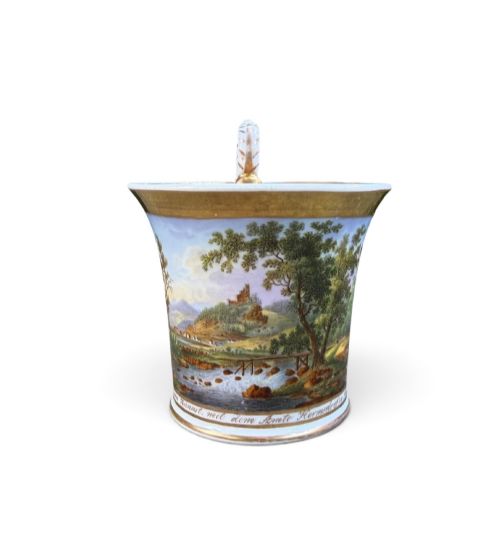
Decoration involved intricate hand-painted enamel scenes, often featuring topographical views, landscapes, or allegorical figures. Artisans then applied gold leaf and gilding to rims, handles, and borders, frequently firing the pieces multiple times to set the metallic and enamel colours.
Listings feature hard-paste porcelain and bone china adorned with hand-painted enamels and gold leaf, spanning the Regency, Georgian, and Victorian periods.
What varies in quality
Quality in these ceramics is dictated by the crispness of the porcelain body and the artistic execution of the hand-painted enamel work. Pieces featuring finely detailed topographical scenes or allegorical woodland views demonstrate superior workshop skill compared to standard utilitarian wares.
The preservation of the original gilding and gold leaf significantly influences the standing of a piece. Finer examples retain their burnished metallic lustre intact, while the depth and weight of the porcelain body itself separate standard production items from elite cabinet wares.
Spode·Grainger Worcester·H & R Daniel·Derby·Stevenson and Hancock
The 19th Century Porcelain Mug Glossary
- Hard-Paste Porcelain
- A durable ceramic composition fired at high temperatures, invented in Europe during the eighteenth century. It provides a bright, vitrified body that readily accepts detailed enamel painting.
- Bone China
- An English ceramic body incorporating bone ash, yielding a sturdy yet translucent material. It became the staple medium for many nineteenth-century domestic and cabinet cups.
- Gilding
- The application of gold leaf or powdered gold to ceramic surfaces for decorative effect. This technique highlights rims, handles, and painted panels.
- Coffee Can
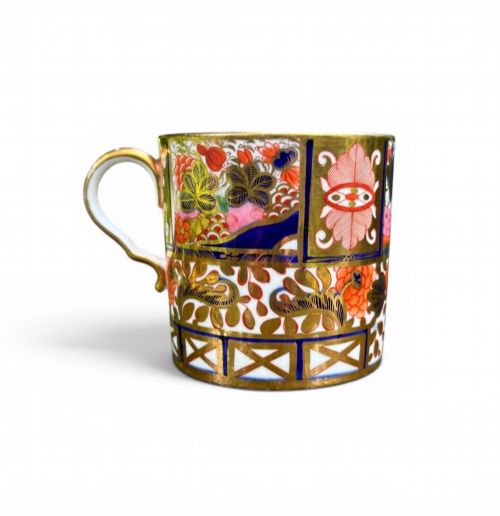
- A straight-sided cylindrical drinking vessel produced without a handle, popular during the Regency and Georgian periods. These items were designed specifically for holding strong coffee.
- Loving Cup
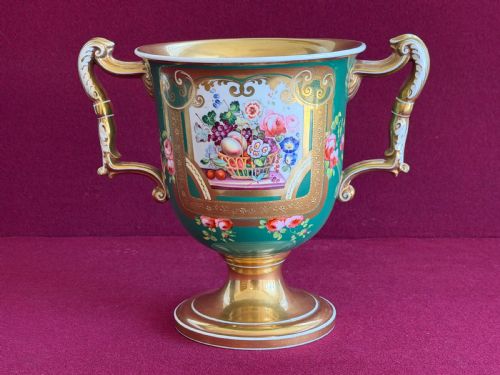
- A large drinking vessel featuring two or more handles, traditionally passed around among guests at banquets and celebrations. Many nineteenth-century examples served commemorative or decorative functions.
19th Century Porcelain Mug: Frequently Asked Questions
What is a 19th century porcelain mug used for?
These vessels served various functions depending on their specific form and scale. Standard mugs and tankards were used for drinking ale or other beverages, while smaller chocolate cups and coffee cans catered to hot morning drinks.
Larger loving cups often fulfilled commemorative roles for weddings or community events. Meanwhile, delicate cabinet pieces were acquired purely for display in drawing-room vitrines.
How do I tell Regency from Victorian pieces?
Regency pieces often exhibit neoclassical restraint, featuring crisp geometric lines, delicate classical motifs, and refined Imari palettes. They date from the early decades of the nineteenth century.
Victorian items, produced from the middle of the century onward, frequently display bolder polychrome enamels, heavier gilding, and revivalist influences such as French Rococo or Chinoiserie styles.
Are these mugs safe to drink from?
While these items were originally functional tableware, most collectors today treat them as decorative antiques rather than everyday utensils. The aged enamel and delicate gold leaf can suffer wear from modern washing methods.
Furthermore, historical glazes may not meet contemporary food-safety standards. Gentle handling preserves the painted surfaces for posterity.
What is the difference between a tankard and a mug?
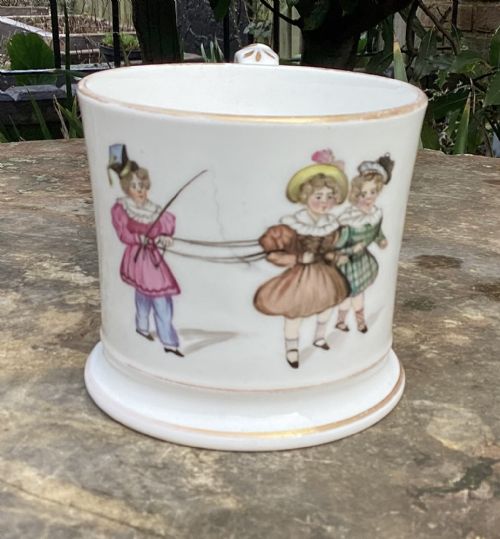
Tankards traditionally feature a sturdy, straight-sided cylindrical form designed specifically for holding malt liquors and ales. They often incorporate a substantial handle to provide a secure grip.
Mugs span a broader category that includes tapering, bulbous, or pedestal shapes intended for tea, chocolate, or general drinking. The terms occasionally overlap in nineteenth-century nomenclature.