


Floral Porcelain Cabinet Cup
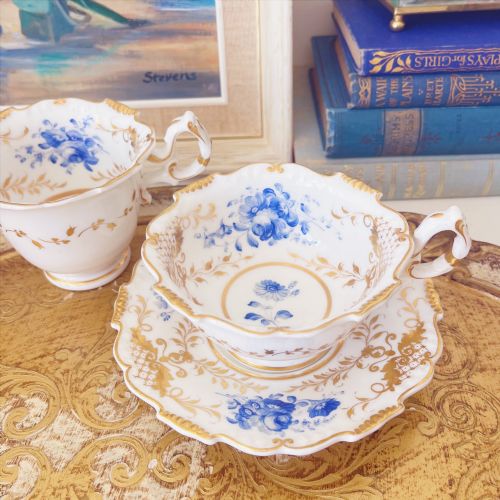
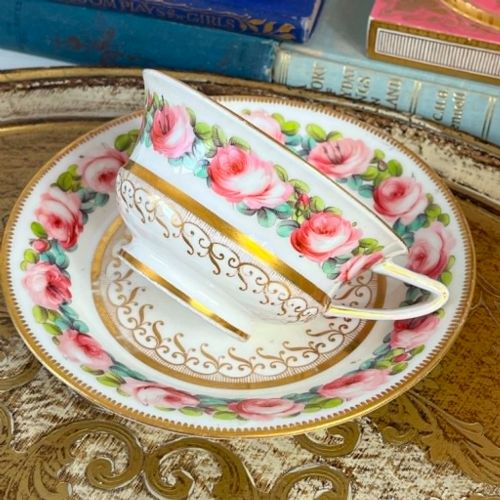
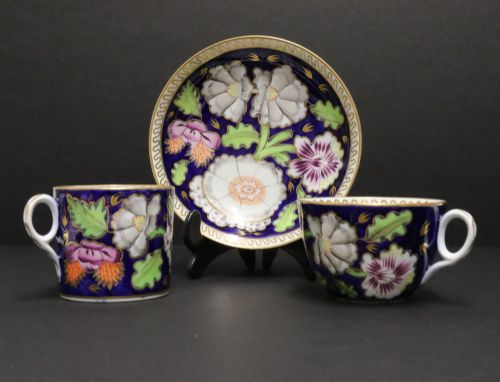
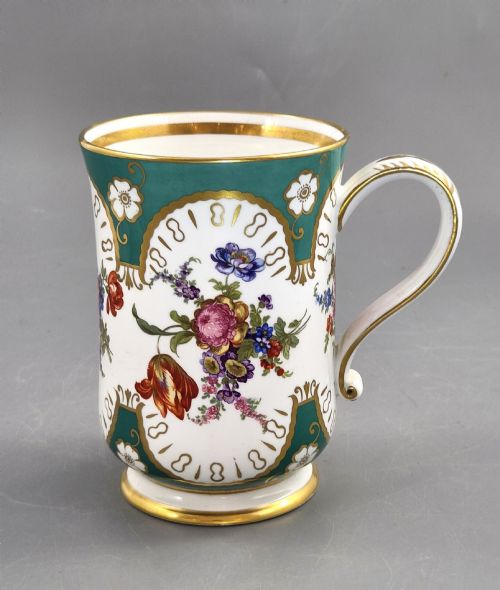
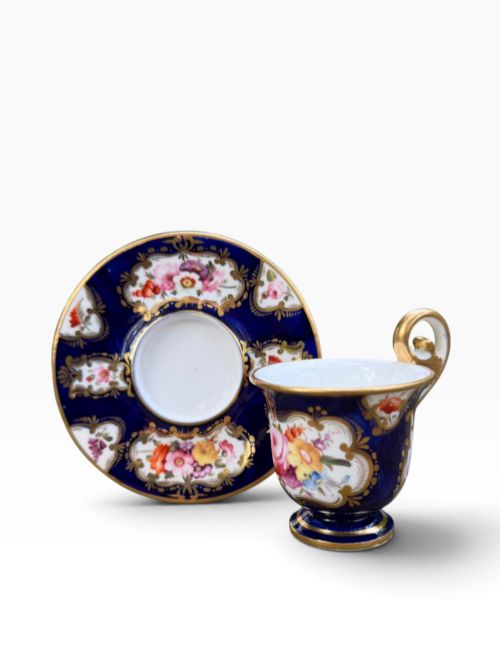
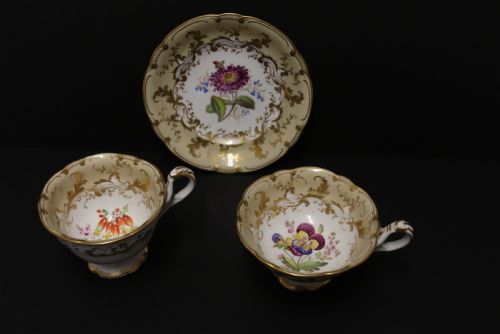
These floral porcelain cabinet cups are delicate display vessels painted with blooms, combining fine ceramic bodies with rich gilding.
Floral Porcelain Cabinet Cup
When you search for a floral porcelain cabinet cup, you encounter small decorative drinking vessels intended for display rather than everyday tea service. These pieces originate from periods spanning the Georgian era through the 1930s, encompassing English and continental workshops.
You are most likely to meet teacups, saucers, duos, and trios featuring handpainted floral motifs. The forms range from cabinet mugs and pedestal cups to demitasse sets created during the Regency, Victorian, and Edwardian eras.
Makers from various European traditions contribute to these listings, utilising hard-paste porcelain, bone china, and enamel. Each example demonstrates distinct regional aesthetic choices, from English flower painting to continental gilded ground works.
How they were made
Potters shaped these vessels using porcelain or bone china, often forming hard-paste bodies that required high firing temperatures. Artisans then applied enamel pigments by hand to render botanical details onto the ceramic surface.
Gilding played a central role in the decoration, utilising gold leaf or gold gilding applied over the glaze. This metallic finish was frequently burnished to contrast with the painted floral panels.
Pink cabbage roses appear frequently across early 19th-century teacups, proving that Victorian gardeners shared our deep affection for overgrown blooms.
What varies in quality
The precision and detail of the handpainting separate standard productions from finer cabinet pieces. Botanical subjects rendered with subtle tonal shading and botanical accuracy indicate skilled work by specialist ceramic artists.
The application and preservation of gold leaf or gilding also define the grade of a piece. Thick, hand-chased gilding applied over a smooth glazed surface represents a higher standard of manufacture than simple linear bands.
H and R Daniel·Davenport·Newhall·Coalport·Hutschenreuter·Hirsch Dresden·Royal Worcester·KPM
The Floral Porcelain Cabinet Cup Glossary
- Cabinet cup
- A decorative vessel made for display in a cabinet rather than for daily use at the tea table. These pieces often feature elaborate painting and gilding.
- Demitasse
- A small cup used for serving strong black coffee or espresso. They frequently appear paired with a matching saucer in later periods.
- Hard-paste porcelain
- A durable ceramic composition fired at high temperatures using kaolin and petuntse. It provides a vitreous, translucent body suitable for fine enamel painting.
- Bone china
- A type of porcelain incorporating bone ash into the ceramic paste. This formula creates a milky white body with high strength.
- Gilding
- The application of gold leaf or gold paint to the surface of the porcelain. It highlights rims, handles, and framing panels around floral motifs.
Floral Porcelain Cabinet Cup: Frequently Asked Questions
What is a cabinet cup?
A cabinet cup is a small ceramic vessel made primarily for display in a collector's cabinet rather than for actual dining use. These pieces often showcase exceptional artistry and delicate painting.
Because they were meant to be admired behind glass, they frequently survive in more fragile condition than utilitarian tableware.
How do I date a porcelain cup?
Dating involves examining the ceramic paste, the style of the floral painting, and any factory marks stamped on the base. Regency and Georgian pieces often display distinct potting weights and handpainted pattern numbers.
Later 19th-century and 20th-century examples shift toward printed outlines filled with colour, or cleaner white bone china bodies.
Can I use these cups for tea?
While these vessels were originally designed to hold liquids, their age, delicate enamel work, and gold leaf make them unsuitable for regular daily use. Thermal shock or vigorous washing can damage the fragile overglaze decoration.
Collectors generally preserve them as display objects to protect the handpainted surfaces.
What does a trio include?
A trio typically consists of a teacup, a matching saucer, and a corresponding side or tea plate. This configuration became popular for formal tea service during the Georgian and Regency periods.
Finding a complete trio intact is a significant advantage for collectors focusing on early porcelain.