


Hand Painted Floral Mug
These hand painted floral mug pieces bring botanical decoration to drinking vessels across several centuries of ceramic manufacture.
Hand Painted Floral Mug
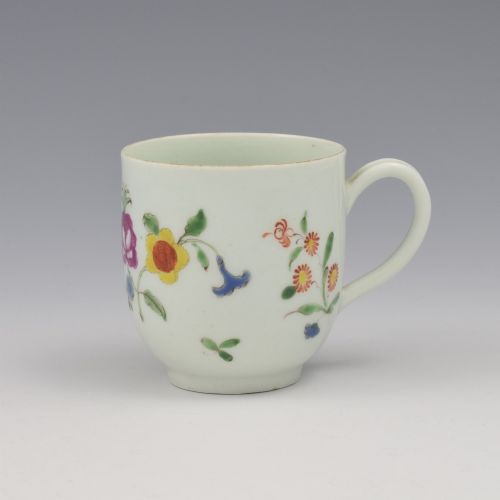
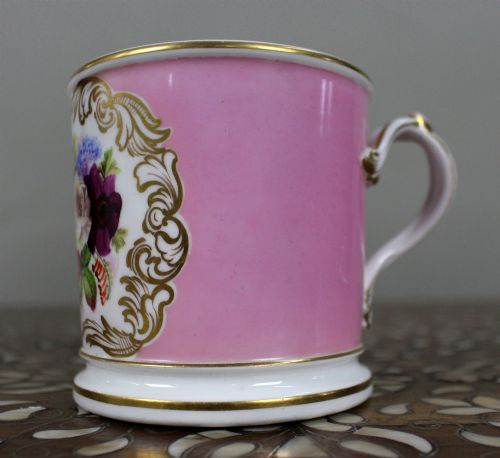
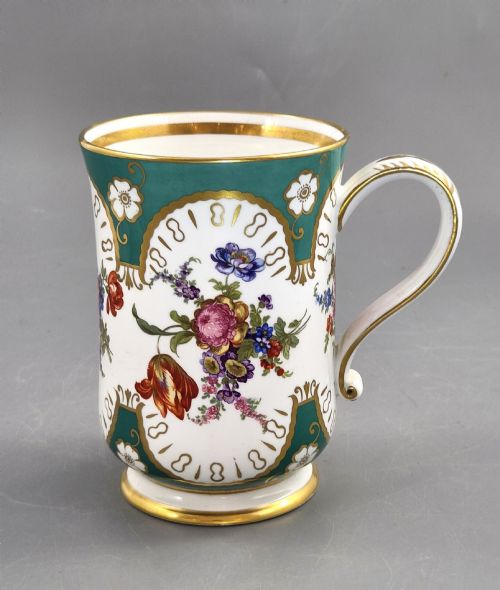
A hand painted floral mug encompasses drinking vessels decorated with painted botanical motifs across earthenware, pearlware, creamware, and porcelain bodies. The selection spans utilitarian tankards, loving cups, coffee cups, and cabinet pieces from the eighteenth century through to the early twentieth century.
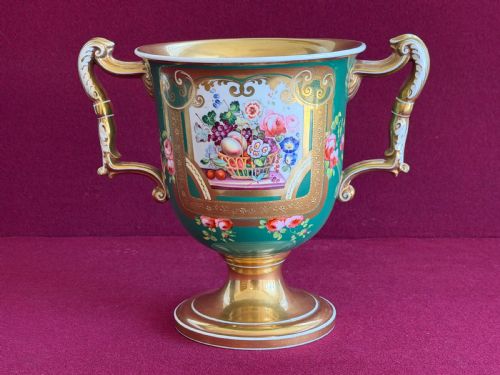
Buyers encounter examples originating from English factories such as Worcester, Liverpool, Lowestoft, and Derby, alongside continental pieces like Old Paris porcelain. Forms range from large tankards and two-handled loving cups to miniature tygs and cabinet beakers.
The decorative schemes utilise floral patterns, polychrome enamels, and gilt accents applied by hand. Pieces vary from robust earthenware drinking vessels to delicate porcelain cabinet cups intended for display.
How they were made
Maker workshops formed these items using earthenware, creamware, pearlware, and hard-paste porcelain before applying hand-painted designs. Artisans built up floral motifs using polychrome enamels, often supplemented by gilding and gold leaf details.
Potters shaped larger drinking vessels like tankards and loving cups for everyday or ceremonial use, while porcelain cabinet cups received finer treatment for display. Glazes seal the ceramic bodies, protecting the painted botanical subjects beneath.
Frog mugs surprise drinkers with a ceramic amphibian lurking inside the vessel.
What varies in quality
The standard of a hand painted floral mug depends on the finesse of the brushwork and the complexity of the ceramic body. Early porcelain bodies from factories like Lowestoft or Liverpool demonstrate different technical achievements compared to later nineteenth-century earthenware.
Gilding execution and enamel preservation dictate visual appeal, with burnished gold leaf and vibrant polychrome pigments elevating certain pieces. The historical importance of the maker also separates standard utilitarian wares from factory-marked cabinet items.
Richard Chaffers·Grainger Worcester·H & R Daniel·Royal Worcester·Lowestoft
The Hand Painted Floral Mug Glossary
- Loving cup
- A large drinking vessel featuring two or three handles, traditionally passed around among guests at banquets or celebrations.
- Tankard
- A tall, cylindrical drinking vessel, usually featuring a single handle and substantial walls suitable for hearty use.
- Pearlware
- A refined earthenware body developed in the late eighteenth century featuring a subtle bluish glaze that mimics porcelain.
- Tyg
- A multi-handled drinking vessel designed for communal passing, often taking a stout cylindrical form.
- Polychrome
- Decoration utilising multiple distinct colours applied in enamels or paints across the ceramic surface.
Hand Painted Floral Mug: Frequently Asked Questions
What is a loving cup?
A loving cup is a large drinking vessel designed with multiple handles for communal use during gatherings and celebrations.
These pieces often feature hand-painted floral motifs and commemorate specific dates or names.
How do I date a ceramic tankard?
Dating relies on examining the ceramic body, glaze characteristics, and painting style alongside any factory marks present.
Earthenware and creamware typically point to the eighteenth and early nineteenth centuries, while porcelain examples vary across Georgian and Victorian periods.
Were these mugs used for drinking?
Many larger tankards and loving cups served practical drinking functions in domestic or tavern settings. Smaller porcelain cabinet cups and miniatures were intended primarily for visual display.