




Gilded Porcelain Mug
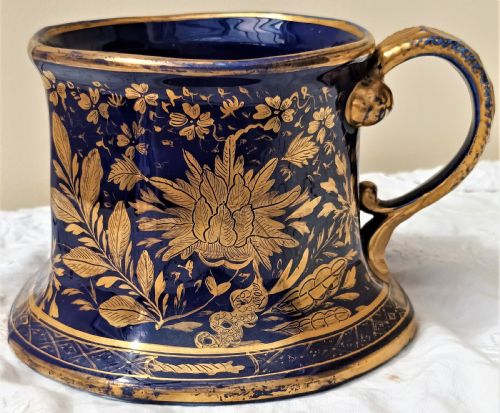
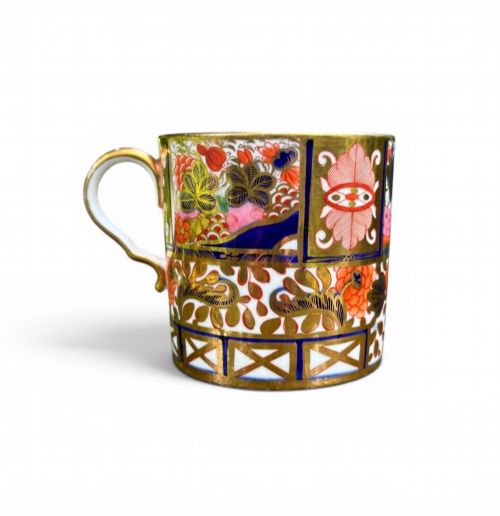
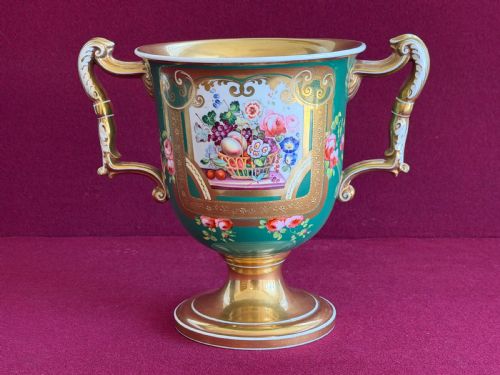
These gilded porcelain mug examples combine fine ceramic bodies with rich metallic leaf, offering a tactile piece of drinking history for the cabinet or table.
Gilded Porcelain Mug
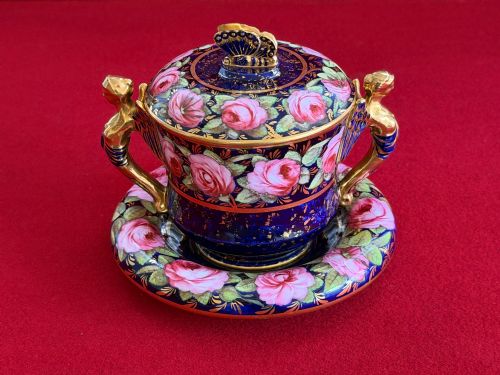
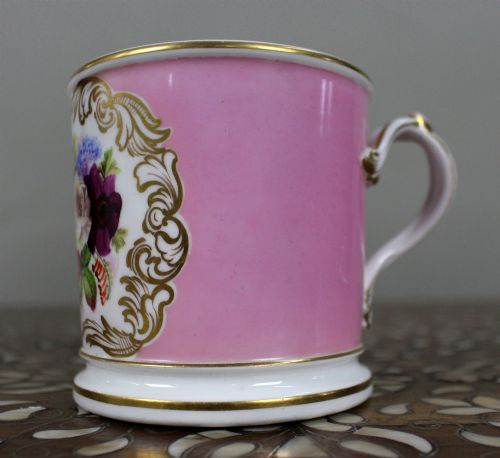
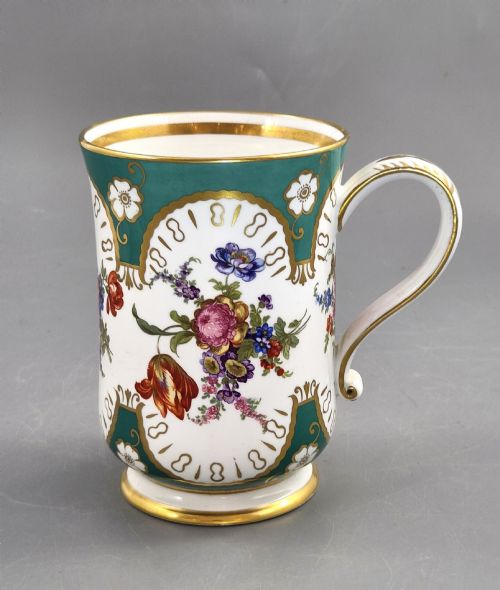
A gilded porcelain mug brings together utilitarian ceramic forms and ornamental metalwork, spanning eras from the Georgian period through the Edwardian age and into the 1920s. You will encounter varied vessel types, ranging from traditional porter mugs and loving cups to specialised cabinet cups, chocolate cups, and coffee cans.
The objects derive from notable European factories, including English works like Spode, Derby, Worcester, and Mason's, alongside continental houses such as Berlin and Royal Vienna. Forms vary from simple cylindrical tankards to elaborate three-handled vessels and miniature tygs designed for display rather than robust daily use.
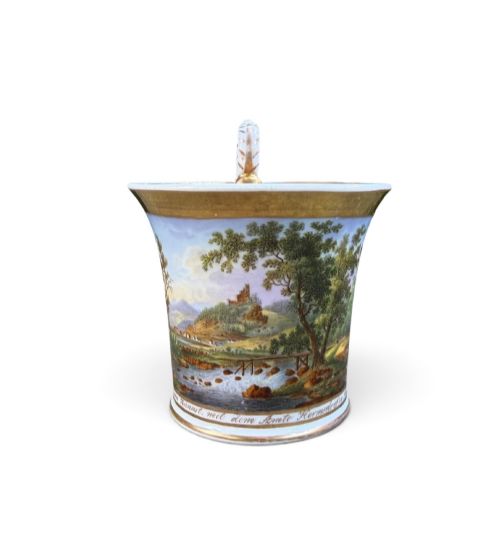
Stylistic influences shift across the timeline, moving from Neoclassical restraint and Regency elegance through French Rococo Revival to the distinct patterns of Art Deco. Many pieces feature hand-painted topographical scenes, floral motifs against coloured grounds, or allegorical woodland subjects framed by extensive gilding.
Materials and Construction
Makers shaped these vessels from hard-paste porcelain or ironstone, fired at high temperatures to create a dense, durable ceramic body capable of supporting detailed enamel work. Potters then applied liquid enamel paints by hand to build up botanical, scenic, or heraldic subjects.
Gilding was applied using gold leaf or powdered gold suspended in a medium, which was painted onto the surface and subsequently fired to fuse the metal to the porcelain. Artisans often burnished this metallic layer to achieve a bright finish that contrasts with the white or coloured ceramic ground.
Listings feature hard-paste porcelain and ironstone bodies decorated with gold leaf, enamel, and gilt highlights across multiple periods.
Assessing Craftsmanship and Execution
Quality rests heavily on the precision of the hand-painting and the execution of the gilding, where finer pieces display intricate brushwork in topographical scenes or allegorical figures. The crispness of the porcelain moulding and the evenness of the glaze also separate standard production wares from factory exhibition pieces.
The integration of the gold leaf with the ceramic body indicates the skill of the decorator, with superior examples showing careful burnishing and little wear to the high-relief ornament. Additionally, documented patterns from known makers carry greater weight through their verified factory origins and recorded pattern numbers.
Spode·Grainger Worcester·Derby Porcelain·Mason's Ironstone·H & R Daniel·Wedgwood·Royal Vienna·Royal Worcester·Hadley Worcester
The Gilded Porcelain Mug Glossary
- Hard-Paste Porcelain
- A durable ceramic composition fired at very high temperatures, made from kaolin and petuntse. This material provides a strong, vitreous body that resists scratching and holds bright enamel colours.
- Ironstone
- A heavy, durable type of earthenware developed in the nineteenth century to imitate porcelain. It offers robustness while accepting printed and painted decoration.
- Porter Mug
- A large drinking vessel originally designed for dark malt beers. These pieces feature sturdy handles and generous capacities suited to daily tavern or domestic use.
- Tyg
- A traditional English drinking vessel with three or more handles designed to be passed around a company. Miniature versions were often produced as cabinet ornaments.
- Coffee Can
- A straight-sided cylindrical porcelain cup popular during the Georgian and Regency periods. They were typically made without saucers for morning coffee service.
- Enamel
- Opaque glass-like pigments applied over the glaze and fired to permanent fusion. Enamels provide the vibrant reds, blues, and greens seen on painted porcelain.
Gilded Porcelain Mug: Frequently Asked Questions
Were these mugs meant for everyday drinking?
Many larger porter mugs and tankards were produced for functional use in domestic settings or inns. Their robust ironstone or hard-paste bodies handled heavy daily wear.
Conversely, delicate cabinet cups, chocolate cups, and miniature tygs served primarily as decorative display items. Their extensive gilding meant they were treated with greater care.
How can I tell a Georgian mug from a Victorian one?
Georgian examples often exhibit Neoclassical motifs, hand-painted topographical views, and refined proportions associated with Regency and early nineteenth-century aesthetics. The gilding is typically hand-applied and burnished to a subtle finish.
Victorian and later pieces frequently employ brighter coloured grounds, transfer-printing techniques alongside hand-painting, and heavier ornamentation reflecting Revival styles. Factory marks, where present, help confirm the exact manufacturing era.
What is a cabinet cup?
A cabinet cup is a decorative vessel made primarily for display in a collector's cabinet rather than for serving beverages. These pieces feature exceptional hand-painted scenes and rich gilding.
They often include matching saucers and showcase the highest skill of the porcelain painter. Factories reserved their best artists for these specialised display items.