





Antique Presentation Cup
An antique presentation cup is a commemorative vessel given for achievement or remembrance, prized by collectors for its fine metalwork and decorative porcelain.
What these pieces are
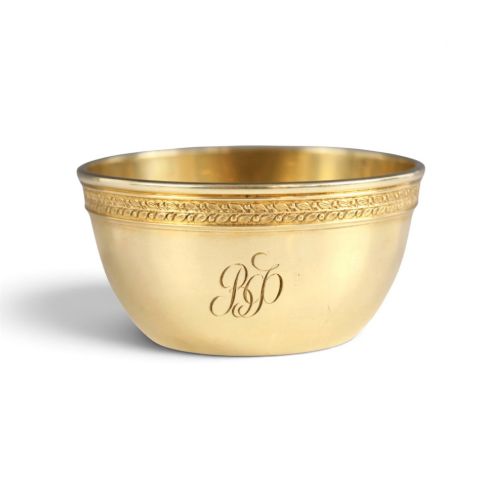
When you search for an antique presentation cup, you encounter vessels created to mark civic occasions, sporting triumphs, and personal milestones. The selection spans the nineteenth century, taking the form of sterling silver trophies, loving cups, and gilt porcelain vessels.
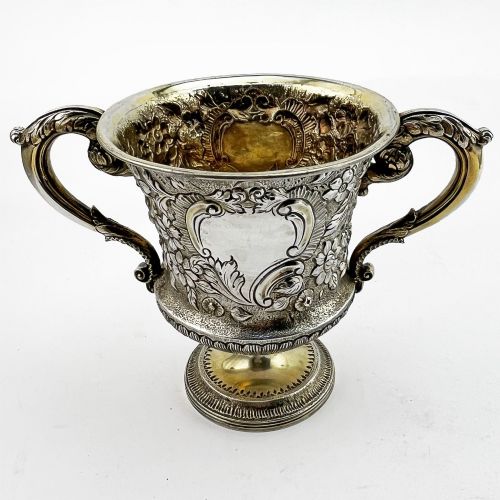
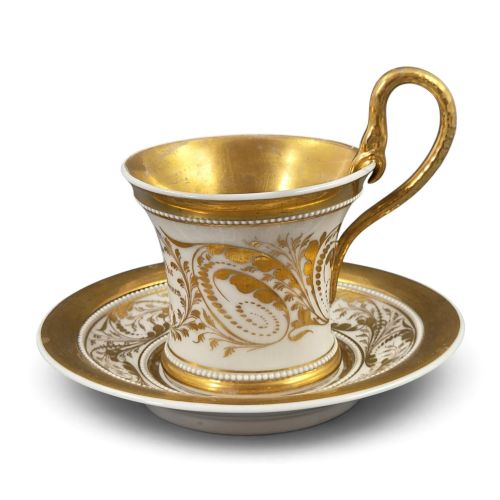
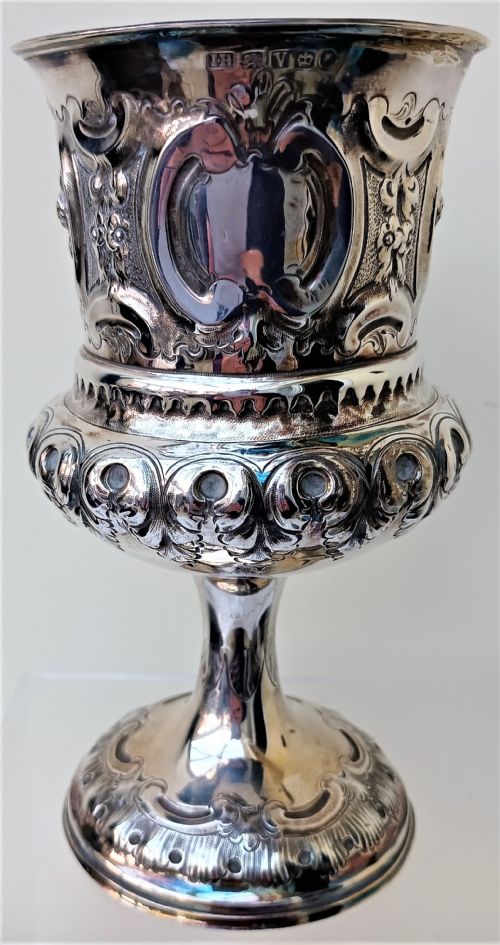
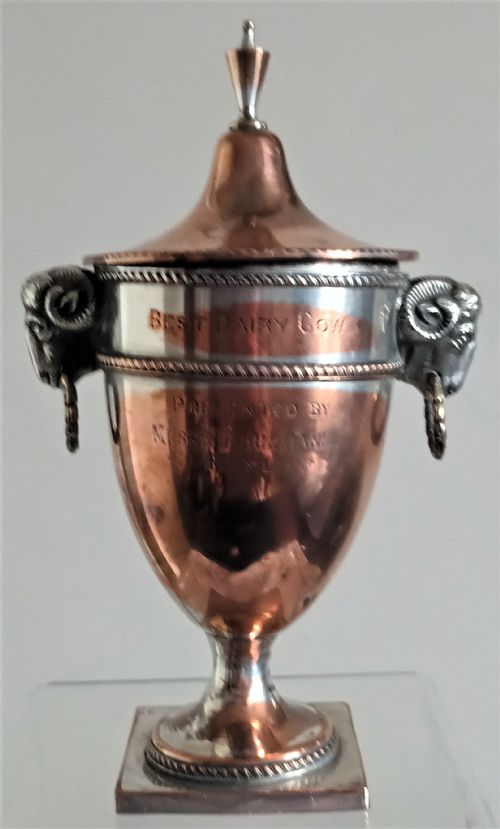
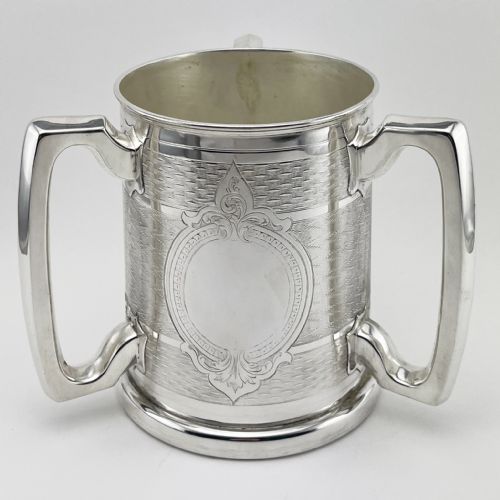
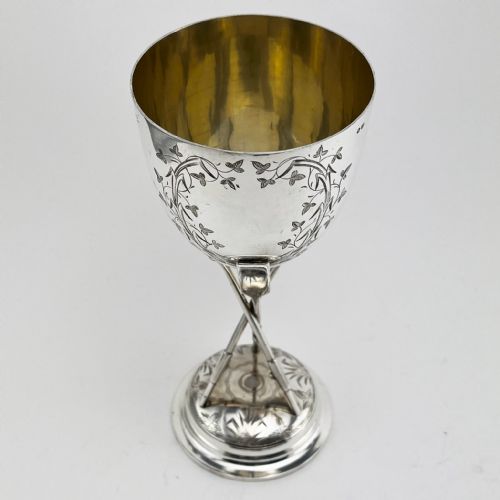
The most common form on this page is the sterling silver trophy cup, often standing on a footed base with twin handles. Alongside these, porcelain cups and saucers appear alongside silver-plated loving cups from various British and European periods.
How they were made
Silversmiths shaped sterling silver and old Sheffield plate through hammering, spinning, and casting, soldering handles and bases to the main body. Engraving was then hand-applied to record names, dates, and heraldic crests.
Porcelain examples, such as those in hard-paste porcelain, were thrown or moulded, then hand-painted with ceramic colours and applied gold leaf before firing in a kiln.
Retail Price Guide 2026
Typical UK retail prices for presentation cup, calculated from the Sellingantiques database of over a million retail prices indexed since 2003. This retail price guide relies exclusively on Sellingantiques data; no external sources or auction records are used, so the figures do not describe the wider market.
Some loving cups arrived with two handles so friends could share a drink without spilling during a toast.
What varies in quality
Quality rests in the weight of the metal and the crispness of the chased or engraved ornamentation. Heavier sterling silver pieces with deep relief work and well-defined handles stand apart from thinner plate or plainer forms.
For ceramic pieces, the fineness of the porcelain body and the preservation of the hand-applied gold leaf determine the distinction between standard production and superior craftsmanship.
KPM Berlin
The Antique Presentation Cup Glossary
- Sterling silver
- A silver alloy containing 92.5 percent pure silver by mass, standard for British plate and presentation items. It provides durability and a bright finish that polishes well.
- Loving cup
- A large ceramic or metal drinking vessel with two or more handles, passed among guests at banquets and celebrations. These often feature commemorative inscriptions.
- Old Sheffield plated
- A method of fusing a thin sheet of silver to a thicker copper base before rolling and forming. This technique predates modern electroplating.
- Hard-paste porcelain
- A ceramic material made from petuntse and kaolin, fired at high temperatures to create a dense, vitrified body. It resists scratching and takes rich enamel colours.
- Chased
- A metalworking technique where decoration is hammered into the surface from the front without removing metal, creating raised patterns. This adds texture and depth to trophies.
Frequently Asked Questions
What is an antique presentation cup?
An antique presentation cup is a commemorative vessel given as a prize or token of esteem, usually fashioned from sterling silver or porcelain.
These pieces often bear engraved inscriptions detailing the specific event or competition they marked.
How were presentation cups used?
Most presentation cups served as display pieces to commemorate sporting victories, military achievements, or civic milestones. Loving cups were occasionally used during banquets and toasts.
Over time, owners placed them on mantelpieces or in cabinets as symbols of family or institutional pride.
How do I care for silver cups?
Sterling silver cups require periodic gentle cleaning with a soft cloth and specialist silver polish to maintain their lustre. Avoid harsh abrasives that can wear down engraved details.
Store them in dry environments away from direct sunlight and damp conditions.
How can I tell the period?
Silver presentation cups often carry hallmarks indicating the assay office, maker, and year of manufacture. Stylistic cues such as Victorian or Georgian shapes also help date the piece.
Porcelain examples rely on factory marks, glaze characteristics, and painting styles for dating.