



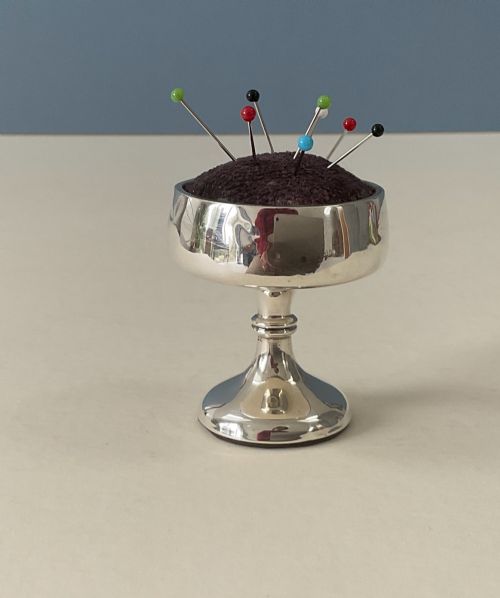


Victorian Silver Goblet
These Victorian silver goblets bring nineteenth-century craftsmanship to the table, offering drinking vessels and presentation pieces shaped by decades of metalwork tradition.
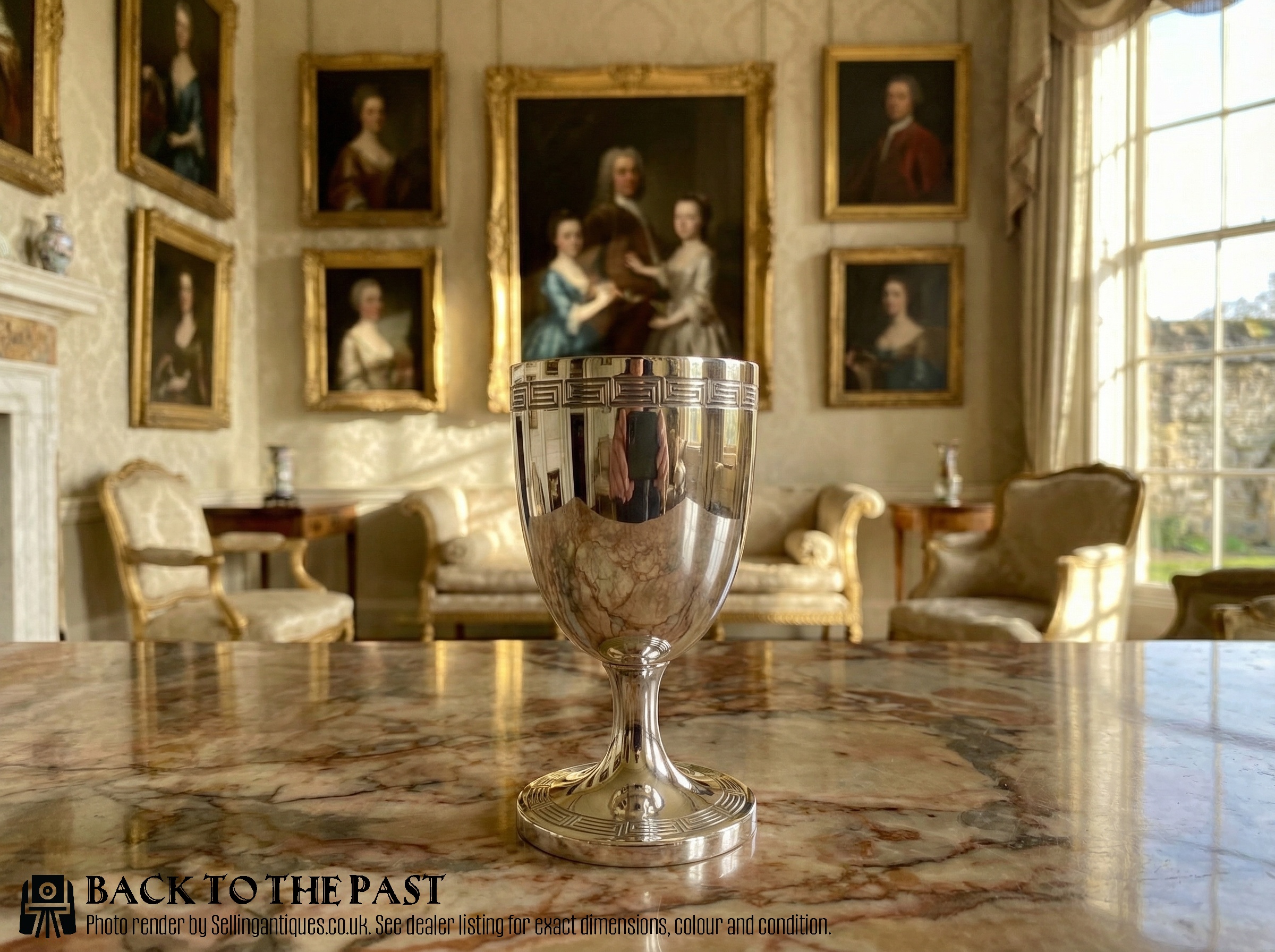
Victorian silver goblet
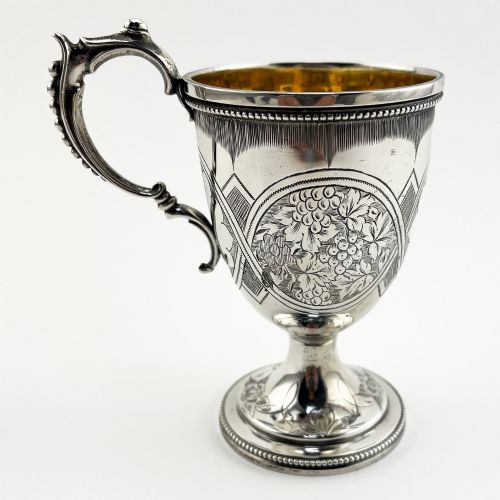
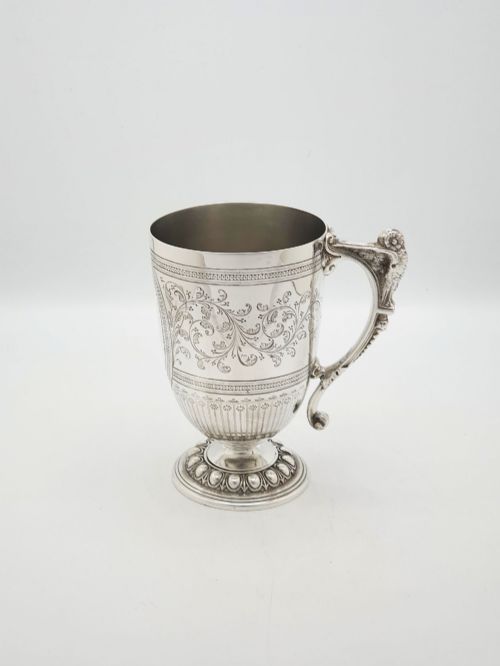
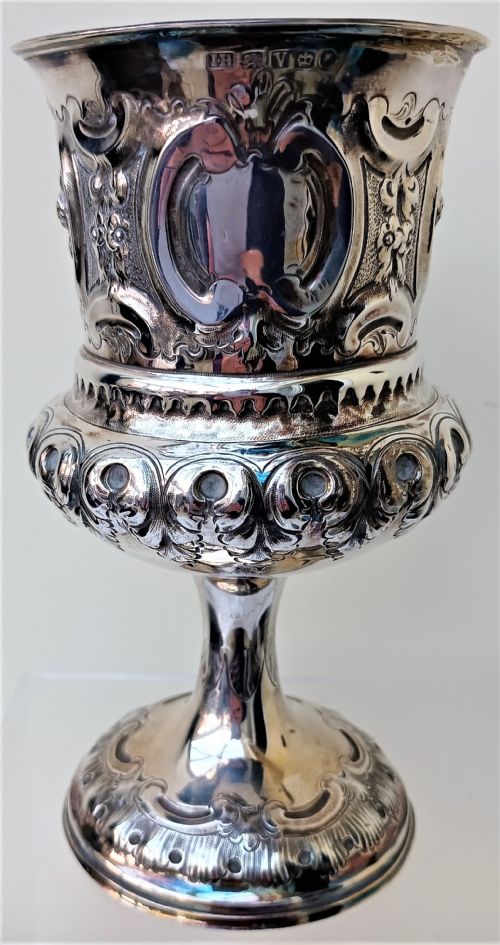
A victorian silver goblet is a stemmed drinking vessel or presentation piece originating in the nineteenth century. These objects appear in various forms, including wine goblets, chalices, christening cups, presentation cups, and trophy cups.
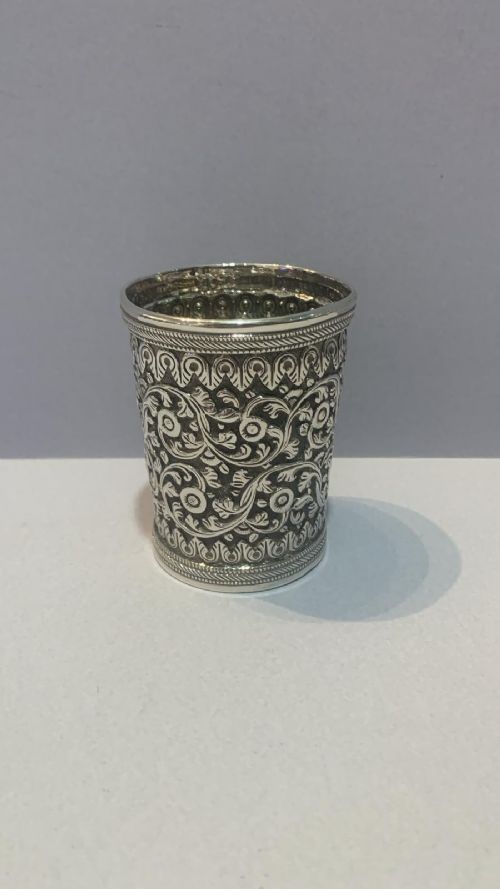
The pieces on this page span the Victorian period, with specific dates extending from the mid-nineteenth century through the turn of the twentieth century. Alongside standard wine goblets, the selection includes related drinkware such as mugs, tot cups, and wager cups.
Makers and assay offices across England produced these vessels for ceremonial use, sporting events, and domestic display. Styles range from plain unengraved surfaces to detailed Victorian Neoclassical Revival and Victorian and Gothic designs.
How they were made
Silversmiths utilised sterling silver and silver gilt alongside silver plate and electroplated nickel silver. Manufacturing techniques involved forming the bowls and stems, then applying decorative methods such as embossing, engraving, and wriggle-work borders.
Surface ornamentation on these vessels frequently incorporates floral motifs, fern engraving, and arabesque patterns. Many examples feature inscriptions or presentation details marking specific dates and events.
Retail Price Guide 2026
Typical UK retail prices for victorian silver goblet, calculated from the Sellingantiques database of over a million retail prices indexed since 2003. This retail price guide relies exclusively on Sellingantiques data; no external sources or auction records are used, so the figures do not describe the wider market.
Listings feature sterling silver and silver plate across the nineteenth century, including specialised pieces like wager cups and communion chalices.
What varies in quality
Quality in these drinking vessels rests on the weight of the metal and the precision of the silversmith's handwork. Heavier sterling silver pieces with crisp, deep engraving sit at the upper end of production.
Design complexity also defines the range, moving from simple unengraved bowls to elaborate presentation pieces featuring cast mounts and architectural motifs. The clarity of assay office marks and maker stamps provides further distinction between standard utilitarian items and masterworks.
John hunt and Robert Roskell·Henry Tatton & Son·D&J Wellby·Fordham & Faulkner·Charles Hougham·Henry Holland·Barnard Bros.·Robert Harper
The Victorian Silver Goblet Glossary
- Sterling silver
- An alloy consisting of pure silver and other metals, typically copper, meeting a specific standard of fineness used across British silversmithing.
- Silver gilt
- Silver objects that have a thin layer of gold applied to the interior or exterior surface, creating a dual-tone appearance.
- Electroplated nickel silver
- A base metal alloy of copper, nickel, and zinc coated with a layer of pure silver through an electrical process.
- Wraggle-work
- An engraving technique created by rocking a graver back and forth to produce a zig-zag line, often seen on mid-period borders.
- Chalice
- A large stemmed cup, frequently associated with religious or communion use in ecclesiastical settings during the period.
Frequently Asked Questions
How do I clean a silver goblet?
Clean sterling silver vessels using a soft cloth and a specialised silver polish designed to remove tarnish without abrasive scratching. Avoid harsh chemical dips that strip away intentional dark detailing within engraved lines.
Rinse the piece thoroughly in warm water and dry immediately with a lint-free cloth to prevent water spots and maintain the polished surface.
Can I drink wine from these?
Many historical vessels remain structurally sound for drinking, provided the interior is clean and free from heavy tarnish. Plain sterling silver and silver gilt cups are generally safe for occasional beverage use.
Silver-plated items require care to ensure the base metal is not exposed through wear, which could alter the taste of the drink. Hand wash only and avoid acidic liquids for extended periods.
What is the difference between a goblet and a chalice?
While both share a stemmed cup form, chalices typically carry ecclesiastical or religious associations, such as holy communion service. Goblets more commonly served domestic dining or secular presentation purposes.
Ecclesiastical chalices often feature heavier proportions and specific religious iconography, whereas secular goblets display a wider variety of decorative engraving and sporting inscriptions.
How do I read the hall-marks?
British hallmarks stamped into the metal typically include a maker's mark, a standard mark indicating silver purity, an assay office mark, and a date letter. These symbols identify the exact year and city of manufacture.
Reference guides map the specific shape of the shield and letter font to pinpoint the exact decade and workshop responsible for the piece.