





Silver Chalice Cup
A silver chalice cup brings tactile weight and centuries of ceremonial craft directly to your table or display.
Silver Chalice Cup
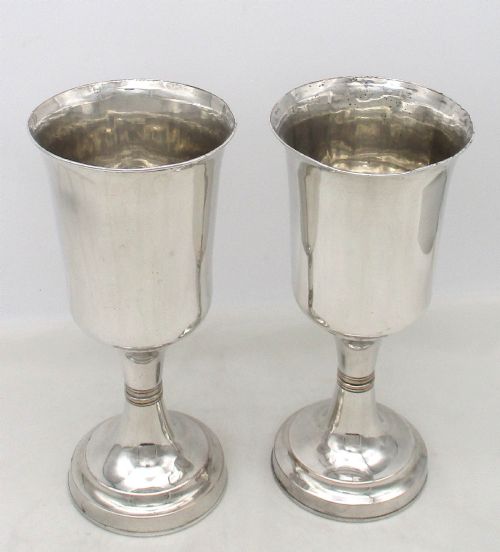
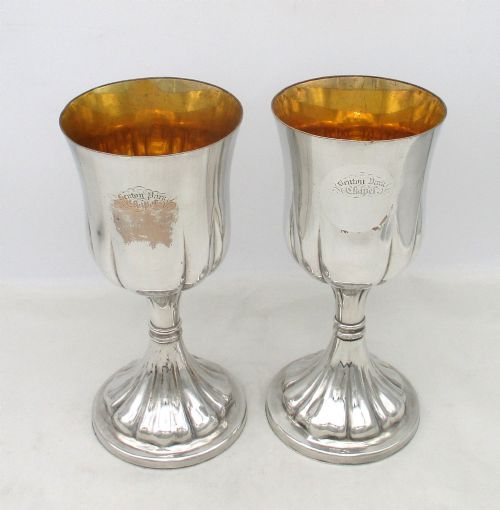
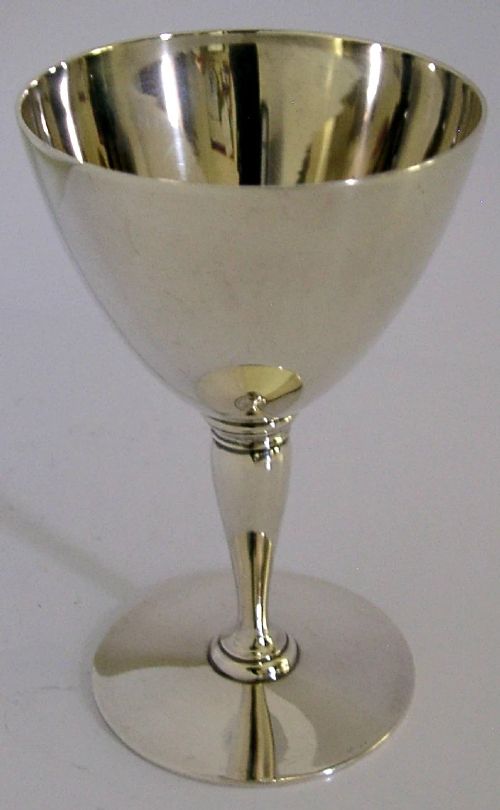
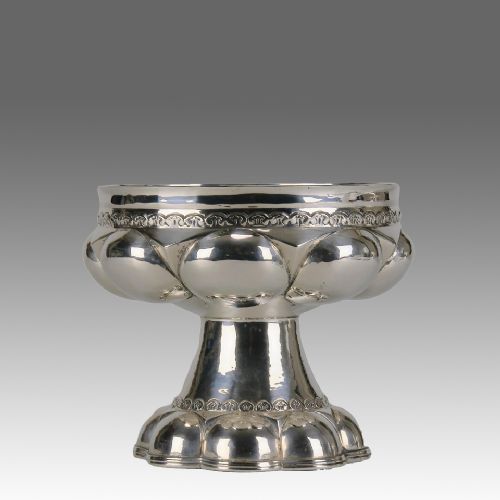
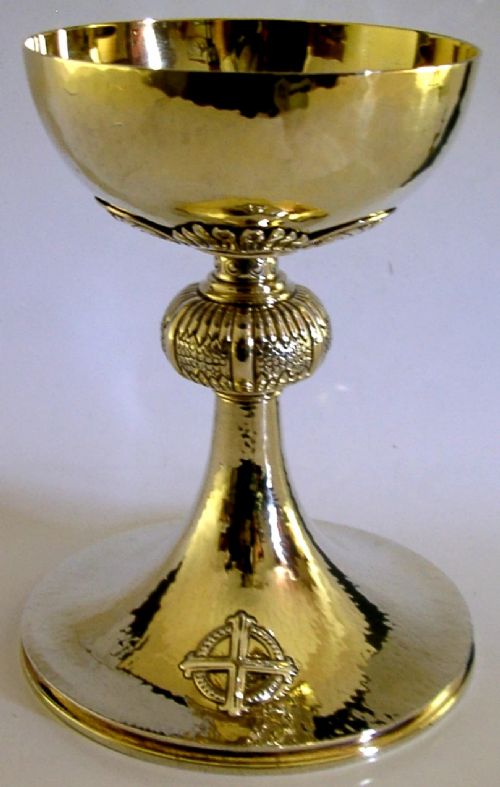
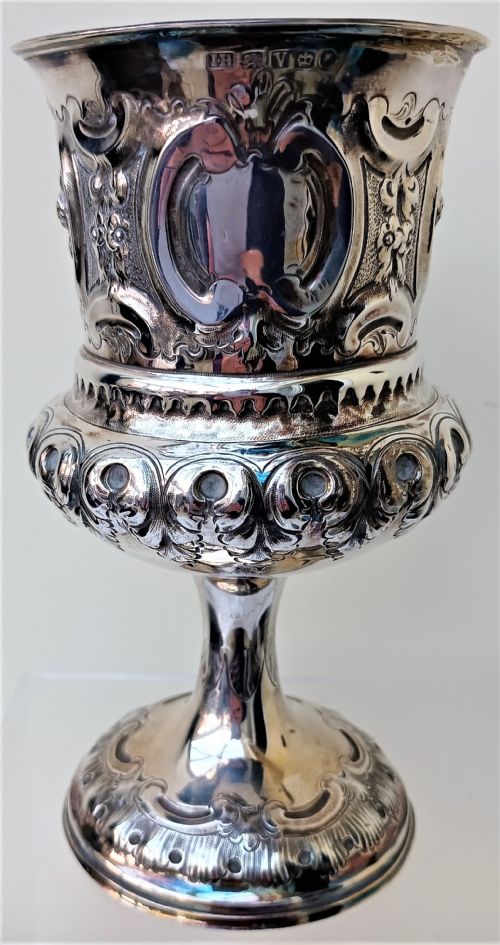
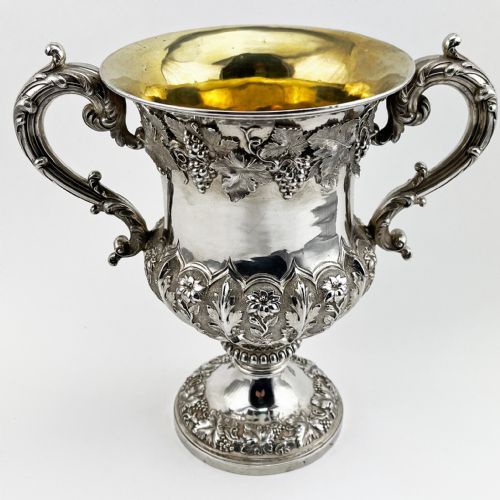
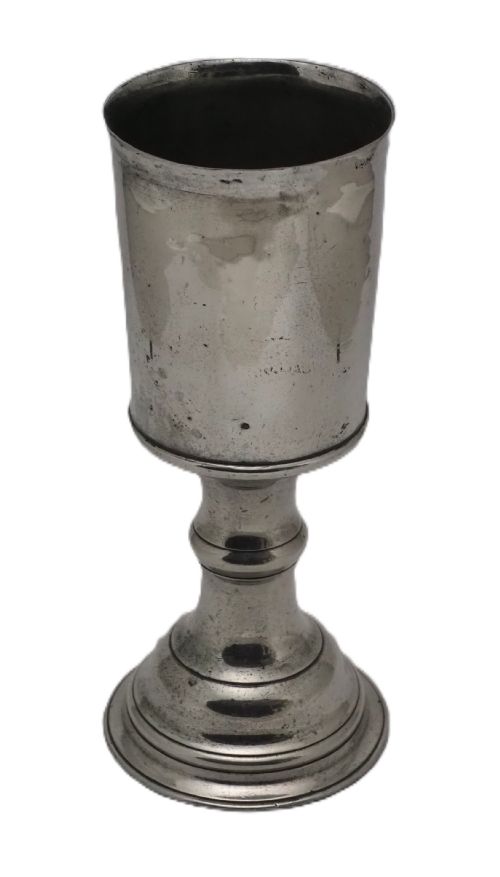
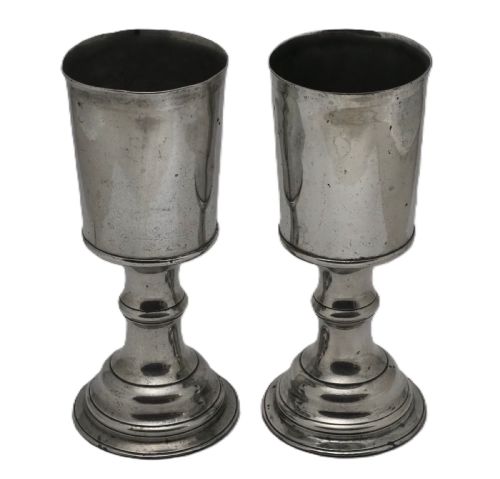
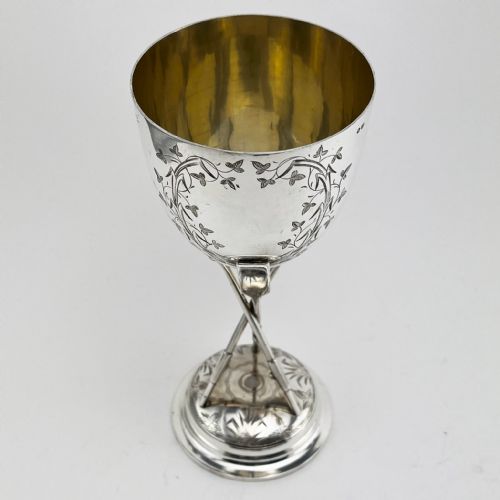
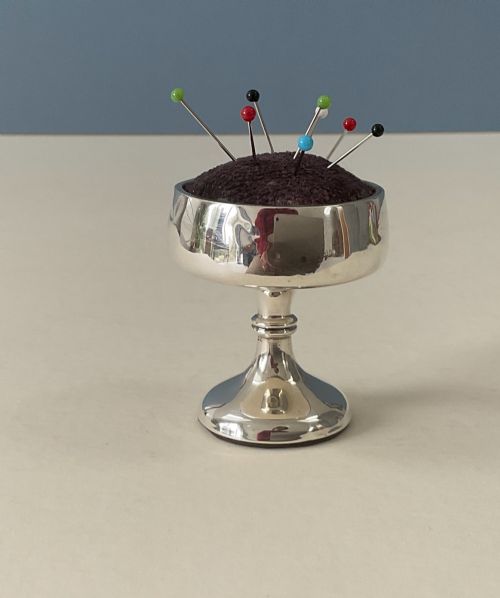
When you search for a silver chalice cup, you encounter forms spanning ecclesiastical communion vessels, secular presentation trophies, and decorative drinking goblets. The examples available here bridge centuries of metalwork, ranging from eighteen-century Irish tavern pewter and Georgian sterling presentation pieces to nineteenth-century church plate and twentieth-century modernist barware.
Materials and construction methods
Makers utilised solid sterling silver, silver plate, Old Sheffield plate, pewter, copper, and parcel gilt surfaces to construct these drinking vessels. Solid sterling examples often display cast stems, raised bowls, and hand-chased or engraved decorative motifs.
Plated items frequently rely on fused silver sheets over base metal cores, a technique prominent in nineteenth-century Sheffield manufacturing. Arts and Crafts pieces showcase hand-hammered texturing and applied Celtic or medieval revival details.
Silver Chalice Cup Retail Price Guide 2026
Typical asking prices for silver chalice cup among the pieces listed under this phrase on Sellingantiques today, from the lower quarter to the upper quarter. They describe what is for sale here now, not the wider market.
Listings feature items spanning the eighteenth, nineteenth, and twentieth centuries, incorporating sterling silver, Old Sheffield plate, pewter, and Chinese export craftsmanship.
Assessing craftsmanship and physical presence
Quality rests in the balance of the vessel, the thickness of the metal wall, and the crispness of any hand-engraved or chased ornamentation. Superior pieces exhibit seamless construction, well-defined hallmarks, and structural integrity that resists flexing under pressure.
Heavier gauge silver and substantial base balancing separate monumental presentation trophies and communion chalices from lighter domestic novelty items. The precision of the maker's mark and the depth of surface gilding further distinguish higher-tier examples.
Nathan and Hayes·George Unite·Wang Hing and Co·John Hunt and Robert Roskell·William Eaton·James Deakin and Sons·Henry Tatton and Son·Zee Wo·Henry Wilkinson and Co·Paul de Lamerie·Mappin and Webb·Jos Felrath
The Silver Chalice Cup Glossary
- Sterling Silver
- An alloy containing 92.5 percent pure silver and 7.5 percent other metals, usually copper, ensuring structural durability for drinking vessels.
- Old Sheffield Plate
- An early composite material made by fusing a thin layer of sterling silver to a thicker copper core under high heat.
- Parcel Gilt
- A surface treatment where selected areas of the silver, often the interior bowl, are coated in a thin layer of gold.
- Tyg
- A large drinking vessel featuring multiple handles, often adapted into ceremonial chalice cup formats during the Arts and Crafts period.
- Ciborium
- A covered chalice-like container used in religious ceremonies to house consecrated elements.
Silver Chalice Cup: Frequently Asked Questions
How were silver chalice cups used historically?
These vessels served solemn religious functions during communion services, as well as celebratory roles during banquets, civic presentations, and sporting events. They functioned as communal loving cups passed among guests or as dedicated ecclesiastical instruments.
Secular examples also commemorated personal milestones, military service, and academic victories. Over time, many transitioned from active ritual or tavern use into cabinet display pieces.
What is the difference between a goblet and a chalice?
A chalice traditionally denotes a vessel with deep religious association, specifically designed for liturgical wine consumption during holy communion. Goblets generally encompass a broader category of stemmed drinking vessels used for secular dining and celebrations.
In practice, makers and historic cataloguers often used the terms interchangeably, particularly when describing nineteenth-century presentation cups and decorative barware.
How do I care for an antique silver chalice?
Maintain the surface by storing the metal away from humid environments and airborne pollutants that accelerate tarnishing. Clean the piece infrequently using non-abrasive cloths and dedicated silver care products formulated to preserve historic patinas.
Avoid harsh chemical dips that strip away original highlights and softer details inherent in hand-chased or engraved decoration.
How can I date an unmarked silver chalice?
Dating relies on stylistic markers such as the restrained elegance of Georgian vase-shaped bodies, Victorian Gothic revival motifs, or the geometric austerity of Art Deco design. Comparing physical proportions, manufacturing techniques, and baseline metal composition against documented pieces provides reliable temporal context.
Where official assay office hallmarks are present, specific date letters and maker ciphers pinpoint the exact year of production.