







18th Century Silver Goblet
An 18th century silver goblet brings weight and brilliance to a table, offering solid metal craftsmanship from the Georgian era.
18th Century Silver Goblet
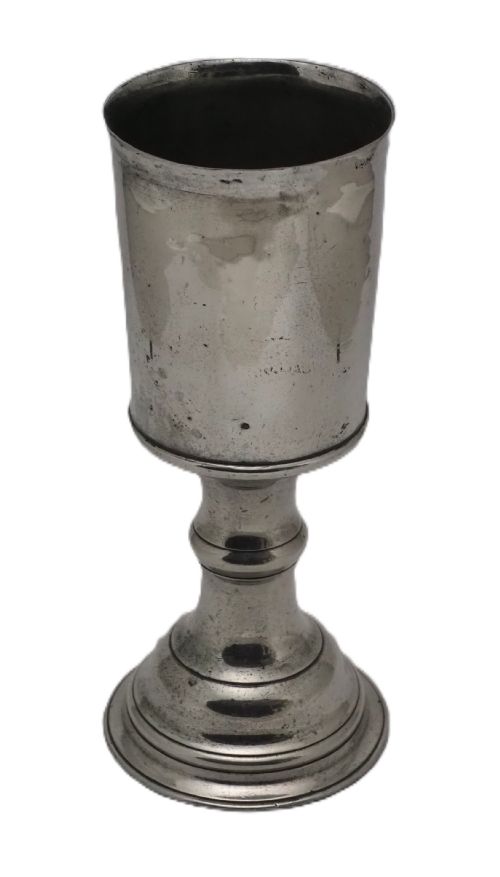
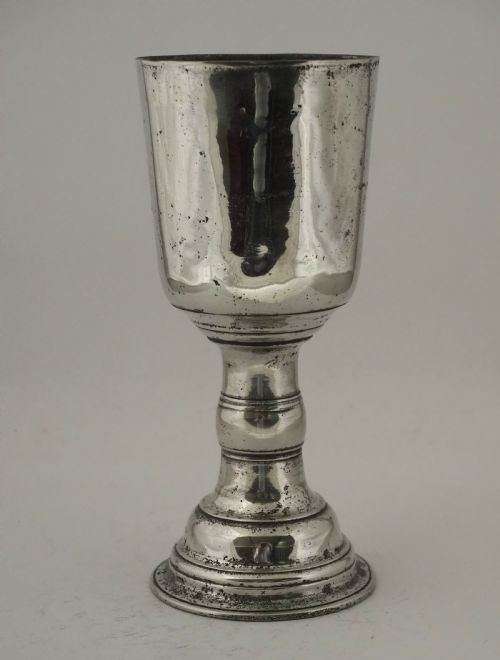
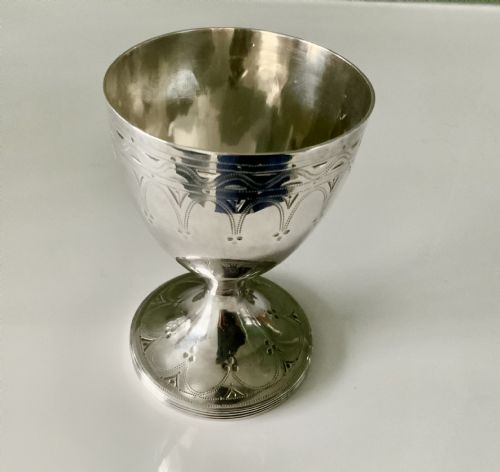
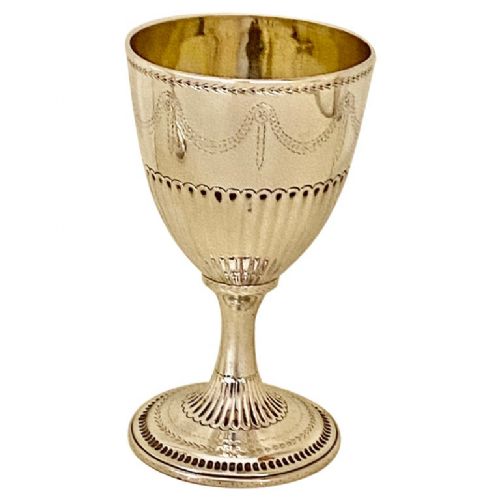
An 18th century silver goblet encompasses drinking vessels, trophy cups, and chalices produced during the Georgian period and around seventeen fifty. These objects take the form of vase-shaped bodies, plain forms, and bright cut pieces, frequently standing upon domed feet.
The selection here extends beyond sterling silver to include old Sheffield plate, pewter, and copper examples. Dutch baroque and continental metalware variants also appear alongside traditional British silverware.
Buyers most frequently encounter Georgian sterling silver goblets and Irish silver cups on this page. These vessels reflect the drinking and ceremonial habits of the eighteenth century through distinct regional styles.
Materials and Construction
Silversmiths shaped sterling silver and copper into drinking vessels using hammering and soldering techniques. Makers also employed old Sheffield plate, fusing a layer of silver onto a copper base.
Pewter pieces were cast in moulds to create substantial chalices and beakers with thick walls. Decoration on silver items often involved bright cutting, engraving, and applied reeded borders.
Some cups came with fitted liners, ensuring the wine tasted of vintage rather than metal.
Factors of Quality
Quality rests upon the crispness of the chasing, the retention of original form, and the balance of the vessel on its foot. Thicker gauge metal provides a more satisfying heft in the hand.
The clarity of hallmarks and maker marks distinguishes superior workshop output from anonymous pieces. Surface wear alters the sharpness of bright cut engraving over time.
Richard Morton·Richard Gurney·Thomas Sutton
The 18th Century Silver Goblet Glossary
- Sterling silver
- A silver alloy containing ninety-two point five percent silver by mass, with the remainder being copper. This standard metal was utilised for most high-status Georgian drinking vessels.
- Old Sheffield plate
- A composite material made by fusing a thin sheet of silver to a thicker copper base. It provides the appearance of solid silver at a different cost.
- Bright cut
- An engraving technique using faceted cuts that reflect light from various angles. It creates glittering geometric patterns on Georgian silverware.
- Pewter
- A malleable metal alloy consisting primarily of tin, combined with copper and lead. It served as a practical material for chalices and beakers.
- Reeded
- A decorative moulding consisting of parallel convex strips. This detail often encircles the foot or rim of a goblet.
18th Century Silver Goblet: Frequently Asked Questions
What were 18th century silver goblets used for?
These vessels served as formal drinking cups for wine and ale at dining tables. They also functioned as presentation pieces and trophy cups for competitive events.
Heavier chalices held sacramental wine in religious settings. Their substantial forms marked significant occasions and displayed the wealth of the owner.
How do I clean an antique silver goblet?
Dust the surface gently with a soft cloth to remove loose particles. Avoid abrasive polishes that wear away thin silver plating or crisp engraving.
Store the vessel in a dry environment away from direct sunlight. Professional silver cloth helps maintain the metal without harsh chemical dipping.
How can I tell sterling silver from old Sheffield plate?
Sterling silver items usually bear hallmarks indicating the maker, city, and date of assay. These stamped marks are absent on plated items.
Old Sheffield plate may reveal a thin line of reddish copper where the base metal shows through wear at the edges.
Are pewter goblets safe for drinking?
Modern pewter is lead-free, but antique pewter often contains lead content. This older metal can leach into acidic liquids over extended periods.
Display antique pewter as an ornamental object rather than using it for daily consumption. This preserves the surface integrity of the metal.