





Georgian Sterling Silver Goblet
A georgian sterling silver goblet is a dignified drinking vessel of considerable substance, prized for its classic form and rich metal.
Georgian Sterling Silver Goblet
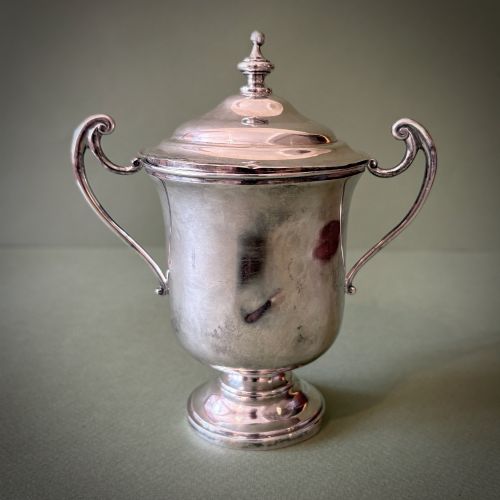
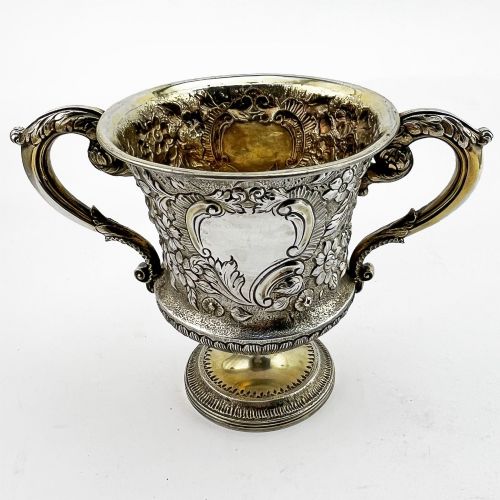
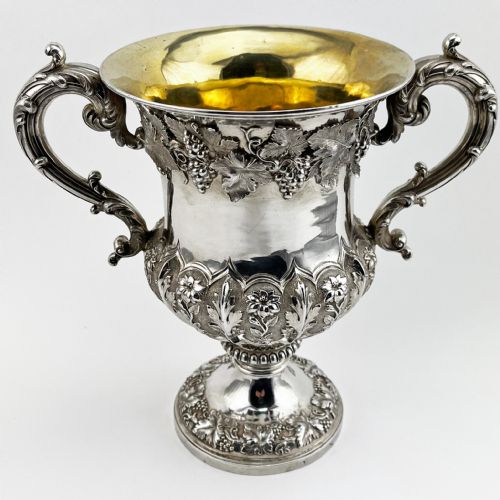
When you search for a georgian sterling silver goblet, you encounter drinking vessels and trophy cups spanning the eighteenth and nineteenth centuries. These pieces emerge from periods including the George III and William IV eras, alongside Irish and Early American examples.
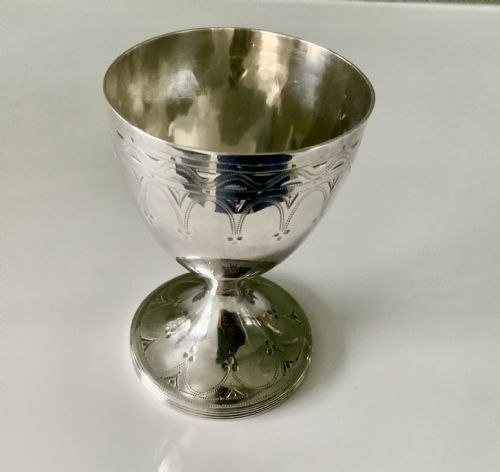
The forms vary from vase-shaped bodies and campana-shaped two-handled cups to simple chalices and wine goblets. Most items present classic Georgian proportions, frequently appearing with bright cut engraving or gilded interiors.
Materials and construction
These vessels are fashioned from sterling silver, occasionally augmented by silver gilt, vermeil, or fitted liners. Smiths shaped the heavy metal into smooth or engraved bowls, supporting them on circular pedestal feet.
Makers utilised techniques such as bright cut engraving to carve crisp patterns into the silver surface. Two-handled variants and covered cups required soldering handles and fitted lids to the main body with precision.
Georgian Sterling Silver Goblet Retail Price Guide 2026
Typical asking prices for georgian sterling silver goblet among the pieces listed under this phrase on Sellingantiques today, from the lower quarter to the upper quarter. They describe what is for sale here now, not the wider market.
Some heavy chalices arrived with hidden liners, ready to safeguard precious contents during grand eighteenth-century toasts.
Quality and craftsmanship
The calibre of a piece rests upon the weight of the metal and the crispness of any engraved decoration. Superior items display balanced proportions, clean hallmarks, and well-executed handles or pedestals.
Condition and provenance further distinguish the selection, as examples with clear maker marks and original gilding or liners hold greater distinction among drinking vessels.
James Deakin And Sons·Richard Gurney·Thomas Sutton·Napthali Hart
The Georgian Sterling Silver Goblet Glossary
- Sterling silver
- A silver alloy containing 92.5 percent pure silver and 7.5 percent other metals, usually copper, chosen for durability.
- Silver gilt
- Sterling silver that has been coated with a thin layer of gold, often seen on the interior of these cups.
- Bright cut engraving
- A technique using faceted cutting tools to create shallow, light-reflecting geometric or floral patterns in the metal.
- Campana
- A bell-shaped vessel form commonly found on larger handled cups and wine coolers from the period.
- Vermeil
- Sterling silver plated with gold, providing a rich yellow finish to the exterior or interior of the goblet.
Georgian Sterling Silver Goblet: Frequently Asked Questions
How were these goblets used?
These vessels served as formal drinking vessels for wine or water at elite dining tables. Many also functioned as presentation pieces or trophy cups for competitive events.
Over time, some transitioned into display items or religious chalices rather than daily tableware.
How do I date a Georgian goblet?
Dating relies heavily on the hallmarks stamped into the silver, which record the assay office, year letter, and maker's mark. Stylistic clues such as bright cut engraving or campana shapes also point to specific decades.
Reference books help match the stamped symbols to precise years of production.
How do I clean sterling silver?
Cleaning requires a soft microfibre cloth and specialised silver polish applied with gentle strokes. Avoid harsh scrubbing to protect any delicate bright cut engraving or gilding.
Store the vessel in a dry environment to slow down the natural tarnishing process.
What is the difference between a goblet and a chalice?
Goblets generally served secular dining and celebratory functions, while chalices typically held a sacred purpose in religious services. Both share a stemmed pedestal and a bowl.
Makers often ornamented chalices with heavier ecclesiastical detailing.