


Antique Silver Wine Cup
An antique silver wine cup brings centuries of dining history to the table, offering tactile weight and historic craftsmanship that modern vessels lack.
Identifying an antique silver wine cup
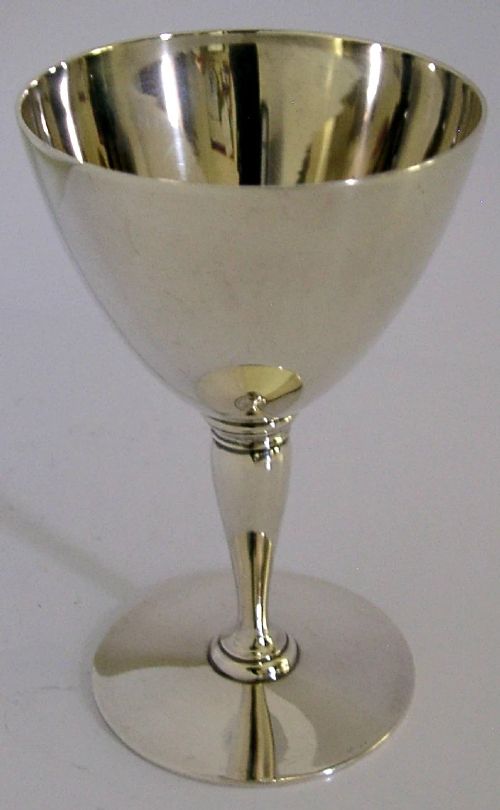
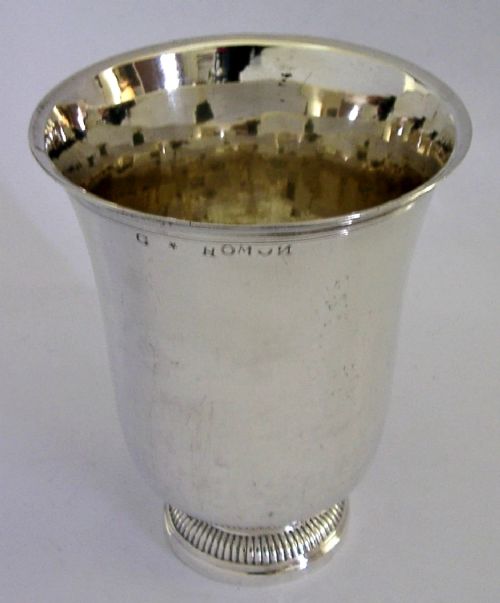
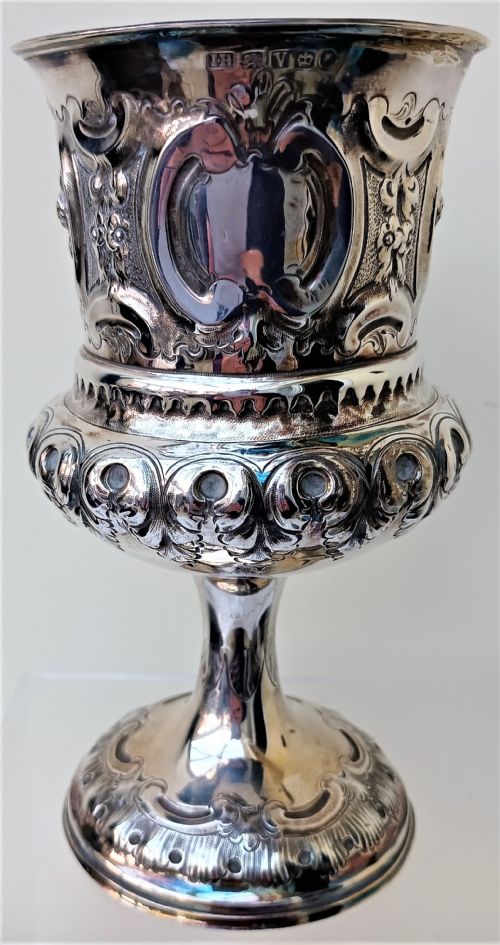
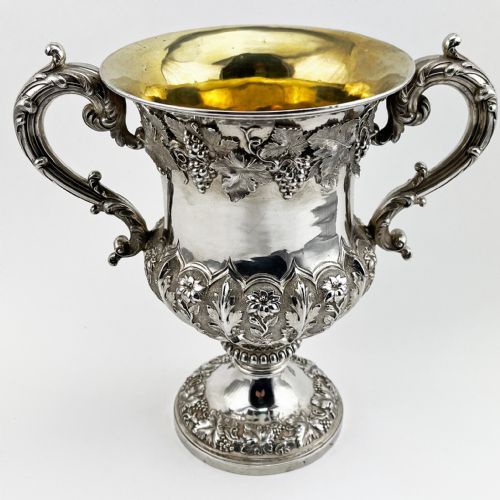
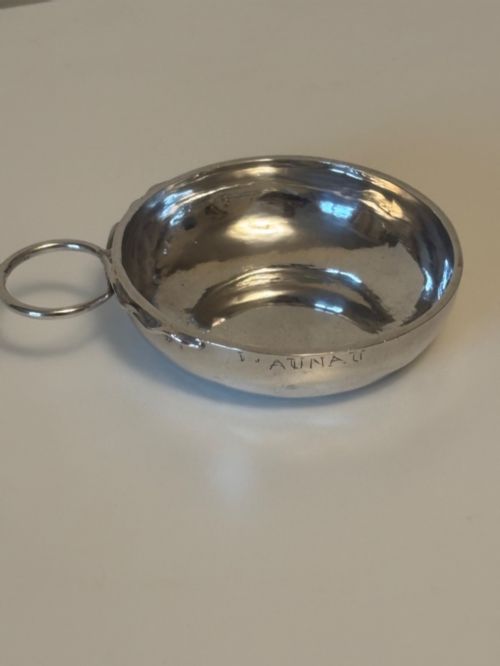
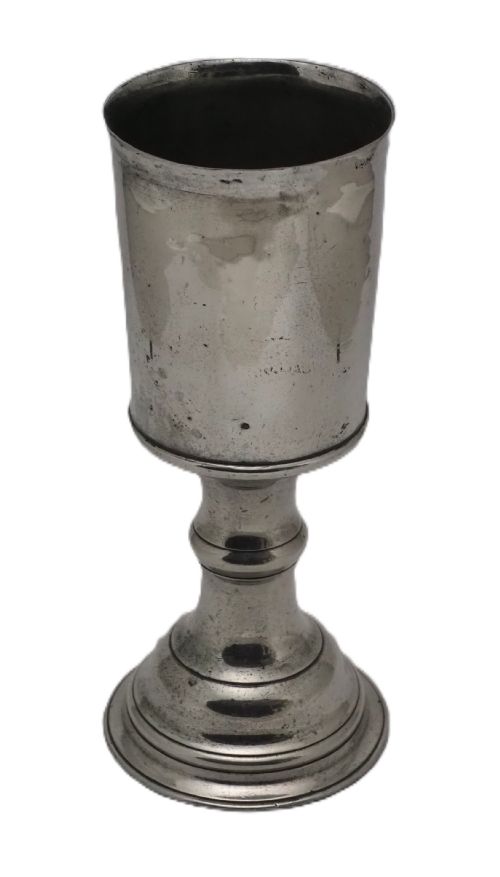
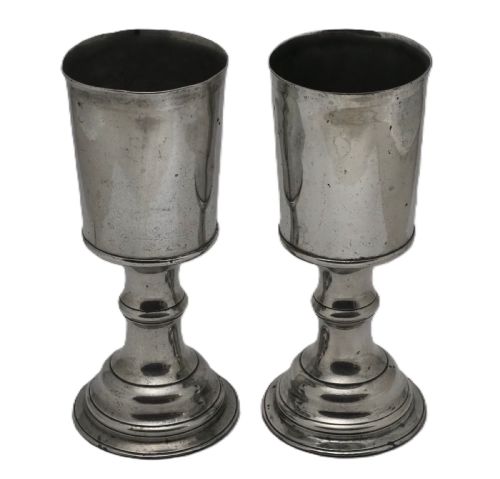
When searching for an antique silver wine cup, buyers encounter a variety of drinking vessels spanning the Georgian, Victorian, and twentieth-century eras. The selections on this page range from modest wine tasters and chalices to substantial goblets and large two-handled coolers.
The forms vary considerably across the periods represented in the archive and current listings. Buyers regularly meet vase-shaped bodies, pedestal feet, and heavy presentation trophies adapted for service at the dining table.
Origins span English, Irish, Dutch, German, and Chinese export workshops, reflecting diverse regional tastes in metalwork and entertaining. English provincial and London markers dominate the material record, often carrying distinct town marks and date letters.
Materials and construction
Makers utilised sterling silver, solid silver, and German silver to fashion these drinking vessels. Metalsmiths employed heavy gauge sheet metal, hammering and raising the forms before applying chased, embossed, or engraved decorative motifs.
Handles, stems, and bases were frequently cast separately and soldered or pinned to the main bowl. Decorative accents such as grapevine designs, figural Bacchus motifs, and floral chasing demonstrate advanced silversmithing techniques passed down through generations of guild-trained artisans.
Retail Price Guide 2026
Typical UK retail prices for silver wine cup, calculated from the Sellingantiques database of over a million retail prices indexed since 2003. This retail price guide relies exclusively on Sellingantiques data; no external sources or auction records are used, so the figures do not describe the wider market.
Object forms include deep chalices, stemmed goblets, and flat wine tasters spanning multiple European manufacturing traditions.
Judging quality and craftsmanship
The caliber of an antique silver wine cup depends heavily upon the crispness of its chased or engraved ornament and the structural integrity of its construction. Pieces with deep, hand-hammered relief work and sharp detailing display a higher level of workshop skill than shallowly stamped equivalents.
Weight and balance also dictate the standing of a piece within its period. Substantial metal thickness prevents flexing at the rim and gives the vessel a reassuring heft in the hand, separating utilitarian workshop output from master silversmith commissions.
James Deakin & Sons·Paul Storr·Barnards·William Hutton·J W Story & W Elliott
The Antique Silver Wine Cup Glossary
- Sterling silver
- A silver alloy containing 92.5 percent pure silver and 7.5 percent other metals, usually copper, to increase durability. This standard has been legally enforced by assay offices for centuries.
- Chasing
- A metalworking technique where the silversmith pushes metal from the front using hammers and punches to create a raised design without removing material. It differs from engraving, which cuts metal away.
- Wine taster
- A small, shallow silver bowl historically used by merchants and connoisseurs to sample and inspect the clarity and colour of wine. These portable vessels often feature dimpled bowls to reflect light.
- Assay office
- An official body charged with testing the purity of precious metal items and stamping them with hallmarks. British offices include London, Sheffield, and Dublin.
- Hallmark
- A formal set of stamped marks applied to precious metal objects to guarantee metal purity, identify the maker, and indicate the year of manufacture. These marks provide the primary means of dating historic silverware.
Frequently Asked Questions
How do I clean an antique silver wine cup?
Historic silver requires gentle cleaning with non-abrasive cloths and specialised silver polishes to preserve the integrity of the original hallmarks and surface detail. Avoid harsh chemical dips that strip away desirable patination.
Storing the vessel in a tarnish-resistant cloth bag helps maintain the finish between uses and protects the delicate chased or engraved decoration from accidental scratching.
Are these cups safe for drinking wine?
Most pieces made from sterling silver are entirely safe for beverage consumption, provided the interior is thoroughly washed before use. Silver naturally possesses antimicrobial properties that made it popular for historical dining.
Buyers should inspect the interior for any historic repairs or solder spots that might react with acidic beverages like wine over extended periods.
How do I distinguish Georgian from Victorian pieces?
Georgian pieces, produced roughly from the mid-eighteenth century to the eighteen-thirties, often feature neoclassical restraint, bright-cut engraving, or heavy cast rococo ornamentation. Their hallmarks typically include tax duty marks introduced during the reign of George III.
Victorian silver, dating from the mid-nineteenth century onward, frequently displays heavier proportions and diverse revivalist styles, reflecting industrial manufacturing advances alongside traditional hand craftsmanship.
What does German silver mean?
German silver is a copper-nickel-zinc alloy that contains no actual silver despite its misleading name. It gained popularity in the nineteenth century as an affordable substitute for solid sterling metal.
Items made from this material often have a brighter, slightly greyer hue and lack traditional assay hallmarks, relying instead on maker stamps or descriptive titles.