
Antique German Silver
These antique german silver objects bring intricate metalwork and novelty forms into daily use through decorative boxes, teaspoons, and wine tasters.
Antique German Silver
When you search for antique german silver, you encounter a range of decorative metalwork dominated by items produced around nineteen hundred. The pieces on this page include table boxes, teaspoons, and wine tasters shaped by historical revivals and early twentieth-century design movements.
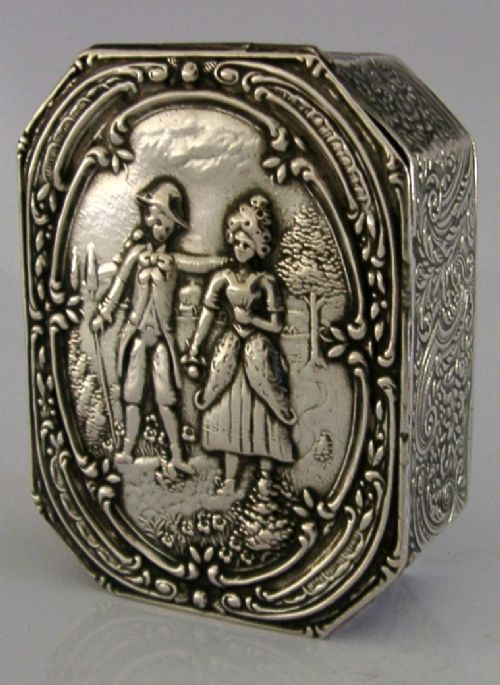
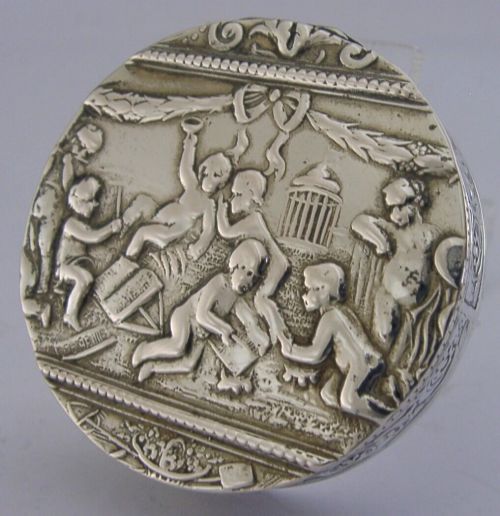
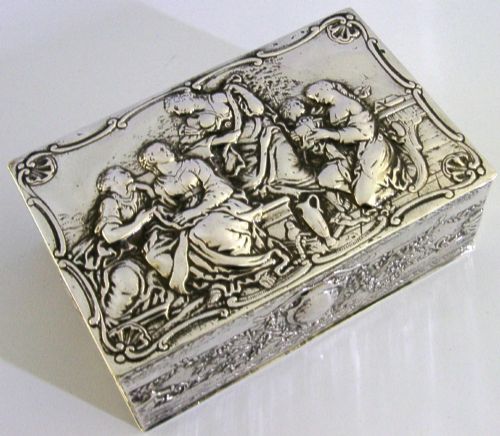
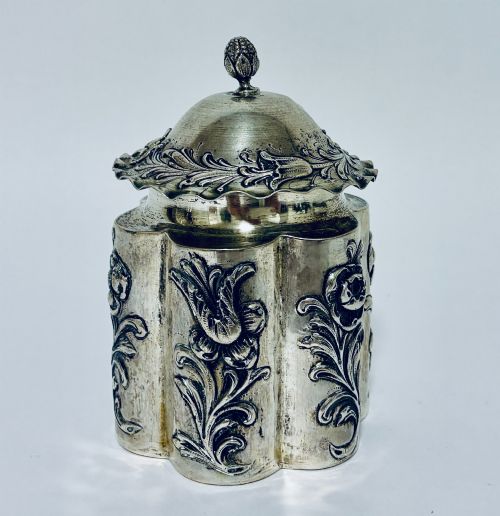
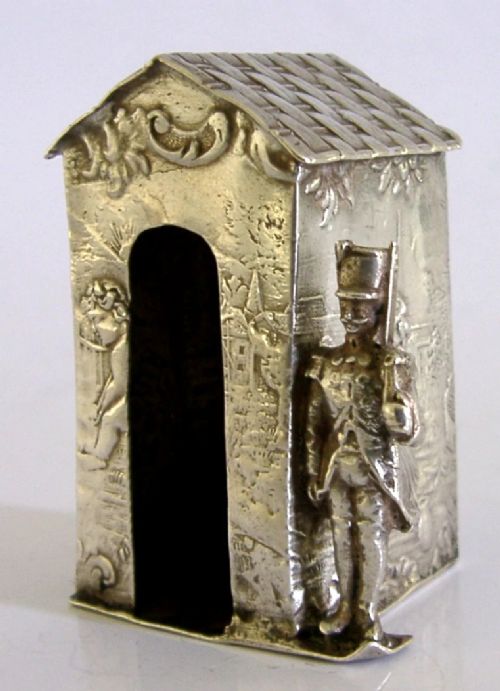
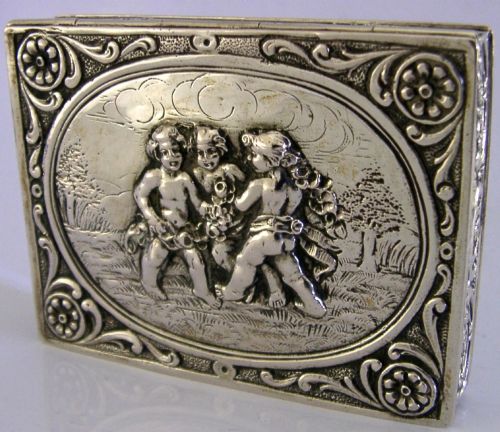
Table boxes and trinket boxes form a major part of the selection, often decorated with cast cherubs, classical scenes, or novelty animal shapes such as elephants and pheasants. These items reflect a strong tradition of silversmithing centred on Hanau and wider German workshops during the late nineteenth and early twentieth centuries.
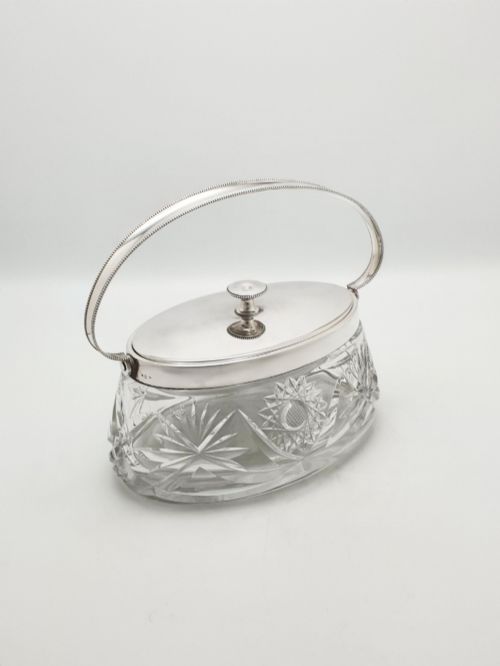
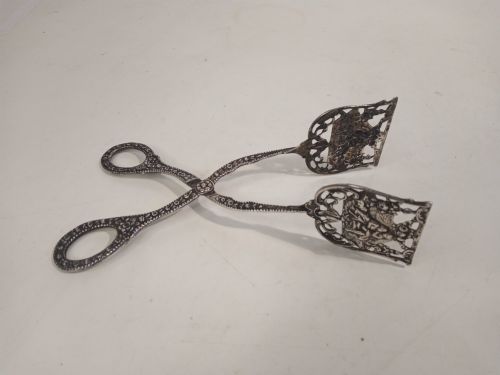
Flatware and serving pieces also appear regularly, including teaspoons, ice cream spoons, serving slices, and complete canteens. Alongside these functional items sit hollowware vessels such as cream jugs, tea caddies, and dishes lined with blue glass.
How They Were Made
The objects recorded in these listings utilise solid silver, silver plate, and specific grades such as eight hundred and eight hundred and thirty standard silver. Many items incorporate internal linings or structural elements made from velvet, leatherette, or blue glass to support delicate contents.
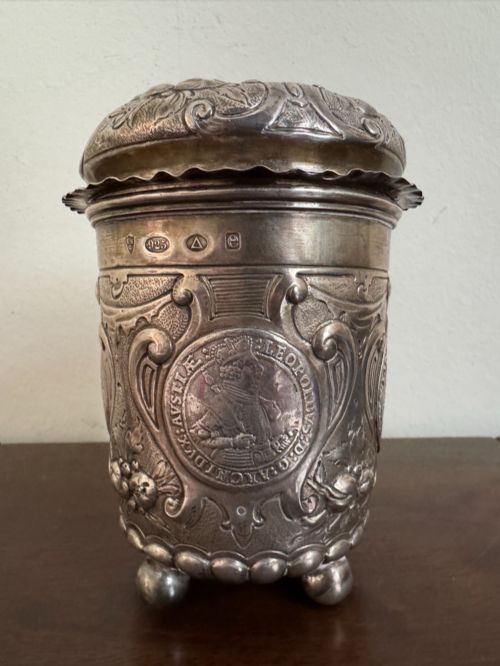
Manufacturing techniques combine traditional casting, chasing, and repoussé work, particularly visible on Hanau novelty boxes and figurative dishes. Planished surfaces appear on Arts and Crafts pieces, showing deliberate hammer marks across the metal body.
Keep an eye out for silver pounce boxes shaped like walking elephants and novelty boxes depicting boys receiving a traditional spanking.
What Varies in Quality
Quality in these pieces rests upon the crispness of the casting and the depth of the chased relief work. Finer examples display sharp details on figures, cherubs, and architectural motifs without softness in the surrounding ornamentation.
The weight and gauge of the metal also determine the character of each piece, distinguishing substantial solid silver items from lighter constructions. Integrated elements like secure hinges on boxes and well-fitted glass liners add to the structural integrity of the object.
Kutz Gottlieb
The Antique German Silver Glossary
- Hanau silver
- Silverware produced by various workshops in the German town of Hanau, frequently imitating earlier historical styles from the seventeenth and eighteenth centuries.
- Repoussé
- A metalworking technique where the silver is hammered from the reverse side to form a raised design in relief on the front.
- Wine taster
- A small, shallow silver bowl with a handle, used traditionally for sampling wine and often featuring dimpled surfaces to reflect light against the liquid.
- Planished
- A surface finish resulting from systematic hammering with a polished tool, leaving controlled, flat facets across the silver.
- Vinaigrette
- A small ornamental box containing a perforated grill, originally holding a sponge soaked in aromatic vinegar.
Frequently Asked Questions
What is Hanau silver?
Hanau silver refers to items made by German silversmiths in the town of Hanau, known for producing ornate decorative wares inspired by historical periods.
These workshops frequently employed revival styles, creating boxes, figures, and tea wares that mirrored seventeenth and eighteenth-century craftsmanship.
How do I care for antique silver?
Antique silver requires gentle cleaning with appropriate cloths and non-abrasive polishes to maintain the surface without removing fine chased details.
Storing pieces away from direct moisture and handling them carefully helps preserve delicate elements like hinges, clasps, and glass liners.
What is eight hundred silver?
Eight hundred silver is an alloy containing eighty percent pure silver and twenty percent other metals, usually copper, commonly used in continental European manufacturing.
This standard provided the durability necessary for detailed casting and everyday use in tableware and decorative objects.
How were table boxes used?
Table boxes served multiple functions in domestic interiors, holding small valuables, snuff, visiting cards, or trinkets on desks and dressing tables.
Their elaborate exterior designs made them display pieces as much as practical containers for personal items.