


Small Silver Dish
A small silver dish serves many domestic purposes, from holding pins and trinkets to presenting bonbons on the table.
Small Silver Dish
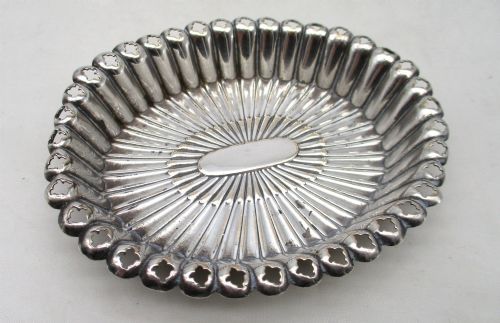
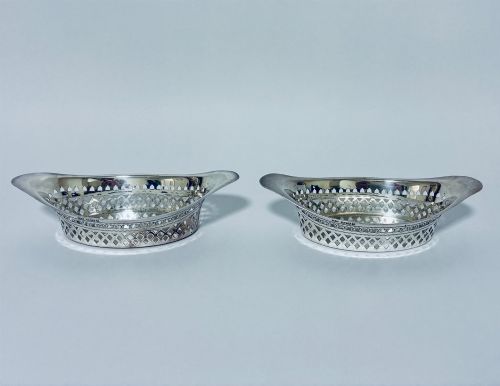
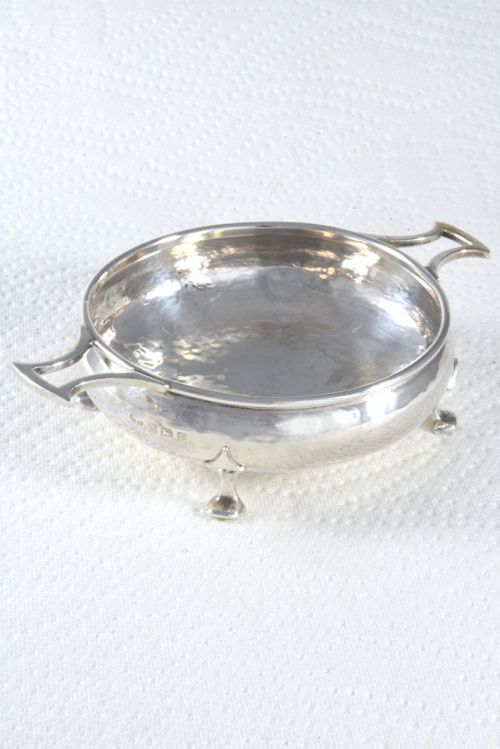
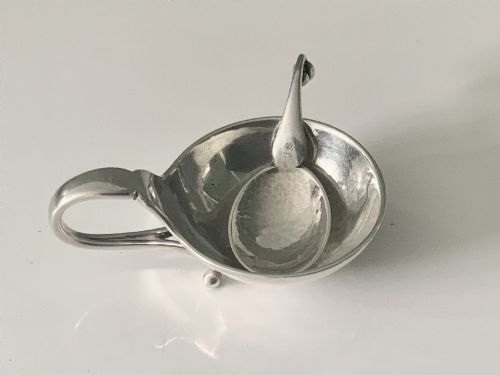
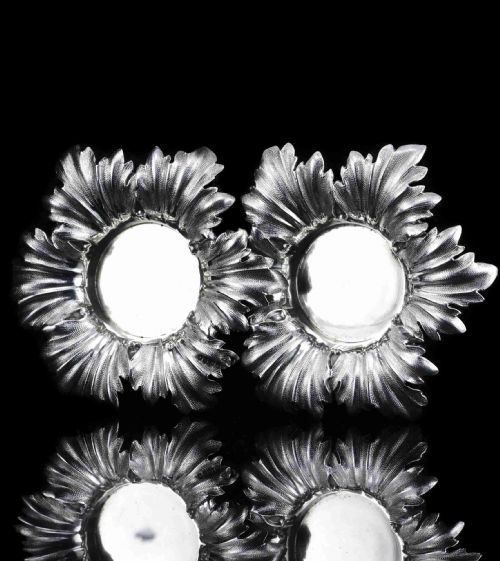
When you search for a small silver dish, you encounter a varied assortment of domestic metalwork spanning multiple centuries and design movements. The pieces appearing here encompass trinket dishes, bonbon dishes, pin trays, and small bowls designed for functional or decorative use.
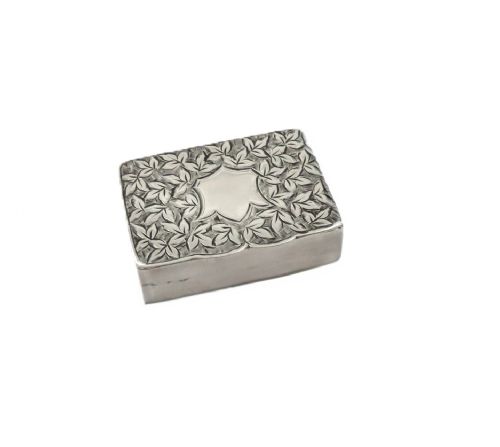
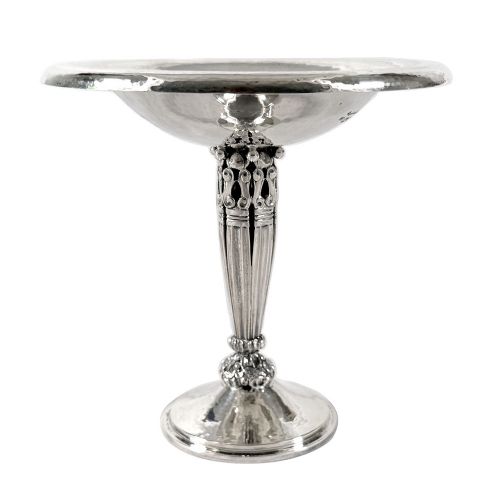
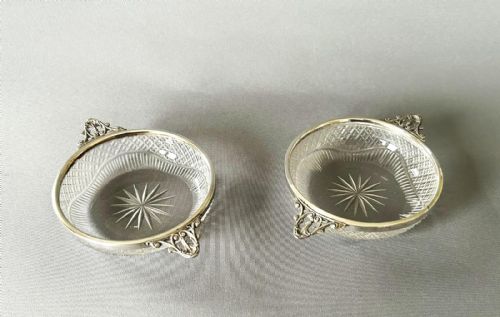
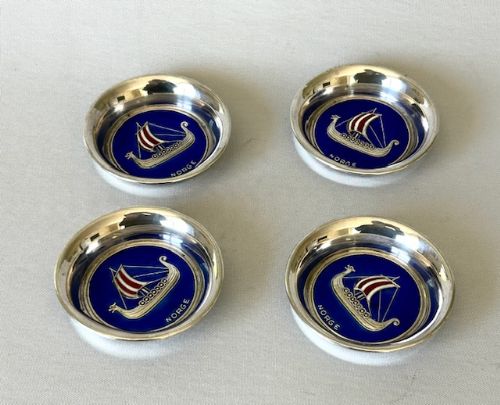
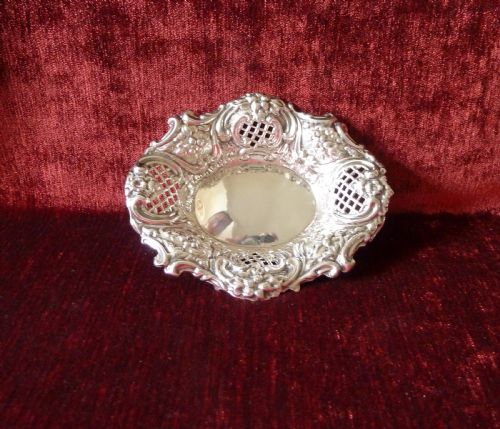
Victorian and Edwardian examples dominate the selection, frequently featuring pierced rims, embossed floral chasing, or paired configurations. Alongside these traditional forms, items from the Georgian period, the Art Deco era, and mid-century Scandinavian workshops provide alternative aesthetic choices.
How they were made
Silversmiths shaped sterling silver and plated metals through hammering, casting, and spinning, often employing copper as a base for Old Sheffield plate or silver plate. Decorative surfaces frequently display hand-chasing, repoussé work, or applied borders executed with punch tools and hammers.
Specialised workshops also combined silver frames with cut glass, amethyst inserts, or colourful enamel details such as guilloche work. These mixed-media techniques required precise soldering and setting skills to secure glass liners and enamel panels within the metal structures.
A tiny silver dish might once have held your great-grandmother's spare pins or a single luxury after-dinner sweet.
What varies in quality
The distinction between standard production and superior craftsmanship rests in the crispness of the detail and the weight of the metal. Heavier gauge silver provides a rigid structure that resists bending, while deeply chased foliage or cleanly pierced fretwork demonstrates the maker's control over the medium.
Surface preservation and hallmarks further differentiate the pieces. Clear town marks, maker stamps, and date letters indicate proper regulation, and well-maintained gilding or undisturbed enamel surfaces maintain the visual impact intended by the original maker.
Barnards·Charles Boyton·Henry Wilkinson·William Garrard·William Comyns·Charles Stuart Harris·Atkin Brothers·Hamilton and Inches·Georg Jensen
The Small Silver Dish Glossary
- Bonbon dish
- A small vessel designed for holding sweets or confectionery, often elevated on a small foot or styled with pierced decorative sides.
- Old Sheffield plate
- A composite material made by fusing a thin sheet of silver to a thicker copper base, common in pieces from the eighteenth and early nineteenth centuries.
- Guilloche enamel
- A decorative technique where transparent enamel is laid over engine-turned metalwork to create geometric patterns beneath the coloured surface.
- Chasing
- A metalsmithing method where designs are hammered into the front surface of the metal using punches to displace rather than remove material.
- Mazarine
- A flat draining plate or insert placed inside a larger dish to keep food separated from accumulated juices.
Small Silver Dish: Frequently Asked Questions
What were small silver dishes used for?
These items served various roles in historic households, functioning as dressing table trays for pins and pill boxes, or as table vessels for serving bonbons, nuts, and small sweets.
Wealthy households also utilised specialised forms like salt cellars, butter dishes, and draining plates during formal dining services.
How do I clean a silver dish?
Regular maintenance involves gentle washing with warm water and mild soap, followed by drying with a soft cloth to prevent water spots.
Avoid harsh abrasive dips, particularly on pieces with enamel, gilt surfaces, or plated copper foundations where aggressive chemicals might strip the finish.
How can I tell the age of a silver dish?
British pieces typically bear hallmarks that include a standard mark, a assay office symbol, and a date letter corresponding to specific years of production.
Stylistic indicators such as Victorian foliate chasing or Art Deco geometric forms also help narrow down the period of manufacture.
What is the difference between sterling and silver plated?
Sterling silver consists of a regulated alloy containing a high proportion of pure silver throughout the entire object, ensuring lasting durability.
Silver plated items and Old Sheffield plate feature a thin layer of silver applied over a base metal such as copper or a white metal alloy.