



Antique Silver Tasting Bowl
An antique silver tasting bowl is a traditional vessel designed for sampling wine, and finding the right one means understanding these small drinking cups.
Antique Silver Tasting Bowl
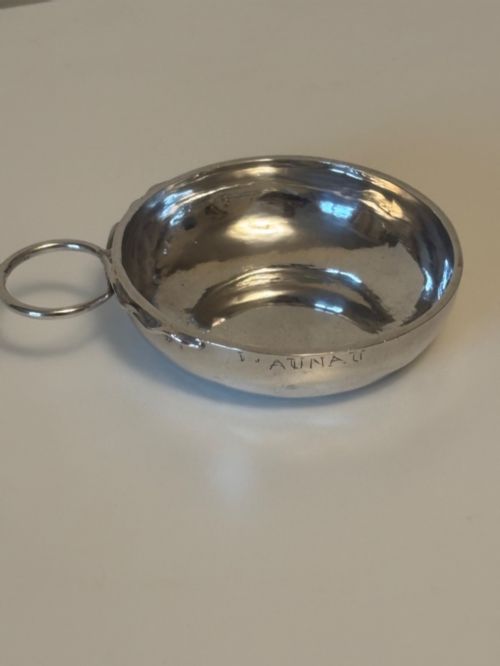
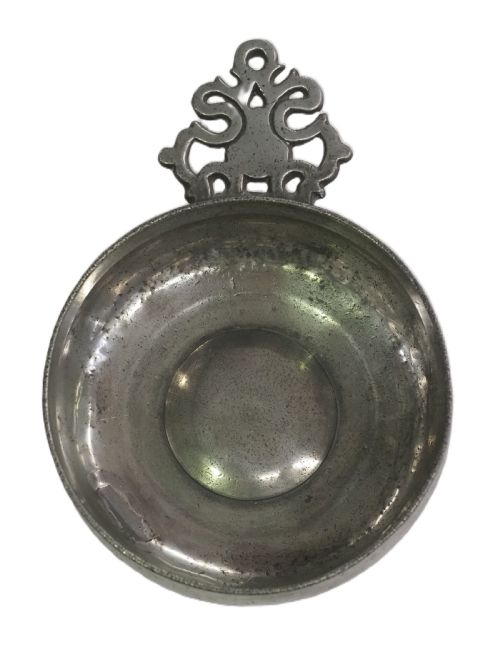
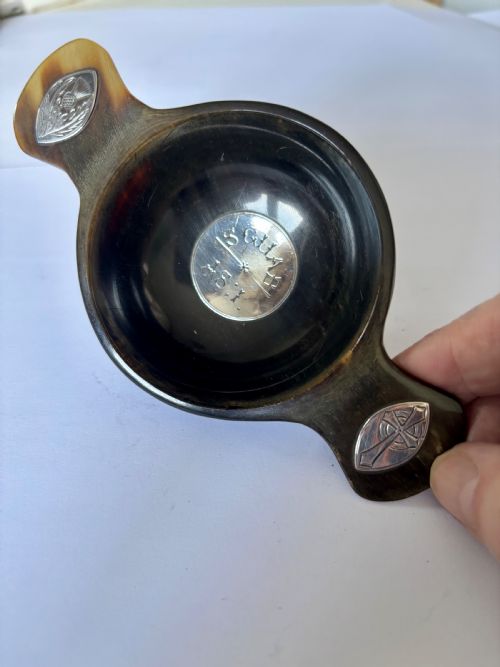
When you search for an antique silver tasting bowl, you are looking at small drinking vessels and wine tasters that span several centuries. The selection includes French wine tasters, Scottish quaichs, and English porringers dating from the seventeenth century through to the twentieth century.
How they were made
These items are fashioned primarily from silver, sterling silver, and pewter, with select examples incorporating natural horn and German silver. Makers utilised traditional metalworking techniques to shape these bowls, wine tasters, and porringers during periods including the William and Mary and Edwardian eras.
Construction methods range from chased and embossed silver decoration on French wine tasters to sturdy cast pewter on seventeenth-century English porringers and silver mounts on Scottish horn quaichs.
The listings span multiple centuries, featuring materials such as sterling silver, pewter, and natural horn alongside styles from William and Mary to the Edwardian period.
What varies in quality
Quality in these drinking vessels rests upon the crispness of the chased decoration, the weight of the metal, and the clarity of any maker marks or hallmarks. Pieces with well-defined hand-wrought details and substantial metal gauge stand apart from simpler or more worn examples.
The integrity of the material, whether solid sterling silver, early pewter, or combined horn and silver mounting, dictates the overall character and durability of each individual piece.
Pierre Fournerot PARIS
The Antique Silver Tasting Bowl Glossary
- Wine taster
- A small shallow bowl traditionally used by vintners and merchants to sample wine from the cask. These pieces often feature embossed decoration to catch the light.
- Quaich
- A traditional Scottish two-handled drinking vessel originating from the Highlands. This form usually combines a wooden or horn bowl with silver mounts.
- Porringer
- A small bowl with one or two flat horizontal handles, used historically for porridge, broth, or wine. English examples frequently appear in pewter or silver from the seventeenth century.
- German silver
- An alloy of copper, nickel, and zinc containing no actual silver, often used as a base metal for decorative vessels and tableware.
- Sterling silver
- A silver alloy containing a specific proportion of pure silver and other metals to ensure durability in domestic objects and barware.
Antique Silver Tasting Bowl: Frequently Asked Questions
What is an antique silver tasting bowl used for?
These shallow vessels were historically used by wine merchants and cellar masters to check the clarity and taste of wine directly from the barrel. Today they serve as decorative barware or small display pieces.
Collectors also appreciate their tactile nature and historical connection to traditional wine production and hospitality.
What is the difference between a porringer and a quaich?
A porringer is a small bowl with one or two flat ears or handles, historically made in English pewter or silver for food or drink. A quaich is a distinct Scottish two-handled drinking vessel with lugs, often fashioned from staved wood or horn with silver mounts.
Both forms appear across different centuries but serve different regional and domestic traditions.
Are these bowls made of solid silver?
Materials vary across the selection, encompassing sterling silver, German silver, pewter, and natural horn combined with silver mounts. Sterling silver items contain standard high-purity silver content.
Listings specify the exact material used for each individual bowl, taster, or porringer.
How should I display a tasting bowl?
Because these vessels are small and shallow, they look best displayed on dedicated stands or resting flat on a surface where their interior decoration is visible. Keeping them away from direct heat protects any organic elements like natural horn.
Occasional gentle polishing maintains the finish of the silver or pewter surfaces.