


Sterling Silver Porringer
When you handle a sterling silver porringer, you touch centuries of domestic silver working, from early two-handled vessels to later revival pieces.
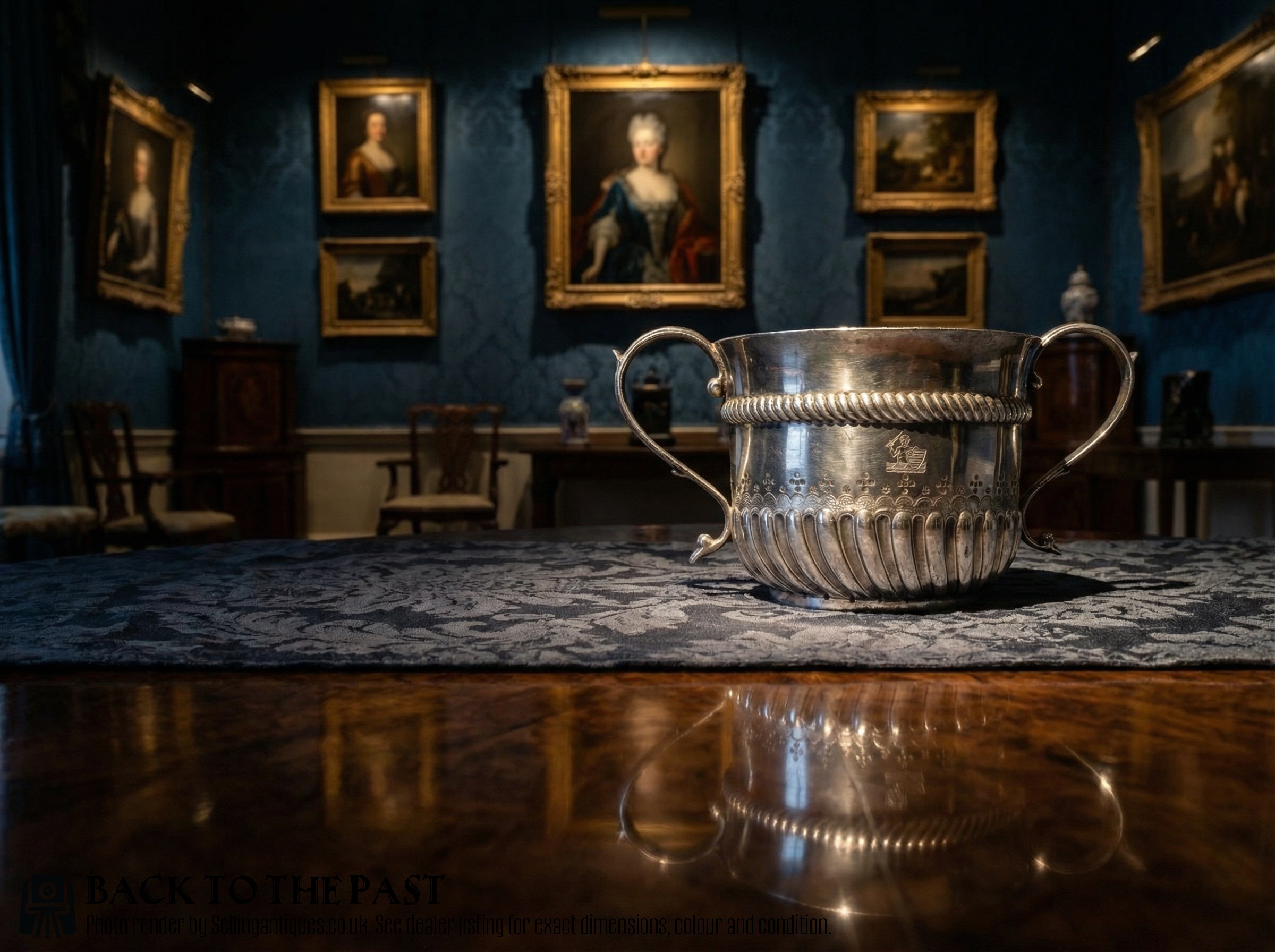
Sterling Silver Porringer
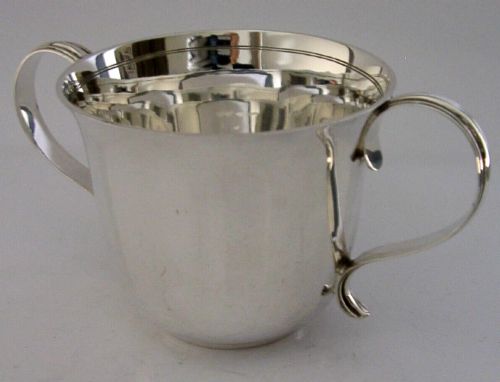
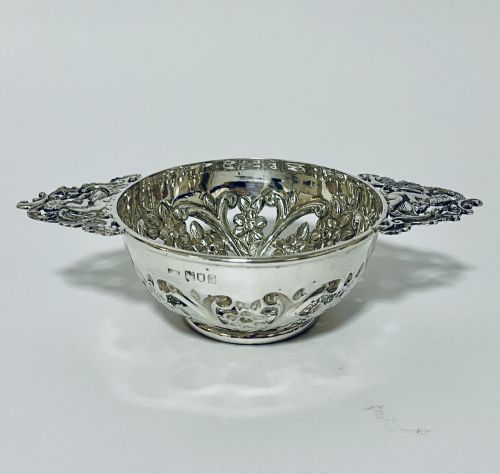
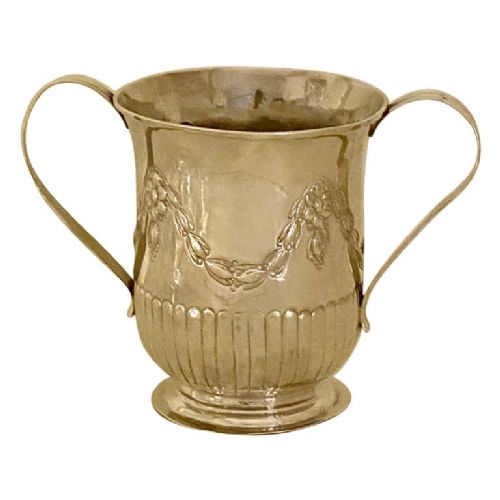
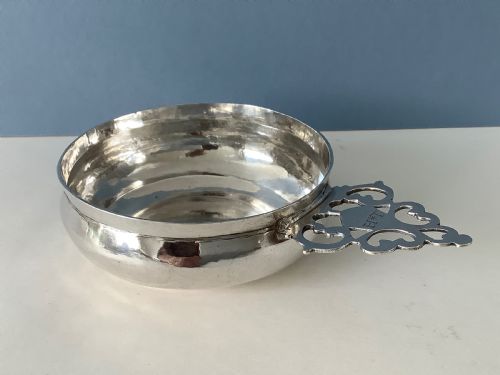
A sterling silver porringer is a small, deep bowl equipped with one or two handles, often used as a drinking vessel or christening cup. Examples on this page span from the seventeenth century through the Georgian and Victorian eras into the twentieth century, including Edwardian and Art Crafts interpretations.
The form appears alongside related silver bowls, trophies and christening sets, showing both early utilitarian origins and later ceremonial uses. Early pieces date back to the seventeenth century under William and Mary, while later examples demonstrate revivals of these historical styles.
Silver and Standard
Makers shaped these vessels from solid sterling silver and Britannia standard silver, occasionally incorporating planished surfaces that display deliberate hammer marks. Some domestic items utilise accompanying materials such as leather, velvet and silk for fitted presentation boxes.
Construction methods range from early hand-raised bowls with cast handles to later twentieth-century Arts and Crafts hammered examples. Detail work includes coin insertions, family crests and fitted covers.
Sterling Silver Porringer Retail Price Guide 2026
Typical asking prices for sterling silver porringer among the pieces listed under this phrase on Sellingantiques today, from the lower quarter to the upper quarter. They describe what is for sale here now, not the wider market.
Some nineteenth-century silversmiths lovingly copied seventeenth-century vessels, adding coin insets just to keep future antique dealers guessing.
Subtleties of Execution
Quality rests upon the crispness of the chasing, the balance of the double handles and the weight of the silver relative to the vessel size. Heavier pieces with clear hallmarks and high-grade planishing demonstrate superior silversmithing.
Provenance and maker attribution elevate certain works, particularly when associated with notable Dublin or London workshops. Early eighteenth-century and seventeenth-century examples rely heavily on the clarity of their original maker marks and historical integrity.
Richard Gurney·Thomas Sutton·Corney Drake·Asprey·A E Jones·Goldsmiths & Silversmiths
The Sterling Silver Porringer Glossary
- Porringer
- A bowl with one or two handles, historically used for porridge, broth or wine, evolving into a decorative presentation piece.
- Britannia Standard
- A higher fineness of silver introduced by statute in England, containing more pure silver than standard sterling.
- Planished
- A metal surface beaten with a round-headed hammer to create a textured finish showing subtle facets.
- Quaich
- A shallow two-handled drinking vessel of Scottish origin, often grouped with similar open bowls.
- Hallmark
- A series of stamped marks on precious metals showing the maker, standard, assay office and year of testing.
Sterling Silver Porringer: Frequently Asked Questions
What was a sterling silver porringer used for?
These vessels originally served personal dining needs, holding soft foods, broths or drinks in domestic households. Over time, their function shifted toward ceremonial presentation, often marking births or christenings.
By the twentieth century, many were produced specifically as christening sets or commemorative pieces, frequently accompanied by fitted leather and velvet boxes.
How do I identify a seventeenth century piece?
Early pieces from the seventeenth century often feature characteristic flat handles, chased scrollwork and occasionally Britannia standard silver. Examining the punch marks and maker stamps provides the most reliable guide to the actual period of manufacture.
Collector archives also record later nineteenth-century copies made in the antique style, requiring careful study of the hallmarks to distinguish a period original from a later revival.
Why do some porringers have covers?
Covered versions, sometimes called cups and covers, offered a more formal presentation and kept contents warm or protected. These lidded variations often appear in heavier weights and feature decorative finials.
They represent a more elaborate tier of domestic silver, suited to display on sideboards or use as presentation trophies.
What is a coin porringer?
Coin porringers incorporate genuine historical currency inset directly into the silver bowl or lid, a decorative fashion seen in various periods. Makers sometimes used coins from reigns such as Queen Anne to add topical interest or commemorative value.
These pieces require close inspection of both the coin dates and the surrounding silver hallmarks to understand their complete timeline.