
Antique Silver Urn
This antique silver urn selection gathers vessels, coolers, and caddies shaped by neoclassical design across Georgian, Victorian, and Edwardian periods.
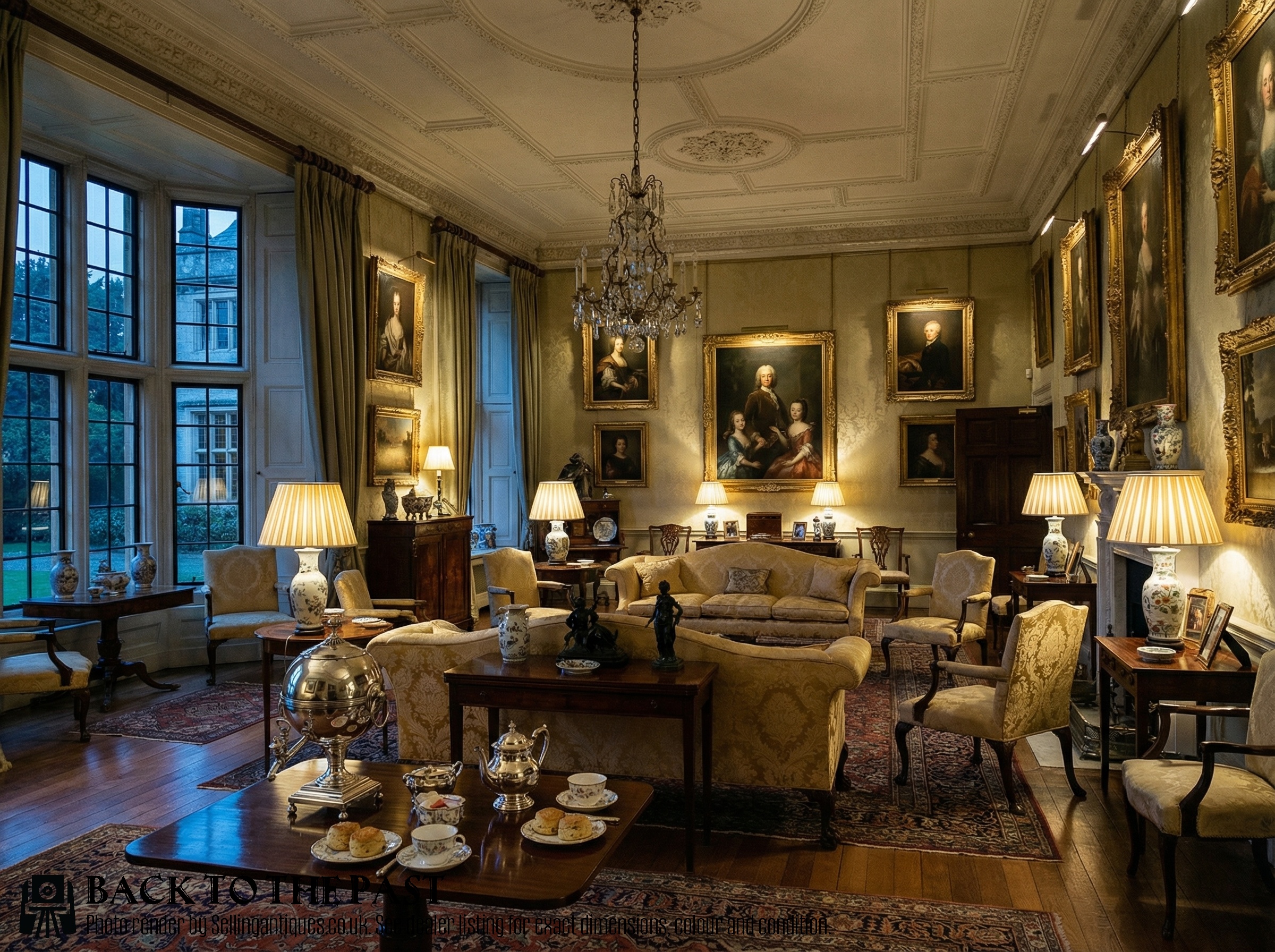
Antique Silver Urn
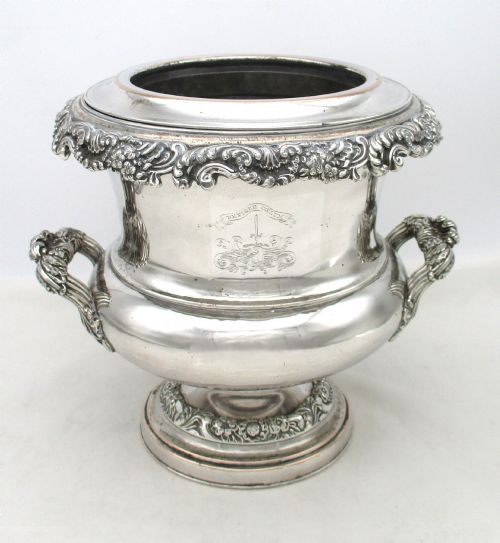
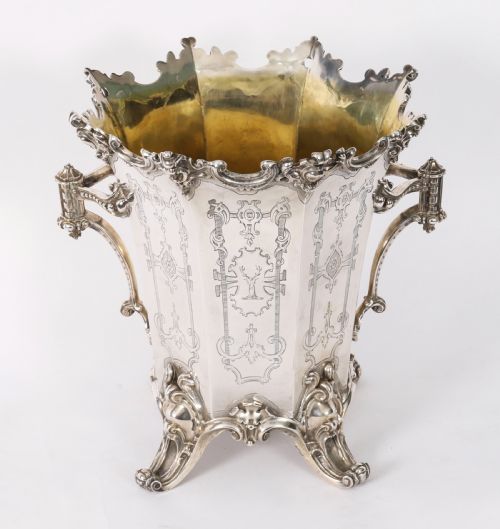
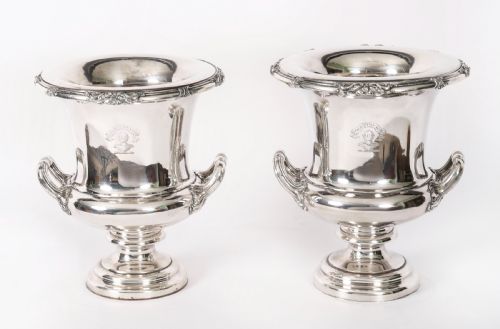
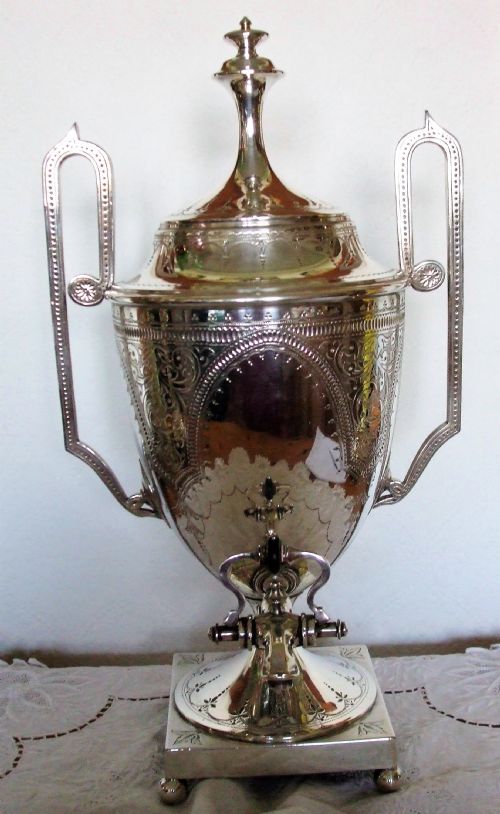
The term antique silver urn covers a diverse group of vessel forms including tea urns, samovars, wine coolers, and decorative vases shaped with classical proportions. Many examples emerge from the Georgian and Victorian eras, reflecting a long-standing British domestic preference for prominent table centerpieces and beverage service vessels.
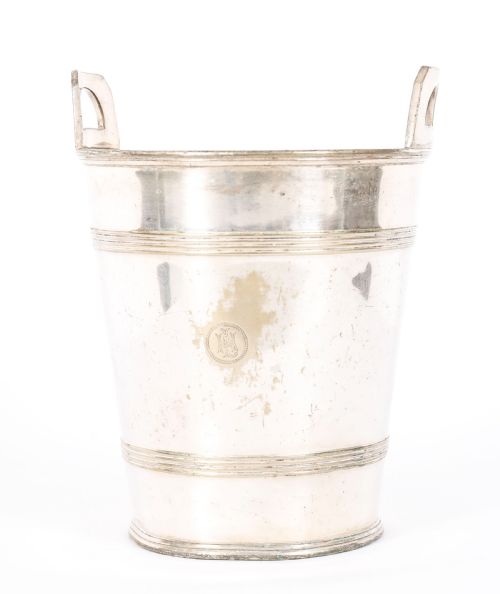
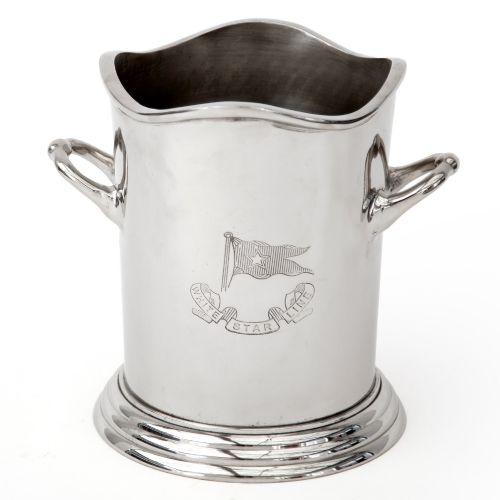
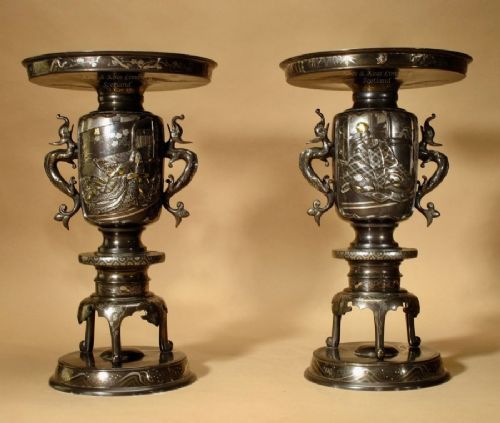
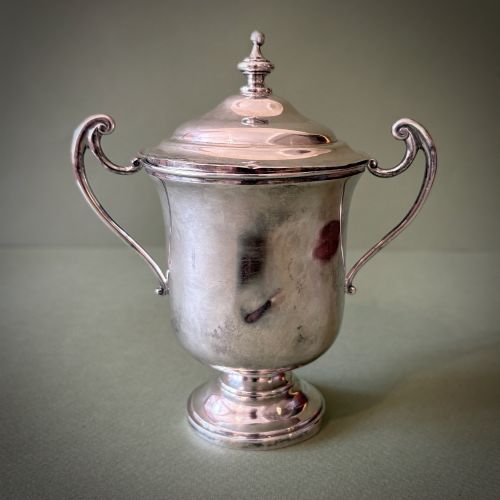
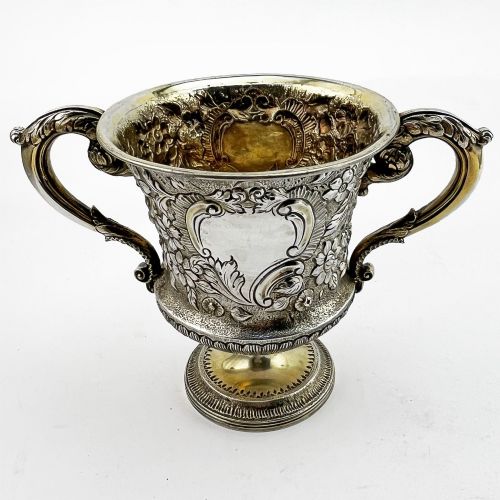
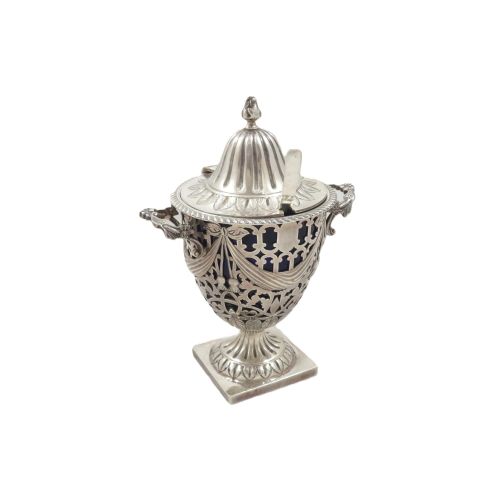
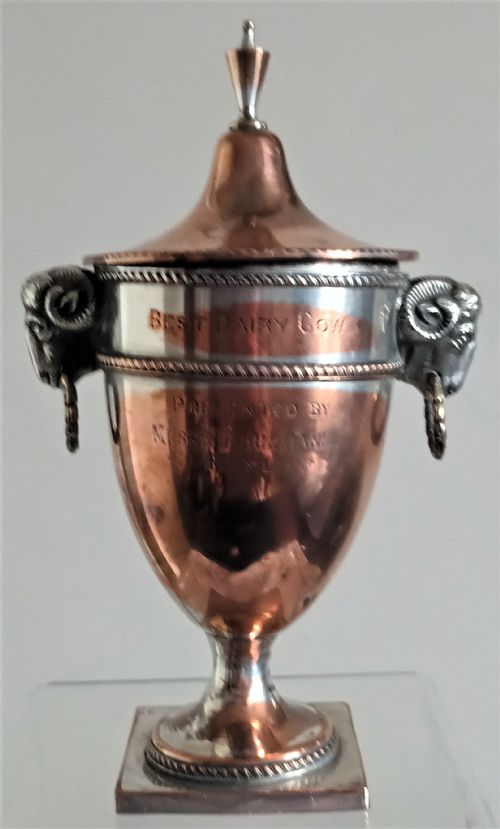
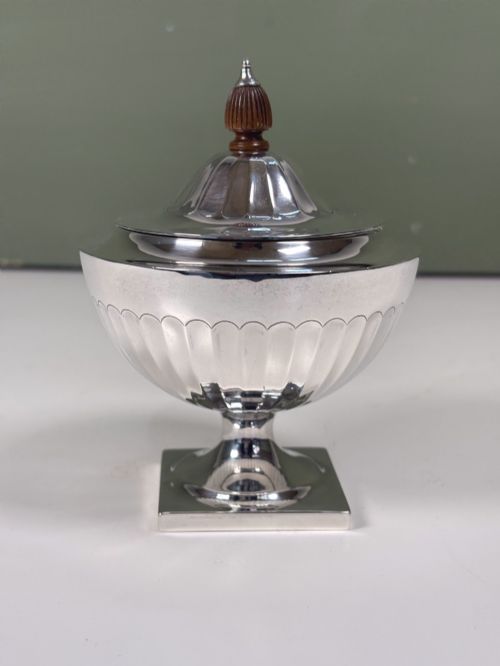
Buyers encounter objects rendered in solid sterling silver, sterling plate, and Old Sheffield Plate alongside related forms like coffee pots, sugar baskets, and trophy cups. These vessels often incorporate twin handles, domed lids, and pedestals that echo ancient architectural motifs.
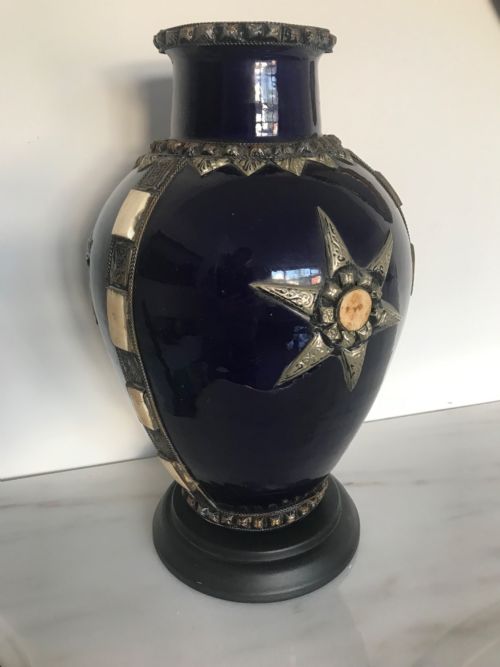
Functional pieces designed for hot water or wine sit alongside purely decorative items such as potpourri boxes and garniture vases. Neoclassical styling dominates the category, bringing urn silhouettes into domestic interiors through diverse manufacturing periods.
Materials and construction
Silversmiths employed sterling silver and traditional plating techniques, fusing silver to copper bases in Old Sheffield Plate or applying silver layers over base metals in later silver-plate wares. Hand-raising, casting, and spinning formed the bodies of these vessels before handlers attached cast handles and spigots.
Decorative detailing relied on chasing, engraving, gilding, and applied mounts of foliage or classical figures. Wood, bone, and mother-of-pearl occasionally appear as insulating elements on handles for vessels intended for hot liquids.
Antique Silver Urn Retail Price Guide 2026
Typical asking prices for silver urn among the pieces listed under this phrase on Sellingantiques today, from the lower quarter to the upper quarter. They describe what is for sale here now, not the wider market.
Some miniature chestnut urns served little purpose beyond showcasing a silversmith's skill on a crowded Georgian mantelpiece.
Determinants of quality
Quality rests upon the crispness of chased and engraved ornament, the weight of the metal, and the structural integrity of applied handles and feet. Master workshops achieved balanced proportions and clean soldered joints that remain hidden on everyday production pieces.
The retention of original gilding inside tea urns and the clarity of maker marks or hallmarks provide clear indicators of workshop origin and high-grade execution.
Hutton Sheffield·Elkington Mason And Co·Walker And Hall·Mappin And Webb·Matthew Boulton·John Hoyland·John Round And Sons·Risler And Carré Paris·Sampson Mordan
The Antique Silver Urn Glossary
- Old Sheffield Plate
- A fused composite material made by melting a sheet of sterling silver onto a thicker copper base before rolling them together into sheets for manufacturing. This technique predates modern electroplating and leaves a characteristic copper seam visible on raw edges.
- Samovar
- A heated metal container traditionally used to boil water for tea, typically fitted with a spigot at the base. Victorian examples often incorporate internal heating cylinders or compartments for charcoal and burners.
- Campana
- A bell-shaped vessel profile derived from ancient Roman pottery and metalwork. These cups and urns feature a flared rim and a tapering body supported on a footed pedestal.
- Old Sheffield
- A shortened descriptor used by traders to denote early fused silver-plate items produced in Sheffield during the eighteenth and early nineteenth centuries. It represents a specific laminate technique distinct from later electroplated wares.
- Gilt
- A thin layer of gold applied to the interior or exterior surface of a silver object through fire gilding or electrogilding. This treatment protected the base metal from tarnishing when exposed to acidic beverages or foodstuffs.
Antique Silver Urn: Frequently Asked Questions
How were tea urns used?
Tea urns functioned as central water heaters on formal dining tables, supplying hot water for tea service through a fitted spigot. Servants maintained the temperature using internal heating elements or external burners.
Over time, these vessels transitioned into decorative display objects, shifting from active domestic service to sideboard ornaments.
What is Old Sheffield Plate?
Old Sheffield Plate is an early composite material created by melting sterling silver onto a copper ingot and rolling them into workable sheets. This method produced durable wares with a rich metal depth.
Pieces made this way require gentle handling to preserve the thin silver layer over the underlying copper core.
How do I date an antique urn?
Dating relies on stylistic markers such as neoclassical proportions, hallmarks stamped into the metal, and manufacturing techniques like fused plating versus electroplating. Georgian pieces display hand-chased details, while later Victorian and Edwardian items often incorporate machine-stamped elements.
Maker marks provide an exact attribution to specific silversmiths and registration decades.
Can silver urns hold liquids?
Many historical urns and wine coolers remain water-tight and functional for modern entertaining, particularly solid sterling silver and heavy plated examples. Spigots on older samovars require inspection of internal cork or washer seals before liquid use.
Decorative versions with fitted inserts or delicate gilt interiors suit dry display rather than liquid service.