
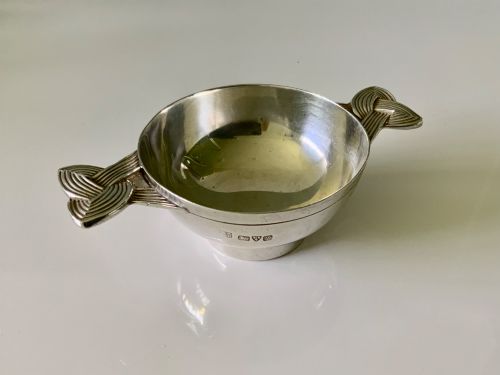


Hallmarked Silver Cup
These hallmarked silver cup examples range from Georgian table pieces to Victorian christening mugs, offering lasting silver weight and clear assay marks.
Forms and Origins
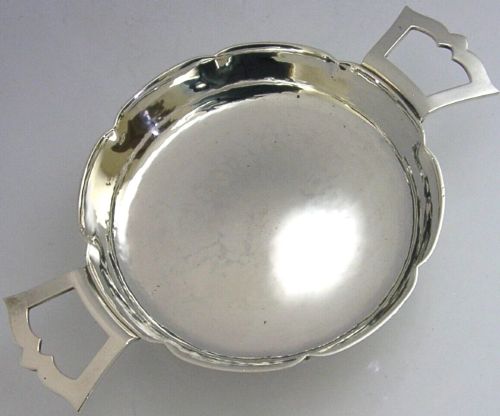
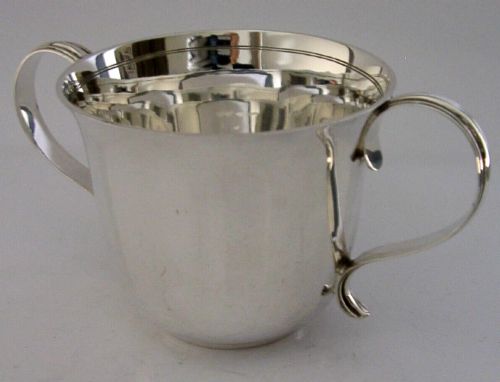
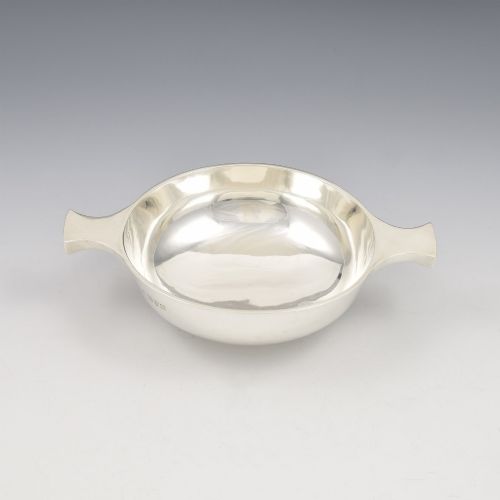
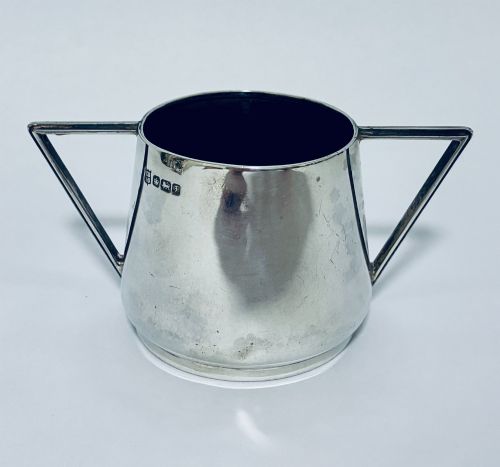
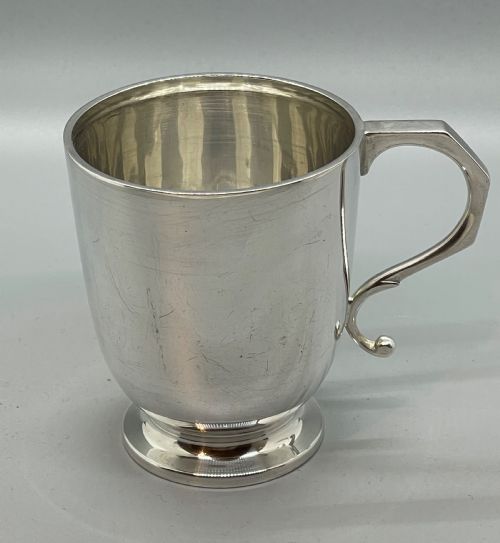
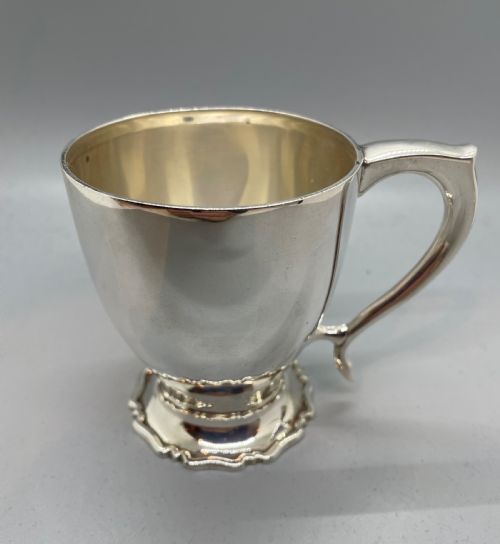
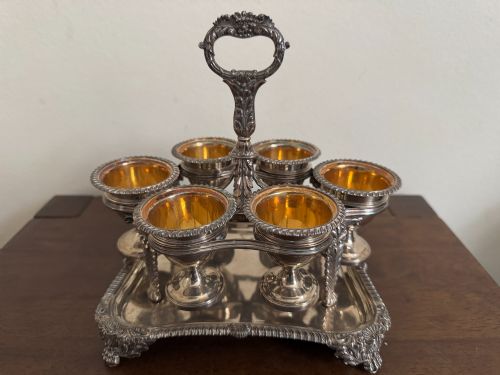
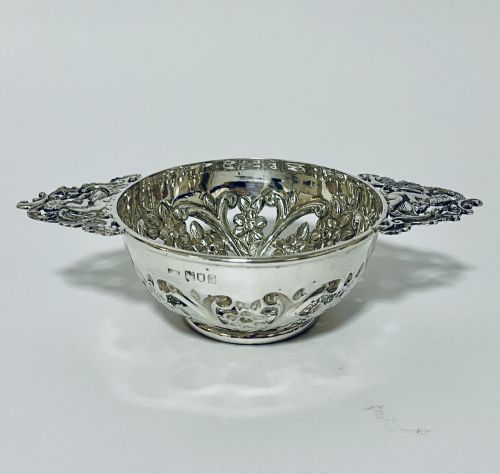
A hallmarked silver cup encompasses several distinct domestic and ceremonial forms, from christening mugs and presentation vessels to egg cups and goblets. You encounter these across Georgian, Victorian, and Edwardian periods, reflecting changing social uses from the late eighteenth century onward.
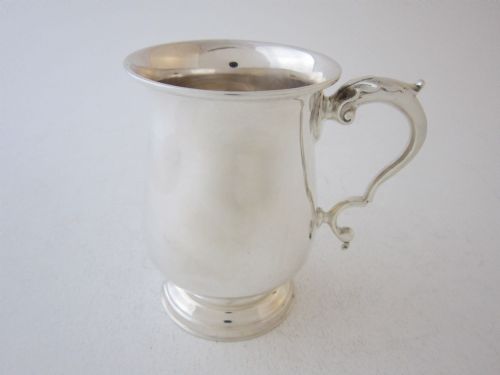
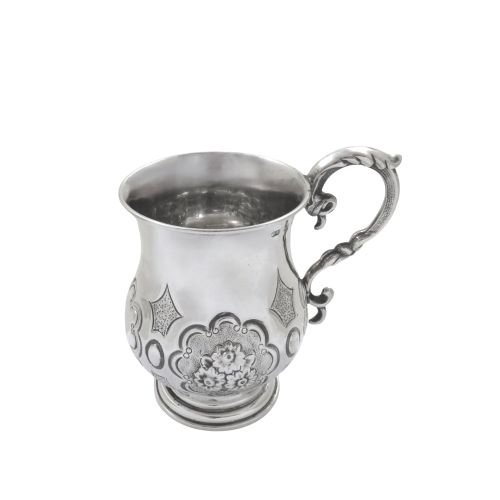
Christening mugs form a large share of the available pieces, often bearing handles and dedicated engraving for children. Presentation cups and loving cups provide larger twin-handled formats suited for display or athletic trophies.
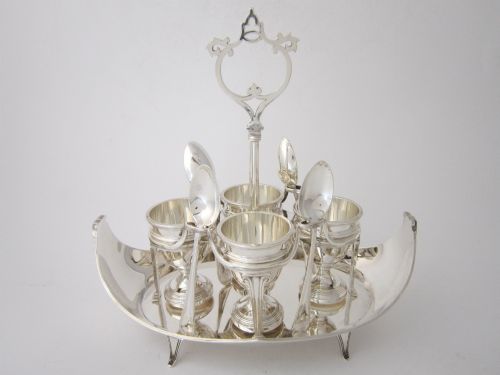
Smaller tableware such as egg cups and tot cups appear frequently, sometimes supplied in fitted cased sets with matching spoons. This variety means buyers find both intimate personal items and larger commemorative objects.
Materials and Technique
Makers shaped these pieces from sterling silver, employing traditional silversmithing methods such as raising from a flat sheet, spinning, or casting handles and mounts. Some examples incorporate ebonised wood or bakelite for stability.
Assay offices stamped each piece with hallmarks comprising maker marks, town marks, and date letters to confirm the silver standard. Interior gilding, known as wash, appears in specific liturgical or presentation contexts.
Retail Price Guide 2026
Typical UK retail prices for hallmarked silver cup, calculated from the Sellingantiques database of over a million retail prices indexed since 2003. This retail price guide relies exclusively on Sellingantiques data; no external sources or auction records are used, so the figures do not describe the wider market.
Collapsible silver beakers allowed Victorian travellers to carry their own dram wherever the road took them.
Assessing Quality
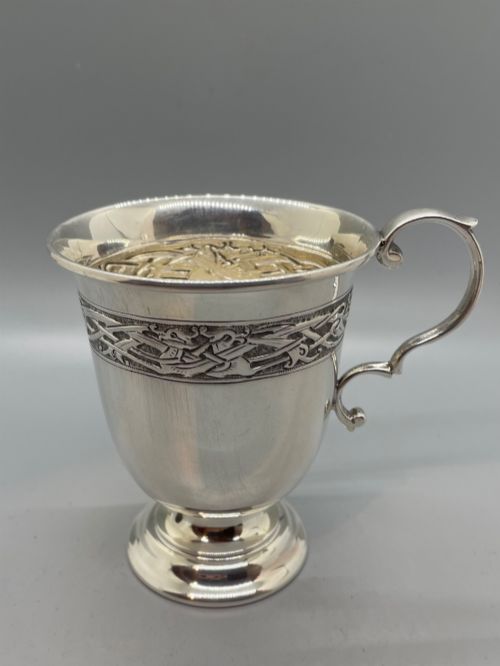
Quality rests primarily on the crispness of the hallmark stamps and the integrity of the original form without excessive thinning from polishing. Crisp chased or engraved decoration distinguishes superior pieces from plain utilitarian stock.
The weight of the silver relative to the vessel size and the balance of applied handles dictate the tactile presence of the object. Maker attribution to notable workshops adds historical weight to the physical construction.
Peter William Bateman·William & James Priest·S Blanckensee & Son Ltd·Charles Fox·William Comyns & Sons Ltd·Pairpoint Brothers·John Emes·Al Davenport·Mappin & Webb·Martin Hall & Co·Joseph Gloster Ltd·William Neale·Hayes and Finch·West & Sons·James Young
The Hallmarked Silver Cup Glossary
- Hallmark
- Official stamps struck into precious metal indicating the assay office, silver standard, and year of testing. These marks provide the foundation for dating and attributing British silver.
- Sterling silver
- An alloy consisting of ninety-two point five percent silver and seven point five percent other metals, usually copper. This composition ensures durability while maintaining a bright metallic lustre.
- Christening mug
- A small drinking vessel traditionally given to an infant to mark a baptism or birth. They often feature simple cylindrical or pear-shaped bodies with a single scroll handle.
- Loving cup
- A large drinking vessel equipped with two or three handles designed for sharing beverages among company. They frequently commemorate specific events or serve as sporting trophies.
- Assay office
- An official body charged with testing the purity of precious metals and applying statutory hallmarks. London, Birmingham, Sheffield, and Dublin offices appear commonly in these pieces.
Frequently Asked Questions
How do I read silver hallmarks?
Look for a combination of small stamped symbols showing the maker's initials, a standard mark like a lion passant for sterling, a town mark, and a date letter.
Comparing these punches against standard reference tables reveals the exact year and location of manufacture.
Were christening mugs used daily?
Most christening mugs functioned primarily as keepsake gifts rather than everyday tableware, which explains their survival in good condition.
Some bear later presentation inscriptions added years after their original manufacture.
What is a loving cup?
A loving cup is a two-handled vessel intended for communal drinking at banquets or formal ceremonies.
Participants held the two handles while drinking, offering mutual protection in social settings.
How should I clean silver cups?
Use a soft cloth and a gentle, non-abrasive silver polish to remove tarnish without wearing away the underlying metal or engraving.
Avoid harsh chemical dips that strip the natural ageing from recessed areas.