
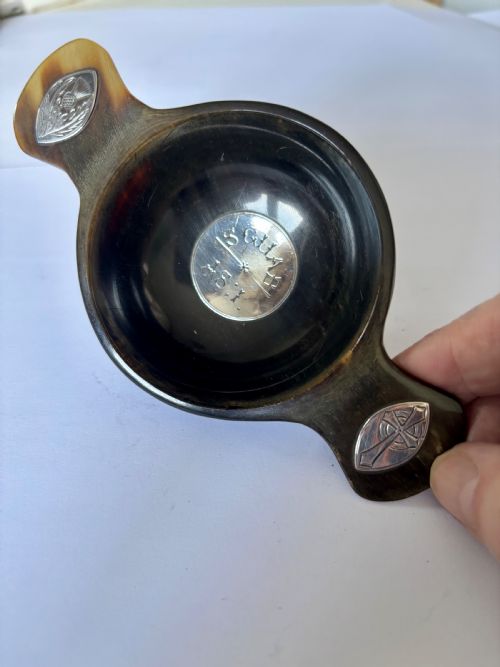


Antique Silver Quaich
An antique silver quaich is a traditional two-handled drinking vessel designed for whisky or wine, prized for its historic Scottish form.
What an antique silver quaich is
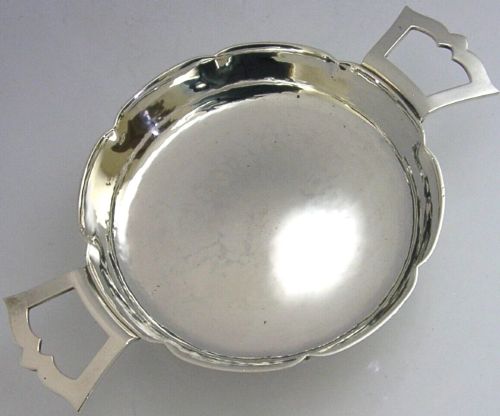
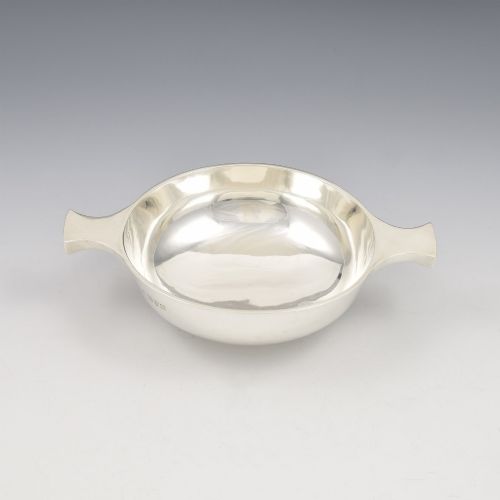
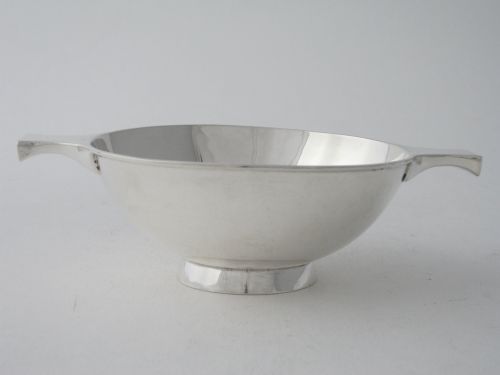
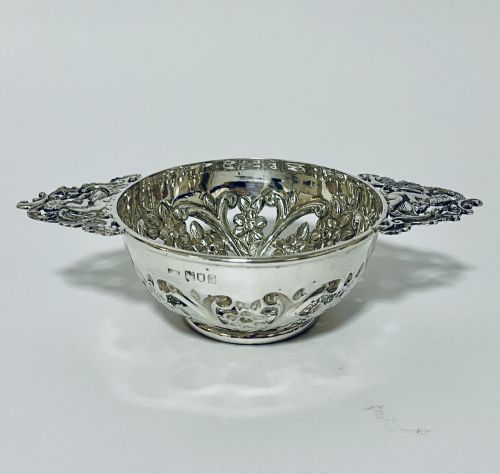
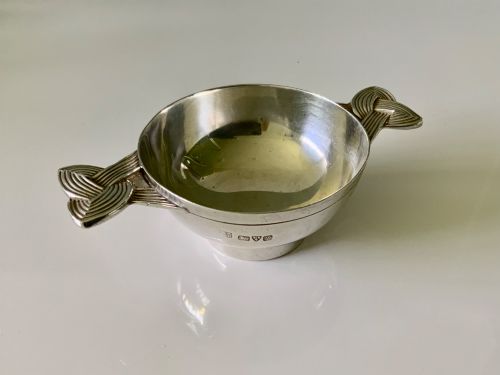
An antique silver quaich is a shallow, circular drinking vessel featuring two opposing flat handles known as lugs, which evolved from wooden drinking bowls in Scotland. These pieces appear across several periods, most notably the Edwardian era, the nineteenth century, and mid-twentieth-century designs.
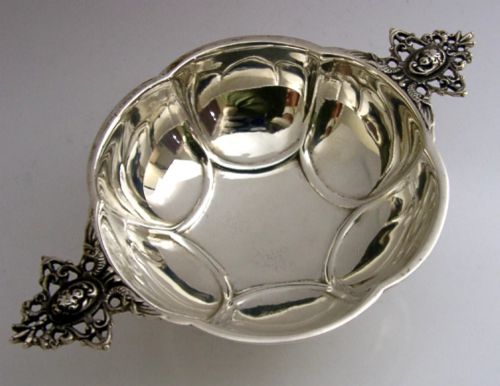
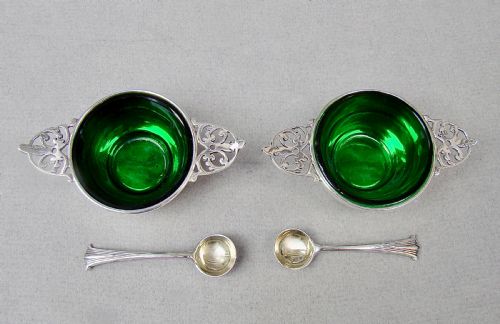
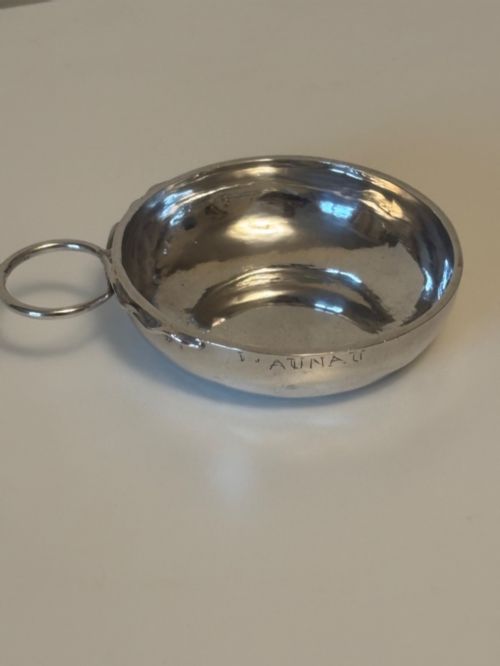
Makers adapted the traditional shape into various forms including wine tasters, brandy bowls, and christening porringers while retaining the distinctive twin-handled profile. Pieces range from plain vernacular bowls to ornate examples decorated with Tudor roses, golfing motifs, or military insignia.
The surviving selection includes English, Scottish, French, Dutch, and Swiss examples, demonstrating how widely the traditional Scottish form travelled across European silver workshops during the nineteenth and twentieth centuries.
How they were made
Silversmiths constructed these vessels primarily using sterling silver and solid silver, occasionally combining the metal bowls with turned wooden bases or handles. Bowls were raised from sheet metal or cast, with some featuring prominent hand-beaten surfaces.
Arts and Crafts examples display characteristic hand-planished textures where individual hammer marks remain visible across the silver body, contrasting with the smooth, polished surfaces of standard Edwardian or Victorian production.
Retail Price Guide 2026
Typical UK retail prices for silver quaich, calculated from the Sellingantiques database of over a million retail prices indexed since 2003. This retail price guide relies exclusively on Sellingantiques data; no external sources or auction records are used, so the figures do not describe the wider market.
Listings feature sterling silver and solid silver examples spanning the Edwardian period, the nineteenth century, and the nineteen-fifties.
What varies in quality
Quality rests in the weight of the metal and the crispness of the hand-craftsmanship, separating standard commercial production from substantial heavyweight examples or distinct Arts and Crafts workshop pieces. Substantial gauge silver provides a reassuring heft in the hand.
Design complexity also defines the range, moving from plain circular bowls to intricately detailed pieces featuring applied wirework, cast lugs shaped as birds or foliage, and engraved commemorative inscriptions.
R E Stone·Nathan and Hayes·Pierre Fournerot·William Robb·A E Jones·John Sidney Reeve
The Antique Silver Quaich Glossary
- Quaich
- A traditional Scottish two-handled drinking vessel derived from wooden staved bowls. It serves as both a historic drinking cup and a decorative display piece.
- Lug
- One of the two flat handles projecting horizontally from opposite sides of a quaich. They allow the vessel to be held securely with both thumbs.
- Planished
- A hammered surface finish created by striking silver with a small-faced hammer. This technique leaves a subtle, textured pattern characteristic of Arts and Crafts metalwork.
- Wine taster
- A small, shallow silver bowl used for sampling wine. These items frequently share similar proportions and lug arrangements with quaichs.
- Porringer
- A small bowl with one or two handles used for porridge or broth. In silverwork, the term often describes pieces structurally similar to quaichs.
Frequently Asked Questions
What was a quaich originally used for?
A quaich was traditionally used as a communal drinking cup for whisky, often offered as a welcoming gesture or a parting drink among guests.
Over time, the form transitioned from a practical Highlander vessel into a ceremonial presentation piece and a domestic drinking bowl.
How do you hold an antique quaich?
You hold a quaich by placing your thumbs and fingers beneath the two flat handles, known as lugs, on either side of the bowl.
This traditional grip requires both hands, which historically prevented the drinker from drawing a weapon while sharing a toast.
How can I tell the period of a silver quaich?
You identify the period by examining the hallmarks stamped into the silver, which record the assay office, date letter, and maker's mark.
Stylistic details also help, as Arts and Crafts examples display hand-beaten textures while Edwardian and Victorian pieces often feature smoother, more formal ornament.
Are quaichs exclusively Scottish?
While the quaich originates from the Scottish Highlands, silversmiths across England, France, the Netherlands, and Switzerland adopted the twin-handled bowl form.
European makers adapted the traditional shape into brandy bowls and wine tasters while retaining the signature opposing lugs.