
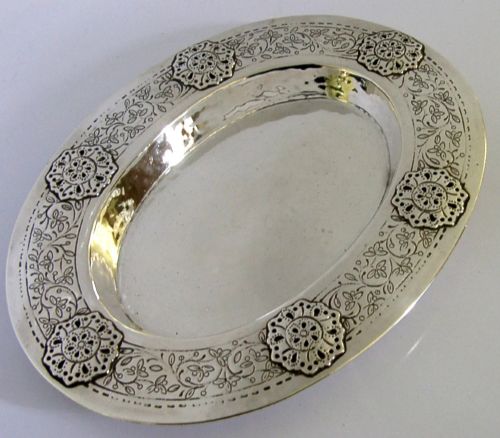

Planished Silver Bowl
A planished silver bowl brings tactile warmth to a room through the distinctive beaten marks left across its precious metal surface.
What a planished silver bowl is
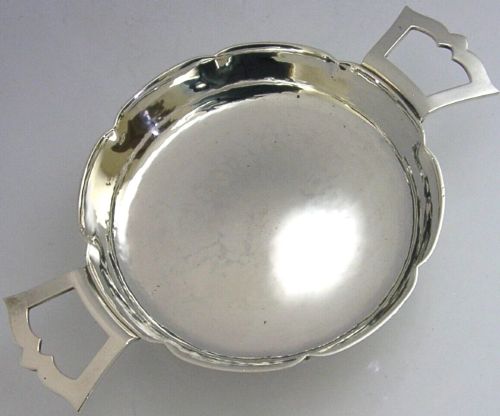
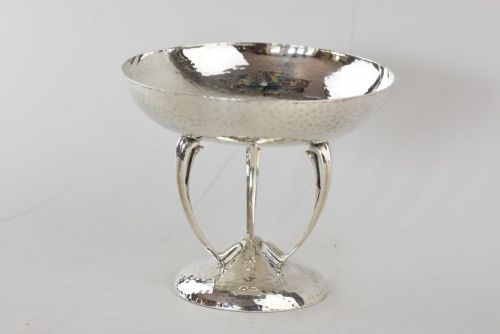
A planished silver bowl takes the form of a drinking vessel, tazza, porringer, or decorative dish created in sterling silver. These pieces connect directly to the Arts and Crafts movement, showing the hand of the maker through visible surface texture.
The versions most commonly met span from the nineteen tens to the nineteen sixties, encompassing traditional forms like the Scottish quaich alongside footed bowls and handled cups. Makers adapt these historic silhouettes with modernist restraint while retaining the characteristic beaten finish.
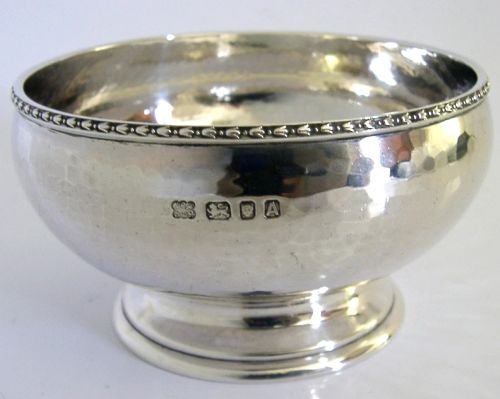
Collectors encounter works ranging from simple salt cellars to substantial fruit vessels and lidded porringers. Each object serves as both a functional item and an expression of mid-century or early twentieth-century metalwork.
How they were made
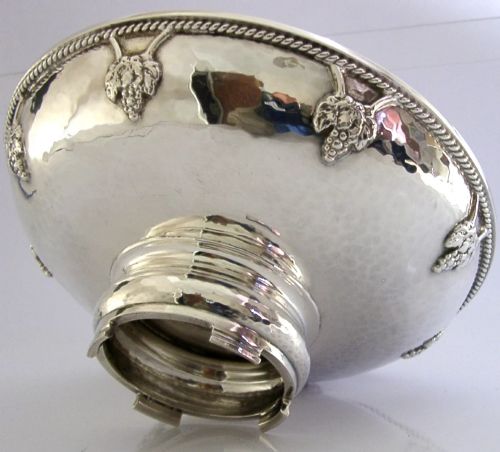
Every piece utilises solid sterling silver, shaped painstakingly by hand using specialist hammers to achieve the signature undulating texture. Artisans strike the metal over stakes to harden the silver and create a faceted, light-catching skin.
The process demands immense skill to maintain even thickness across the vessel while leaving the intentional hammer blows visible on the exterior or interior. Silversmiths then polish the piece selectively to highlight the interplay between smooth rims and beaten bodies.
Retail Price Guide 2026
Typical UK retail prices for planished silver bowl, calculated from the Sellingantiques database of over a million retail prices indexed since 2003. This retail price guide relies exclusively on Sellingantiques data; no external sources or auction records are used, so the figures do not describe the wider market.
Listings feature sterling silver works spanning from nineteen ten through nineteen sixty, heavily rooted in the Arts and Crafts tradition.
What varies in quality
The distinction between standard production and exceptional work lies in the rhythm and discipline of the hammering. Superior examples demonstrate a precise, uniform beat that follows the contour of the vessel without distorting its underlying geometry.
Weight and gauge also dictate quality, as heavier sterling silver allows for deeper, more resilient texturing that holds its definition over generations. The prominence of the maker's mark adds further distinction, separating anonymous studio output from documented pieces of note.
R E Stone·A E Jones·Liberty and Co·Cecil R Walker·Asprey
The Planished Silver Bowl Glossary
- Planishing
- The final stage of shaping and smoothing metal using a polished hammer, which leaves a pattern of small, flat facets across the surface.
- Quaich
- A traditional two-handled Scottish drinking vessel, frequently adapted by twentieth-century silversmiths into shallow bowls.
- Porringer
- A small, handled bowl used historically for porridge or broth, often produced with pierced lugs or flat handles.
- Tazza
- An ornamental pedestal bowl or plate raised on a foot, designed to display fruit or sweetmeats.
- Sterling silver
- An alloy consisting of ninety-two point five percent silver by mass, providing the durable foundation for these vessels.
Frequently Asked Questions
What is a planished silver bowl?
A planished silver bowl is a sterling silver vessel characterised by a textured surface created through systematic hammering. These pieces frequently align with the Arts and Crafts aesthetic.
They appear in various forms including quaichs, tazzas, and porringers, produced across the first six decades of the twentieth century.
How do I care for a planished bowl?
Care requires gentle cleaning with specialised silver cloth to avoid flattening the delicate hammered facets. Regular dusting prevents tarnish from settling deeply into the recesses.
Avoiding harsh dips preserves the subtle contrast between the polished highlights and the darker valleys of the beaten texture.
Were these bowls used for drinking?
Many examples, particularly those shaped as quaichs or porringers, originate from traditional drinking or dining vessels. Over time, their function shifted toward decorative display or holding small items.
Heavier footed bowls and tazzas served specific roles on dining tables for fruit or sweetmeats during the early and mid-twentieth century.
How can I date a planished silver bowl?
Dating relies heavily on the hallmarks stamped into the sterling silver, which indicate the assay office and year of production. Stylistic markers also help, as early pieces lean into traditional Arts and Crafts revival forms.
Later mid-century examples adopt cleaner lines while retaining the hand-beaten finish characteristic of the earlier movement.