
Silver Centrepiece Dish
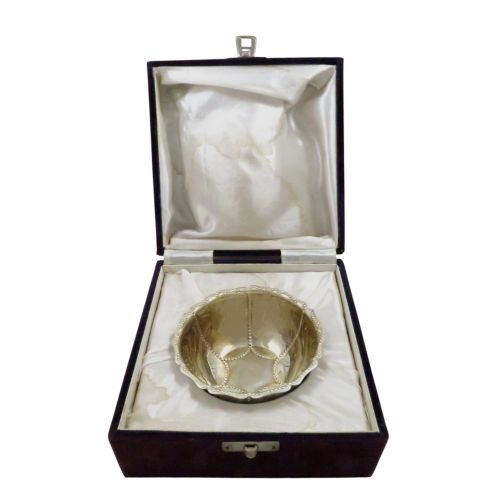
A silver centrepiece dish anchors a table with presence, taking the form of a substantial bowl or basket designed to command attention.
Silver Centrepiece Dish
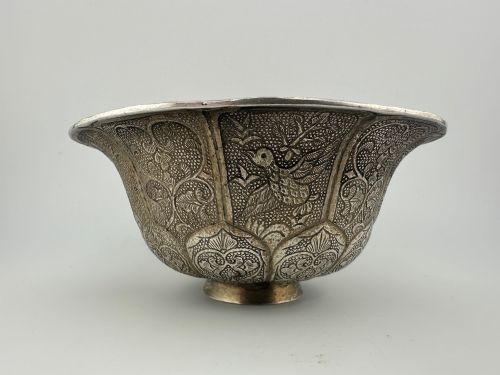
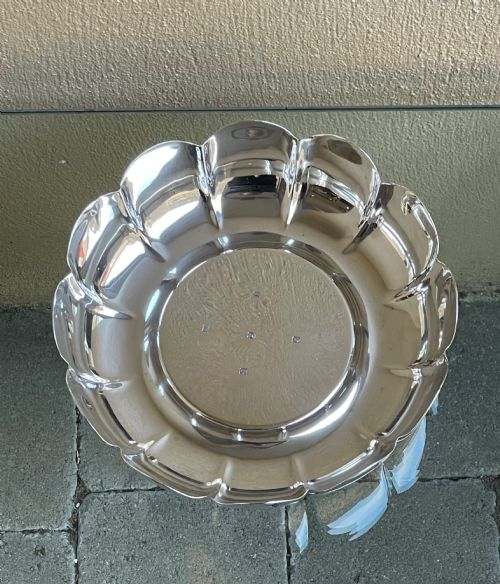
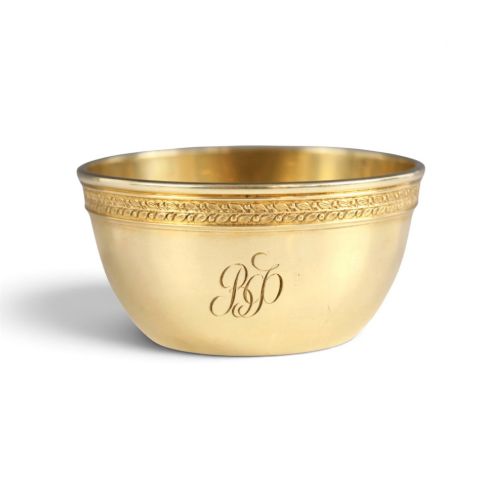
When you search for a silver centrepiece dish, you encounter an array of decorative vessels meant for display and formal dining. The pieces span periods from the nineteenth century through the mid twentieth century, encompassing Victorian, Edwardian, and Arts and Crafts aesthetics.
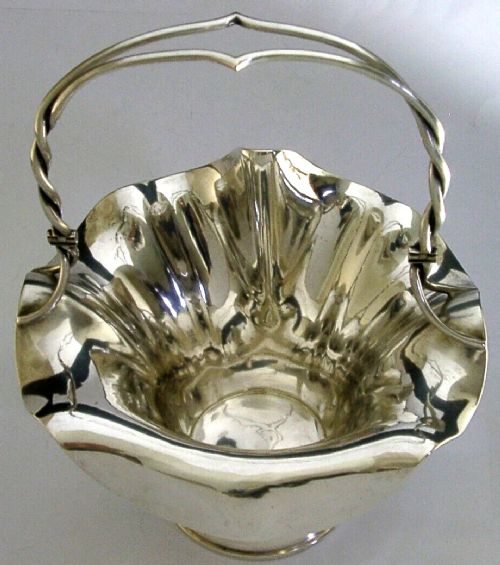
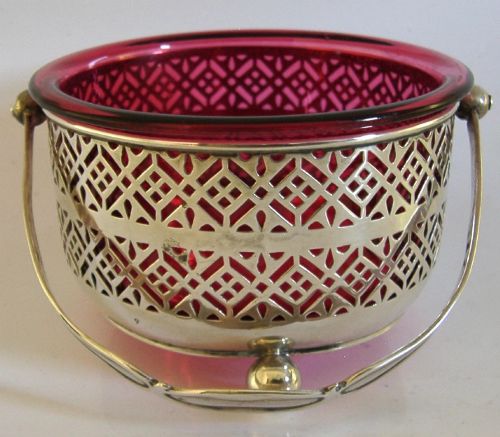
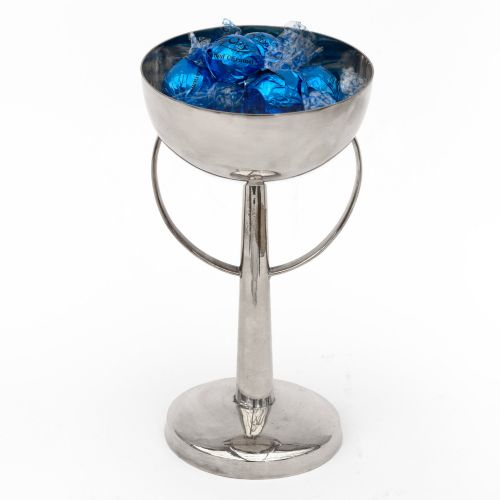
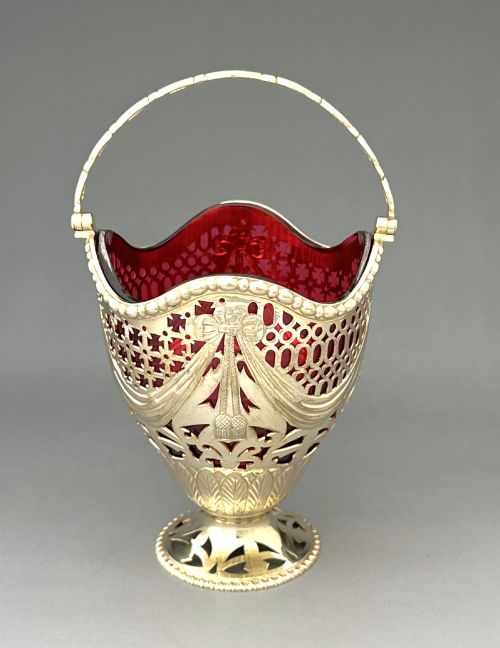
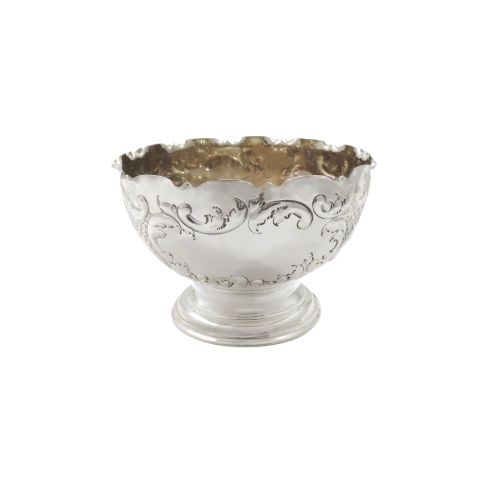
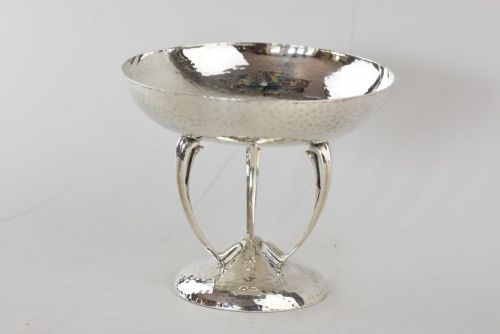
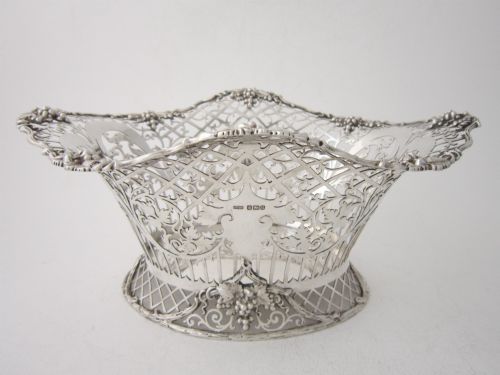
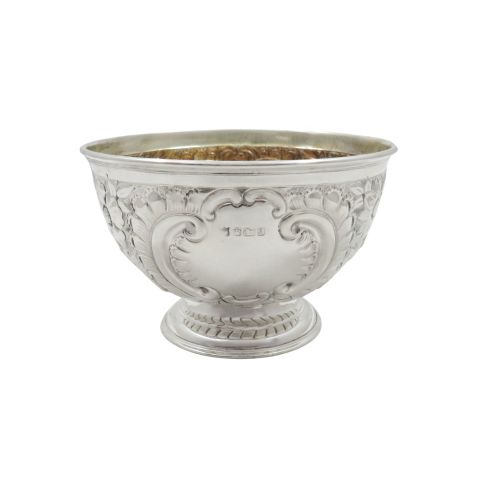
You are most likely to meet silver plated or sterling silver examples taking the shape of footed bowls, fruit baskets with swing handles, and tazzas. These items often incorporate coloured glass liners, such as cranberry or ruby glass, or rest upon pedestals.
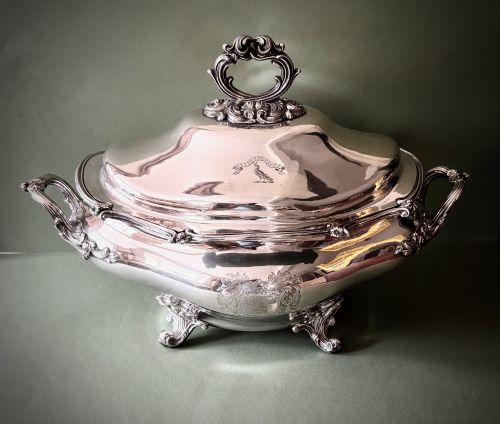
The assortment includes domestic tableware alongside more specialised forms like sugar baskets, strawberry dishes, and lidded tureens. Origins range from English workshops to continental European and Chinese export makers.
Materials and construction
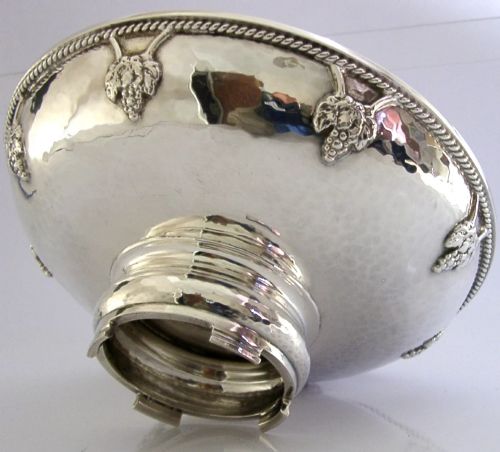
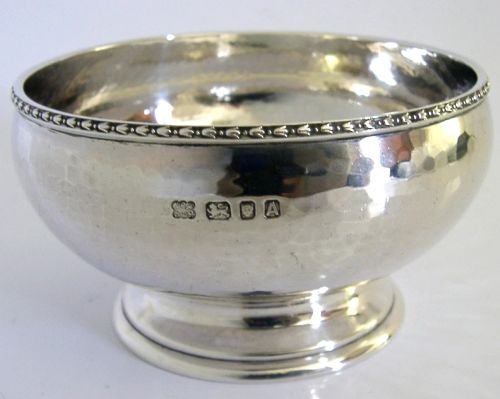
Makers utilised sterling silver, solid silver, and various plated methods including Old Sheffield Plate and electroplated nickel silver to build these vessels. Metals were frequently shaped through hammering, planishing, and repoussé techniques to create textured floral and abstract motifs.
Many examples combine metalwork with other media, pairing silver mounts and frames with cut glass, crystal, or ceramic inserts. Handles were often hinged or cast separately and attached to pierced or solid bodies.
Distinguishing quality
Quality rests in the heaviness of the metal gauge and the crispness of the hand-worked repoussé or planished details. Substantial weight and clear hallmarks indicate superior domestic or firm production.
The integration of secondary materials defines the upper tier, where intact coloured glass liners, precise crystal cutting, or documented maker attribution elevate a piece beyond standard tableware.
A E Jones·Goldsmiths and Silversmiths Company·George W Scott and Sons Ltd·Liberty and Co·Tiffany and Co·Mappin and Webb·Charles Boyton·Walker and Hall·Stephan Wekeva
The Silver Centrepiece Dish Glossary
- Tazza
- A shallow bowl or dish mounted on a stem and foot, typically used for serving fruit or small cakes.
- Repoussé
- A metalworking technique where the artist hammers the metal from the reverse side to form a raised design in relief.
- Planished
- A surface texture achieved by striking metal with a small, flat-faced hammer to leave controlled, decorative facets.
- Old Sheffield Plate
- An early composite material made by fusing a thin sheet of silver to a thicker copper base before rolling and shaping.
- Silver-Gilt
- Silver that has been coated with a thin layer of gold on its surface, also known as vermeil.
Silver Centrepiece Dish: Frequently Asked Questions
What was a silver centrepiece dish used for?
These vessels served primarily as decorative table focal points during formal dining, often holding fresh fruit, sweetmeats, or floral arrangements.
In many instances, they formed part of a matched plateau or garniture set designed to impress guests at high-status meals.
How do I care for silver plated bowls?
Maintenance requires gentle cleaning with a specialised silver cloth or non-abrasive polish to preserve the thin metallic layer.
Avoid harsh chemical dips that can strip plating, and wash glass liners separately in warm soapy water.
How can I tell Victorian pieces from Edwardian ones?
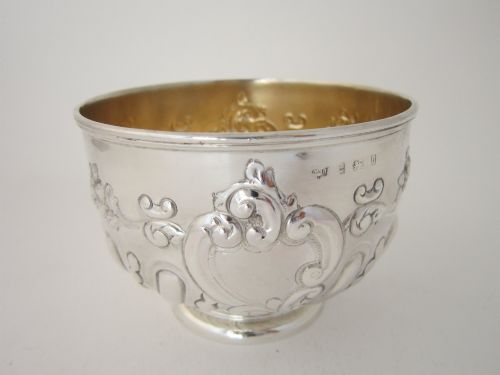
Victorian examples frequently display heavy, ornate Rococo revival styling with deep floral repoussé and dark patination.
Edwardian items often shift towards lighter forms, neoclassical restraint, or early Art Nouveau fluidity.
Are glass liners original to these dishes?
Many surviving baskets and bowls retain their fitted ruby, cranberry, or clear glass inserts, which were mouth-blown specifically for the metal frame.
Because glass is fragile, replacement liners occur, so check the fit against the interior gallery of the metal mount.