
Edwardian Silver Centrepiece
An edwardian silver centrepiece commands the dining table with grand proportions and brilliant metalwork.

What They Are
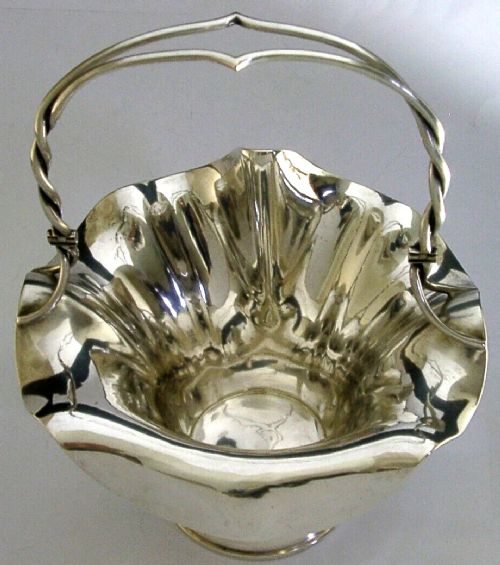
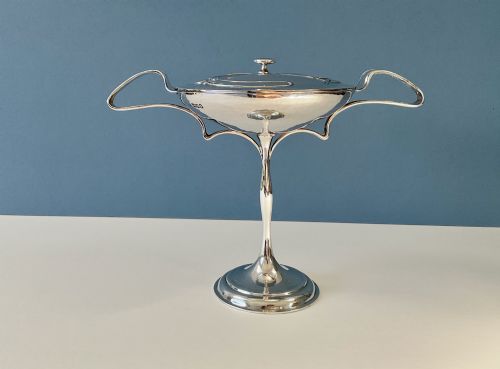
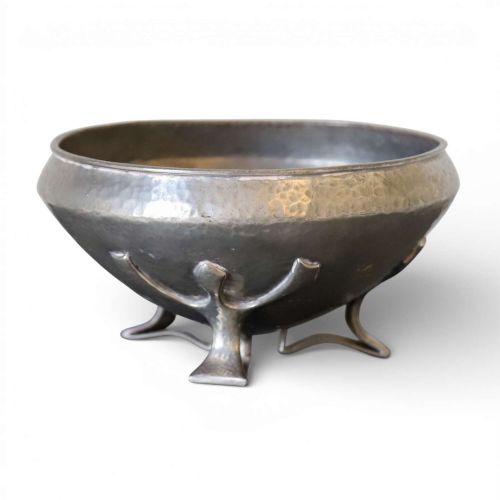
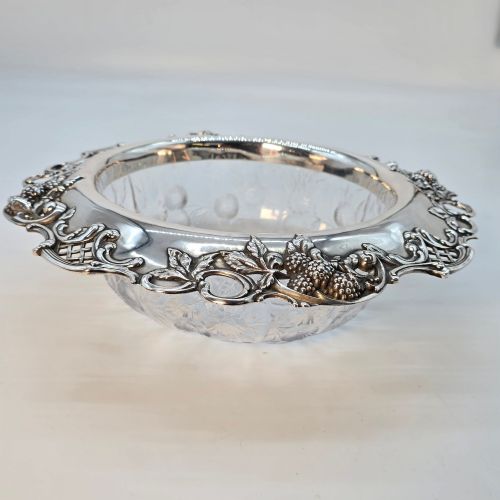
An edwardian silver centrepiece brings formal tablescapes to life with grand bowls, comports, and multi-fluted epergnes. These imposing decorative table objects date from the Edwardian period, spanning the opening decade of the twentieth century.
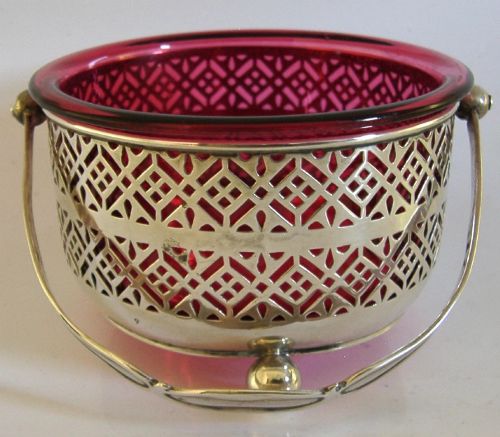
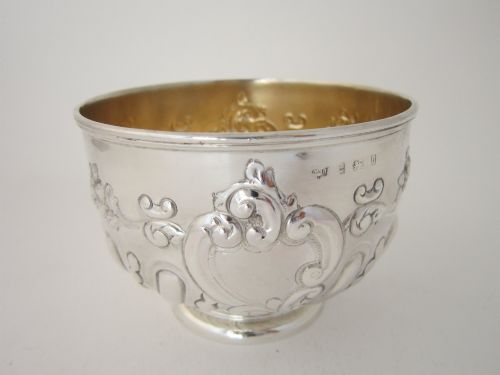
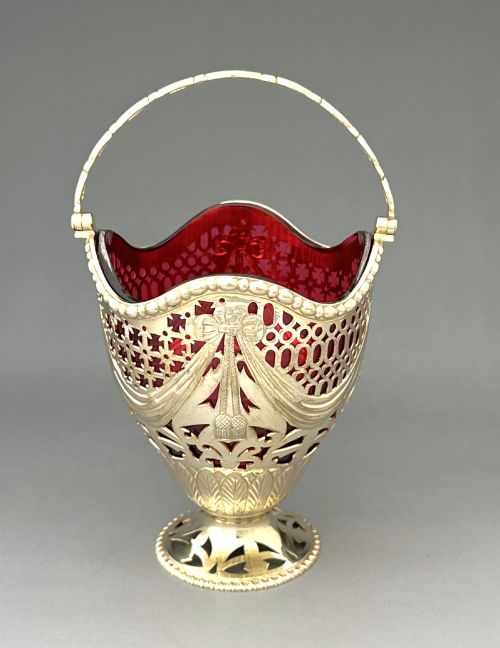
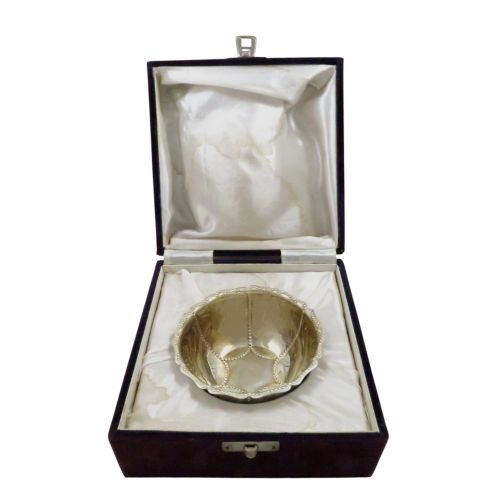
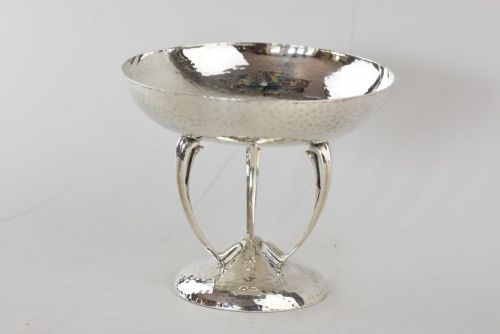
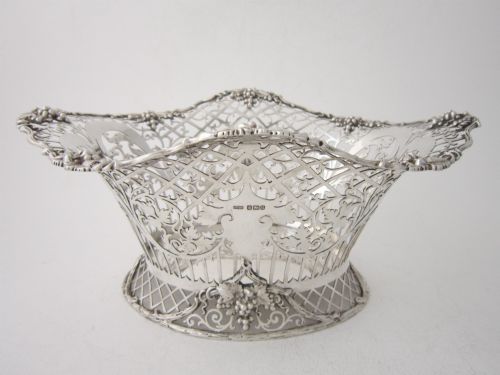
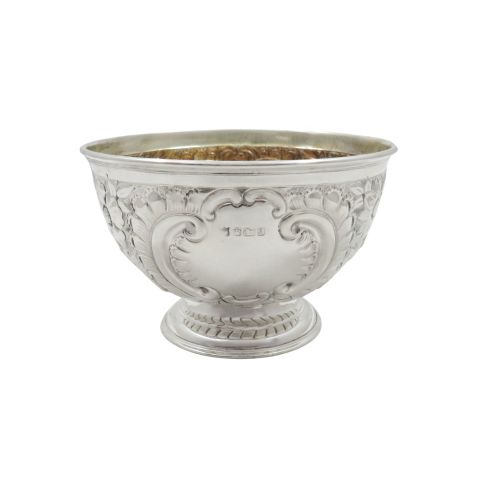
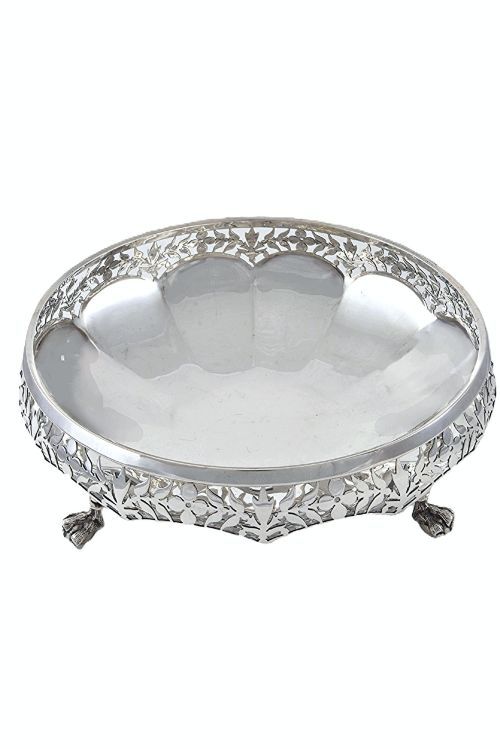
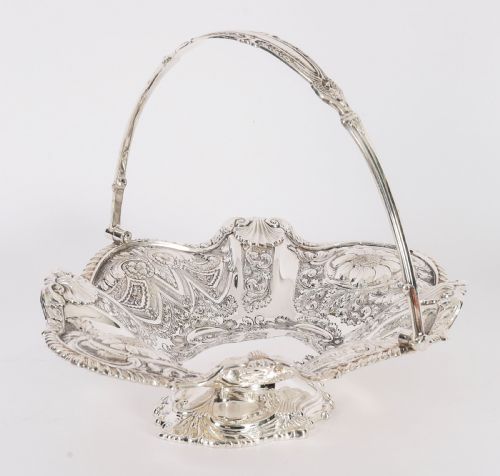
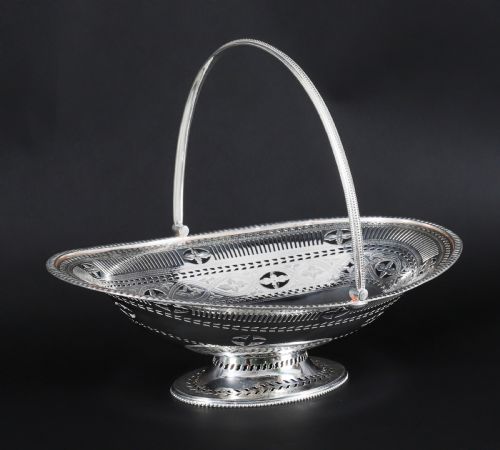
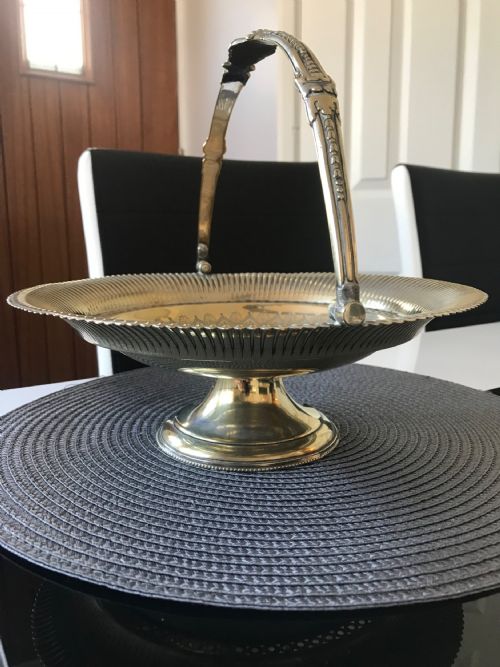
Most examples found here appear as substantial sterling silver bowls or pedestal vessels, often supported by maker hallmarks from London and Sheffield. Alternative forms include silver plated presentation pieces, baskets with fretwork, and fitted presentation bowls complete with their original cases.
The heavier variations include massive display bowls exceeding fifty centimetres, designed specifically to anchor a large dining arrangement. Lighter iterations take the form of twin fluted epergnes and ice buckets, reflecting the varied entertaining fashions of 1900 to 1910.
How They Were Made
Silversmiths utilised sterling silver and silver plate, shaping substantial sheets of metal through raising and spinning techniques to create deep vessel bodies. Artisans applied intricate pierced fretwork by hand, cutting delicate patterns into the rims and walls of silver baskets.
Many items incorporate structural wooden elements, satin linings, and protective leatherette within fitted presentation cases made for special Masonic or civic bowls. Hallmarks stamped directly into the metal record the assay office, city, and exact year of creation during the Edwardian decade.
Retail Price Guide 2026
Typical UK retail prices for edwardian silver centrepiece, calculated from the Sellingantiques database of over a million retail prices indexed since 2003. This retail price guide relies exclusively on Sellingantiques data; no external sources or auction records are used, so the figures do not describe the wider market.
Object forms include massive display bowls exceeding fifty centimetres, pedestal comports, and twin fluted epergnes.
What Varies in Quality
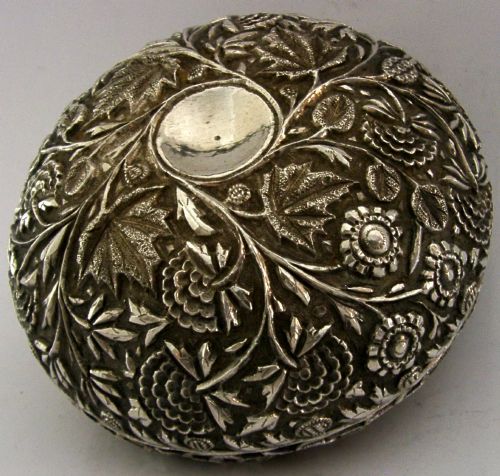
Quality rests primarily on the weight of the silver and the ambition of the original design, moving from simple plated vessels to massive solid sterling centerpieces weighing thousands of grammes. Superior pieces demonstrate crisp chasing, deep piercing, and balanced proportions across wide diameters.
The presence of original fitted wooden cases and clear sponsor marks from notable makers elevates a piece above standard domestic tablewares. Simpler silver plated examples or lighter epergnes offer domestic charm, whereas heavy pedestal bowls represent the pinnacle of period silversmithing.
Joseph Rodgers·Hammond Creake And Co·Horace Woodward And Co Ltd
The Edwardian Silver Centrepiece Glossary
- Centrepiece bowl
- A large decorative vessel designed to sit in the middle of a dining table. These items often feature wide rims and pedestal feet.
- Epergne
- A tiered table centrepiece holding a central basket and multiple smaller hanging or branching receptacles. This form typically displays delicate fluted construction.
- Comport
- A shallow dish raised on a high foot or pedestal base. Tables used these vessels for displaying fruit or sweetmeats during formal meals.
- Fretwork
- Openwork ornamentation created by cutting patterns through the metal plate. This technique lightened heavy silver baskets while displaying intricate geometric or floral designs.
- Sterling silver
- An alloy containing ninety-two point five percent silver by mass. British silversmiths stamped this standard with a lion passant hallmark.
Frequently Asked Questions
How were these centrepieces used?
These pieces functioned as the focal point of Edwardian dining tables during formal meals and banquets. Hosts used them to display fruit, flowers, or sweetmeats.
Certain heavy bowls were created specifically as presentation pieces for civic or Masonic events. Their substantial scale ensured they commanded attention in large dining rooms.
How do I clean an edwardian silver centrepiece?
Cleaning requires a soft cloth and a reputable silver polish formulated to remove tarnish gently. Avoid harsh abrasive materials that can scratch the delicate surface or wear down thin plating.
Regular light dusting helps maintain the shine between deeper cleaning sessions. Store solid silver pieces away from direct moisture to slow natural tarnishing.
How can I date an edwardian centrepiece?
Dating relies on the official hallmarks stamped directly into the metal by British assay offices such as London and Sheffield. These marks typically include a date letter corresponding to the exact year of production.
Stylistic cues such as heavy pedestal bases and fretwork also point firmly to the Edwardian era between 1900 and 1910.