



Silver Presentation Dish
A silver presentation dish is a celebratory vessel or tray meant for display, and you will find pieces ranging from Georgian tables to Edwardian bowls here.
Silver Presentation Dish
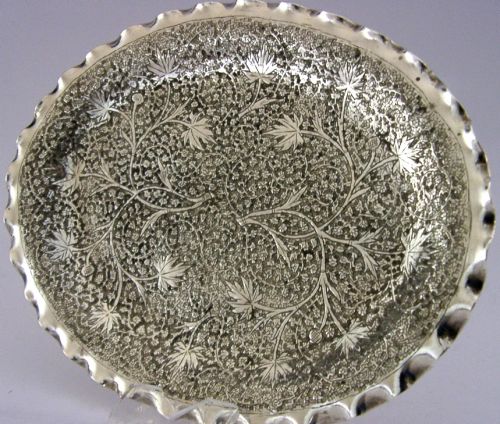
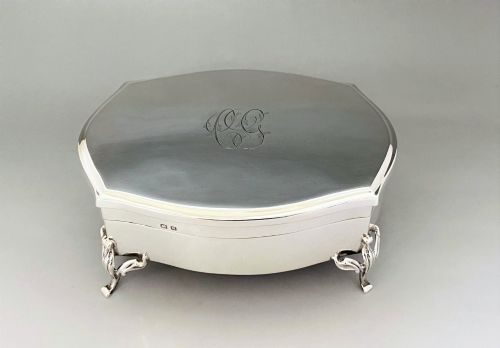
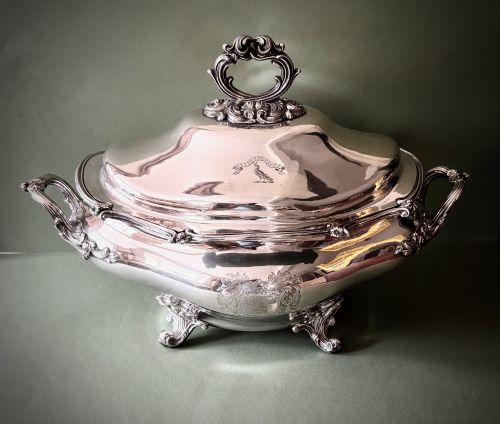
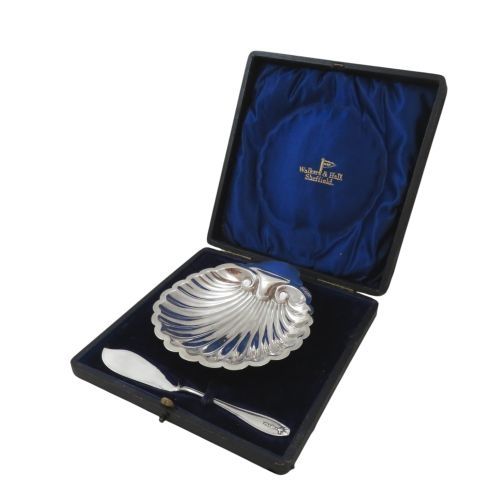
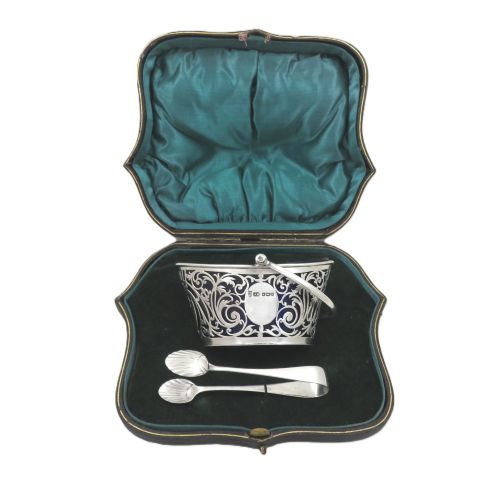
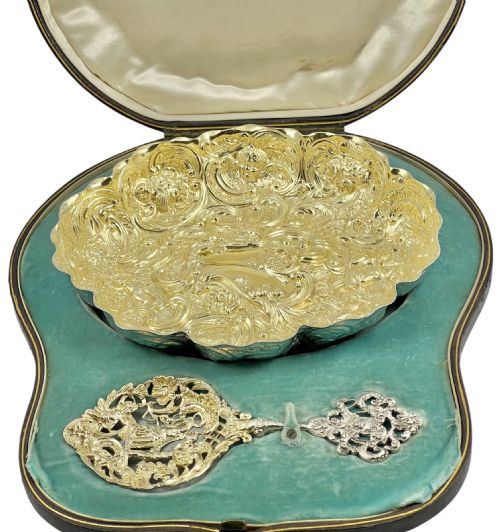
A silver presentation dish encompasses a wide variety of celebratory vessels, trays, and bowls created to mark occasions across the Georgian, Victorian, and Edwardian periods. When you search for a silver presentation dish, you encounter forms ranging from heavy Anglo-Indian trays and lidded tureens to fitted cases containing butter dishes, sugar baskets, and jewel boxes.
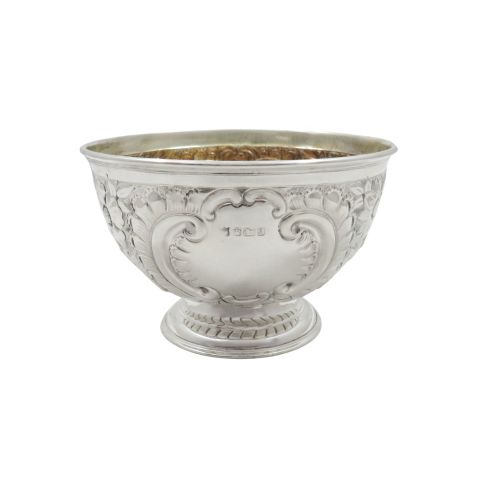
The pieces on this page span diverse stylistic origins, including Anglo-Indian Colonial, Imperial Russian, Art Nouveau, and Regency designs. Alongside traditional sterling silver bowls on pedestal feet and oak-mounted fruit dishes, you find silver-plated chargers and specialised presentation tables dating from the late eighteenth century onward.
Quality differences
The distinction between ordinary and exceptional pieces lies in the weight of the metal, the depth and clarity of the chased or engraved ornament, and the integrity of any associated fitted case. Heavier gauge solid silver and works bearing clear hallmarks from notable makers or Moscow workshops command greater interest than standard plated wares.
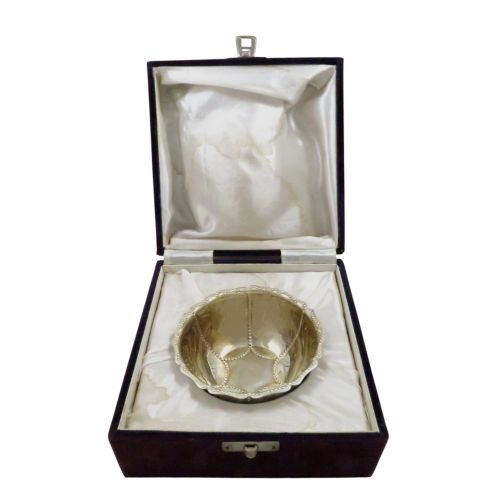
Provenance and original presentation context also elevate a piece, particularly when items retain fitted wooden or velvet-lined boxes associated with specific historical prizes, Masonic events, or church commemorations.
Listings feature sterling silver, silver plate, solid silver, and silver-gilt materials across Georgian, Victorian, and Edwardian periods.
Stephan Wekeva
The Silver Presentation Dish Glossary
- Sterling silver
- An alloy containing 92.5 percent silver by mass, widely utilised for British presentation bowls and dishes. This standard guarantees the purity of the metal.
- Silver-gilt
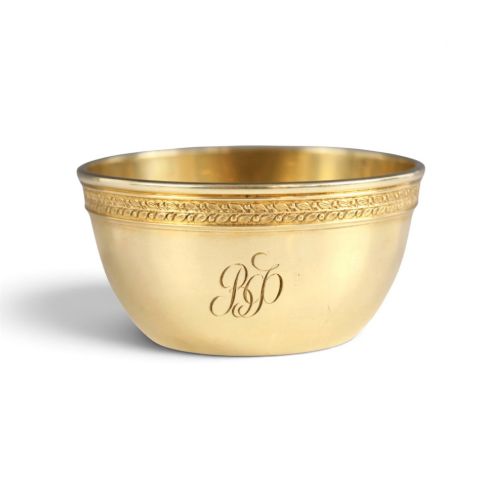
- Silver that has been coated with a thin layer of gold on its surface, often referred to as vermeil. This technique adds a warm internal glow to presentation bowls and sugar baskets.
- Old Sheffield plate
- An early form of plated metal produced by fusing a sheet of silver to a copper base before rolling. It represents a distinctive precursor to modern electroplating.
- Repoussé
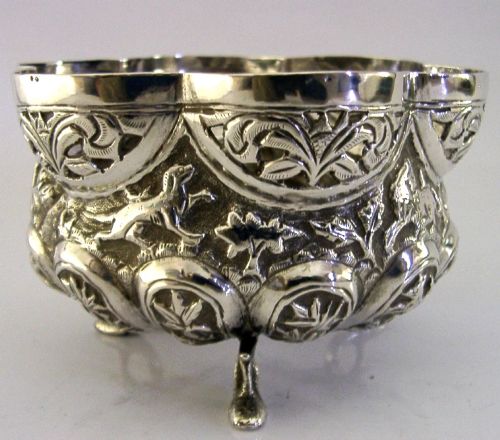
- A metalworking technique where the artisan hammers the metal from the reverse side to form a raised design in relief. You see this method on Indian bowls featuring animal motifs.
- Pedestal foot
- A raised circular or multi-lobed base that elevates a bowl or dish above the table surface. This architectural feature is typical of Victorian presentation pieces.
Silver Presentation Dish: Frequently Asked Questions
What is a silver presentation dish used for?
These vessels and trays were primarily created to mark significant achievements, serve as prizes, or commemorate special events for institutions and individuals.
Over time, owners also used them for domestic display on tables or sideboards, as well as for holding fruit, sweets, or trinkets.
How do I identify a Victorian piece?
Victorian examples often feature hallmarks corresponding to the nineteenth-century reigns, alongside distinct styling such as pedestal feet and detailed casing.
Examining the weight of the solid silver and the nature of any accompanying fitted presentation box helps confirm the period.
What is the difference between solid silver and plate?
Solid silver and sterling silver consist of high-purity silver throughout the entire object, whereas silver plate involves a thin layer of silver applied over a base metal such as copper.
Heavier items are frequently marked as solid silver or sterling, while larger chargers and tureens often utilise plating techniques.
Why do some pieces come in cases?
Presentation pieces were frequently housed in velvet or satin-lined wooden boxes to protect them during transport and highlight their celebratory status.
These original cases often contain matching spoons, forks, or glassware designed specifically for the dish.