


Silver Dining Centrepiece
A silver dining centrepiece sets the stage for a formal table, bringing height, polish and presence to the room.
What They Are
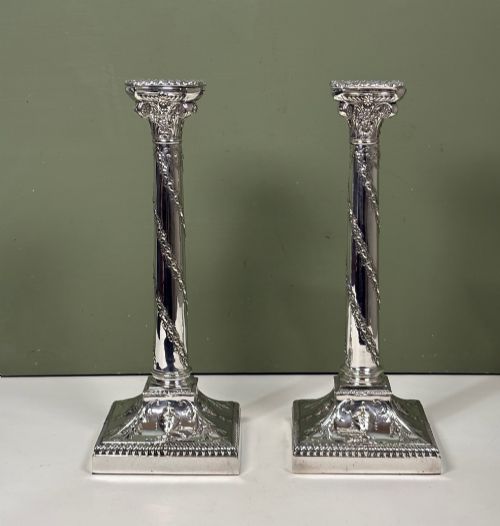
A silver dining centrepiece anchors a formal table setting, drawing the eye and balancing the spread of dishes. These grand focal points take several distinct forms across the periods represented.
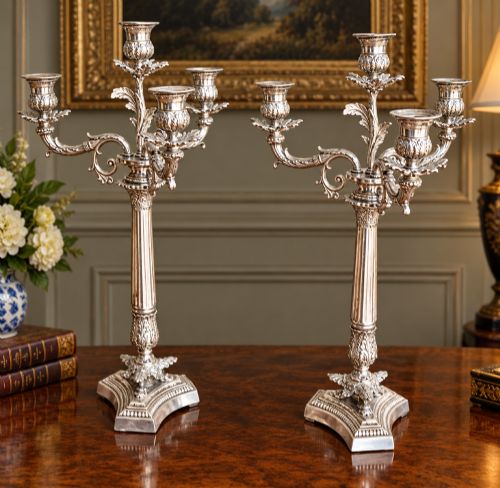
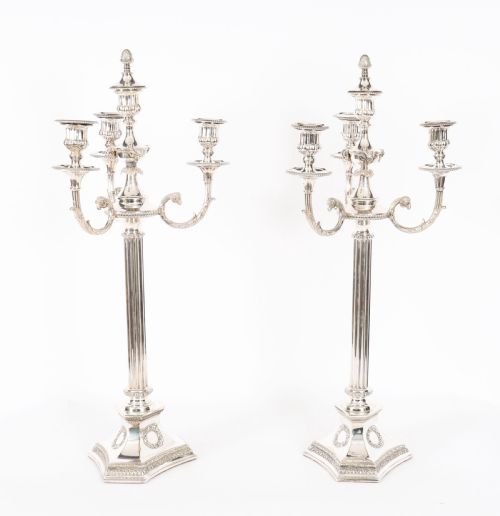
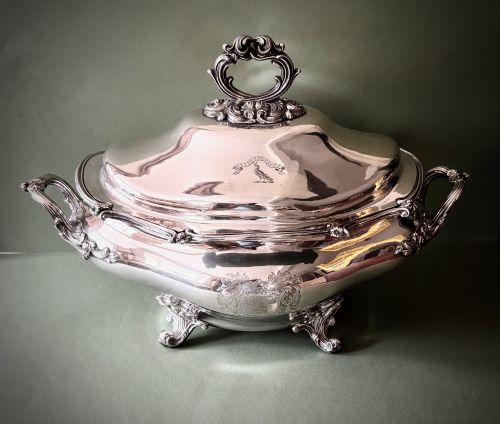
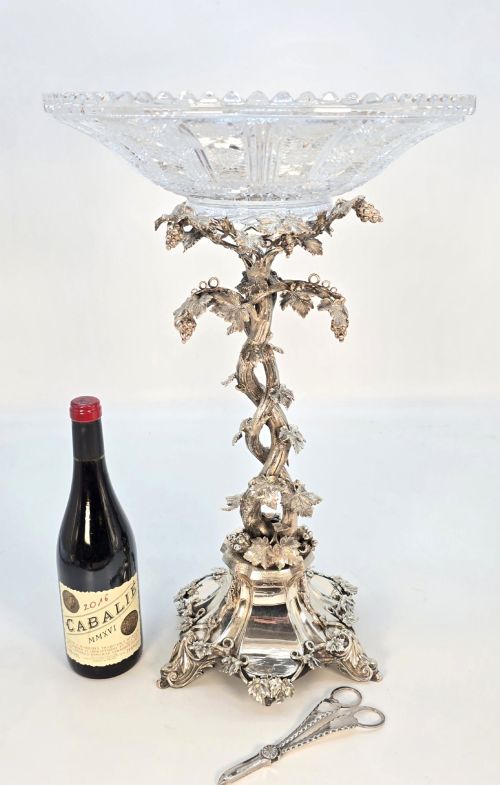
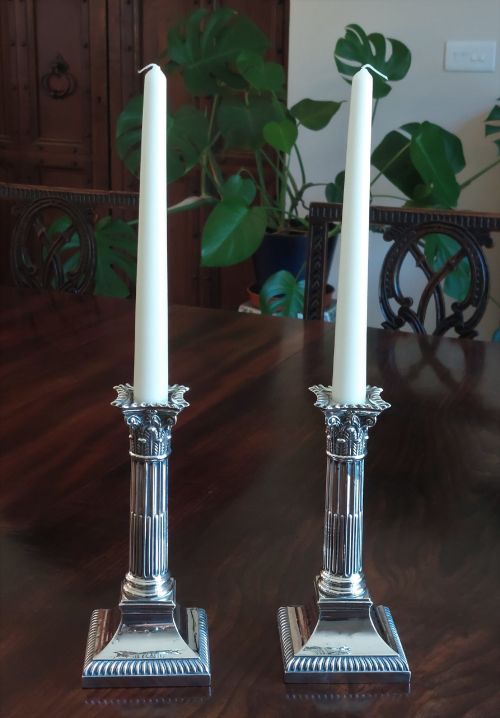
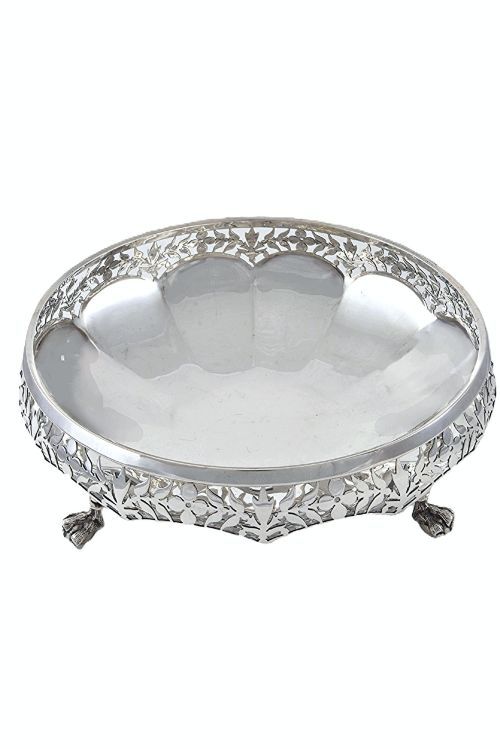
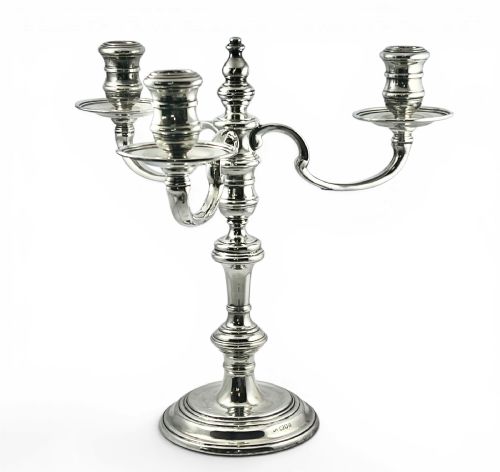
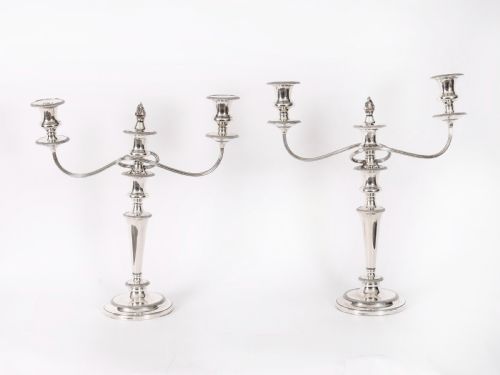
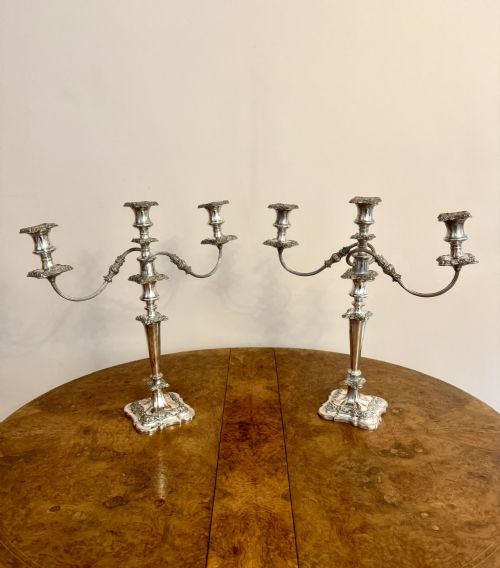
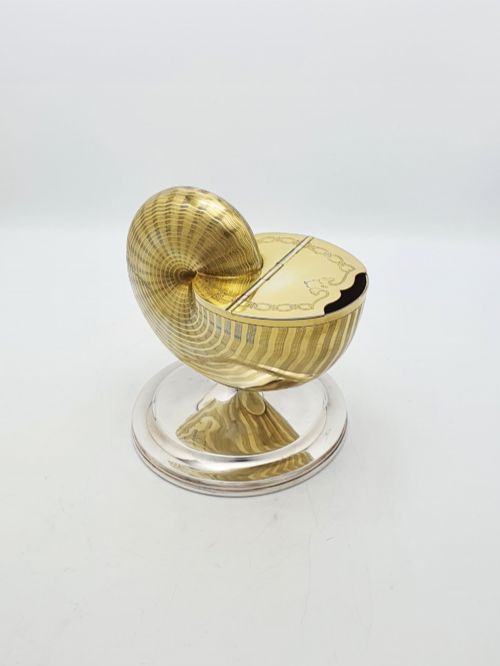
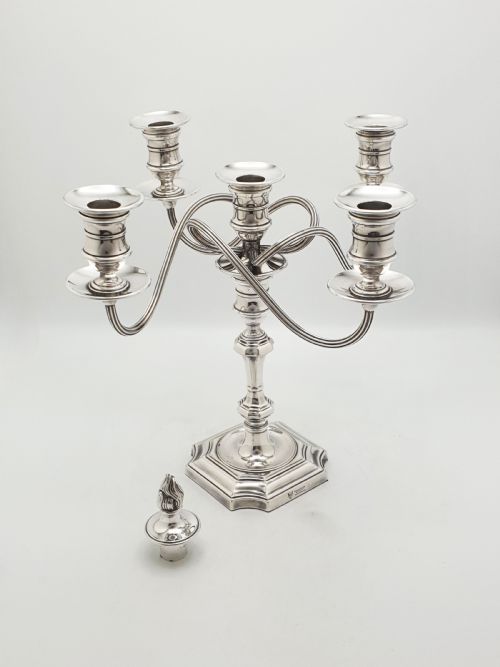
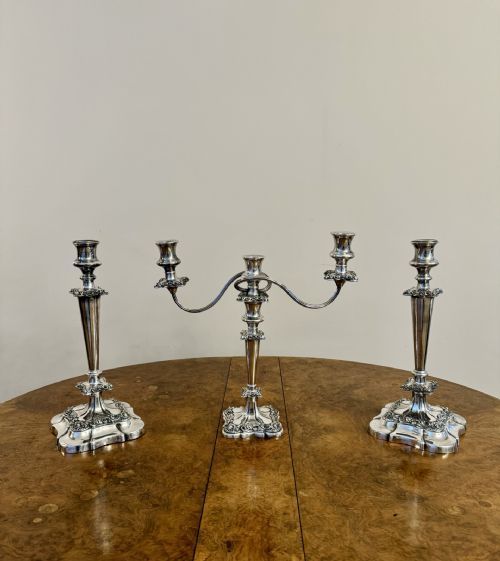
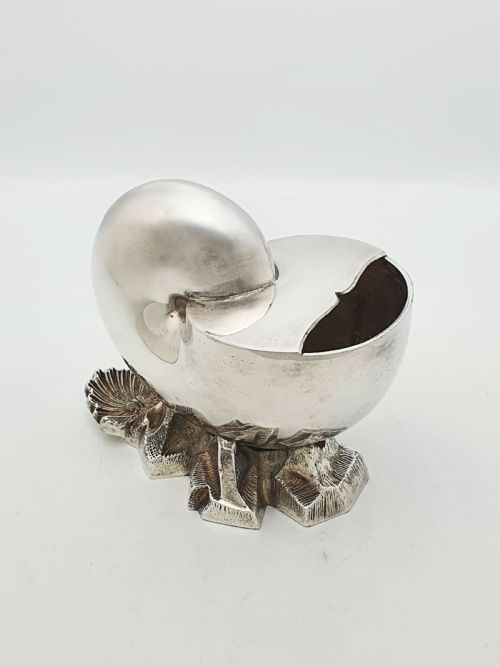
The selections span various interpretations of the silver dining centrepiece, including multi-branch candelabras with detachable sconces, elaborate epergnes of large proportion, and substantial tureens for serving.
Origins and periods stretch from the early nineteenth century through Victorian and Edwardian eras, encompassing both British works and Continental Rococo Revival pieces.
How They Were Made
Construction relies heavily on durable base metals treated with silver surfaces, utilising methods such as old Sheffield plate and electroplated nickel silver alongside solid 800 silver.
Design details often incorporate applied copper elements and intricate ornamentation typical of the Continental Rococo Revival style, requiring skilled silversmithing to cast and assemble branches, sconces and vessels.
Retail Price Guide 2026
Typical UK retail prices for silver dining centrepiece, calculated from the Sellingantiques database of over a million retail prices indexed since 2003. This retail price guide relies exclusively on Sellingantiques data; no external sources or auction records are used, so the figures do not describe the wider market.
Materials across these listings include solid 800 silver, copper, old Sheffield plate, and electroplated nickel silver.
What Varies in Quality
Quality rests on the integrity of the underlying metalwork and the weight of the silver or silver plate applied to the piece. Substantial proportions and well-cast decorative motifs separate impressive dining centrepieces from simpler vessels.
The presence of original detachable components, such as multi-branch sconces or matching tureen covers, dictates the completeness and overall architectural harmony of the assembly.
Gioielleria Agliardi Cassino
The Silver Dining Centrepiece Glossary
- Candelabra
- A large branched candlestick designed to hold multiple taper candles, frequently forming the upper tier of a dining centrepiece. These often feature removable arms and sconces for versatile table arrangements.
- Epergne
- An ornamental centrepiece featuring a central bowl with branching arms and smaller hanging baskets or dishes. It serves fruit, sweets or flowers above the level of the main dinner service.
- Tureen
- A deep covered bowl used for serving soups, stews or bulk food items at the table. Larger examples act as standalone centrepieces during formal meals.
- Old Sheffield plate
- An early technique for fusing a thin sheet of silver onto a heavier copper ingot by heat and pressure. This produces a rich material where subtle copper undertones occasionally show through wear.
- EPNS
- Electroplated nickel silver, a common nineteenth and twentieth century manufacturing standard. An electrical current coats a nickel brass alloy with a fine layer of pure silver.
Frequently Asked Questions
What is the difference between an epergne and a candelabra?
An epergne uses multiple hanging baskets or dishes radiating from a central bowl to present food or fruit.
A candelabra holds candles upon branching arms to provide ambient lighting rather than holding food.
How do I care for silver plated items?
Silver plated surfaces require gentle cleaning with a soft cloth and dedicated silver polish to preserve the thin metal layer.
Avoid abrasive pads or harsh chemical dips that strip away the silver coating over time.
What periods do these centrepieces come from?
The pieces span from the early nineteenth century through Victorian and Edwardian eras up to nineteen ten.
Styles range from restrained Regency forms to ornate Continental Rococo Revival ornamentation.