
Antique Candle Sticks
Antique candle sticks bring literal warmth and period character to a room, ranging from simple domestic brass to elaborate silver columns.
Antique Candle Sticks
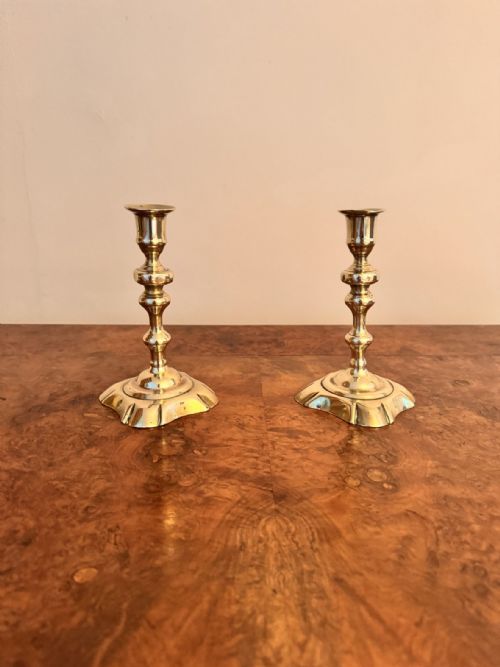
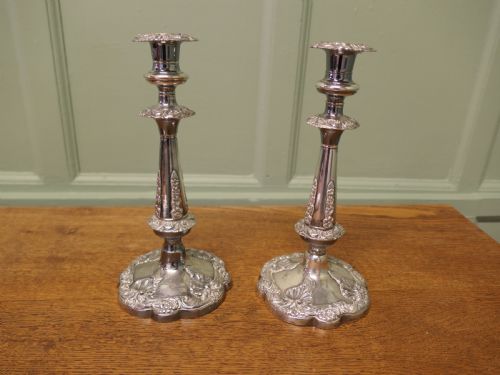
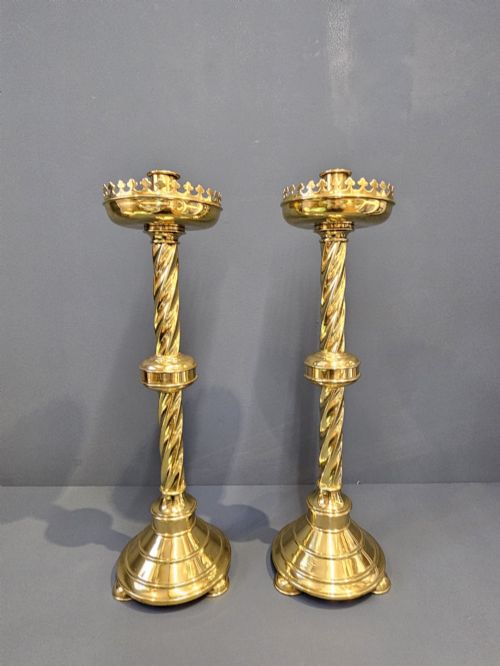
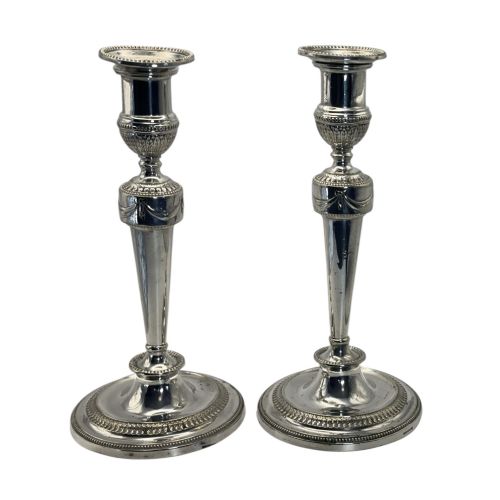
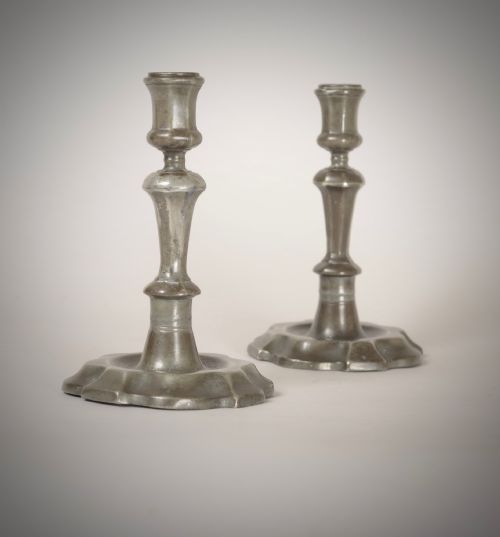
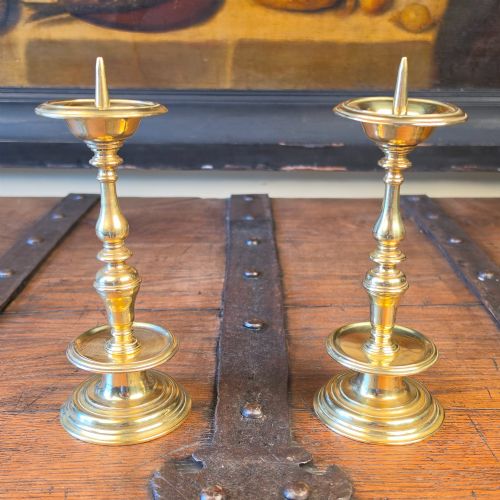
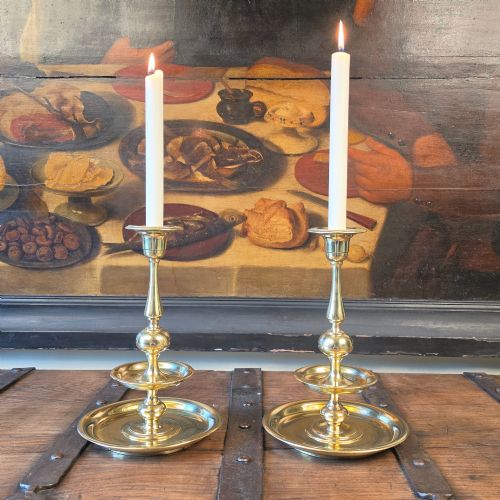
When searching for antique candle sticks, buyers encounter a diverse array of lighting forms spanning several centuries. The selection encompasses domestic table pairs, church prickets, chambersticks with stub handles, and convertible hurricane lamps designed for dining tables or desks.
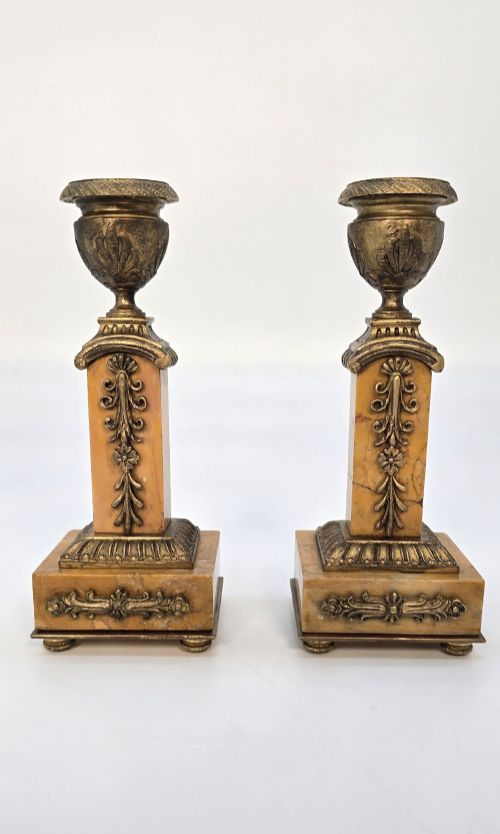
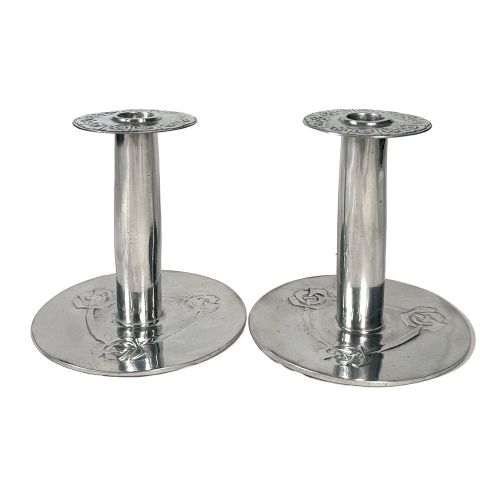
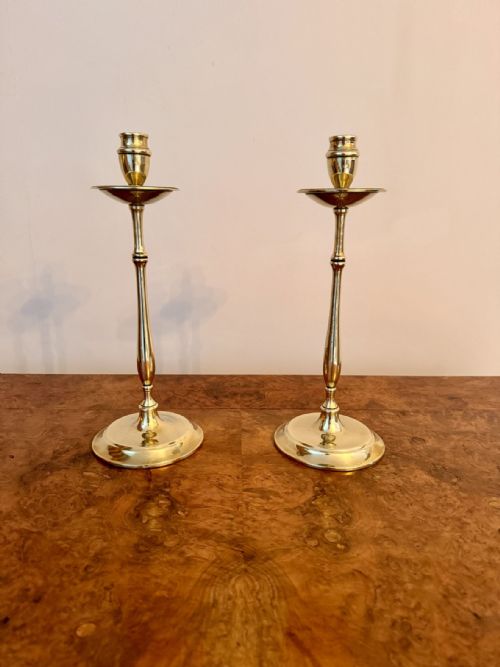
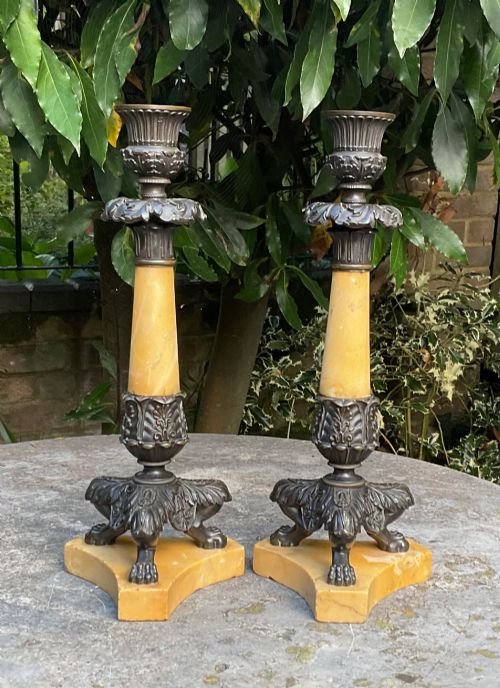
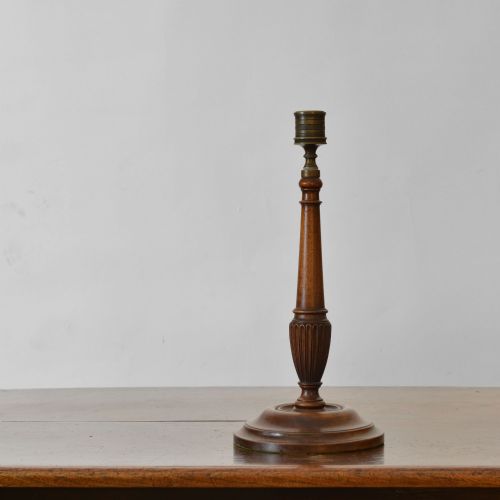
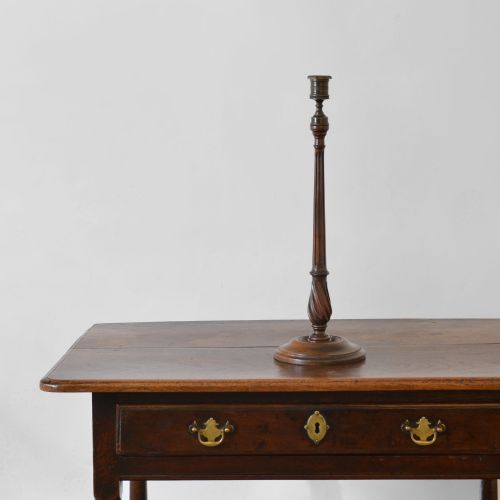
Brass and silver plate dominate the available examples, though specimens in bronze, pewter, porcelain, and wood appear regularly. Pieces originate from English, French, and Continental workshops, reflecting styles from Georgian simplicity through Victorian ornamentation to Art Deco geometry.
How they were made
Early metal examples rely on brass casting and seaming techniques, where metal sheets are joined or molten metal is poured into moulds. Ejector mechanisms incorporated into later brass designs allow users to push the candle stub upward easily.
Silver plating methods evolve from plating thin sheets onto copper bases to electroplating white metal alloys. Ceramic specimens utilise porcelain bodies shaped with foliage or figural motifs, complemented by hand-painted details and gilt highlights.
Listings feature brass, silver plate, and bronze materials spanning the 18th to the 20th centuries.
What varies in quality
The distinction between ordinary and superior examples lies in the crispness of casting and the weight of the metal. Heavier gauge brass and thick silver plating demonstrate superior manufacturing standards that endure through centuries of use.
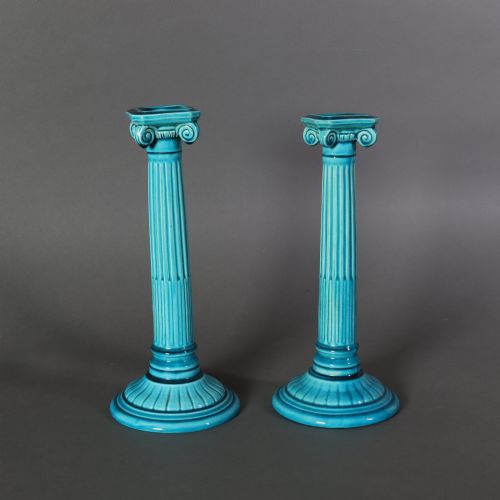
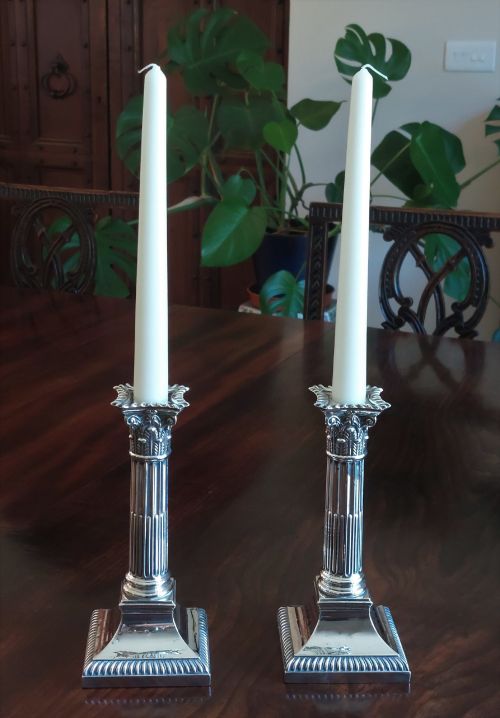
Design execution determines the upper tier of the range, visible in finely chiselled neoclassical details, crisp Corinthian column fluting, and fully marked sterling silver hallmarks. Balance and proportion differentiate master-patterned domestic lighting from utility workshop output.
Mappin & Webb·Birks·Walker & Hall·Richard Hodd & Son·Royal Doulton
The Antique Candle Sticks Glossary
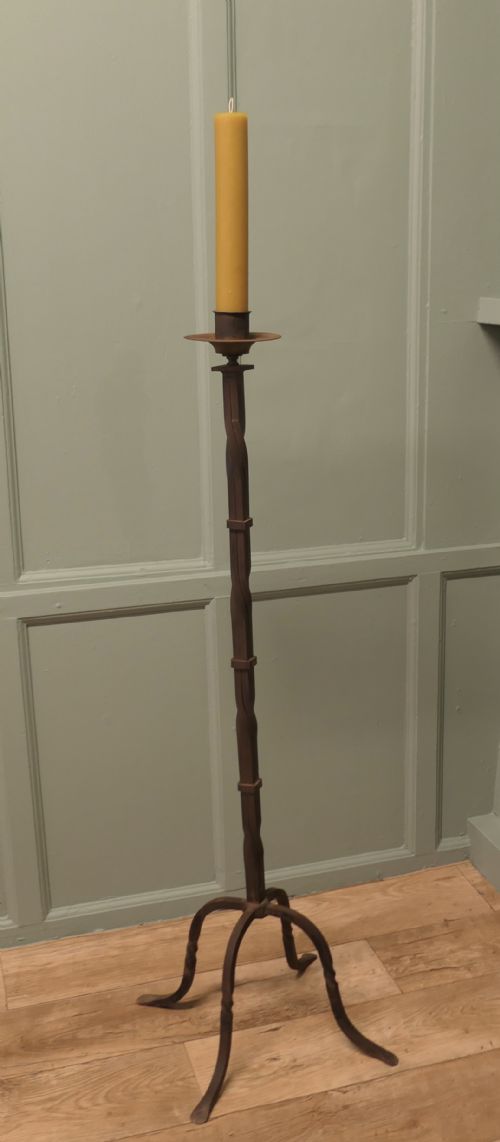
- Pricket
- A candlestick featuring an upright spike upon which a candle is impaled rather than dropped into a socket. These often appear in ecclesiastical settings or large floor-standing formats.
- Chamberstick
- A low portable candlestick fitted with a pan to catch dripping wax and a loop handle for carrying from room to room. They frequently include a small conical snuffer.
- Ejector
- A mechanical internal slide operated via a thumb-piece on the stem that pushes the candle remnant out of the socket. This innovation became common in mid-nineteenth-century brass production.
- Corinthian column
- A classical architectural order adapted for candlestick stems featuring ornate acanthus-leaf capitals. This form appears frequently in silver and silver-plated Edwardian and Victorian designs.
- Mercury glass
- Double-walled blown glass silvered on the interior with a liquid mercury amalgam before being sealed. This material creates a reflective, shimmering appearance popular in nineteenth-century decorative objects.
Antique Candle Sticks: Frequently Asked Questions
How do I clean tarnished brass sticks?
Gentle washing with warm soapy water and a soft cloth removes surface grime without stripping the aged patina accumulated over decades. Avoid harsh chemical polishes that can erase subtle manufacturing details on older surfaces.
Preserving the original mellow tone remains preferable to achieving a bright modern shine. Specialist conservators recommend microcrystalline wax to protect cleaned metal surfaces from future oxidation.
What is the difference between silver and plate?
Solid silver pieces bear official assay office hallmarks indicating sterling standard metal composition and origin. Silver-plated items consist of a base metal, such as copper or nickel alloy, coated with a thin layer of silver.
Examining the edges often reveals base metal showing through worn plating on older items. Hallmarks are absent on plated variants, which instead feature maker marks or electroplate stamps.
How were chambersticks used historically?
Households utilised chambersticks for lighting hallways and bedrooms during evening hours before the invention of electric lighting. The wide pan caught melting wax drips while individuals walked through draughty corridors.
Often accompanied by an integral conical snuffer resting in a clip, these portable lights sat on bedside tables overnight. Their low centre of gravity prevented tipping during transit.
Are pricket sticks only for churches?
While many surviving pricket examples originate from ecclesiastical altars and church use, domestic variations also exist. Large floor-standing prickets served wealthy secular interiors during earlier periods.
Church examples often feature heavier brass or iron construction with ornate Gothic or baroque decoration. Domestic versions tend toward smaller scale while retaining the central spike design.