


Edwardian Silver Candelabrum
An Edwardian silver candelabrum brings brilliant candlelit warmth and classical proportion to a dining table.
Edwardian Silver Candelabrum
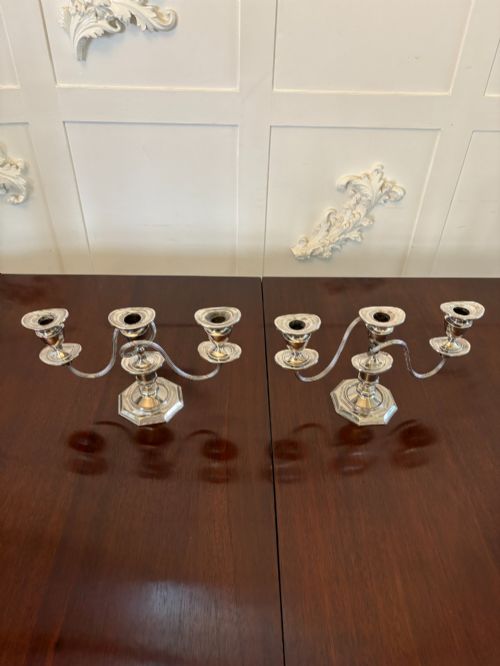
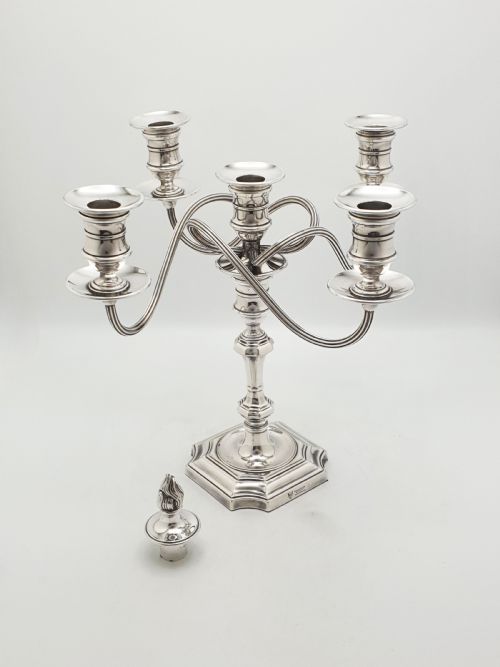
An edwardian silver candelabrum is a branched lighting fixture designed for dining tables or sideboards, combining the formal symmetry of earlier eras with the lighter decorative touch of the early twentieth century. These pieces emerge chiefly from the Edwardian period, though related examples span from the late nineteenth century into the interwar years.
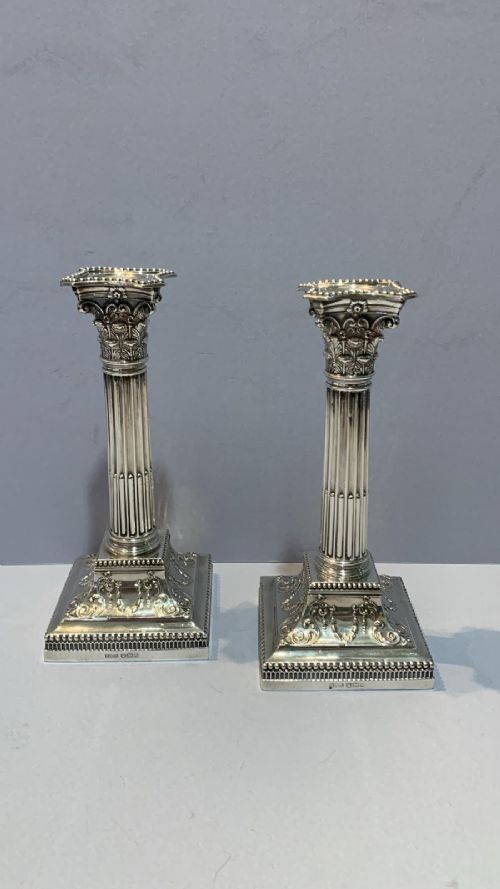
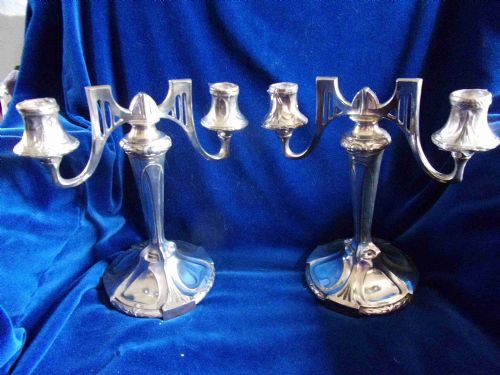
The selection on this page centres on multi-light candelabras and matching pairs of candlesticks, alongside related candle lamps and standard lamps. Alongside sterling silver pieces, buyers will frequently meet examples fashioned in silver plate, electroplated nickel silver, and base metals reflecting Victorian neoclassical revival and Jugendstil influences.
How they were made
Makers utilised sterling silver and various plated metals over base substrates, employing electroplating techniques such as EPNS to achieve a bright, durable finish without the full cost of solid metal. Glass components frequently integrated into specialised designs like candle lamps, adding varied textures to the metallic structures.
Stylistic execution drew heavily upon neoclassical and Jugendstil idioms, blending rigorous geometric symmetry with flowing organic motifs. Construction methods prioritized secure detachable branches and weighted bases to support multiple candle holders safely.
Clarke's Cricklite systems brought miniature glowing domes to dining tables, letting Victorian diners converse without dodging towering candelabrum branches.
What varies in quality
Quality rests upon the crispness of the casting and the proportion of the branches relative to the weighted base, distinguishing mass-produced wares from finer workshops. The integrity of the metal plating over the base substrate dictates the durability and appearance of silver-plated items over time.
Subtlety of decorative detail, particularly in neoclassical or Jugendstil ornamentation, separates standard decorative pieces from exceptional examples. Balance, weight distribution, and the secure fit of removable multi-light branches further define the manufacturing standard.
The Edwardian Silver Candelabrum Glossary
- EPNS
- Electroplated Nickel Silver denotes a base metal core of nickel alloy coated with a layer of pure silver through an electrolytic process.
- Jugendstil
- An artistic movement akin to Art Nouveau, characterised by organic flowing lines and natural motifs popular around nineteen hundred.
- Neoclassical
- A revival style drawing inspiration from classical Greek and Roman art, featuring symmetrical forms, urns, and fluted columns.
- Sterling Silver
- A silver alloy containing substantial pure silver combined with copper to ensure structural durability in domestic objects.
Edwardian Silver Candelabrum: Frequently Asked Questions
What is an edwardian silver candelabrum used for?
These fixtures were designed to hold multiple candles, providing ambient lighting for dining tables, sideboards, and formal drawing rooms.
Today, they serve both as decorative centrepieces and functional lighting for entertaining, preserving the atmosphere of early twentieth-century interiors.
How do I clean an edwardian silver candelabrum?
Sterling silver examples require gentle polishing with a dedicated cloth and mild silver cleaner to maintain their reflective surface without removing the metal.
Silver-plated pieces need even greater care to avoid wearing through the thin outer layer of silver down to the base metal underneath.
What styles influence these candelabras?
Design styles span from traditional Victorian neoclassical revival to Edwardian elegance and Jugendstil organic curves.
These varied aesthetic influences reflect a period of transition in decorative arts running from the late nineteenth century into the nineteen twenties.