



Antique Candelabra Set
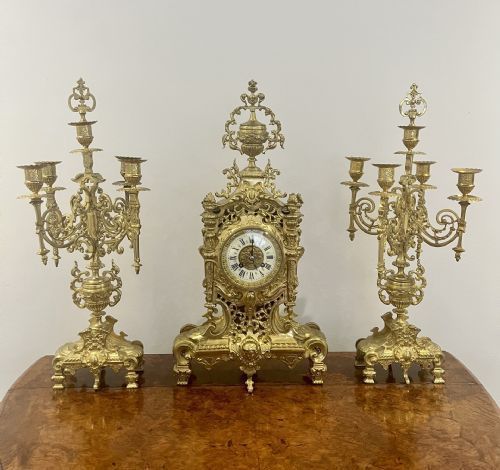
An antique candelabra set brings matched lighting and sculptural presence to a room, frequently arriving paired with a mantel clock as a grand garniture.
Antique Candelabra Set
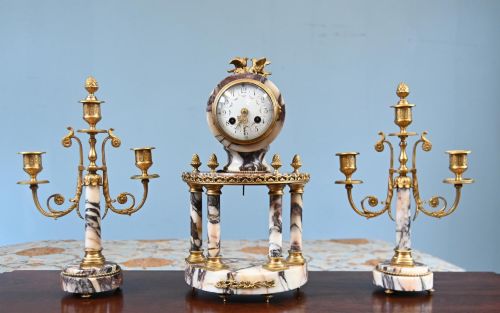
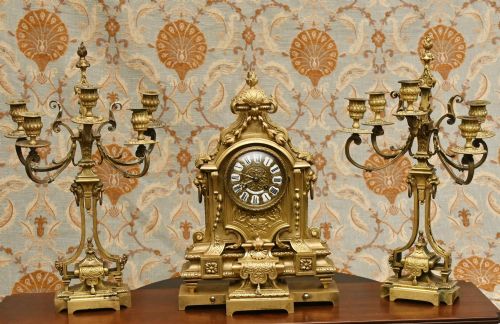
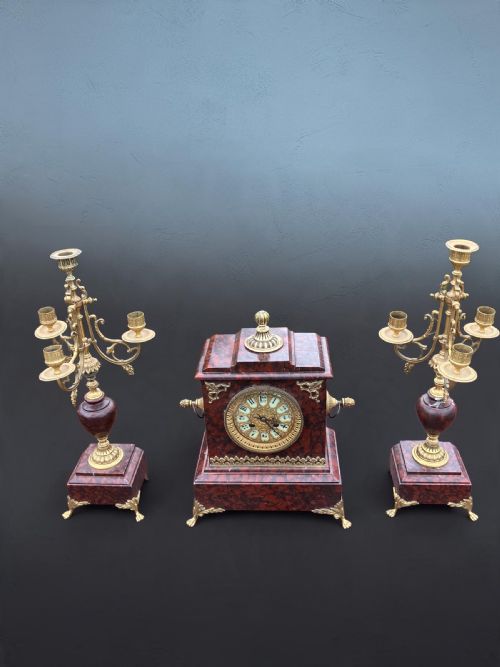
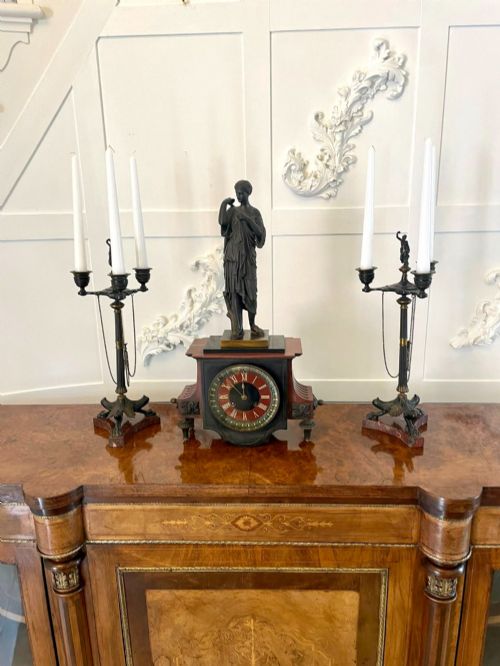
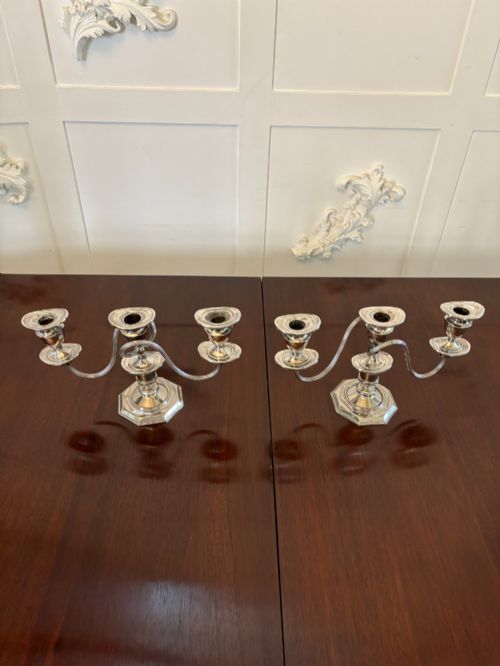
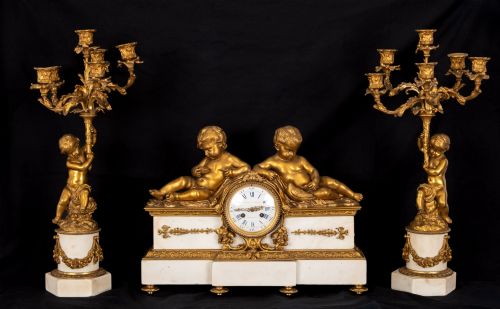
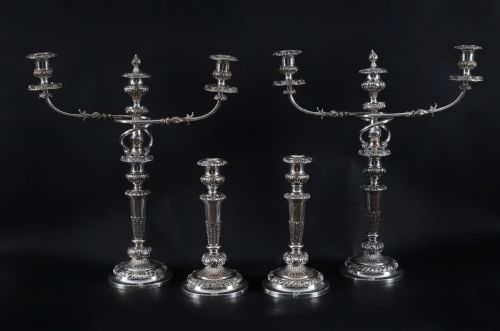
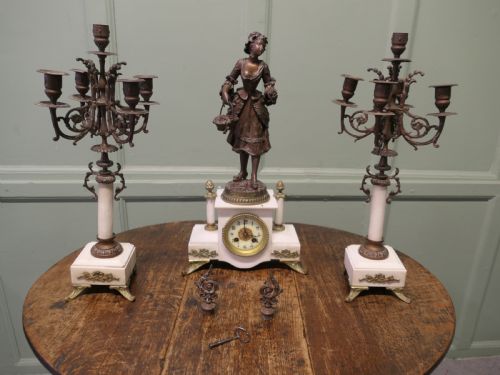
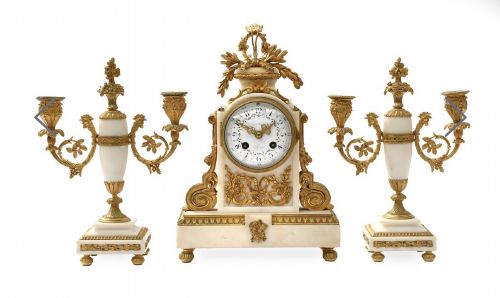
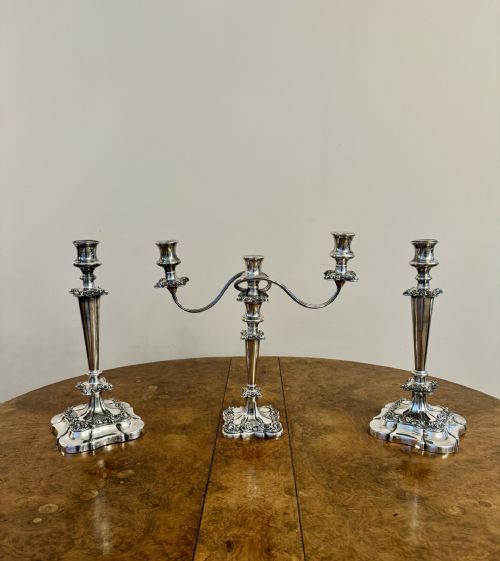
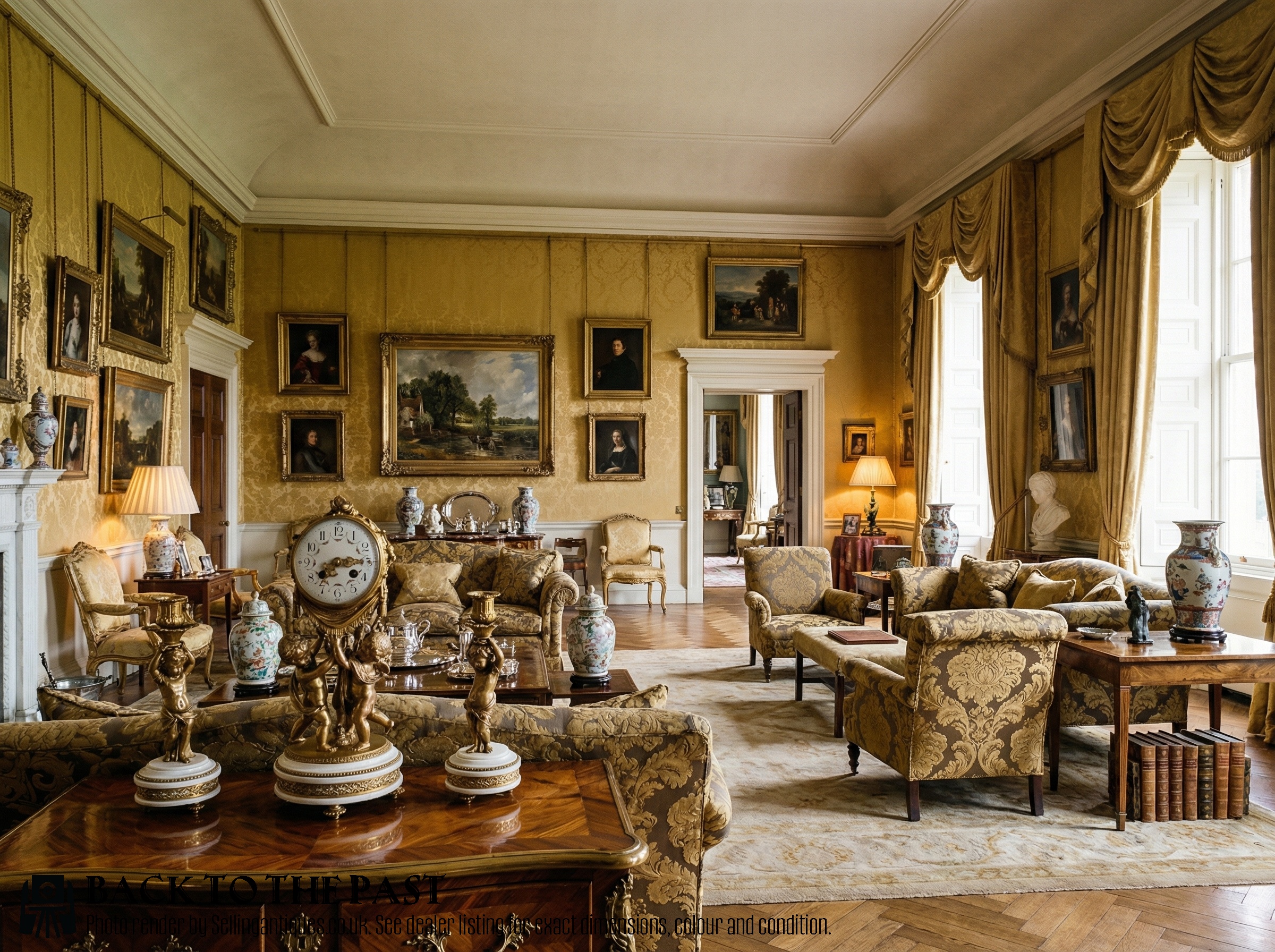
An antique candelabra set typically comprises matching multi-branch candleholders, often accompanied by a central mantel clock to form a cohesive garniture ensemble. These arrangements originated primarily in nineteenth-century France and Britain, designed to adorn drawing rooms and formal reception spaces.
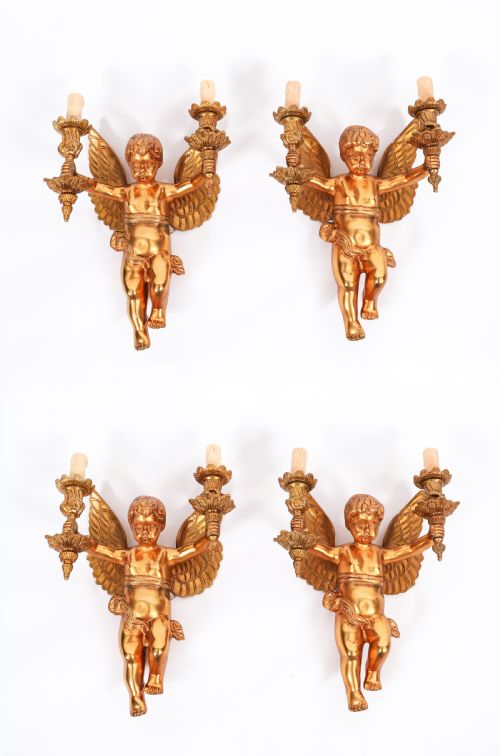
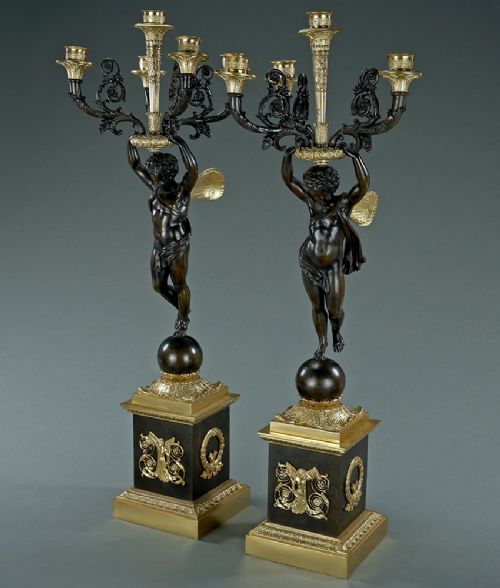
Buyers will frequently encounter sets executed in French revival styles, incorporating classical figures, cherubs, and ornate scrolling foliage. Materials range from gleaming gilt bronze and ormolu to heavy white marble, slate, and porcelain.
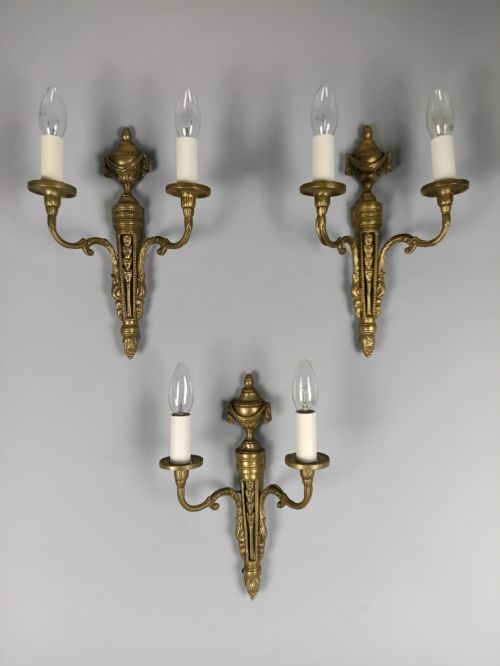
The most common configurations include pairs of candelabra flanking a matching clock, though larger suites expand to include complementary wall sconces or additional candlesticks.
Assessing Quality
Heavier gauge metal, substantial solid marble bases, and fully signed clock movements by notable makers elevate a set above standard decorative wares. The harmony of the ensemble, where every element shares identical patination and casting quality, determines the overall standing of the set.
Antique Candelabra Set Retail Price Guide 2026
Typical asking prices for candelabra set among the pieces listed under this phrase on Sellingantiques today, from the lower quarter to the upper quarter. They describe what is for sale here now, not the wider market.
Henry Dasson·Auguste Cain·H Luppens Paris·Japy Freres·Samuel Marti
The Antique Candelabra Set Glossary
- Garniture
- A set of decorative objects designed to be displayed together, most commonly a mantel clock flanked by a pair of candelabra or vases. These suites create a balanced arrangement on a fireplace mantel or sideboard.
- Ormolu
- Gilt bronze produced by applying a mercury and gold amalgam to a cast bronze object and firing it to drive off the mercury. This technique yields a durable, rich golden surface characteristic of fine French pieces.
- Patinated Bronze
- Bronze treated with chemical solutions to create a dark brown, green, or near-black surface finish. This contrasts sharply with bright ormolu highlights in nineteenth-century decorative pieces.
- Bleu de Roi
- A deep, rich cobalt blue ceramic glaze developed at the Sevres porcelain factory. It often serves as a striking background colour for gilded bronze mounts on clock garnitures.
- Chasing
- The hand-tooling of metal surfaces using small punches and hammers after casting. This process refines textures and adds intricate surface detail to bronze and brass work.
Antique Candelabra Set: Frequently Asked Questions
What is a clock garniture?
A clock garniture is a matched decorative set featuring a central mantel clock accompanied by two side pieces, such as candelabra or urns. They were designed to create a symmetrical focal point on mantelpieces.
The matching pieces share identical materials, styles, and decorative motifs, unifying the design scheme of a formal interior.
How were candelabra sets used?
These sets served both practical lighting functions and high-status decorative roles in nineteenth-century drawing rooms and dining halls. Candles provided ambient illumination during evening gatherings.
When unlit, the polished ormolu and sculpted bronze figures acted as sculptural artworks that reflected candlelight and daylight alike.
How do I identify French revival styles?
French revival styles borrow architectural and decorative elements from earlier periods such as Louis XV, Louis XVI, and the Empire eras. Look for symmetrical neoclassical columns in Louis XVI pieces or asymmetric rococo scrolls in Louis XV examples.
Materials like white marble and gilt bronze often signal neoclassical influence, while dark patinated bronze and classical armour suggest an Empire origin.
How should I care for ormolu and marble?
Maintain ormolu surfaces by dusting gently with a soft, dry brush without applying abrasive metal cleaners that strip the historic gold layer. Marble can be wiped with a slightly damp cloth and dried immediately.
Keep these sets away from direct sunlight and damp environments to protect delicate clock movements and prevent corrosion on the bronze.