
Victorian Candle Holder
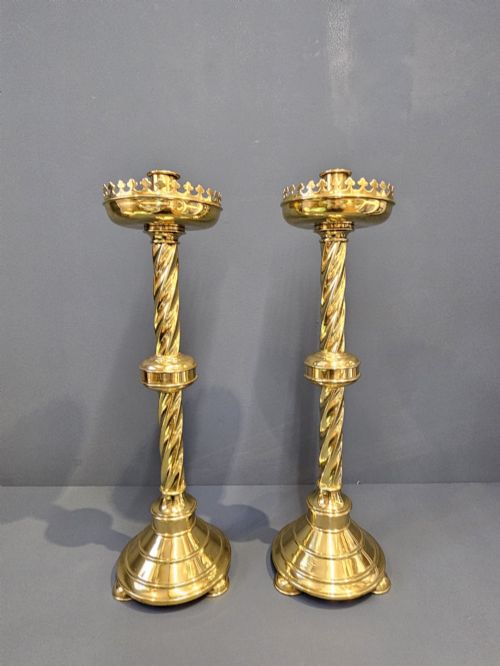
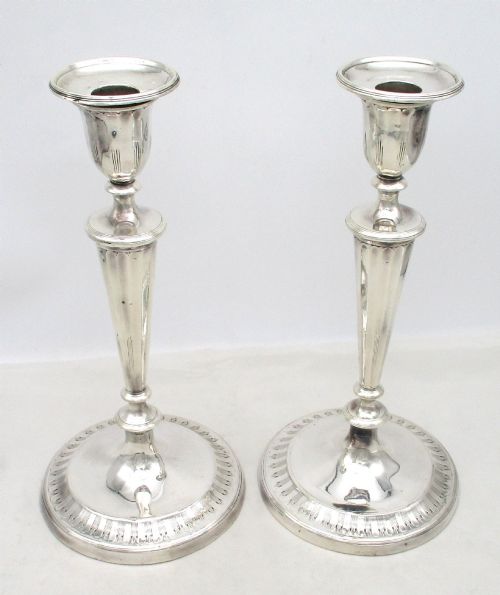
These Victorian candle holder pieces offer heavy brass and silver plate constructions designed to light nineteenth-century rooms.
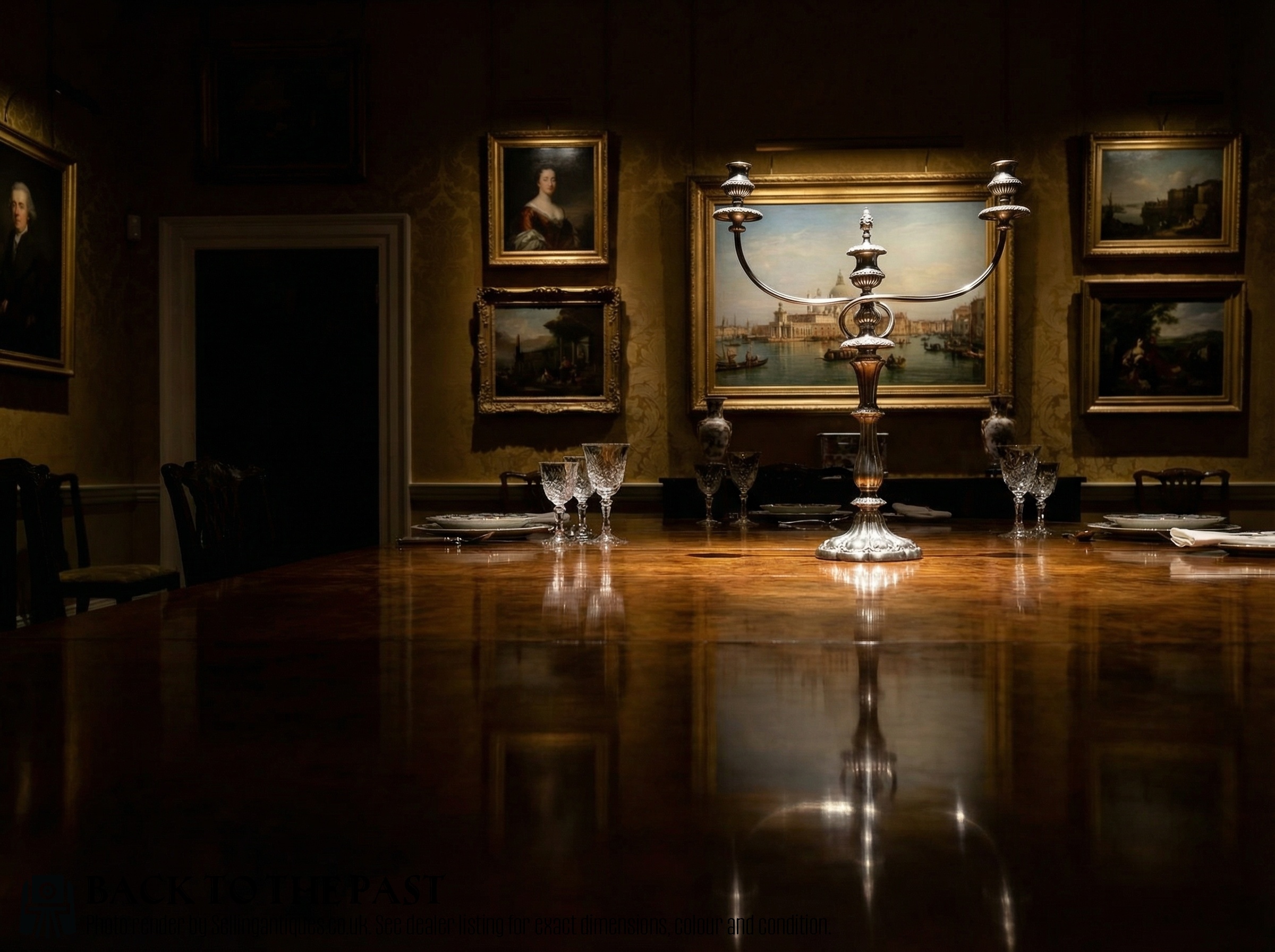
What a Victorian candle holder is
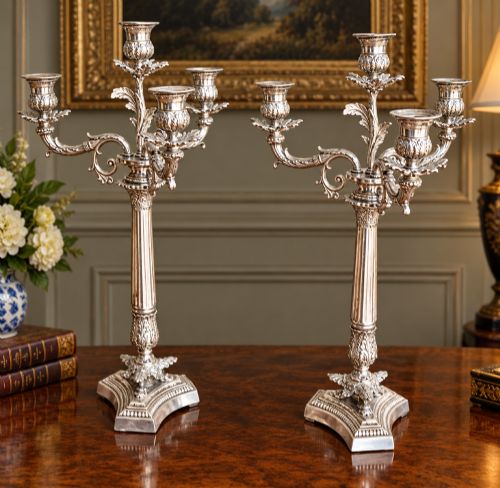
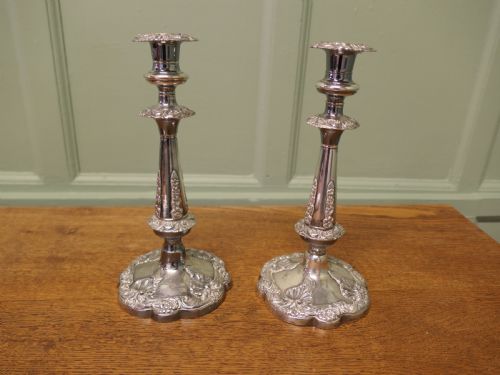
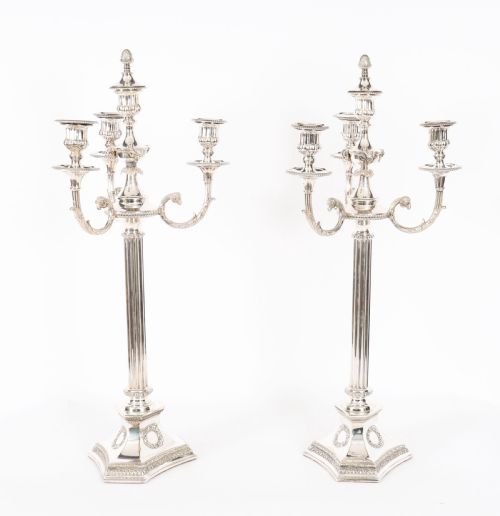
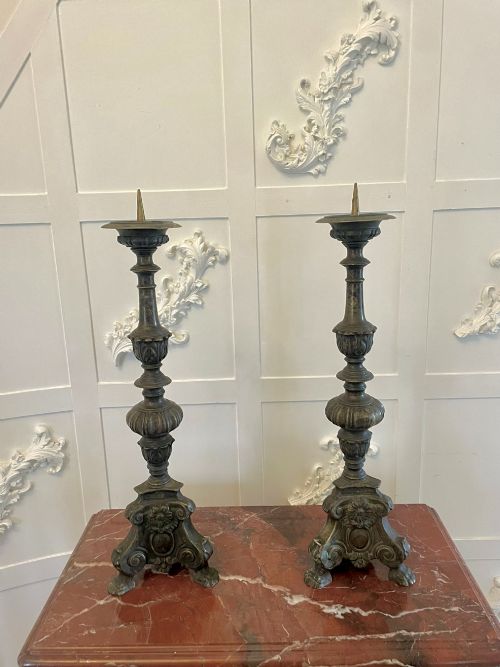
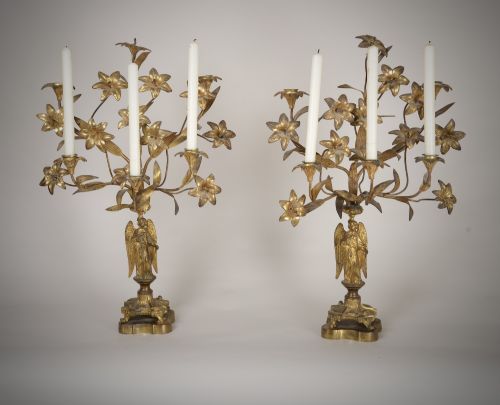
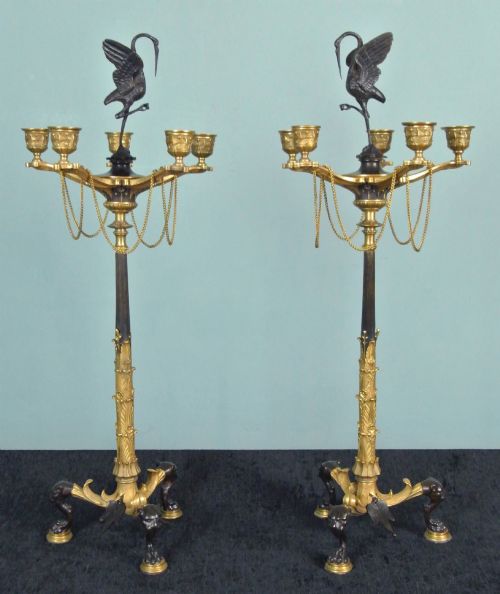
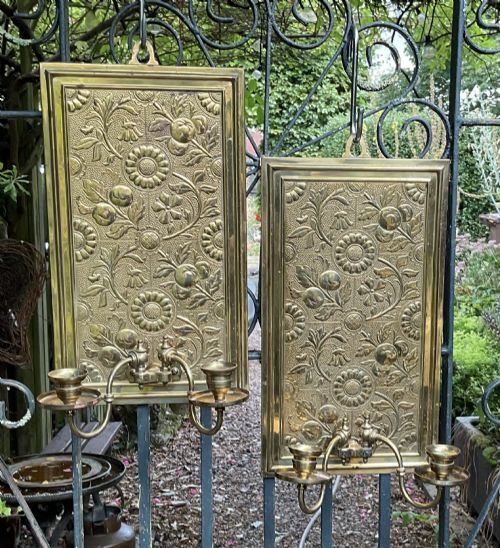
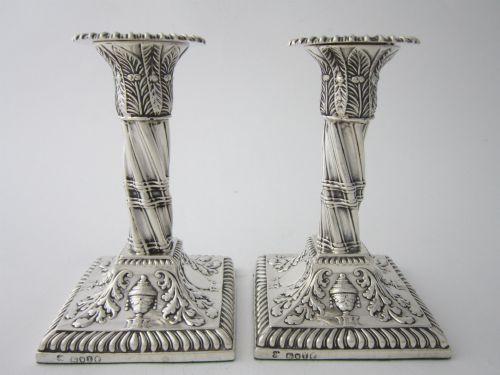
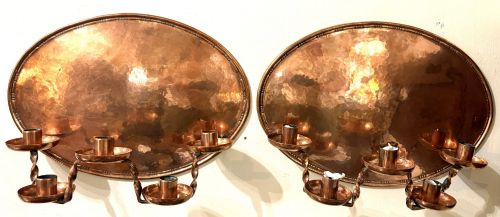
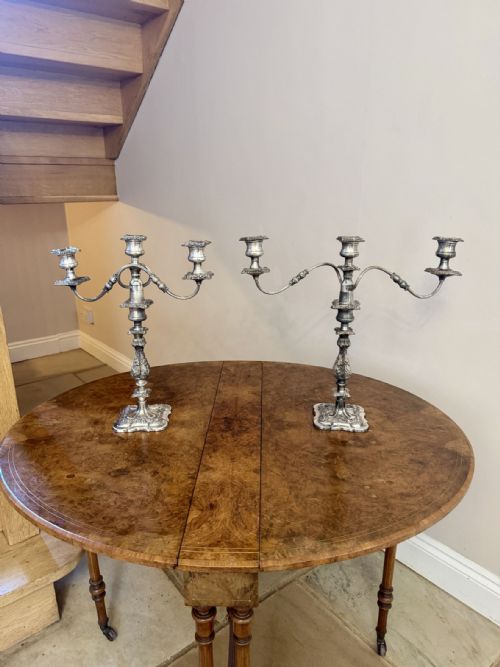
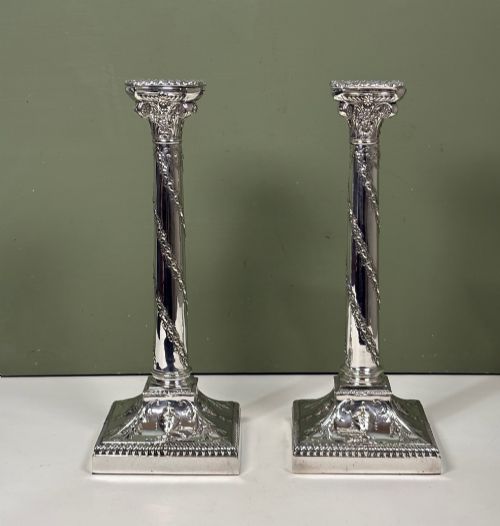
When you search for a Victorian candle holder, you uncover a variety of lighting fixtures originating from the nineteenth century, including chambersicks, wall sconces, girandole mirrors, and multi-branch candelabras. The pieces seen on this page span the Victorian era, reaching into the eighteen-eighties with specific dates such as eighteen-eighty and eighteen-eighty-five.
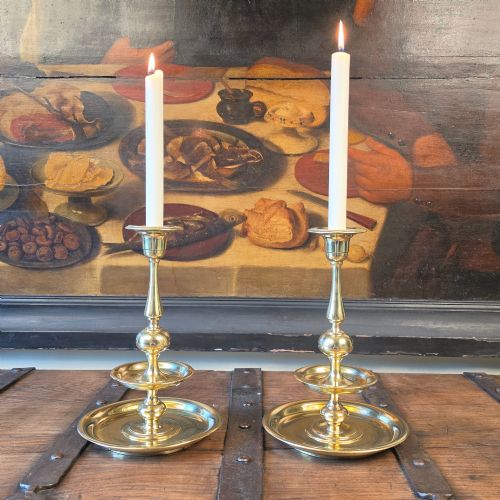
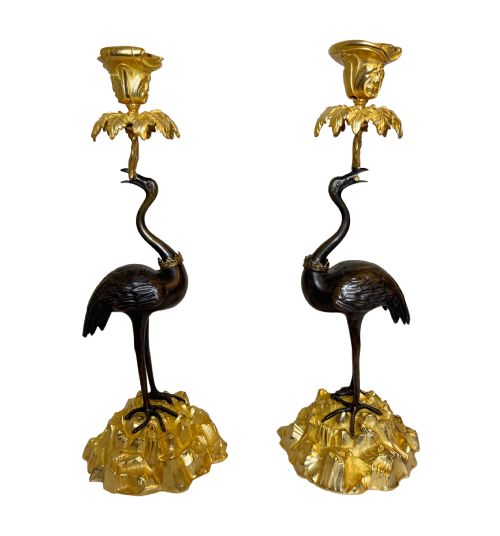
The forms range from single candlesticks to elaborate five-light candelabras, tray-base candlestick holders, and specialised items like go-to-bed candlesticks and hurricane holders. Materials encompass brass, silver plate, electroplated nickel silver, cut glass, gilt metal, wood, and velvet.
Stylistically, these items draw upon Victorian Neoclassical and Rococo Revival designs, sometimes incorporating carved oak, Connemara marble, or Staffordshire ceramic figures into the object types. You will frequently encounter pairs as well as single examples across these listings.

How they were made
Makers utilised metals such as brass and silver plate, alongside electroplated nickel silver, to build the core structure of these candlesticks and candelabras. Cut glass and gilt metal frequently appear as decorative components.
Wood and carved oak form the base or supporting structure for specific occasional tables and adjustable wine tables fitted with candle holders. Velvet and Connemara marble add textural contrast in select mixed-media pieces.
Retail Price Guide 2026
Typical UK retail prices for victorian candle holder, calculated from the Sellingantiques database of over a million retail prices indexed since 2003. This retail price guide relies exclusively on Sellingantiques data; no external sources or auction records are used, so the figures do not describe the wider market.
Victorian go-to-bed candlesticks provided late-night readers with a tiny, self-contained flame before sleep.
What varies in quality
The distinction between standard examples and top-tier pieces lies in the complexity of the cast ornamentation and the weight of the metal. Elaborate Rococo Revival detailing or heavy silver plating separates standard production items from finer candelabras and girandole mirrors.
Material combination also defines the grade of an object, where integrated cut glass, marble bases, or multi-branch configurations require greater skill than simple brass or wooden forms.
The Victorian Candle Holder Glossary
- Chamberstick
- A low candlestick featuring a wide tray base and a handle, intended for carrying around a bedroom or hallway. These domestic items typically date from the nineteenth century.
- Candelabra
- A branched lighting fixture designed to hold multiple candles simultaneously. They appear in silver plate, brass, and gilt metal variants.
- Girandole
- A branched candlestick or light fixture mounted on a backplate with a mirror. The mirror reflects the candlelight to brighten nineteenth-century interiors.
- Electroplated Nickel Silver
- A base metal alloy coated with a layer of pure silver through an electrical process. This technique became widespread during the Victorian period.
- Hurricane holder
- A glass shade fitted around a candle to protect the flame from drafts. These pieces often sit atop silver plated bases.
Frequently Asked Questions
What is a chamberstick?
A chamberstick is a low, portable candlestick featuring a wide saucer tray and a small loop handle. It was carried by hand to light a path through bedrooms and dark corridors.
These pieces usually include a socket for the taper and sometimes a small attached extinguisher cone.
How do I style a candelabra?
Multi-branch candelabras work well as centrepieces on dining tables, sideboards, or mantelpieces. Their silver plate and brass surfaces reflect ambient light.
Pairing them with matching candlesticks or placing them in front of girandole mirrors creates a balanced nineteenth-century display.
What materials were used?
Nineteenth-century lighting pieces relied heavily on brass, silver plate, and electroplated nickel silver. Makers also incorporated cut glass, gilt metal, carved oak, and Connemara marble.
Some domestic items combined wood and metal, such as occasional tables with integrated candle holders.
Are these items dated?
Certain pieces carry specific production dates or narrower attribution windows within the nineteenth century, such as eighteen-eighty or eighteen-eighty-five. Other items are broadly classified under the Victorian period.
Stylistic markers like Rococo Revival ornamentation help place objects within the era.